
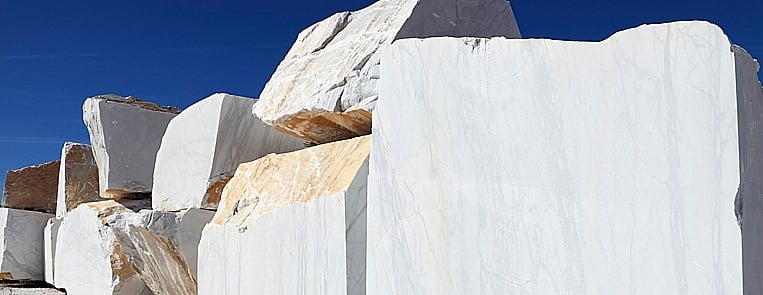
Private Tour Excursion to Lucca & the famous Marble Quarries of Carrara
Medieval art and its creation are highlighted on this interesting driving tour. We'll visit lovely Lucca and the quarries of Carrara, provider of marble for Michelangelo.
HOME » POPULAR ITALIAN DESTINATIONS » LUCCA TRAVEL GUIDE » LUCCA FOOD AND WINE GUIDE
Lucca Travel Guide Culture History Food and Wine Things to Do Plan My Trip
About this guide: This guide to the food and wine of Lucca was written by the Italian-born travel specialists at Trips 2 Italy, a custom tour operator that has designed hand-crafted Italian vacations since 2003. Every recommendation below reflects the same first-hand knowledge our team draws on when we build a private Lucca itinerary around a traveler’s interests, dates, and pace. Read it for your research, then let us translate it into a trip designed entirely around you.
Lucca’s kitchen is the meeting point of plain, mountain, and grove. The fertile farmland around the city supplies vegetables, beans, and corn for polenta, the Garfagnana mountains to the north send down farro, chestnuts, and game, and the hills that ring the plain contribute the olive oil that seasons everything. It is a gentler, greener cooking than the grilled austerity of central Tuscany, built on soups, stuffed pasta, and slow sauces.
Like all great Italian cooking, it is a cuisine of place and thrift raised to elegance. Farro, the ancient wheat the Romans carried, never left these valleys and now stars in the region’s most beloved soup. Chestnut flour, once the mountain’s survival food, became sweet crepes and cakes. Bread, beans, and greens meet the new oil each November in dishes that need nothing else.
The Garfagnana deserves particular mention, because its pantry has become one of Italy’s most respected. The valley’s farro carries protected geographic status and appears on discerning menus across the country, its chestnut flour is milled as it has been for centuries, and its cured meats, mountain cheeses, and honey supply the tables of Lucca the way the sea supplies a port. Eating in Lucca means eating the mountains as much as the plain.
What surprises travelers is the coherence: within a single day around Lucca you can taste the mountain, the plain, and the grove in their own landscapes. Our culinary itineraries are built on exactly that geography, pairing each table with the countryside that supplies it, because in Lucca the menu is a map and we know the territory personally.
Begin with tordelli lucchesi, the city’s signature: generous half-moons of fresh pasta stuffed with a rich mixture of meats, chard, and spices, dressed with a slow meat ragu. They appear on every traditional table in Lucca and almost nowhere else in Italy, which makes eating them inside the walls one of those experiences that cannot be exported.
The soups run just as deep. Zuppa di farro, thick with Garfagnana farro and borlotti beans and finished with new oil, is the province in a bowl, while spring brings garmugia, a delicate soup of artichokes, asparagus, fava beans, and peas that dates to the seventeenth century. Matuffi layers soft polenta with ragu and mushrooms, and rovelline, breaded veal simmered in tomato and capers, is the city’s beloved home-style secondo.
Reading a Lucchese menu rewards a little fluency, and we provide it. The dishes the kitchen is proudest of are usually the least adorned lines on the page, the ones named for grandmothers and seasons rather than techniques, and the daily specials follow the market rather than the printer. Travelers who order the tordelli, the day’s soup, and whatever the hills sent down that week eat as the city does.
The mountains add their voices in season: roast pork and game with herbs, porcini from the Garfagnana woods in autumn, and chestnut specialties as the year closes. We guide travelers through these menus dish by dish, and arrange the farmhouse lunches and market mornings where the cooking is closest to its sources.
The hills around Lucca produce one of Italy’s most esteemed olive oils, prized for a style all its own: golden, smooth, and elegantly fruity, gentler than the assertive oils of central Tuscany yet unmistakably alive. The groves climbing the slopes of the Lucchesi hills have supplied the city for centuries, and the name Lucca has stood for fine oil in world markets since the nineteenth century.
The olive year peaks in November, when families and estates hand-pick their terraces and press within hours, and the olio nuovo arrives at the table green, bright, and celebrated like a vintage. Bruschetta with the new oil, a bowl of white beans, a farro soup finished with a generous pour: this is the season Lucchesi themselves consider the finest eating of the year.
The pedigree is formally recognized: oils from these slopes fall under Tuscany’s protected designations, and many of the finest come from the same historic villa estates whose gardens crown the hills, where olives and vines have shared the terraces since the republic’s days. Tasting oil where it was pressed, over bread baked that morning, recalibrates a traveler’s palate permanently.
We arrange visits to historic estates and working frantoi in the hills, where travelers walk the terraces, watch the press run in season, and taste vertically through an estate’s oils the way visitors elsewhere taste wine. An oil-focused morning followed by lunch at the producing estate is one of the most memorable days we design around Lucca, and among the least expected.
Lucca has its own wine country, small, distinguished, and largely undiscovered by the crowds that fill better-known zones. The Colline Lucchesi DOC covers the sunny slopes just north and east of the walls, producing Sangiovese-based reds of notable finesse along with fragrant whites, from estates and historic villas whose vineyards have served the city since the days of the republic.
A few miles east, the hill town of Montecarlo gives its name to one of Tuscany’s most distinctive white wines. In the nineteenth century, Montecarlo’s growers boldly interplanted their Trebbiano with French varieties, and the resulting blends carry a roundness and perfume unusual in the region, alongside increasingly accomplished reds.
Tasting here feels personal in a way famous regions can no longer offer. Cellars receive visitors by arrangement rather than by tour bus, the pourer is often the owner, and lunch among the vines looks across olive terraces to the Apuan Alps. We hold long relationships with growers in these hills and compose wine days that pair Colline Lucchesi and Montecarlo estates with the landscapes and tables around them.
Lucca’s emblem at the bakery is buccellato, a ring-shaped sweet bread perfumed with anise and studded with raisins, baked in the city for centuries and once so central to local life that a proverb insists no visit to Lucca is complete without it. Eaten fresh, toasted with butter, or dipped in sweet wine, it is breakfast, snack, and souvenir in one, and historic bakeries inside the walls still shape it by hand.
The mountains contribute the chestnut repertoire: necci, thin chestnut-flour crepes cooked between hot plates and rolled around fresh ricotta, and castagnaccio, the dense chestnut cake with rosemary, pine nuts, and olive oil that tastes of the Garfagnana woods themselves. Autumn is their season, and finding them at a village festival is one of the region’s simple joys.
The most curious of the city’s sweets is the torta co’ becchi, the tart with beaks, its crimped pastry rim rising in points around fillings that mix chard or rice with candied fruit, spice, and a whisper of liqueur, a medieval survivor that blurs the line between vegetable and dessert. It appears at family feasts and pasticceria counters alike, and tasting it beside a slice of buccellato makes a small edible history lesson.
The table’s rituals complete the picture: cantucci with sweet wine to close a dinner, gelato on the evening passeggiata along Via Fillungo, and the espresso taken standing at a marble counter that has served the same families for generations. Sweetness in Lucca is a habit of daily life rather than an occasion, which is exactly how the city prefers its pleasures.
Dining in Lucca keeps the scale of the city itself: intimate, unhurried, and personal. Family-run osterie and trattorie occupy medieval rooms and quiet courtyards, menus follow the market rather than fashion, and the distance between the kitchen and the farm that supplied it is often a matter of a few miles. Reservations matter less than knowing which rooms suit which evening, and that knowledge is part of what we provide.
The city rewards every register of appetite. There are wine bars where the Colline Lucchesi estates pour beside older vintages, grand cafes on the elegant streets for a slow afternoon, aperitivo tables in the amphitheater’s oval as the light turns gold, and refined dining rooms where young kitchens reinterpret tordelli and farro with contemporary craft. Fine dining here stays rooted; even at its most polished, the cooking remembers whose city it is.
Evenings unfold at the local tempo: an aperitivo as the passeggiata flows past, dinner begun after eight, and a walk on the walls or a Puccini recital to close the night. We sequence dining across an itinerary so each evening has its own character, from farmhouse feast to candlelit refinement, matched to the day that came before it.
A culinary itinerary around Lucca begins with geography: the market and bakeries inside the walls, the olive terraces and wine estates in the hills, and the farro fields and chestnut woods of the Garfagnana beyond. We compose days that travel this map deliciously, with a private driver handling the country roads so every tasting can be enjoyed completely.
The experiences are personal because the relationships are. A market morning with a local cook becomes a hands-on lesson in a farmhouse kitchen where lunch is the homework, with tordelli rolled by hand and the season’s vegetables from the garden outside. An estate visit becomes a family table; a November day becomes an oil harvest; an autumn morning in the mountains becomes a porcini or chestnut expedition.
The village festival calendar adds occasions no restaurant can replicate. Through autumn, the Garfagnana’s hamlets hold sagre devoted to chestnuts, porcini, and farro, long tables under the plane trees where the whole valley turns out, and travelers who join one with our guidance eat the region’s truest cooking in its warmest setting. These are the meals our returning guests describe years later.
Every journey is composed around your dates and the agricultural calendar, from spring’s garmugia to the vendemmia to the new oil, as part of our wine tasting and food tours in Italy. Tell us how you love to eat and drink, and we will build the Lucca days, and the tables, around it.
Lucca deserves more than a template. Since 2003, Trips 2 Italy has designed private Italian vacations one traveler at a time, hand selecting every experience based on what you tell us rather than fitting you into a predefined package. Our Italian-born team plans Lucca with the knowledge of people who call Italy home, from the tree-lined walls to the opera evenings of Puccini’s own city, and we remain at your side throughout your trip with 24/7 assistance. Tell us how you imagine Lucca, and we will craft the itinerary that matches it.
Medieval art and its creation are highlighted on this interesting driving tour. We'll visit lovely Lucca and the quarries of Carrara, provider of marble for Michelangelo.
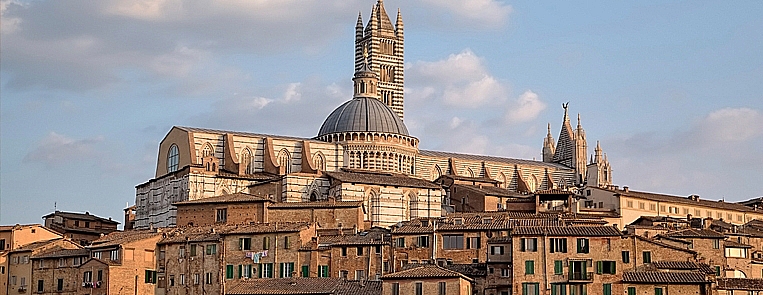
Venture on a fascinating itinerary through historic Florence and the exhilarating Tuscan countryside for a unique experience filled with art, history and traditional Tuscan fare.
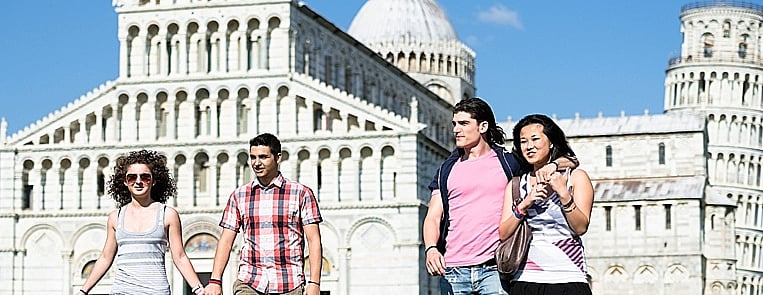
See the marvels of the medieval world, as you enjoy this private driving tour of Lucca and Pisa, home of the Leaning Tower.
Lucca is known for tordelli lucchesi, meat-stuffed pasta with slow ragu, farro and bean soups from the Garfagnana, spring garmugia, matuffi of layered polenta, rovelline, chestnut sweets like necci and castagnaccio, and buccellato, the anise and raisin sweet bread that is the city’s edible emblem, all seasoned with its celebrated olive oil.
Yes. The hills around Lucca produce golden, smooth, elegantly fruity oils that have carried the city’s name into world markets since the nineteenth century, in a style gentler than central Tuscany’s peppery pressings. Trips 2 Italy arranges estate and frantoio visits, including November harvest experiences when the olio nuovo is celebrated like a vintage.
The Colline Lucchesi DOC produces refined Sangiovese-based reds and fragrant whites in the hills just outside the walls, while nearby Montecarlo is famous for white blends that unite Trebbiano with French varieties. Both zones are small and personal, and we arrange tastings directly with the growers, often at historic villa estates.
Buccellato is Lucca’s signature sweet, a ring-shaped bread perfumed with anise and raisins that has been baked in the city for centuries. Locals eat it fresh, toasted, or dipped in sweet wine, and a long-standing proverb holds that no visit to Lucca is complete without it.
Yes, and it is one of the best in Tuscany to take. Trips 2 Italy arranges market mornings with local cooks followed by hands-on sessions in farmhouse kitchens, where travelers learn to roll tordelli by hand and cook the season’s vegetables, with lunch and the estate’s own oil and wine as the reward.
Autumn leads: the vendemmia in September and October, porcini and chestnuts from the Garfagnana, and the November olive harvest with its celebrated new oil. Spring answers with garmugia and the year’s first vegetables. Every season has its table, and we time culinary itineraries to what the countryside is actually doing.