Catania Travel Guide

HOME » POPULAR ITALIAN DESTINATIONS » CATANIA TRAVEL GUIDE

Catania Travel Guide        Culture        History        Food and Wine        Things to Do        Plan My Trip

About this guide: This Catania travel guide was written by the Italian-born travel specialists at Trips 2 Italy, a custom tour operator that has designed hand-crafted Italian vacations since 2003. Every recommendation below reflects the same first-hand knowledge our team draws on when we build a private Catania itinerary around a traveler’s interests, dates, and pace. Read it for your research, then let us translate it into a trip designed entirely around you.

What Makes Catania Unlike Any Other City in Sicily?

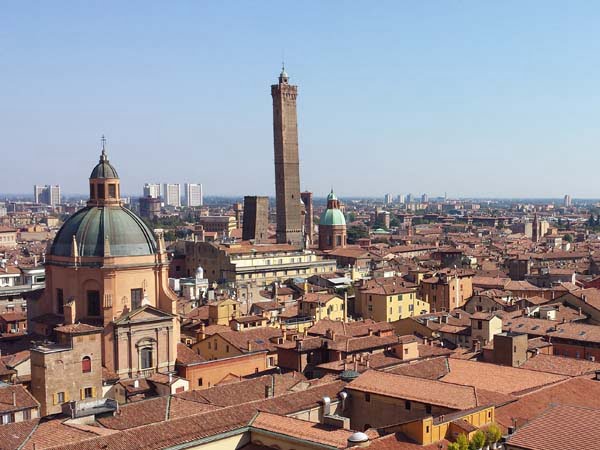
Catania is the city the volcano built. When the great earthquake of 1693 leveled eastern Sicily, Catania rebuilt itself in the one material it had in endless supply: the black lava of Mount Etna. The result is a baroque city like no other in Europe, its palaces and churches striped in dark volcanic stone and white limestone, a black-and-white theater set now protected as part of the UNESCO World Heritage listing of the late baroque towns of the Val di Noto.

Etna presides over all of it. The highest active volcano in Europe rises directly behind the city, visible down the arrow-straight length of Via Etnea, dusting the streets with ash some mornings and glowing quietly on winter nights. Catanesi speak of the mountain as a neighbor with moods, and living gracefully beside it has shaped the city’s fatalism, its energy, and its appetite for the present moment.

This is also Sicily’s city of appetite and music. The fish market roars behind the cathedral square each morning, pasta alla Norma was born in these kitchens, the composer Vincenzo Bellini was born in these streets, and vineyards on the volcano’s slopes produce wines the world now seeks out. Our specialists have planned Catania many hundreds of times, and this guide distills what those years have taught us.

Use it to shape your thinking, then let us shape the trip. Every Catania itinerary we design is composed from what you tell us, hand selected experience by experience, never assembled from a predefined package.

What Is the Geography and Climate of Catania?

Catania sits on Sicily’s eastern coast, facing the Ionian Sea from the broad bay between Mount Etna to the north and the fertile Plain of Catania to the south. The city occupies land the volcano made: lava flows reached the walls in 1669 and pushed the coastline itself outward, which is why Castello Ursino, built as a seafront fortress, now stands several blocks inland. To the south stretches the largest plain in Sicily, thick with citrus groves that produce the island’s celebrated blood oranges.

The coast changes character within minutes of the center. South of the port runs La Playa, a long sandy shore backed by pine groves, while north of the city the lava meets the sea in the black rock coves of San Giovanni li Cuti and Ognina, and then the Riviera dei Ciclopi around Aci Castello and Aci Trezza, where basalt sea stacks rise straight from the water.

The climate is among the most generous in Italy. Summers are hot, dry, and made for the coast, winters are short and mild with snow visible on Etna’s summit while lemons ripen in town, and spring and autumn offer weeks of warm, clear days ideal for both the city and the mountain. Etna makes its own weather above roughly 6,000 feet, so a summer ascent can begin in sunshine and end in alpine wind, a contrast travelers find unforgettable.

Etna itself earned its own UNESCO World Heritage inscription in 2013, recognized as one of the most active and closely studied volcanoes on earth. Rising to roughly 11,000 feet, it is tall enough to hold snow through spring while blood oranges ripen in the groves below, a contrast that defines the Catania landscape. Those oranges, the tarocco, moro, and sanguinello varieties, owe their crimson flesh to the sharp temperature swings between the volcanic slopes and the warm plain, one more way the mountain writes itself into daily life.

When Is the Best Time of Year to Visit Catania?

Spring and autumn are the connoisseur’s seasons. From April through June the city is warm without the full heat of summer, Etna’s lower slopes are green, and the light on the baroque facades is at its finest. September and October add the grape harvest on the volcano, when the contrade of Etna hum with the vendemmia and cellar doors open onto working estates, and the sea remains warm enough for swimming well into October.

February belongs to Sant’Agata. For three days in early February, Catania stages one of the largest religious festivals in the world in honor of its patron saint, filling the streets with candlelit processions, towering candelore, and hundreds of thousands of devotees. Experiencing it well requires vantage points and timing arranged in advance, and for travelers drawn to authentic spectacle there is nothing else like it in Italy.

When we plan a Catania itinerary, your dates become an instrument. We schedule Etna ascents for the clearest morning windows, time market visits for the days when the Pescheria is at full voice, align winery days with what the vineyards are actually doing, and reserve festival experiences months ahead. The season you travel should shape the trip you take, and designing that alignment is precisely our work.

Summer earns its devotees too. July and August belong to the coast, when the city migrates to the lidos of La Playa and the lava coves of the Riviera dei Ciclopi, evening life stretches past midnight, and an ascent of Etna offers cool mountain air above the heat. Travelers who pair beach mornings with baroque evenings find high summer in Catania entirely persuasive.

How Many Days Should You Spend in Catania?

A first meaningful encounter with Catania wants three to four days: one for the baroque center, from Piazza del Duomo and the fish market through Via dei Crociferi and the Benedictine monastery, one full day for Mount Etna, and a third for the Cyclops coast or a winery day on the volcano’s slopes. That rhythm, city mornings and mountain or sea afternoons, is the essential Catania experience.

The city also serves beautifully as a base for eastern Sicily. Taormina, Syracuse, and the baroque towns of the Val di Noto all sit within comfortable day-trip range, which means a five to seven day stay based in Catania can gather much of what draws travelers to the island’s east into a single unpacked suitcase.

Because every Trips 2 Italy itinerary is built by hand, we weigh your interests and the other destinations in your Sicilian journey, then give Catania the space it deserves rather than the space a standard package allows. Travelers who love markets, volcanoes, and living cities tend to want more time here than they expected.

Which Areas and Landmarks Anchor a Visit to Catania?

Piazza del Duomo is the city’s stage. At its center stands u Liotru, the lava-stone elephant that is Catania’s symbol, raised on its fountain in 1736 by Giovanni Battista Vaccarini, the architect who gave the rebuilt city its face. Around it gather the Cathedral of Sant’Agata, built above Roman baths and holding Bellini’s tomb, the Amenano fountain where an underground river surfaces in a sheet of water, and, just behind, the roaring theater of La Pescheria fish market.

From the piazza, Via Etnea runs straight toward the volcano for nearly two miles, the city’s great promenade of shops, cafes, and baroque churches. A block west, Via dei Crociferi concentrates four extraordinary churches within a few hundred feet, the purest baroque street in Sicily, and beyond it rises the Benedictine Monastery of San Nicolo l’Arena, one of the largest monasteries in Europe and now the university’s humanities faculty.

The medieval and ancient city persists beneath and between the baroque. Castello Ursino, the thirteenth-century fortress of Frederick II, houses the civic museum, the Greek-Roman theater hides behind ordinary house fronts on Via Vittorio Emanuele, and the ruins of a Roman amphitheater open dramatically in the middle of Piazza Stesicoro. Catania rewards travelers who look down as often as up.

Round out the essential list with the Teatro Massimo Bellini, the gilded opera house inaugurated in 1890, and the Giardino Bellini, the elegant public garden off Via Etnea whose terraces frame the volcano above the rooftops. Between them, the streets themselves are the attraction: balconied palazzi in black and white stone, courtyards glimpsed through carriage doors, and the city’s famous energy flowing around it all.

How Do You Get Around Catania and Its Coast?

Catania is eastern Sicily’s natural gateway, with the island’s busiest airport minutes from the center, and how you move once you land shapes the whole trip. Within the historic core, everything worth seeing is reached on foot: the baroque center is compact, flat, and made for walking, from the cathedral square to the monastery in an unhurried half hour.

For everything beyond the center, we arrange private drivers who know the territory intimately: the mountain roads to Etna’s cable car and crater trails, the coastal lanes of Aci Trezza and Aci Castello, and the winery routes through the volcano’s contrade, where an afternoon tasting should never depend on who is driving. A driver turns Etna in particular from a logistical puzzle into a seamless day.

Every transfer in a Trips 2 Italy itinerary is arranged in advance and supported around the clock, from the moment you land at Fontanarossa to the morning you depart. In a city whose finest experiences climb a volcano and trace a coastline, thoughtful logistics are not a detail. They are the difference between seeing Catania and being carried through it.

How Do We Weave Catania Into a Complete Sicilian Itinerary?

Catania anchors the eastern half of almost every well-made Sicilian journey. It pairs naturally with Taormina’s terraces above the sea, Syracuse’s Greek splendor, and the honey-colored baroque towns of Noto and Ragusa, while Palermo and Agrigento balance the itinerary in the island’s west. Arriving through Catania and departing from Palermo, or the reverse, lets a single journey read the whole island without retracing a mile, and we sequence those movements so each city arrives as a fresh chapter.

The occasion shapes the composition. For travelers who plan around the table, Catania’s markets and Etna’s cellars can carry an entire wine and culinary journey. For families, the volcano, the castles, and the Cyclops legends make history feel like adventure on an Italian family vacation. And for those composing something larger, Catania becomes a movement in a custom trip to Italy designed entirely from what you tell us.

This guide is one of five we have written on the city. Continue with our Catania culture guide, Catania history guide, Catania food and wine guide, and Catania things to do guide, or widen the lens with our complete Sicily travel guide.

Ready to Begin Planning Your Catania Vacation?

Catania deserves more than a template. Since 2003, Trips 2 Italy has designed private Italian vacations one traveler at a time, hand selecting every experience based on what you tell us rather than fitting you into a predefined package. Our Italian-born team plans Catania with the knowledge of people who call Italy home, from the baroque facades of Via dei Crociferi to the vineyards climbing Etna’s slopes, and we remain at your side throughout your trip with 24/7 assistance. Tell us how you imagine Catania, and we will craft the itinerary that matches it.

Explore Our Catania Vacation Itineraries

Frequently Asked Questions About Traveling to Catania

Spring and autumn offer the finest balance: warm clear days for the baroque center, green or harvest-season slopes on Etna, and a swimmable sea into October. Early February brings the Festival of Sant’Agata, one of the largest religious celebrations in the world, and summer belongs to the coast. The specialists at Trips 2 Italy align your dates with what the city and the volcano do best in that season.

Three to four days allows a meaningful first visit: one for the baroque center and fish market, one full day on Mount Etna, and one for the Cyclops coast or the volcano’s wineries. Catania also serves as an ideal base for eastern Sicily, so five to seven days opens Taormina, Syracuse, and the Val di Noto as day trips.

It is the natural gateway to the island’s east. Sicily’s busiest airport sits minutes from the center, and Taormina, Syracuse, Noto, and Mount Etna are all within comfortable reach. We often design itineraries that pair a Catania base for the east with Palermo or Agrigento for the west, so one journey reads the whole island.

Yes, with the right arrangements. Etna is closely monitored, access levels adjust with the volcano’s activity, and ascents to the upper zones are made with authorized volcanological guides. Trips 2 Italy arranges Etna days with expert guides and private transport, timed to weather and current conditions, so travelers experience the summit zones both safely and memorably.

Compact, flat, and theatrical. The center rebuilt after the 1693 earthquake is a UNESCO-listed ensemble of black lava and white limestone baroque, anchored by Piazza del Duomo and the elephant fountain, the straight volcanic vista of Via Etnea, the church-lined Via dei Crociferi, and one of Europe’s largest monasteries. Everything is comfortably reached on foot.

Not within the city, where the historic core is best explored on foot. For Etna, the Cyclops coast, wineries, and day trips, we arrange private drivers who know the mountain roads and coastal lanes intimately, so every tasting can be enjoyed and every transfer is handled in advance and supported around the clock.