Tucked away in the northeastern corner of Italy is Friuli Venezia Giulia. While the region is the fifth smallest in all of Italy at just five thousand square miles, the robust population of more than one million inhabitants is a strong sign of the area’s thriving economy. Despite its economic strengths, the diverse and largely wild landscaping of the region is often what draws visitors. Friuli Venezia Giulia boasts a magnificent view of the Adriatic Sea on its southern border, the country of Austria on its northern border, the country of Slovenia on its eastern border, and the Italian region of Veneto on its western border. It is one of only four other countries with the distinguished status of Region with a Special Statute which allows for administrative autonomy. Even as one of the smallest regions, Friuli Venezia Giulia has four provinces: Trieste which is the regional capital, Pordenone, Gorizia, and Udine.
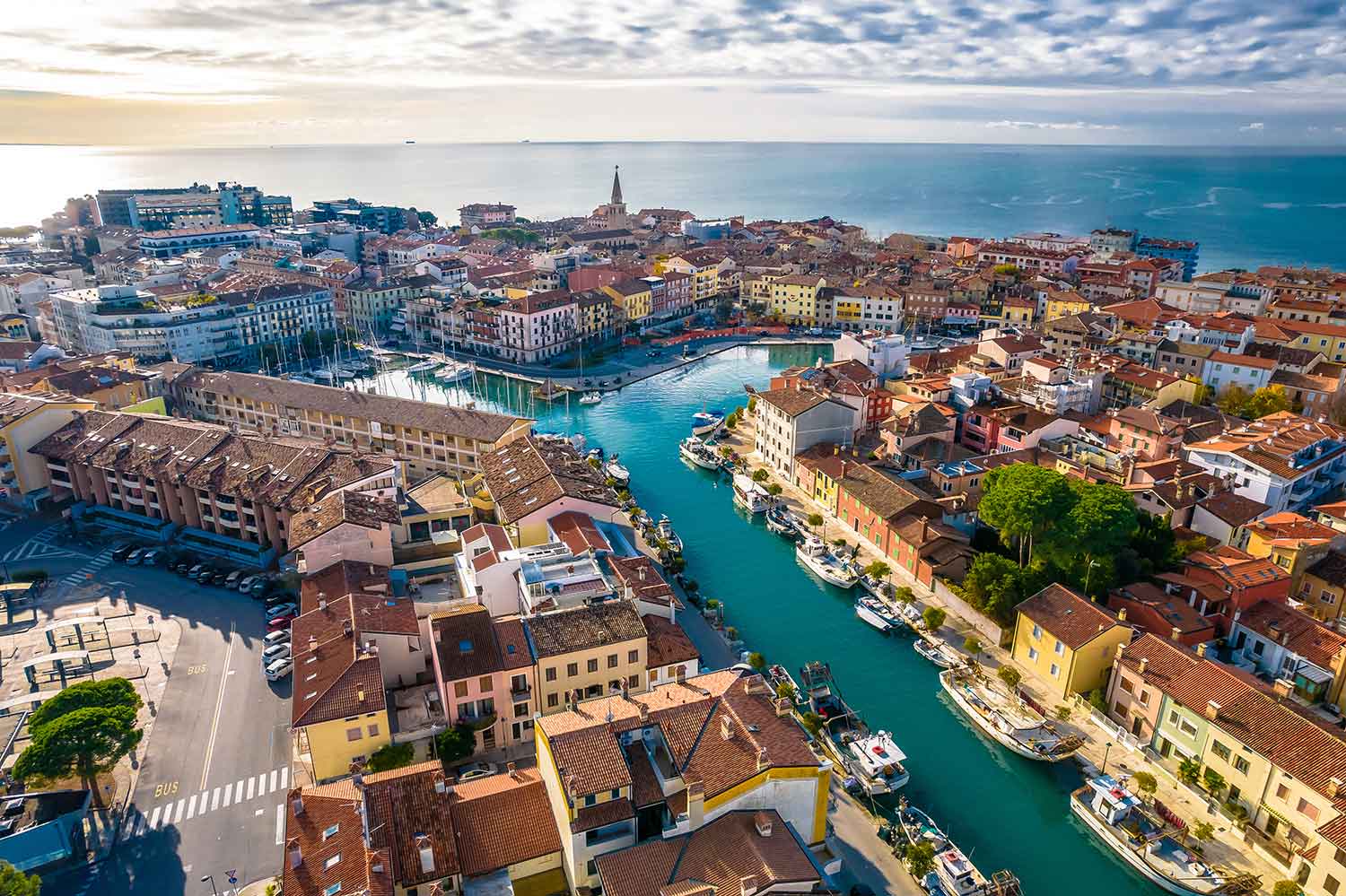
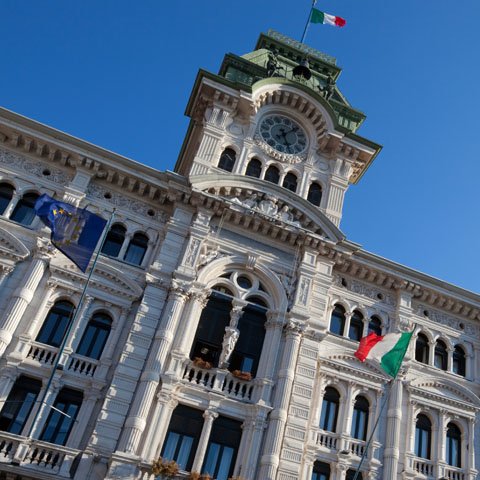
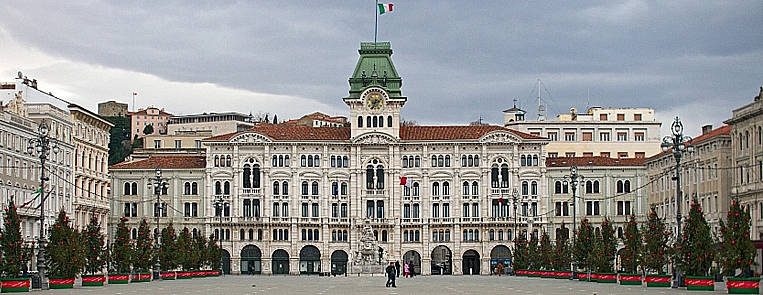
The Province of Trieste offers gorgeous views of the gulf and is found on a narrow strip of land between the Adriatic Sea and the Slovenia border. The area is rich with European culture and is home to various historic treasures and artwork. The Province of Pordenone is on the region’s western border next to Veneto and lies nestled among an impressive craggy mountain range that sustains fresh springs and rivers. This province beautifully combines the Friuli, Austrian, and Venetian influences in culture, tradition, and even cuisine. The Province of Gorizia is commonly known for its pristine natural environment in which the Grado lagoon is located. The area is so well suited for flourishing wildlife that visitors can find both rare birds and wild horses in the Valle Cavanata and Foce dell’Isonzo Nature Reserves. Vineyards and wineries flourish in this province. The Province of Udine covers much of the Mideast area of the region and offers visitors everything from excellent mountain top skiing to the beach at Lignano Sabbiadoro. The province is heavily wooded and home to a wide scope of wildlife as well as gorgeous and colorful displays of Mother Nature.
Italian is the official language of the region, however Friulian and some other dialects can be heard throughout. With one of the more developed economies in Italy and a dedication to agriculture, it is no surprise the region has numerous agricultural exports including vegetables, cheese, fruits, soy, cured ham, and wine. Local craftsmanship also gives a boost to the flourishing economy with the creation of high quality fabrics, wooden sculptures, carved furniture, mosaics, ceramics, wrought iron and copper, and string instruments.
Friuli Venezia Giulia cuisine is highly reflective of its heritage and environment. Pasta in the form of lasagna, gnocchi, and various filled pastas are a staple on almost any menu in the region. Specialty breads and soups are traditional appetizers and are commonly served with stewed meats, prosciutto, or seafood fresh from the Adriatic Sea.