Marche Travel Guide

HOME » POPULAR ITALIAN DESTINATIONS » ITALIAN TRAVEL GUIDES BY REGION » MARCHE TRAVEL GUIDE

Marche Travel Guide        Culture        History        Food and Wine        Things to Do        Plan My Trip

What Makes Marche One of Italy's Best Kept Secrets?

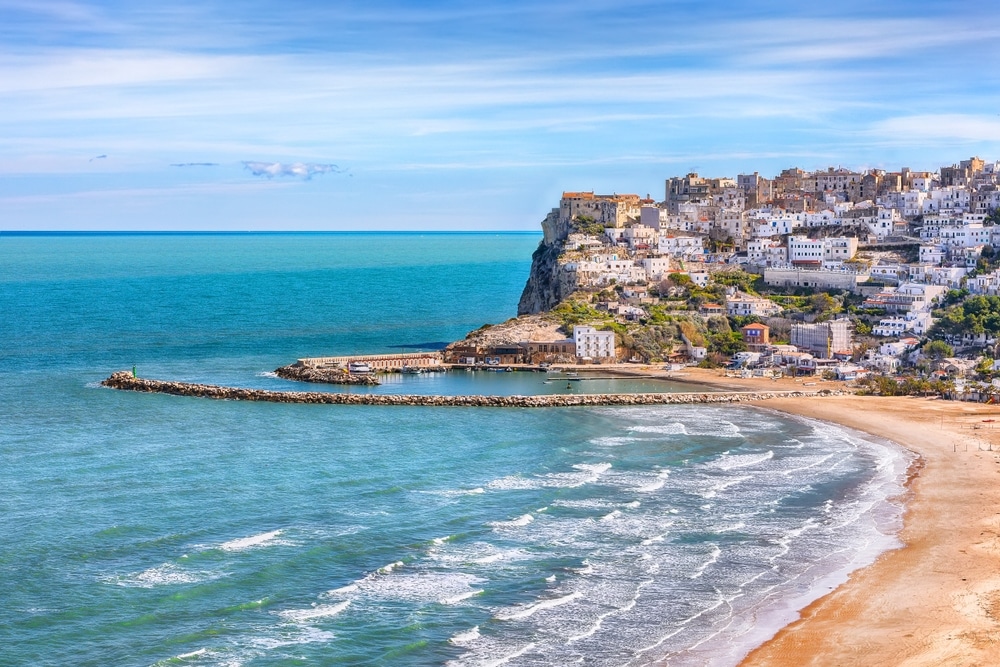
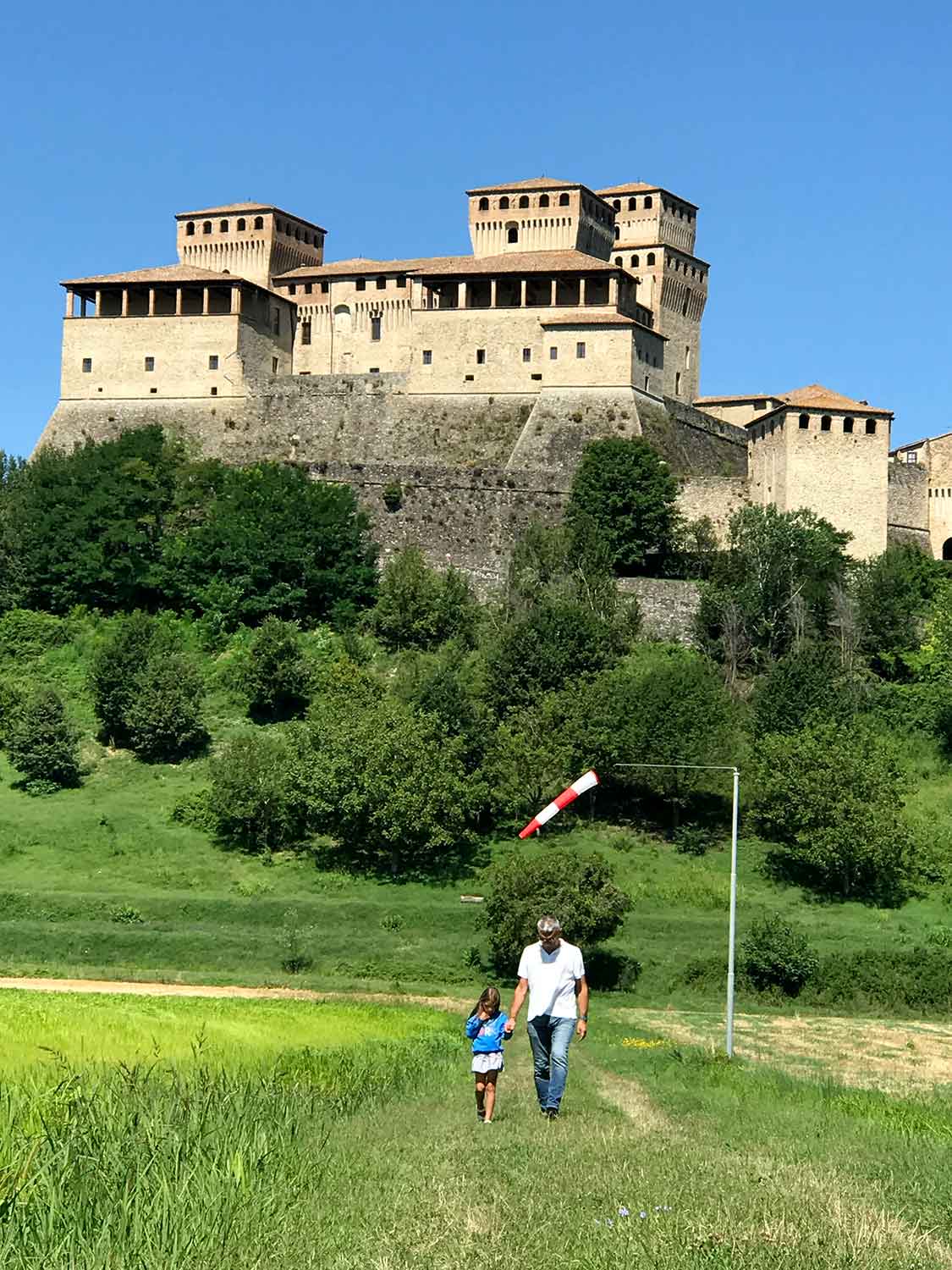
Perched along Italy’s eastern Adriatic coast, Marche is a region that seamlessly blends dramatic coastal landscapes with verdant rolling hills and ancient mountain ridges. Unlike its more famous neighbors, Marche has remained delightfully off the mainstream tourist path, offering visitors an authentic slice of Italian life. The region derives its name from the medieval term “marca,” referring to a border territory, a heritage reflected in its hundreds of medieval fortresses, Renaissance palaces, and centuries-old villages that dot the countryside.

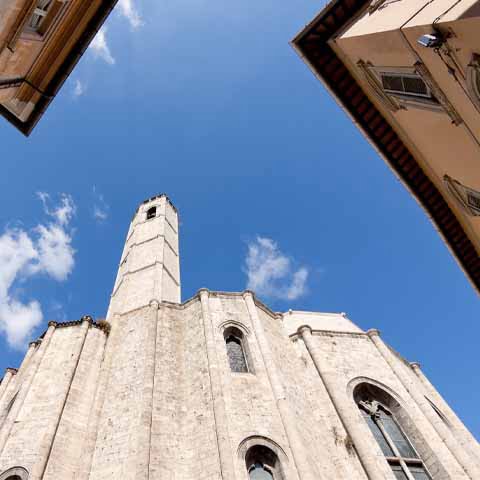
With over 1,000 catalogued monuments and more than 300 libraries scattered throughout its provinces, Marche functions as an open-air museum of Italian cultural wealth. From Romanesque churches and Gothic cathedrals to aristocratic villas and baroque chapels, the architectural heritage here rivals regions that attract millions of visitors annually. The region’s commitment to preserving its cultural roots has resulted in remarkably well-maintained historic centers where Renaissance frescoes still grace chapel walls and medieval towers still guard ancient piazzas.

What truly sets Marche apart is its balance. You’ll find sophisticated art and culture in charming university towns, yet also unspoiled beaches, dramatic natural parks, and authentic agritourism experiences where family recipes have been passed down for generations. This is Italy at its most genuine, where travelers can experience the country’s depth without the crowds.

Where Is Marche and What Is the Geography Like?

Marche is administratively divided into five provinces: Ancona (the regional capital), Ascoli Piceno, Fermo, Macerata, and Pesaro e Urbino. This geographic fragmentation reflects the region’s complex history, but it also means visitors will find distinct character and identity within each province. The landscape itself tells the story of geological diversity, with the Apennine Mountains dominating the western side of the region, while gentler hills gradually descend toward the Adriatic coastal plain to the east.

The region’s topography creates spectacular scenic contrasts. Mount Vettore, standing at 2,476 meters, marks the highest point and anchors the dramatic Mount Sibillini range, famous for its otherworldly beauty and ecological significance. Beyond the mountains, crystalline rivers and streams carve through limestone valleys, creating natural formations like the breathtaking Frasassi Caves near Genga. The Adriatic coastline stretches for approximately 173 kilometers, offering both sandy beaches and rocky promontories, most famously the white limestone cliffs near Monte Conero near Ancona.

Marche enjoys a temperate Mediterranean climate moderated by its elevation and coastal proximity. Summers are warm but rarely oppressive, while winters are mild with occasional snow in the mountains. This pleasant climate, combined with the region’s geographic diversity, makes Marche an appealing destination across all seasons, though late spring and early autumn offer the most ideal conditions for exploration.

What Should You Experience When Visiting Marche?

The Sibillini Mountains National Park is a must-visit destination within Marche, offering some of central Italy’s most pristine alpine scenery. The park encompasses nearly 70,000 hectares of protected landscape where visitors can trek through wildflower meadows, explore beech forests, and summit panoramic peaks. The region’s dramatic plateaus and hidden valleys create a sense of timelessness that captivates hikers and nature enthusiasts. For birdwatchers, Marche is exceptional terrain; the park is home to the royal eagle, royal owl, and peregrine falcon, along with numerous other raptors that ride the mountain thermals.

Wine lovers will find Marche’s vineyards a revelation. The region produces world-class wines that remain underappreciated internationally, offering exceptional value and authenticity. Rosso Conero, a bold red blend from the Ancona area, has gained recognition for its depth and complexity. Rosso Piceno, produced in the southern provinces, offers elegant characteristics at approachable price points. Verdicchio, a distinctive white with citrus and mineral notes, represents the region’s signature grape and pairs beautifully with local seafood. Many wineries welcome visitors for tastings in intimate, family-run settings.

Beyond nature and wine, Marche’s cultural treasures demand exploration. The Frasassi Caves, situated near Genga in the province of Ancona, rank among Europe’s most remarkable underground formations, with stalactite-filled chambers of astonishing scale. In the Urbino province, the Palazzo Ducale stands as one of the Renaissance’s finest architectural achievements, a UNESCO World Heritage site that once housed one of Italy’s most important humanist libraries. The harmonious blend of natural wonders and cultural monuments makes Marche an ideal destination for travelers seeking both adventure and inspiration.

Explore Our Marche Vacation Itineraries

Frequently Asked Questions About Marche

What is the best time to visit Marche?

Late spring (May to June) and early autumn (September to October) offer ideal conditions for visiting Marche. During these months, temperatures are moderate, rainfall is minimal, and the landscape is vibrant. Summer months (July-August) are warm and perfect for beach activities, though coastal areas become more crowded. Winter is mild and suited for exploring art and cultural sites with fewer tourists, making it an excellent choice for those seeking quieter experiences.

How do you get to Marche from Rome or other major Italian cities?

From Rome, Marche is readily accessible via train or car. Direct trains run to Ancona (about 3.5-4 hours) and Pesaro, while buses offer budget-friendly alternatives. Driving provides flexibility to explore smaller villages; the A14 motorway connects Rome to the Adriatic coast. From Florence, the journey takes approximately 2.5 hours by car or train to reach the northern Marche region. Regional trains efficiently connect different cities within Marche, making it easy to explore multiple destinations during your visit.

Is Marche suitable for family vacations?

Marche is exceptionally family-friendly, offering diverse activities that appeal to all ages. Beaches and seaside resorts provide relaxation and water activities, while the Frasassi Caves and Sibillini Mountains offer adventure and exploration. Historic towns like Urbino and Ascoli Piceno feature manageable walkable centers with fascinating architecture and art. Farm stays and agritourism experiences introduce children to regional cooking and traditions. The region’s slower pace, good food, and welcoming locals create an ideal environment for families seeking cultural experiences without excessive crowds.

What are the must-see attractions in Marche?

Essential attractions include the Palazzo Ducale in Urbino, a Renaissance masterpiece and UNESCO World Heritage site; the Frasassi Caves, among Europe’s most spectacular underground formations; and the Sibillini Mountains National Park for hiking and wildlife viewing. Ancona’s Cathedral of San Ciriaco offers stunning coastal views and Byzantine-influenced architecture. Don’t miss Ascoli Piceno’s Piazza del Popolo, considered one of Italy’s finest medieval squares, and the Conero Riviera for its dramatic limestone cliffs. For art enthusiasts, the Pinacoteca Civica in Ascoli Piceno showcases remarkable collections of local masterworks.

What is the local cuisine of Marche known for?

Marche’s cuisine reflects its geographic blend of sea and mountains. Brodetto, a distinctive fish stew, represents the coastal culinary tradition with regional variations in each port town. Vincisgrassi, a baked pasta dish layered with ragù and béchamel, showcases the region’s inland heritage. Fresh seafood features prominently, including brodino and spaghetti alle vongole. Mountain areas offer wild boar, truffle-based dishes, and pecorino cheese. The region’s signature white wine, Verdicchio, perfectly complements local dishes. Polenta and legumes feature in hearty winter preparations, while spring brings fresh vegetables and artichokes that highlight the region’s agricultural diversity.

How many days should you spend in Marche?

A minimum of 4-5 days allows you to experience Marche’s highlights without rushing. This timeframe permits a visit to one or two major cities plus surrounding attractions. For a more comprehensive experience encompassing multiple provinces, cultural sites, natural areas, and leisurely meals, 7-10 days is ideal. This duration allows time to explore Urbino and Ascoli Piceno properly, hike in the Sibillini Mountains, visit the Frasassi Caves, and relax on the Adriatic coast. Travelers with limited time should focus on one region and its immediate surroundings rather than attempting to cover the entire area quickly.