Discover Puglia, Matera & Basilicata: Southern Italy’s Greatest Untold Story For Your Italian Family Vacation
Picture this: Your family gathered around a long wooden table, the kind laden with hand-shaped orecchiette pasta, platters of burrata so fresh it gleams, and a bottle of local Primitivo catching the golden hour light. Outside the window, whitewashed trulli houses dot the hillside like something from a fairy tale. Later that week, you’ll stand at the edge of a ravine so ancient that civilizations have come and gone within its walls, watching your children’s jaws drop at a city carved entirely from stone. This isn’t a dream. This is a summer in southern Italy’s most extraordinary corner, Puglia, Matera, and Basilicata.
Whether you’re planning a milestone family vacation, celebrating a graduate, or treating the grandchildren to the trip of a lifetime, this three-region journey delivers something money truly cannot manufacture: wonder. The kind that makes teenagers put down their phones. The kind that grandparents talk about for years. The kind that quietly, permanently, changes how you see the world.
And here’s the best-kept secret in European travel: it’s still largely undiscovered by mass tourism. Not for long.
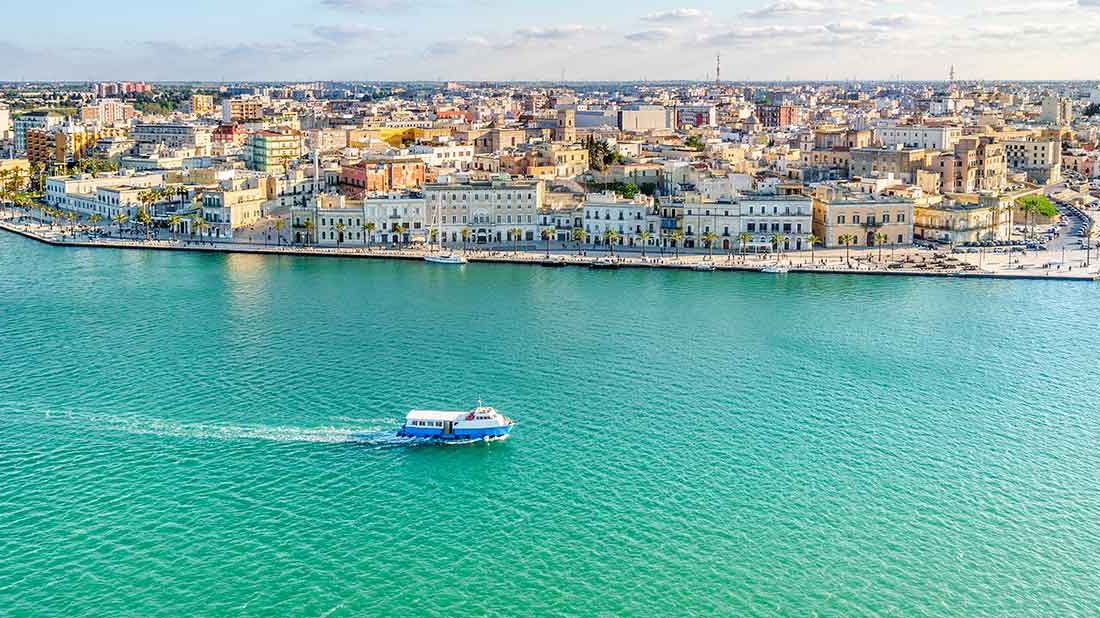
Puglia: Italy's Sun-Drenched Heel
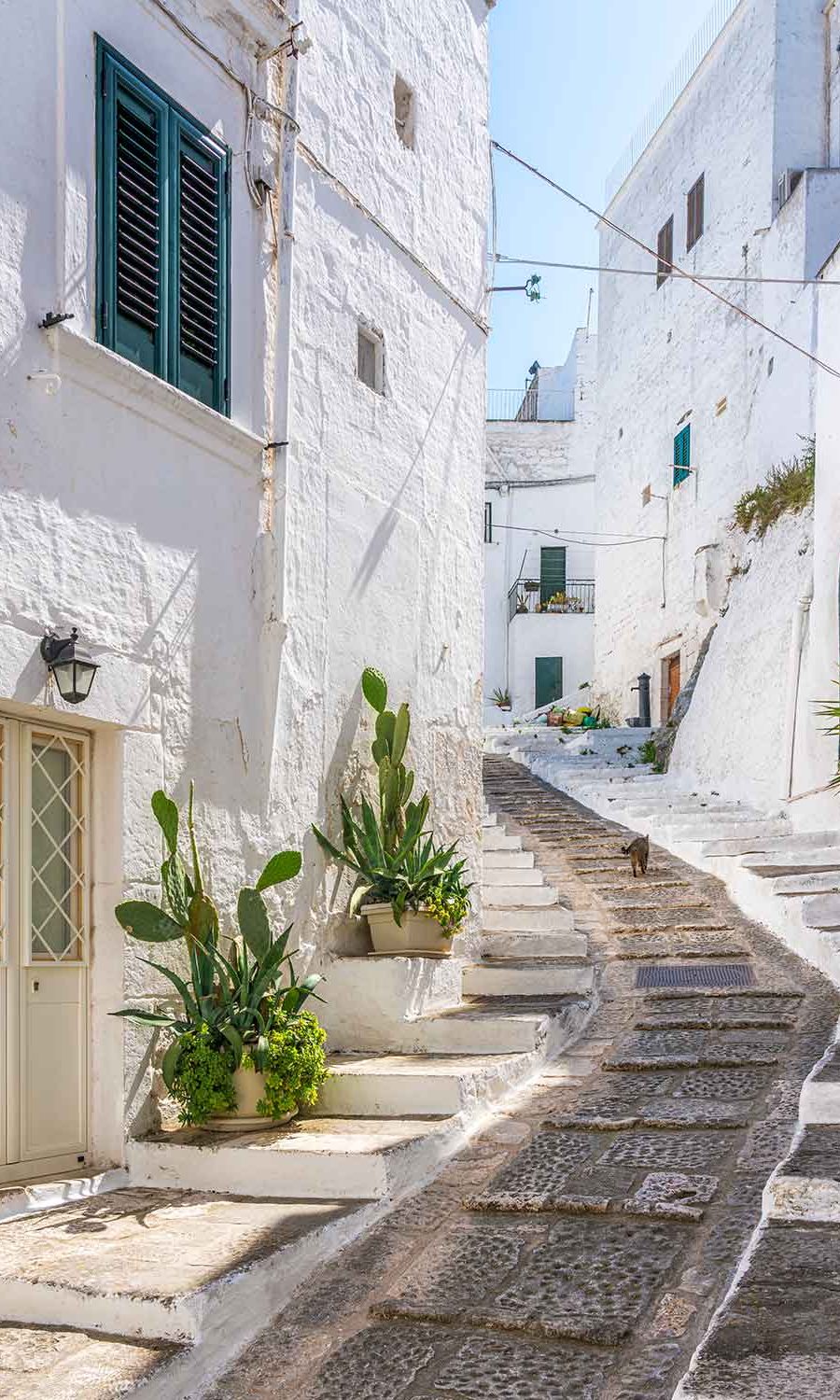
Stretching down the length of Italy’s boot like a spur of pure gold, Puglia (also known as Apulia) is a region of staggering contrasts. Rocky coastlines tumble into water so blue it barely seems real. Medieval hilltop towns give way to ancient olive groves, some trees over 2,000 years old, their gnarled trunks twisted like sculptures. And everywhere you look, the architecture tells stories going back thousands of years.
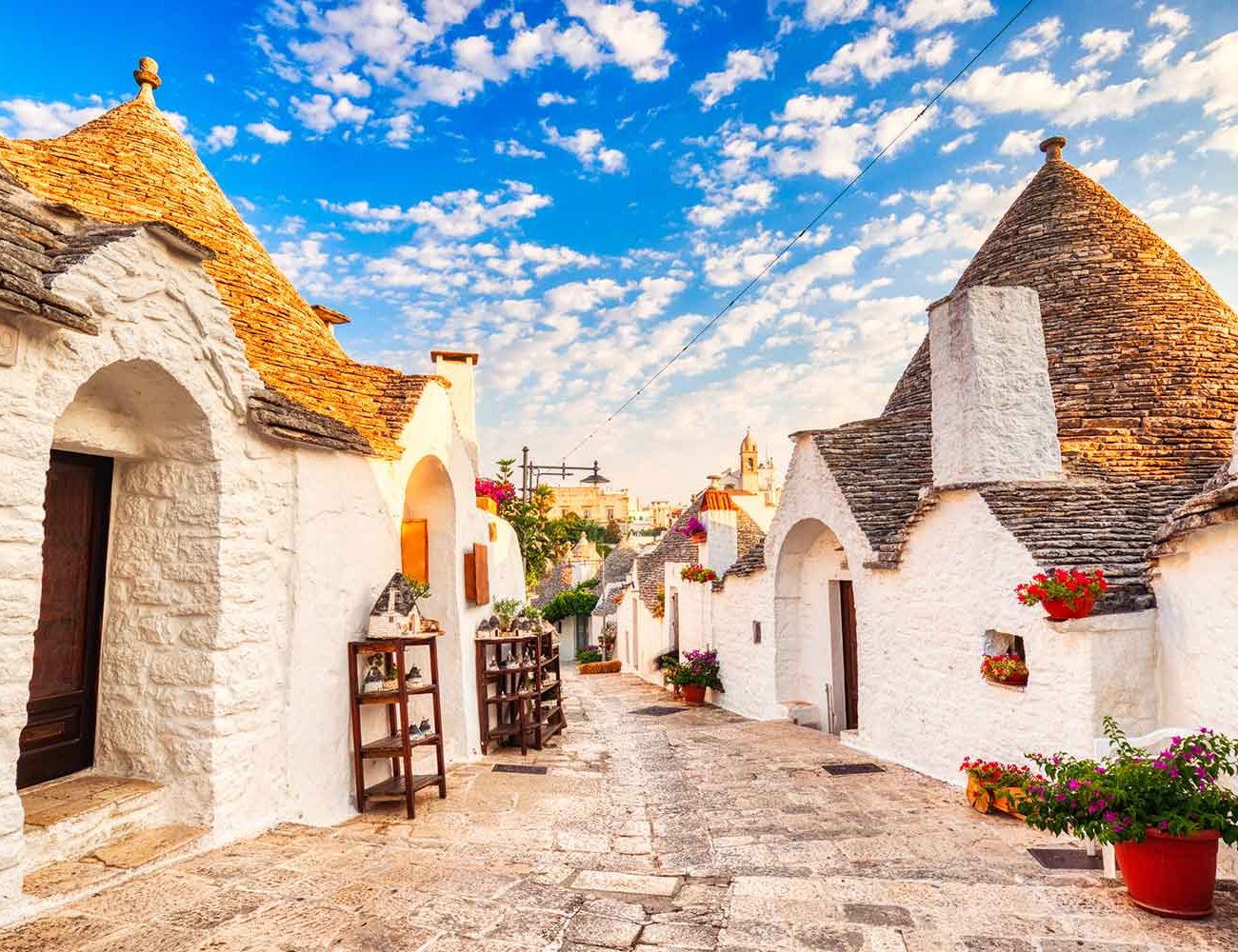
No image of Puglia is more iconic than Alberobello‘s trulli, the unique circular limestone dwellings topped with conical grey rooftops, found nowhere else on Earth. A UNESCO World Heritage Site, the town looks like it was lifted from the pages of a storybook, and children and adults alike are completely enchanted. Stroll the narrow lanes, peer into restored trullo interiors, and learn the legend of how locals built their homes with removable rooftops to avoid taxation by the Kingdom of Naples. Your family’s camera rolls will thank you.
Polignano a Mare
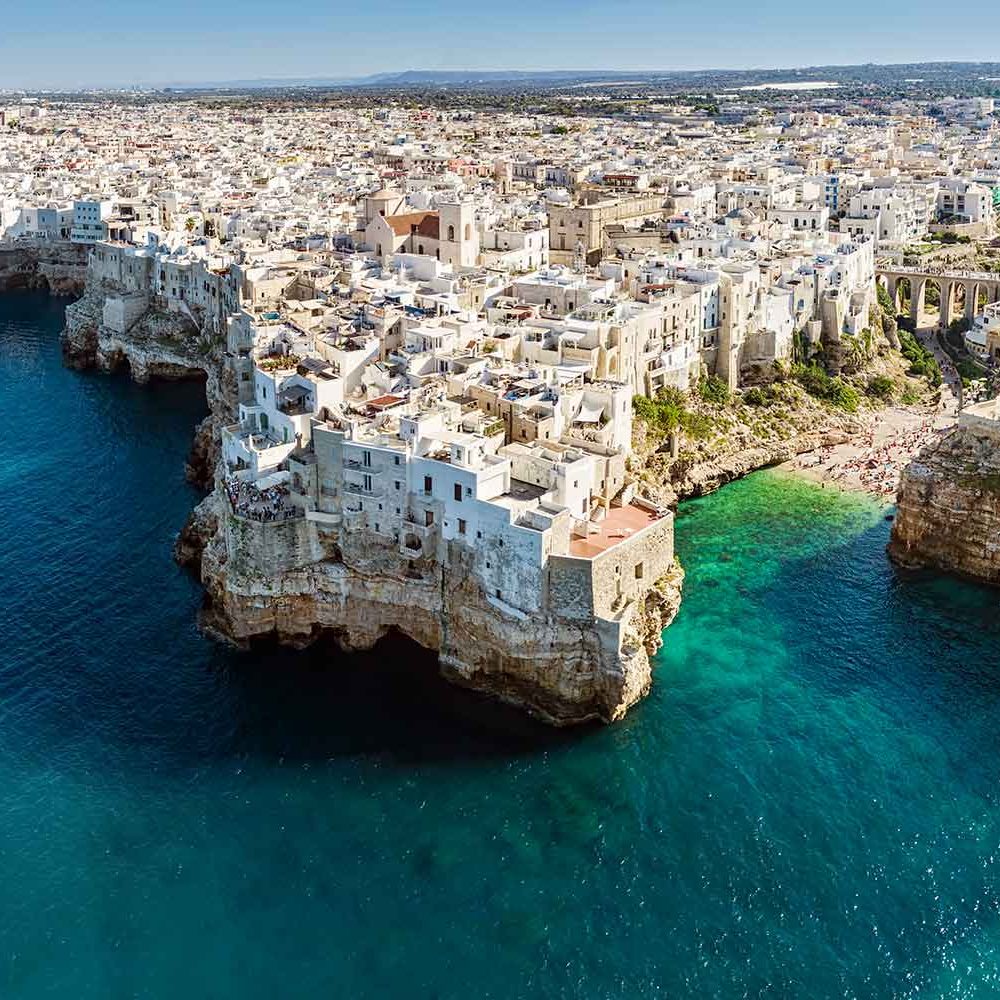
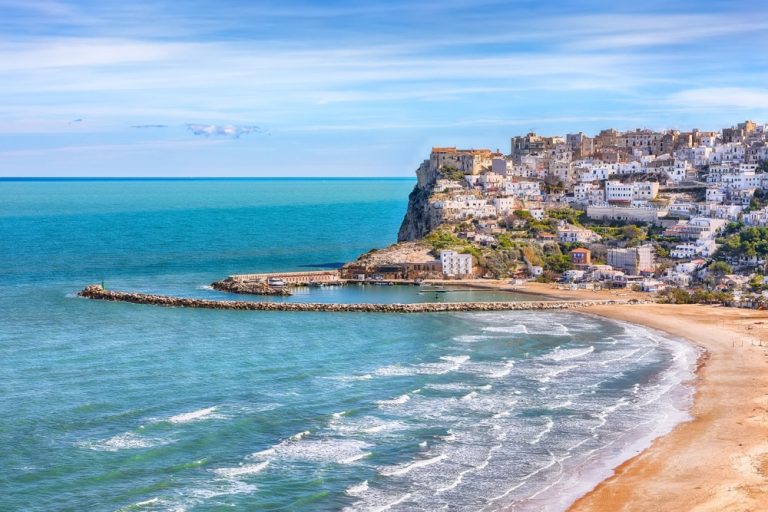
Perched dramatically on chalky white cliffs above the Adriatic Sea, Polignano a Mare is the kind of town that makes you stop mid-sentence and simply stare. The old town hangs over the edge of the cliff, framing views of natural sea caves and turquoise water below. Every June, the town celebrates the Feast of San Vito Martire, a festive, family-friendly patron saint celebration with street food, music, and local color. Swim in the coves, eat gelato on the cliffside promenade, and let the sea air do its work. And if the name rings a distant bell, there is a reason: Polignano a Mare was the birthplace of Domenico Modugno, the Italian singer-songwriter who gave the world “Nel Blu Dipinto di Blu,” better known everywhere as Volare. His bronze statue stands in the main piazza, arms flung wide toward the sea and sky, as if he never stopped singing.
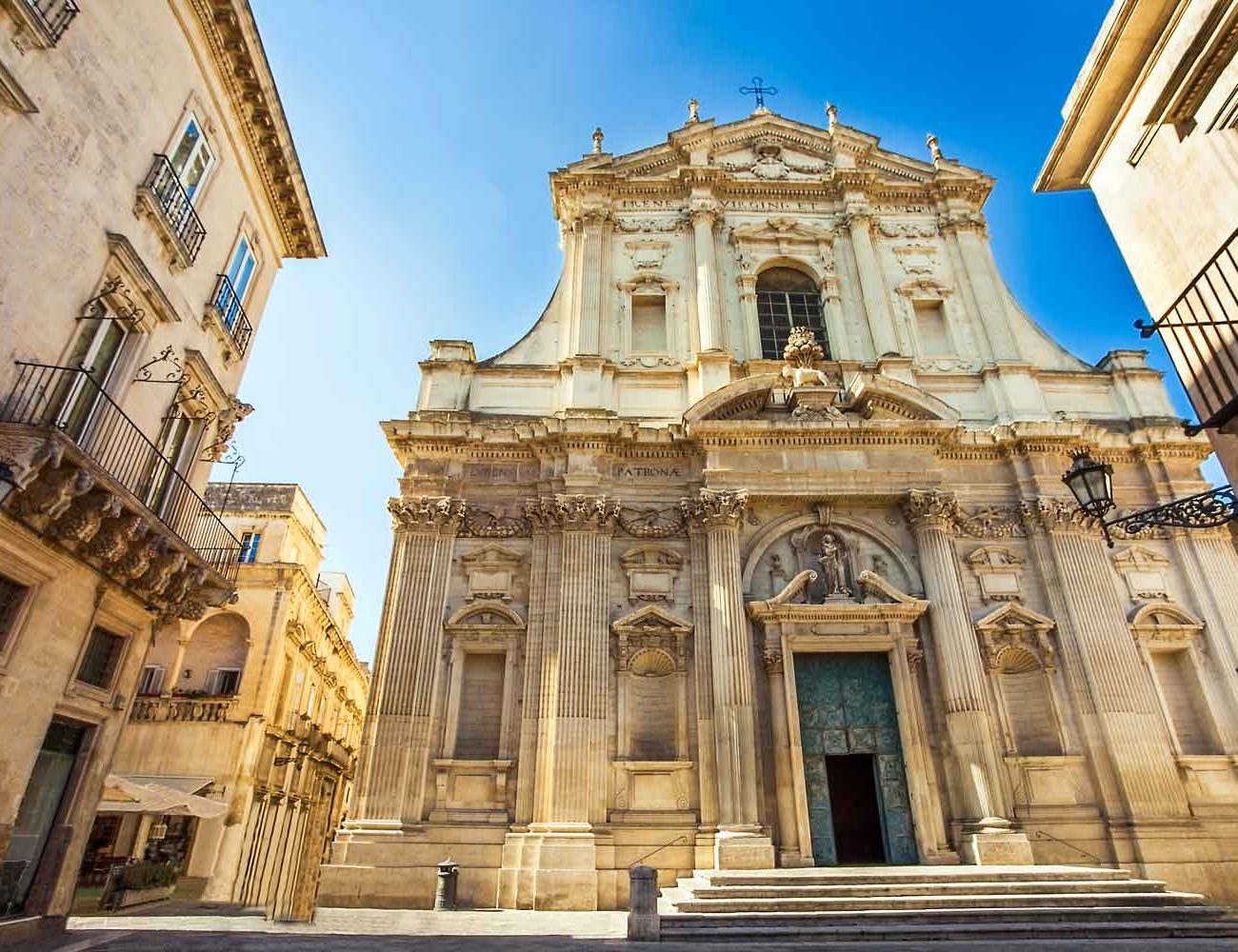
Called the “Florence of the South,” Lecce’s golden sandstone buildings are carved with such florid Baroque detail that simply walking its streets feels like touring an open-air museum. The historic center is gloriously pedestrian-friendly, ideal for families who want to wander, explore, and stumble into cool shaded piazzas for afternoon espresso and pasticiotti (Lecce’s iconic custard-filled pastries). The Lecce Film Festival, held in summer, adds a cultural buzz to this already vibrant city.
Salento: The Beach Paradise
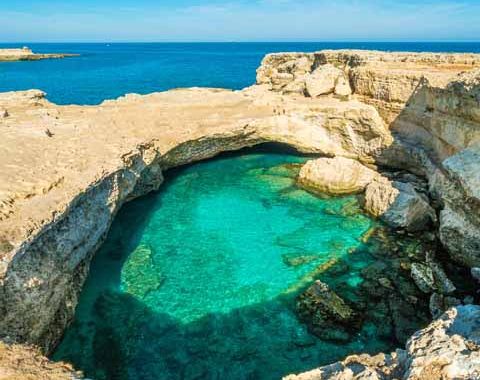
At the very tip of Italy’s heel lies the Salento peninsula, arguably the most beautiful stretch of coastline in the entire Mediterranean. The waters here are impossibly clear, alternating between turquoise and deep azure, lapping shores of fine white sand and smooth pink rock. Torre dell’Orso, Porto Cesareo, and Baia dei Turchi are just a few of the beaches that make Salento a paradise for families with young children and teens alike.
Otranto: Gateway to the East
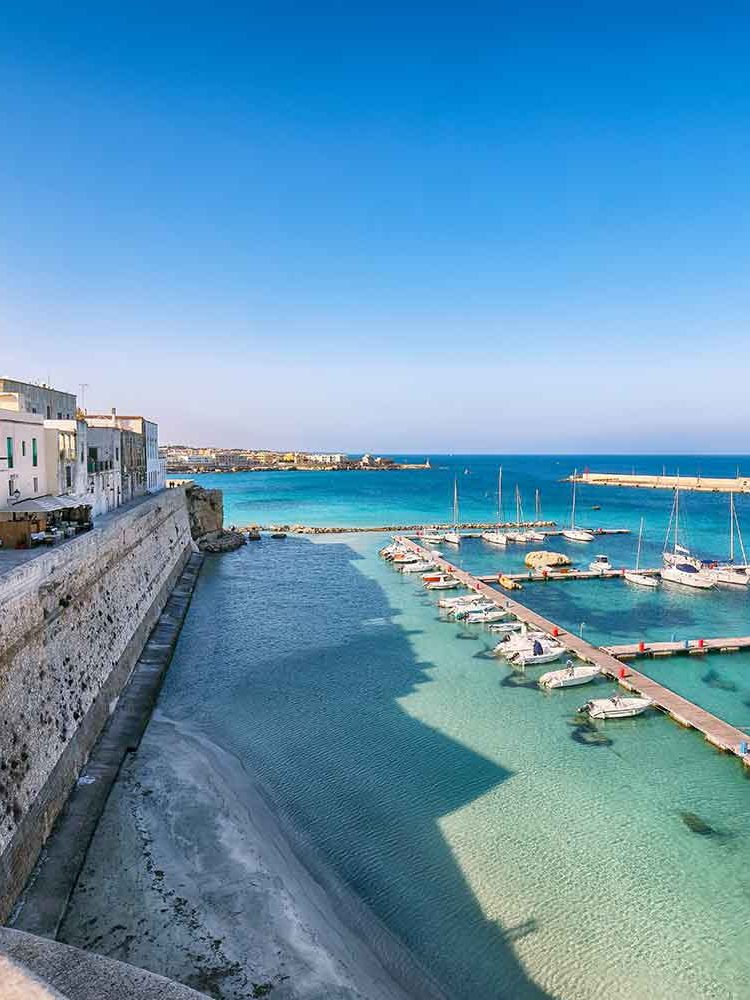
At the very tip of the Salento heel, where the Adriatic and Ionian seas come closest to meeting, sits Otranto, one of southern Italy’s most storied port cities and a place of extraordinary beauty and history. For families arriving by cruise ship, Otranto is a natural and spectacular shore excursion destination: compact enough to explore on foot in a few hours, yet rich enough to fill an entire day. The old town is a maze of whitewashed lanes ending at a magnificent Norman cathedral, home to one of the largest and most complete mosaic floors in Italy, a medieval Tree of Life covering the entire nave, depicting scenes from history, myth, and scripture in breathtaking detail. The 15th-century Aragonese castle looming over the harbour is equally impressive, and the views of the Albanian coast from the city walls on a clear day are genuinely unforgettable. Otranto’s beaches, particularly the turquoise waters of Baia dei Turchi, rank among the most beautiful in all of Puglia. For cruise passengers wanting a taste of the real southern Italy between ports, there is no better introduction.
The Castellana Caves: Italy’s Most Spectacular Underground World
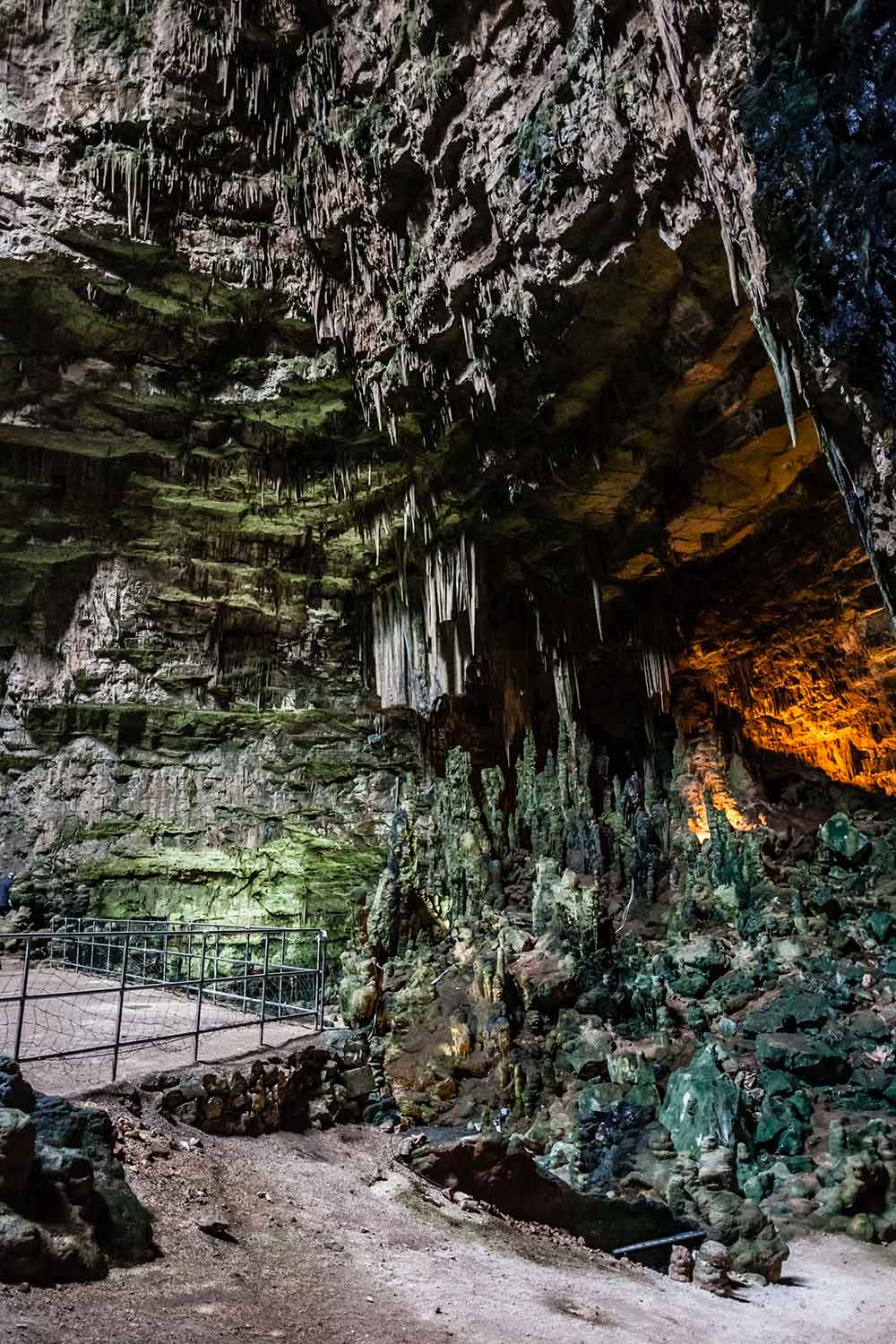
A short drive inland from both Bari and Polignano a Mare lies one of Italy’s most astonishing natural wonders: the Grotte di Castellana. Discovered in 1938 and stretching for over three kilometers beneath the Murge plateau, these limestone caves are a cathedral of stalactites and stalagmites so dramatic and otherworldly that they have been attracting visitors from across Europe for nearly a century. The highlight of any tour is the Grotta Bianca, the White Cave, where the formations are so densely packed and brilliantly white that they seem to glow. It is genuinely one of the most breathtaking natural spaces in all of Italy, and it photographs like another planet entirely. For families, it is an absolute highlight: cool, dramatic, accessible, and the kind of place that makes children and grandparents equally wide-eyed. Guided tours run year-round, making it a perfect addition to any Puglia itinerary regardless of season.
Altamura: Where Bread Is a Way of Life
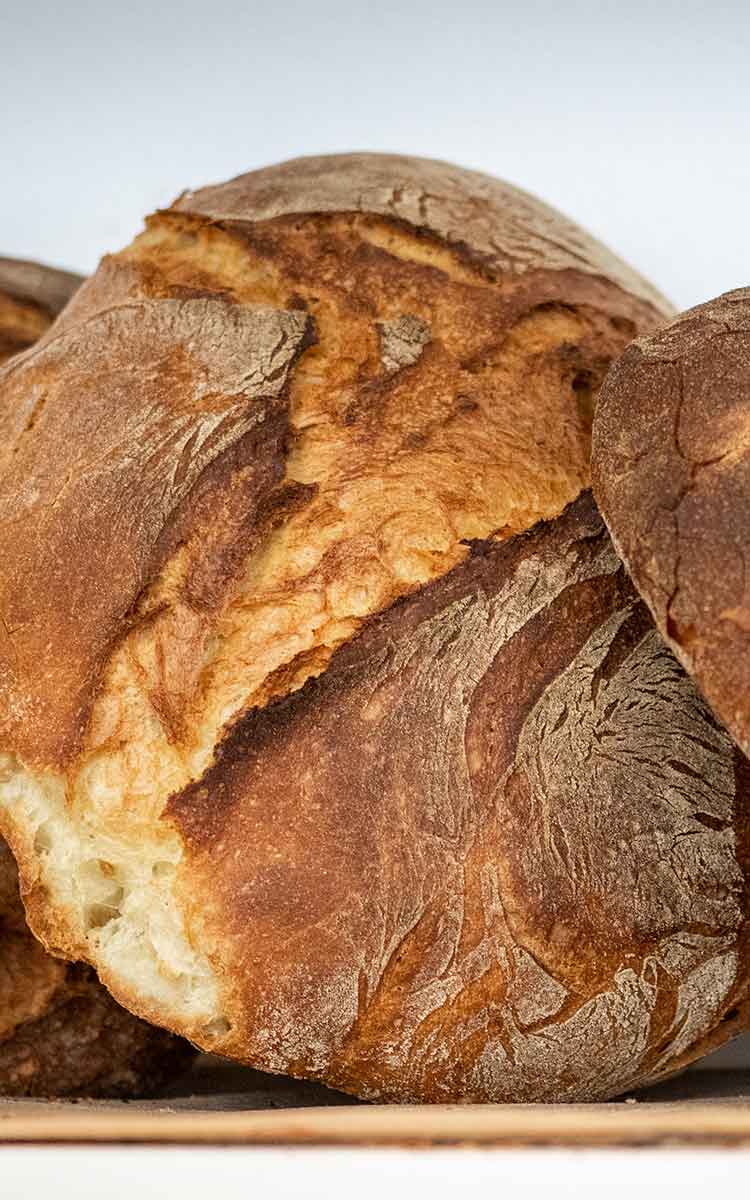
There are few places in the world where a loaf of bread carries the same cultural weight as a fine wine. Altamura is one of them. Perched on the Murge plateau and crowned by a magnificent 13th-century Norman-Romanesque cathedral, this ancient hilltop city has been famous for one thing above all else for centuries: its bread. Pane di Altamura holds DOP status, the Italian designation reserved for food products so tied to their specific land and method of production that they cannot legally be replicated anywhere else. Made from locally-grown durum wheat semolina and baked in wood-fired ovens using techniques that have barely changed in 700 years, a fresh loaf of Pane di Altamura has a crust that shatters and a crumb so fragrant it seems almost impossible that something so simple could taste so extraordinary. Wandering the medieval lanes of Altamura with a warm piece of bread in hand, watching bakers work in doorways as their families have done for generations, is one of those quiet, perfect travel moments that no itinerary can manufacture, but a good travel agent can absolutely lead you to.
The Masseria: Living Like a Puglian
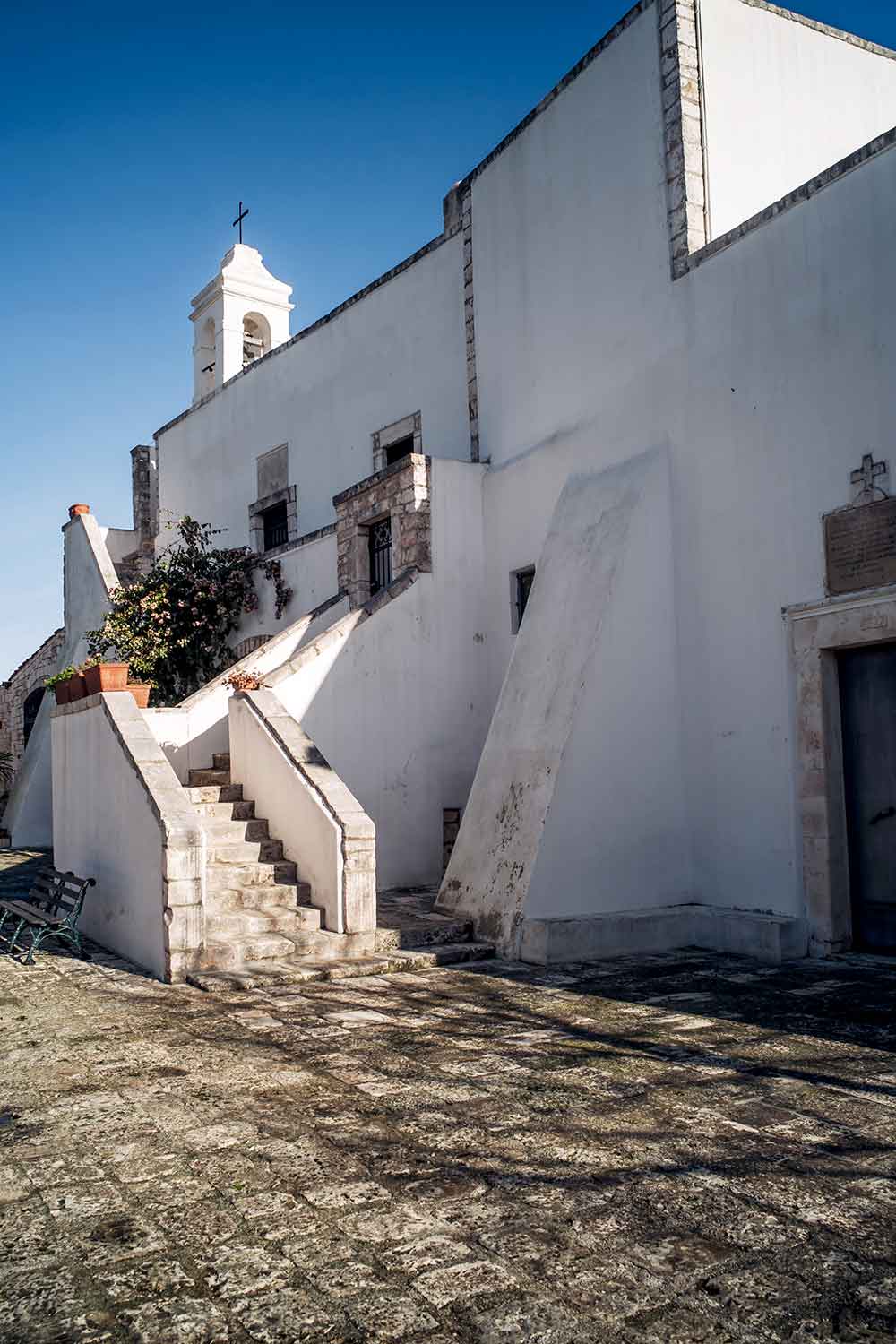
To truly understand Puglia, you need to sleep in it. Not in a hotel, in a masseria. These ancient fortified farmhouses, scattered across the countryside like small self-contained worlds, are one of the defining architectural and cultural features of the region. Originally built as working agricultural estates producing olive oil, wine, and wheat, many of the grandest masserie have been lovingly restored into some of the most extraordinary accommodation experiences in Italy. Think thick whitewashed stone walls that keep the summer heat at bay, private courtyards dripping with bougainvillea, infinity pools looking out over silver-leafed olive groves, and dinner served under the stars from produce grown on the property. Some masserie offer cooking classes, guided olive grove tours, cheese-making workshops, and wine tastings. For families, whether a couple with young children who need space and peace, a multigenerational group that wants everyone under one roof, or a group of friends celebrating a graduation, a masseria provides the kind of warm, enveloping Italian hospitality that no city hotel can replicate. Staying in one for even two or three nights transforms a holiday into something that feels genuinely lived.
Castel del Monte: The Mystery on the Hill
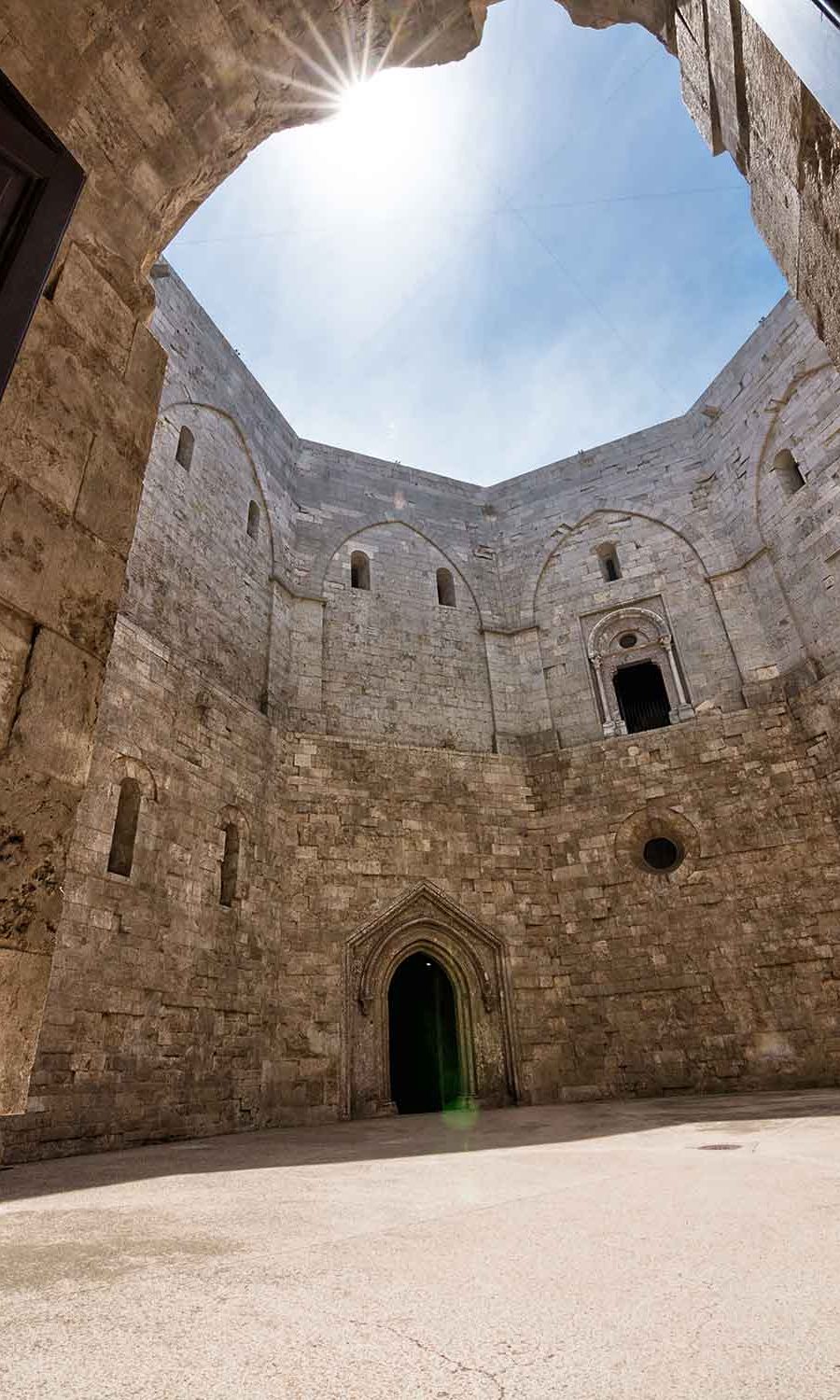
Rising alone from the flat Apulian plateau like something out of a medieval fever dream, Castel del Monte is one of the most singular buildings in the world. Built in the 13th century by the Holy Roman Emperor Frederick II, one of the most brilliant and eccentric rulers in European history, a man who spoke six languages, corresponded with Arab philosophers, and kept a menagerie of exotic animals, the castle defies every expectation of what a fortress should be. It has no moat, no drawbridge, no fortifications in the conventional sense. Instead, it is a perfect mathematical octagon, with eight octagonal towers, eight trapezoidal rooms on each of its two floors, and an orientation so precisely calibrated to the sun and stars that scholars still debate its intended purpose. Was it a hunting lodge? An astronomical observatory? A monument to Frederick’s own mystical philosophy? Nobody has ever fully agreed. UNESCO declared it a World Heritage Site in 1996, and its image appears on the Italian one-cent coin. For any family traveling with older children or teenagers with even a passing interest in history, architecture, or simply beautiful mysteries, Castel del Monte is unmissable.
San Giovanni Rotondo: A Place That Moves People
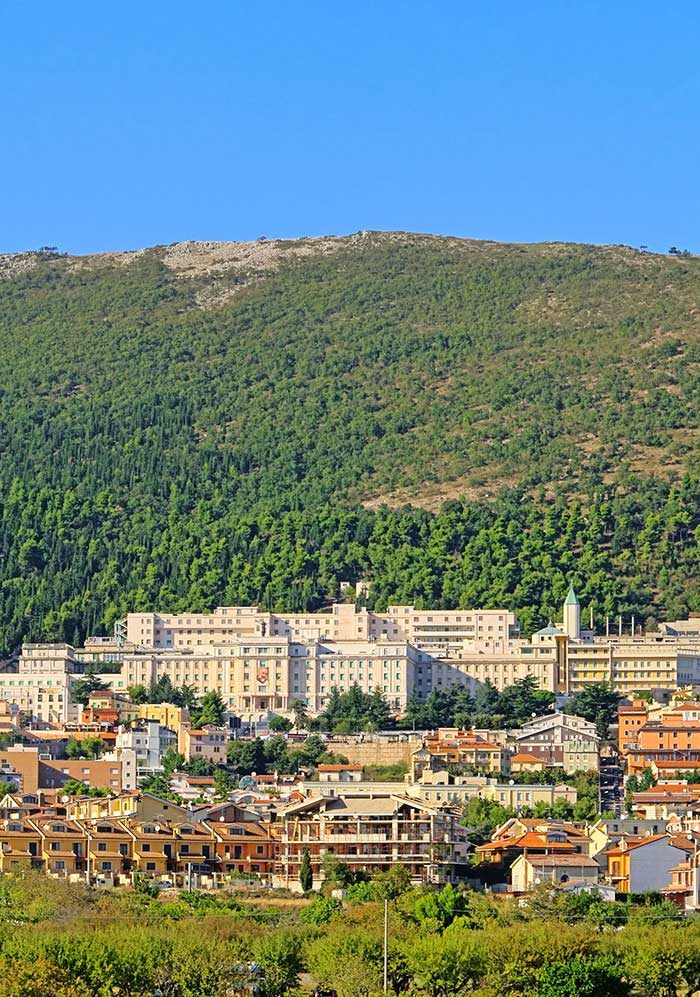
You do not need to be religious to be affected by San Giovanni Rotondo. Perched on the slopes of the Gargano promontory in northern Puglia, a limestone peninsula of ancient forests, dramatic cliffs, and medieval villages that juts into the Adriatic like a spur, this small town has become one of the most visited pilgrimage destinations on Earth, drawing over seven million visitors a year. The reason is Padre Pio: the Capuchin friar who lived and worked here for most of his life, who became one of the most beloved religious figures of the 20th century, and whose tomb now rests in the extraordinary modern sanctuary designed by architect Renzo Piano, a sweeping, copper-clad structure that manages to feel both monumental and deeply human. Whether your family visits for faith, for curiosity, or simply for the remarkable architecture and the strangely powerful atmosphere of a place that has drawn millions of people across decades, San Giovanni Rotondo leaves a lasting impression. It pairs naturally with a drive through the Gargano itself, a corner of Puglia so green and wild it feels like a different world from the sunbaked south.
Your Summer Vacation Inspirations
There are few places left on Earth that genuinely leave you speechless. Matera is one of them.
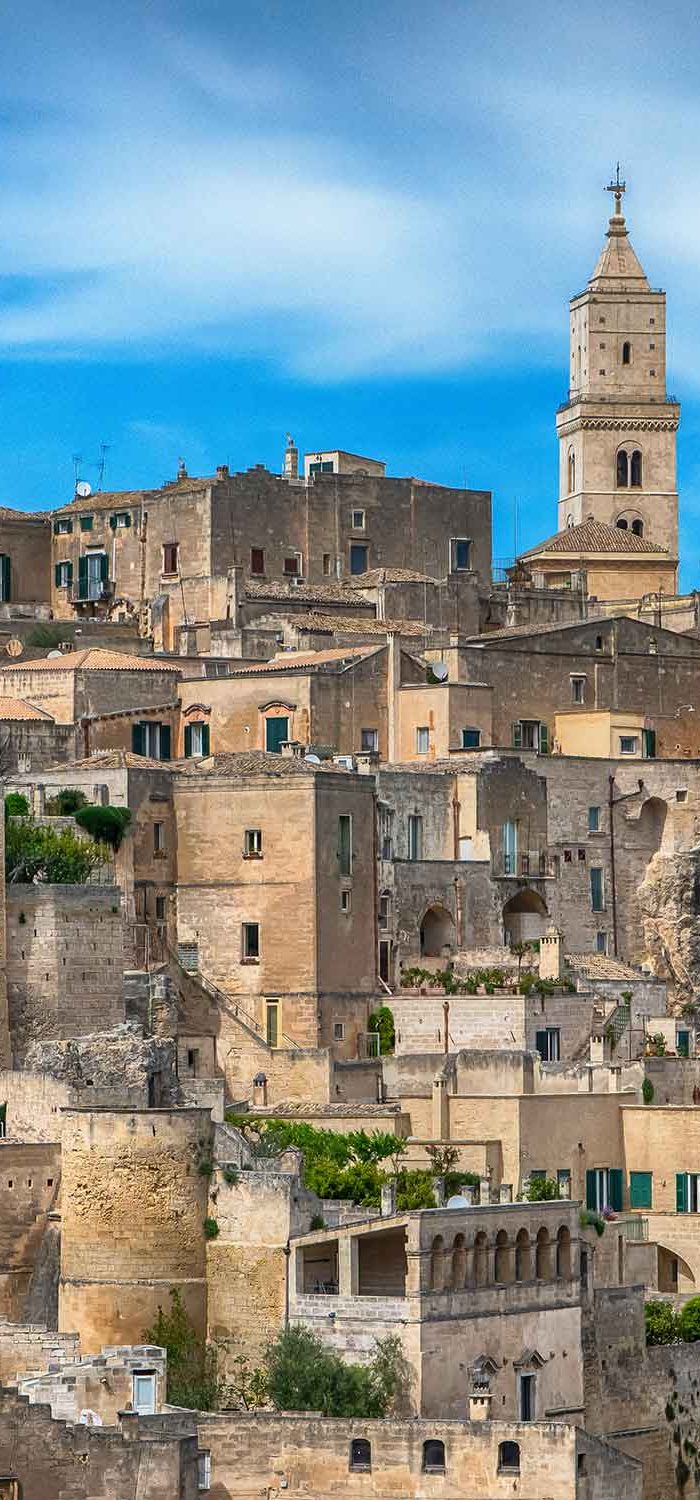
Hewn from the rocky ravines of Basilicata, Matera’s Sassi (the ancient cave city) is one of the oldest continuously inhabited human settlements in the world, people have lived here for over 9,000 years. Layers of cave dwellings, rock-cut churches, cisterns, and alleyways cascade down the hillside like a living archaeological site. UNESCO declared it a World Heritage Site in 1993. The European Union named it a Capital of Culture in 2019. Hollywood came calling too, Mel Gibson filmed The Passion of the Christ here; it doubled as ancient Jerusalem in No Time to Die.
Walking through the Sassi with your family is unlike any other experience in Italy. Narrow stone paths wind past cave churches adorned with ancient frescoes. Panoramic terraces look out over the ravine to where wild natural landscapes meet millennia of human ingenuity. Specially designed cave hotel accommodations let the adventurous sleep in restored sassi, a truly unforgettable experience for older children and teens.
For a graduating student or a family milestone, Matera delivers something beyond sightseeing. It delivers perspective. Standing in a city where 9,000 years of human history is literally etched into the walls around you has a way of putting everything, including next year’s college plans, into profound and beautiful context.
Basilicata, also known by its ancient name, Lucania, is the region that surrounds Matera, and it is every bit as extraordinary. Wild, rugged, and remarkably unspoiled by mass tourism, it’s a place where you feel like you’ve genuinely discovered something.
The Lucanian Dolomites: Zip-Line Capital of Italy
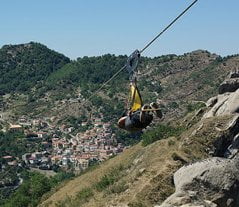
For families with a taste for adventure, the twin cliff-top villages of Castelmezzano and Pietrapertosa offer one of Italy’s most thrilling experiences: the Volo dell’Angelo (Flight of the Angel), a zip-line that launches riders over a 400-meter-deep valley between the two villages. From May through November, this ride is one of the most exhilarating things you can do in all of southern Italy, teens and adults are absolutely hooked. And if that weren’t enough, nearby Castelsaraceno is home to the world’s longest Tibetan bridge at 586 meters, suspended 80 meters above a gorge.
Maratea: The Pearl of the Tyrrhenian
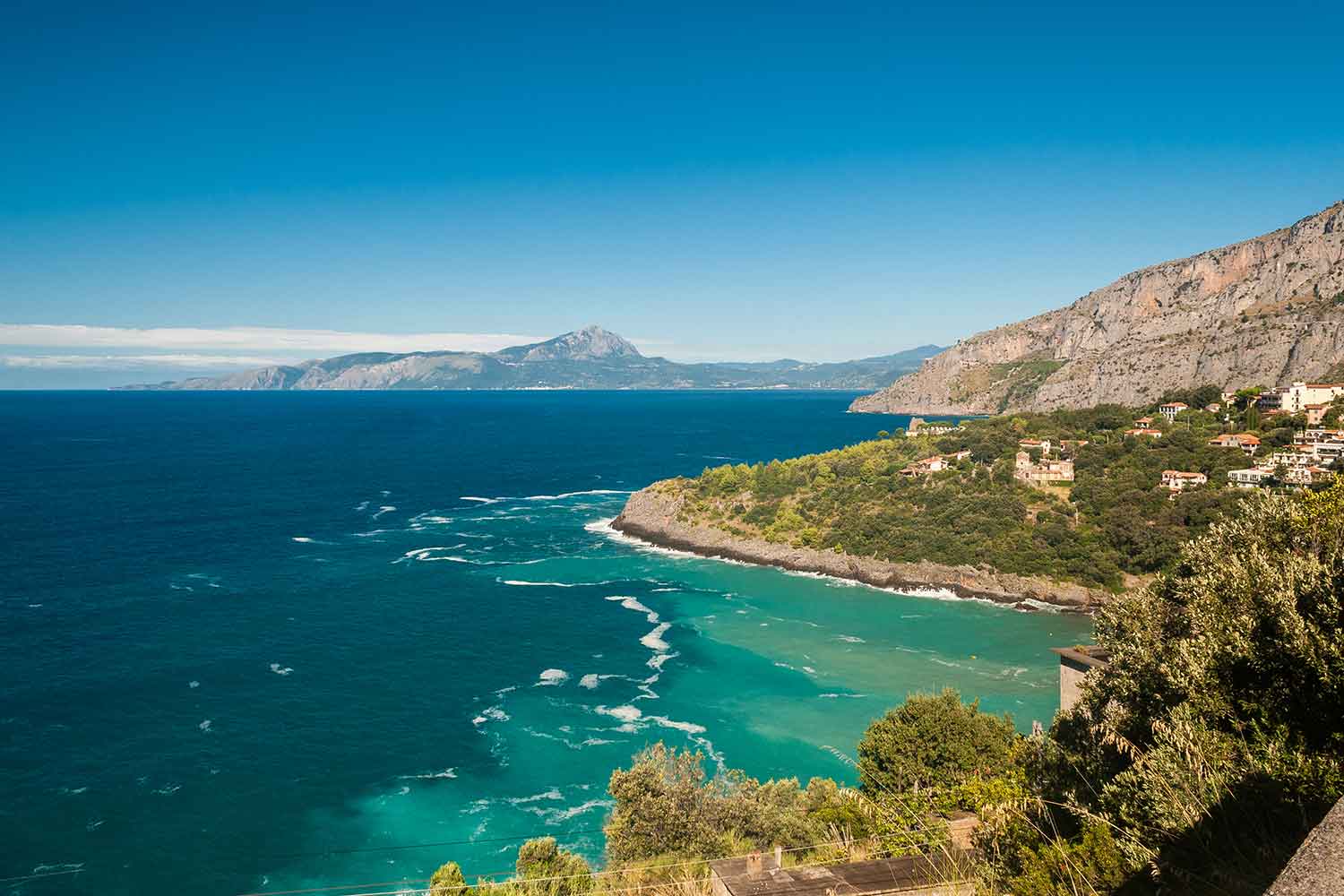
On Basilicata’s narrow sliver of western coastline sits Maratea, a gem of a seaside town that the rest of the world has somehow managed to overlook. Dramatic cliffs, grottos, and some of the clearest waters on Italy’s western coast make it a magnificent beach escape. A giant statue of Christ the Redeemer overlooks the water from the mountain summit, a spectacular sight on the drive in.
Pollino National Park
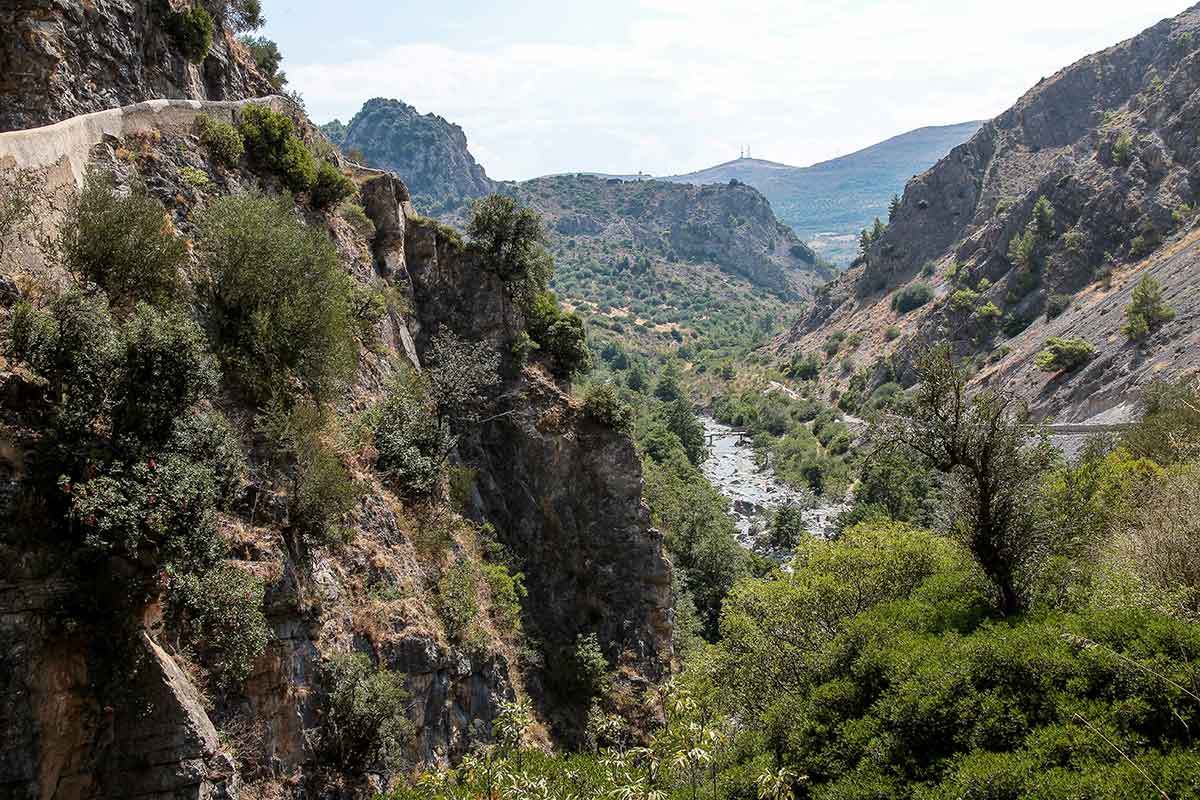
For families who love the outdoors, Italy’s largest national park spans the border between Basilicata and Calabria. Ancient forests of rare Bosnian pines, river gorges, and wild mountain landscapes make it extraordinary hiking and rafting territory. A perfect half-day side trip for active families.
What's Happening Now, and All Summer Long
Spring is already stirring across southern Italy, and if you’re planning a summer trip, here’s what the calendar looks like, because a family vacation that coincides with a once-in-a-generation festival is something truly special.
Right Now
Spring is perhaps the most enchanting time to visit this region. The Itria Valley erupts in wildflowers, the beaches are uncrowded, and the olive groves are a brilliant green. The Bari International Film & TV Festival (Bif&st) wraps up in March, making the Puglian capital a lively arts destination in early spring. Temperatures hover in the comfortable mid-60s°F, perfect for exploring ancient towns on foot without the summer heat.
June: The Season Heats Up
Feast of San Vito Martire, Polignano a Mare. The cliffside town celebrates its patron saint in mid-June with processions, street food, fireworks over the sea, and extraordinary community spirit. A perfect family evening.
Festa di San Vito, Castelmezzano, Basilicata. Around June 15th, this charming cliff-top village in the Lucanian Dolomites carries its patron saint’s statue through the streets, followed by fireworks and a massive communal outdoor dinner. The combination of the dramatic setting and the authentic local festivity is completely unforgettable.
Cherry Festival, Conversano. In this medieval hilltop town near Bari, the arrival of summer is celebrated with tastings of Puglia’s famous cherries, artisan markets, and live music filling the cobblestone streets. A delightful, quintessentially Italian afternoon with children.
Locus Festival begins, Locorotondo & Bari. Running through June and July, the Locus Festival is one of Puglia’s most beloved music events, blending jazz, soul, indie, and electronic sounds in stunning countryside settings. Past editions have featured world-class acts performing against backdrops of trulli and olive groves.
July: Southern Italy at Full Celebration
Festa della Madonna della Bruna, Matera, July 2nd. This is Matera’s defining annual event, and if there is one festival in all of southern Italy that a family absolutely must experience, this is it. The celebration begins at dawn when shepherds lead the statue of the Madonna through the ancient Sassi on a triumphal cart crafted entirely from papier-mâché, an extraordinary work of art built by local artisans over many months, knowing it will be ceremonially torn apart at the festival’s climax. The day builds to a dramatic evening procession, fireworks over the ravine, and the symbolic destruction of the cart as the crowd surges forward to collect fragments as sacred keepsakes. It is unlike anything you’ve ever seen.
La Notte della Taranta, Salento. Throughout July and building to a grand concert in Melpignano, this festival celebrates Puglia’s hypnotic traditional pizzica music and dance, a rhythm so infectious it was once said to cure spider bites. International and local artists perform together in an electric fusion of ancient tradition and modern sound that draws crowds from across Europe.
Festival della Valle d’Itria, Martina Franca, from July 17th. World-class opera performed under the stars in the baroque Palazzo Ducale. One of Italy’s most prestigious classical music festivals, set in one of its most beautiful towns. An extraordinary evening for a family celebrating a graduation or milestone.
Sagra del Polpo (Octopus Festival), Mola di Bari, late July. Celebrating its 50th edition, this seaside food festival is pure Puglia, fresh octopus prepared a dozen different ways, live music, and the kind of joyful communal dining that reminds you why Italian food culture is beloved the world over.
Polifonic Festival, Itria Valley, July 23–27. For families with teens who love contemporary music, this electronic and contemporary music festival set among the trulli and olive groves of the Itria Valley is a genuinely dreamlike experience.
The Perfect Graduation Trip
Searching for a graduation gift that means something? Southern Italy is one of the most intellectually and culturally stimulating destinations on Earth for a young person stepping into adulthood. The region covers everything: ancient history that makes every textbook come alive, world-class food and wine culture, jaw-dropping natural beauty, adrenaline-fueled adventure, and a social scene that is warm, vibrant, and inviting.
A graduate who visits Matera, standing in streets that were already ancient when Rome was young, leaves with something that no diploma can teach: a deep, felt sense of human history. Pair that with cliff diving into Adriatic coves, zip-lining over mountain valleys, late nights of music and street food in Lecce’s baroque piazzas, and you have a coming-of-age trip that will be remembered for the rest of their life.
We design itineraries for every kind of family, those traveling with young children who need beach days and gelato breaks, multigenerational groups where grandparents walk Alberobello’s trulli lanes while teens plan the next adventure, and small celebrations for a graduate and their closest people. Let us build the journey that fits your family perfectly.
Contact our team today for a personalized consultation and let us bring this ancient, extraordinary corner of Italy to life for your family.
Frequently Asked Questions
Is Italy a good destination for a family vacation?
Italy is one of the best destinations in the world for a family vacation. Italian culture is genuinely, enthusiastically child-welcoming — children are expected at restaurants, welcomed at late-night village piazzas, and treated as honoured guests almost everywhere. The combination of hands-on history, outstanding food, natural beauty, and a pace that accommodates both sightseers and beach-lovers makes family vacations in Italy consistently among the most rewarding trips families ever take.
What is the best region for a family vacation in Italy?
The best region depends on your family’s interests and your children’s ages. For history and culture, Rome and Florence are outstanding. For beaches and volcanoes, Sicily is exceptional. For lakes and theme parks, Lake Garda suits all ages. For a genuinely insider family vacation in Italy that combines castles, world-class food, and the Ferrari Museum, Emilia-Romagna is our specialists’ top recommendation — and the region our clients most consistently describe as the highlight of their entire Italy experience.
How long should a family vacation in Italy be?
Families travelling from North America should plan for a minimum of 10 days on the ground, allowing for jet-lag recovery and a genuinely relaxed pace. A 14-day family vacation in Italy is ideal: enough time for two or three regions, meaningful experiences at each, and the slow mornings that make Italy feel like Italy. If you only have one week, we recommend focusing on a single region rather than trying to cover the country.
What is the best time to visit Italy with kids?
The best time to visit Italy with kids is late June or September. Late June offers summer warmth with manageable crowds and temperatures that make outdoor sites comfortable. September brings harvest-season beauty, noticeably thinner tourist numbers at major sites, and the most pleasant weather of the year for families exploring castles, hilltop towns, and outdoor spaces. July and August are the busiest and hottest months — viable, but best approached with early morning starts and midday rest built into the schedule.
Is Italy safe for families with children?
Italy is a very safe destination for family vacations. It consistently ranks among Europe’s safer tourist destinations, with low rates of violent crime. Standard urban travel awareness applies in major cities — be mindful of pickpockets in crowded tourist areas — but Italy’s rural regions, small towns, and castle destinations are exceptionally relaxed and safe environments for children and families.
Is Emilia-Romagna worth visiting for a family vacation in Italy?
Absolutely, and in our experience it is the most underrated family vacation destination in Italy. The combination of Emilia-Romagna’s medieval and Renaissance castles, the Ferrari Museum in Modena, moated Ferrara, UNESCO-listed Bologna, and some of the world’s finest food makes it a complete family vacation Italy experience. It has none of the crowds of Rome or Venice, consistently surprises families who expected to love it and end up finding it was the highlight of the trip.