A Family Guide to Friuli Venezia Giulia in Summer
Friuli Venezia Giulia is Italy’s best-kept secret for families seeking adventure, culture, and relaxation without overwhelming complexity. This northeastern region successfully keeps kids engaged, teens entertained, and grandparents comfortable, all within a compact geography that reduces travel time and maximizes experiences.
Picture this: pristine Italy family vacation moments along the Adriatic coast, Alpine landscapes just two hours away, elegant Venetian cities tucked nearby, and a food culture that delights both children and adults. From thermal spas where grandparents relax to waterparks where kids play, from UNESCO World Heritage towns to hidden mountain villages, Friuli Venezia Giulia offers the variety that defines successful family travel.
Why Does Friuli Venezia Giulia Work So Well for Family Travel?
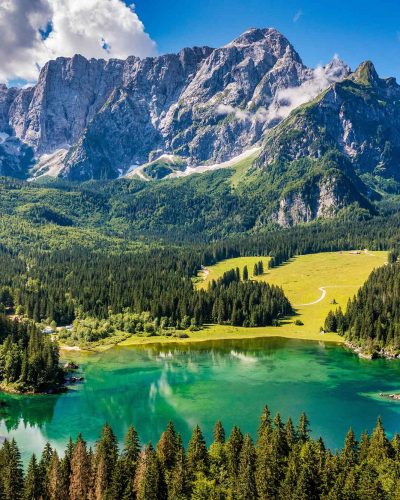
The magic of Friuli Venezia Giulia lies in its compact variety. Everything is close together, eliminating the exhausting driving that derails family vacations. Trieste to Lignano takes just 90 minutes by car. Trieste to Tarvisio in the Julian Alps sits under two hours away. UNESCO World Heritage towns like Cividale del Friuli and Aquileia are reachable in 30 to 45 minutes from the coast.
This geography allows families to anchor a single base and explore radically different experiences daily. Grandparents can spend mornings at thermal spa resorts while parents take kids to waterparks. Teenagers discover ancient Roman mosaics in Aquileia while younger children splash in Grado’s warm lagoon. By lunchtime, everyone reconvenes at an agriturismo farmhouse for traditional mountain ravioli and local wines.
The pace is customizable. Families who love slow travel park themselves in one town for a week and explore surroundings. Adventurous families move every 2-3 days, accessing mountains, coast, and cities without excessive driving. Multi-generational groups split up during the day to pursue different interests, then gather for evening aperitivo and dinner, a rhythm that works beautifully here.
Food is the connective tissue of family travel in Friuli Venezia Giulia. The region’s cuisine bridges Italian, Austro-Hungarian, and Slavic traditions, creating unexpected flavor combinations that delight adventurous eaters and comfort traditionalists alike.
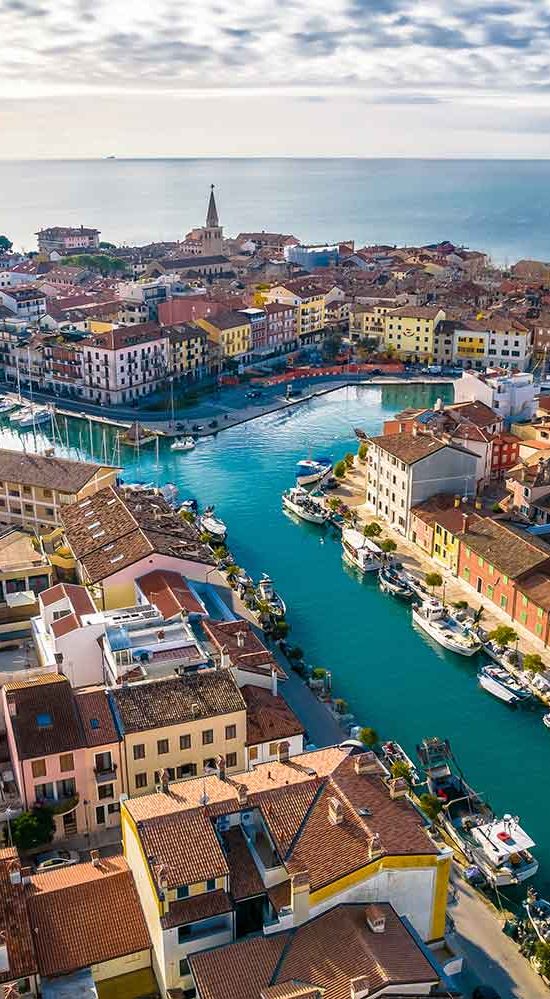
Essential dishes every family should try: Frico is crispy Montasio cheese pancakes, kids love them at breakfast or as street food. Cjarsons are sweet-savory mountain ravioli filled with fruit, chocolate, and potato, served with brown butter sauce. San Daniele prosciutto is as famous as Parma ham, and factory tours make it memorable for older kids. La jota is a hearty stew combining beans, sauerkraut, and spare ribs, perfect after mountain hiking. Gubana is a spiral pastry filled with nuts and dried fruit that tastes like Christmas in every bite.
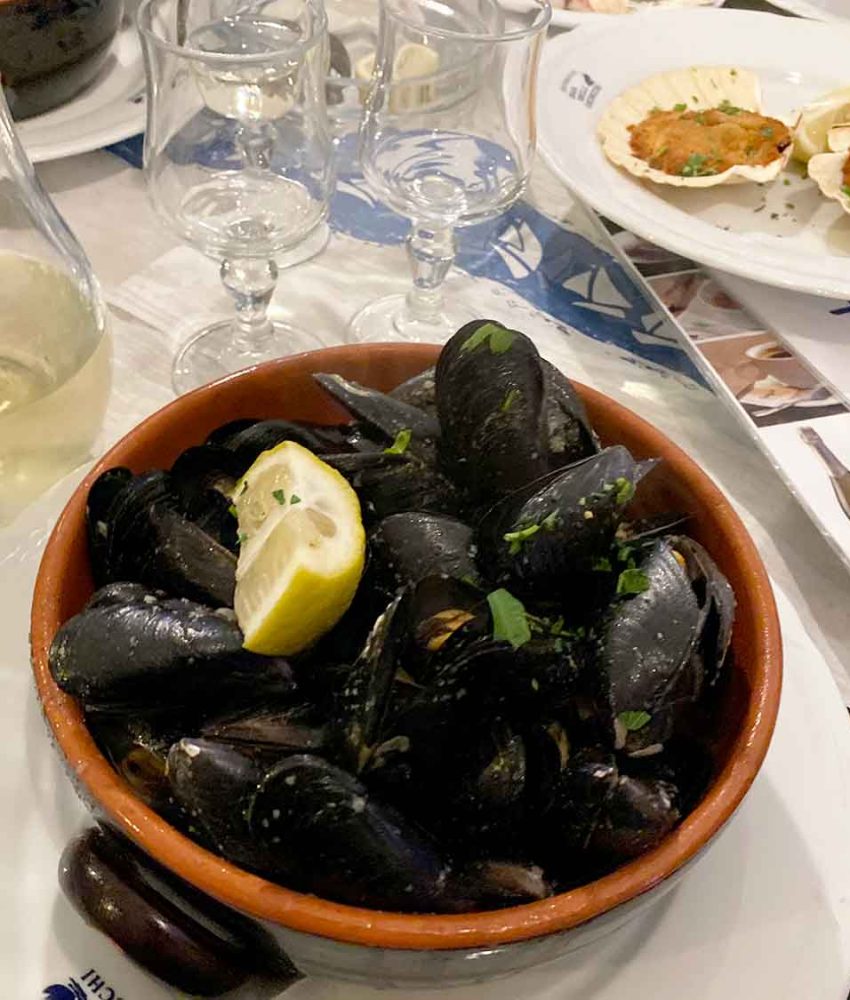
Along the coast, families discover fresh seafood that rivals anywhere in Italy: langostinos (small lobsters), scampi (langoustines), and daily catches prepared simply at beachfront restaurants. Mountain rifugio lunches combine polenta with mushroom ragus and strudel for dessert, fuel for afternoon hiking that tastes like reward.
Coffee culture in Trieste is legendary. Caffè Tommaseo (est. 1830) and Caffè San Marco (est. 1914) are temples to espresso tradition, where families watch skilled baristas craft elaborate cappuccini. Kids sip hot chocolate while adults discuss the proper temperature for milk. Wine appreciation happens naturally in Collio and Colli Orientali wine regions, where family-run wineries offer tastings and farm lunches without pretension.
What Is There to Do in Trieste with Kids?
Trieste is the heart of Friuli Venezia Giulia and absolutely essential to any family trip to Italy. The city balances sophisticated culture with genuine kid appeal, creating the rare destination where everyone finds their rhythm.
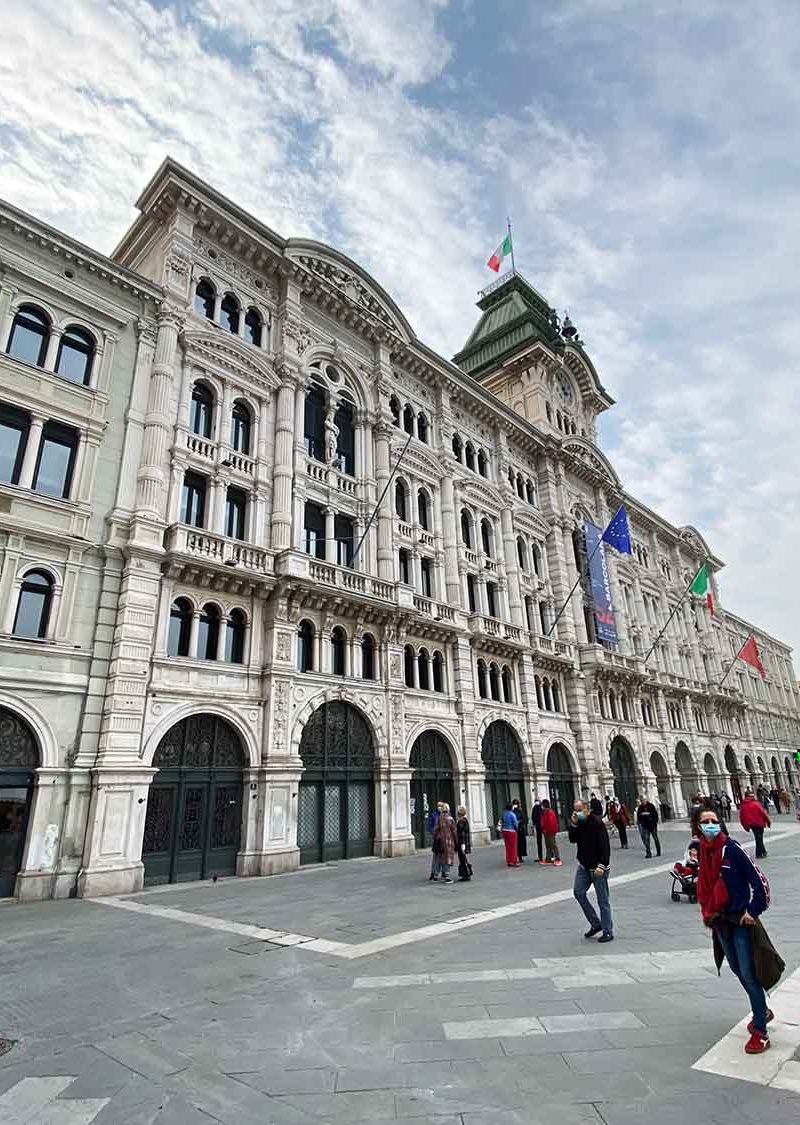
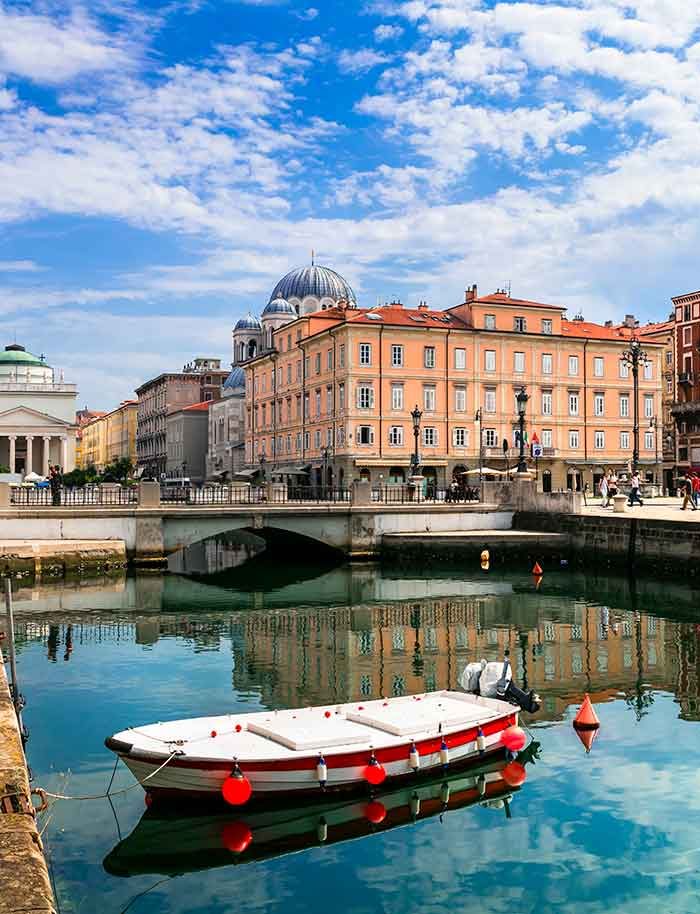
Piazza Unità d’Italia is Europe’s largest sea-facing piazza and the first stop for every visitor. The space feels simultaneously grand and welcoming, children play in the plaza while parents watch Adriatic sunsets. Cafés line the perimeter; grab gelato and people-watch like locals.
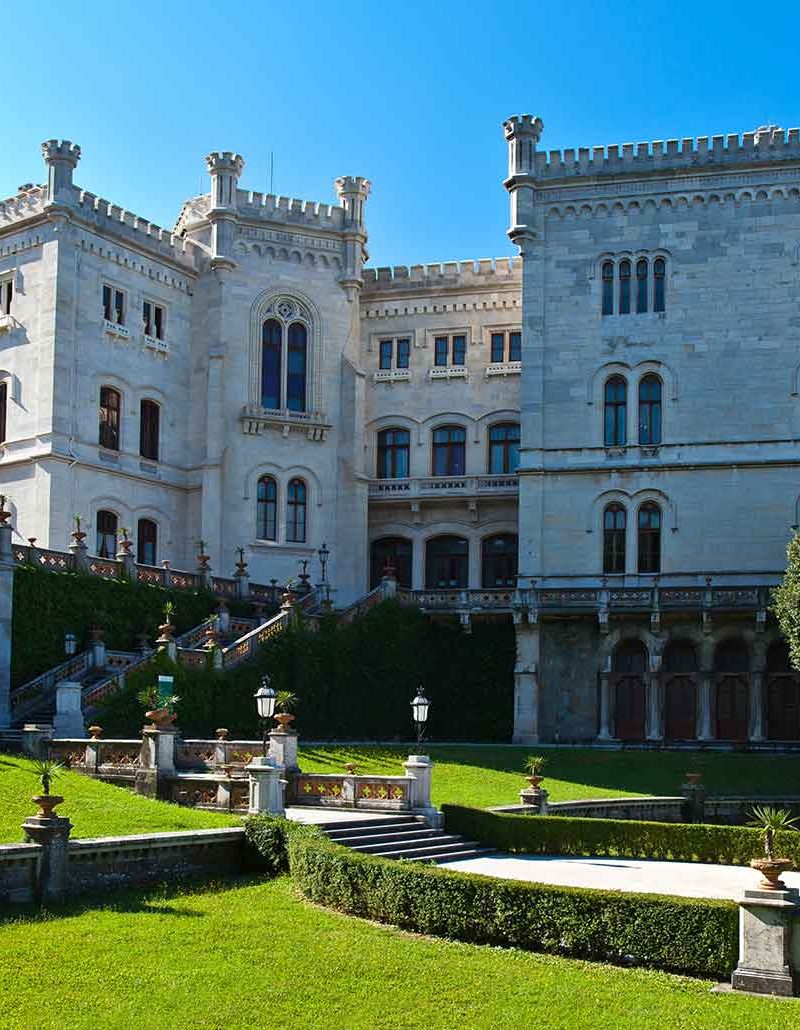
Miramare Castle, built in the 1850s by Archduke Ferdinand Maximilian, sits on a rocky promontory with gardens that are free to explore. The castle interior reveals period rooms that fascinate history-minded kids and teens. The adjacent Biodiversitario Marino museum showcases marine biodiversity of the Gulf of Trieste, educational without feeling like school.
The Natural History Museum delights younger children with dinosaur fossils (Antonio and Bruno are local celebrities) and the preserved skeleton of Carlotta, a great white shark caught in the Adriatic. The exhibits combine scientific rigor with playful presentation.
The Bora wind is real and unpredictable, it tears down from the northeast with force. Talk about it with kids, feel the power, discuss why sailors respect it. It’s a lesson in geography and respect for nature all at once.
The Hop-On Hop-Off bus connects all major sights, eliminating navigation stress and turning movement itself into an experience. Kids enjoy the vantage point and stopping/starting flexibility.
Your Summer Vacation Inspirations
Where Are the Best Mountains and Nature Experiences?
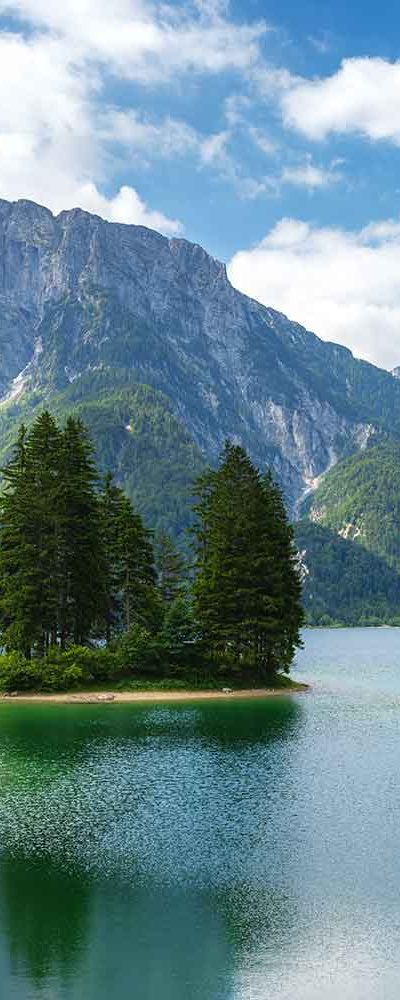
Mountains dominate the northern edge of Friuli Venezia Giulia, offering Alpine experiences that feel worlds away from beach towns yet are reachable in under two hours from the coast. The Julian Alps and Dolomiti Friulane provide both gentle and challenging terrain, from botanical gardens to high-altitude rifugios.
Mountain towns worth exploring: Tarvisio sits at the gateway to the Julian Alps and offers easy access to hiking trails suitable for families with varied fitness levels. Forni di Sopra and Piancavallo are charming villages with meadow walks and rifugio lunches. Sappada, near the Dolomites, blends Austrian and Italian culture in its architecture and food.
Rifugio lunches are central to Alpine family travel. These mountain huts serve hearty meals to hikers, thick polenta with mushroom ragus, strudel warmed over wood stoves, and local beers. Kids find adventure in hiking to these remote spots and reward in the food waiting there. Menus change with seasons and what hikers bring in from the surrounding forest.
Grotta Gigante is one of Europe’s largest show caves, located just 15 minutes from Trieste. The cavern measures 98 meters high, 76 meters wide, and 167 meters long, scale that awes children. Tours navigate 500 steps through chambers illuminated to reveal stalactites and stalagmites. The constant 13°C (55.4°F) temperature and echoing spaces create theater-like drama.
Carsiana Botanical Garden showcases plant species from the limestone karst landscape, with educational signage explaining ecology and adaptation. It’s outdoor learning that doesn’t feel like homework.
Which Beaches Are Best for Families?
Friuli Venezia Giulia’s beaches range from gentle lagoons to rocky coves to organized beach clubs, ensuring every family finds their ideal coastal experience.
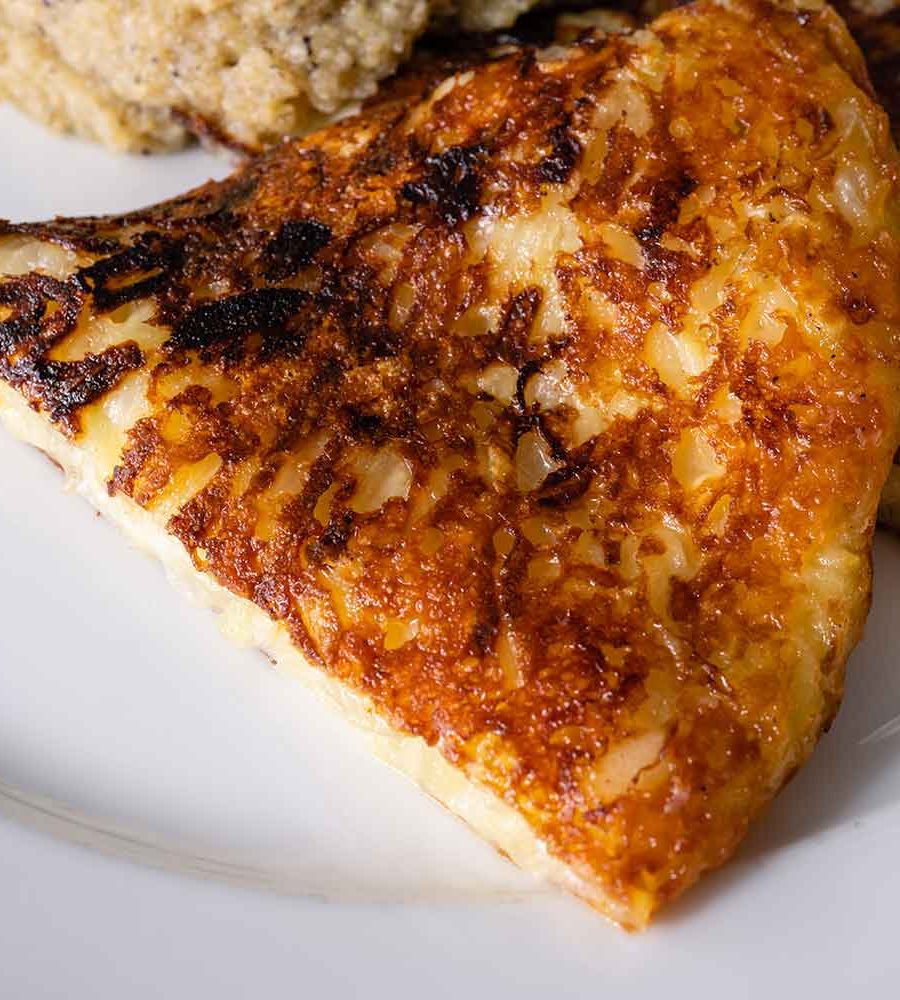
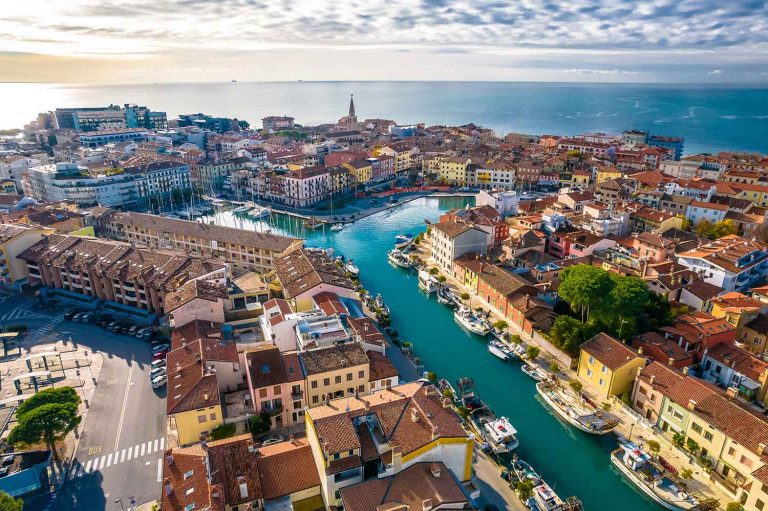
Grado is the multigenerational favorite. This historic island town overlooks a warm, shallow lagoon, perfect for toddlers and weak swimmers. The old town retains medieval charm with narrow streets, small piazzas, and family-friendly restaurants. Thermal spas are strong in Grado, offering parents spa time while kids enjoy beach clubs. The lagoon water is shallow for hundreds of meters, reducing hazards. Both Blue Flag and Green Flag certifications confirm environmental quality and safety standards.
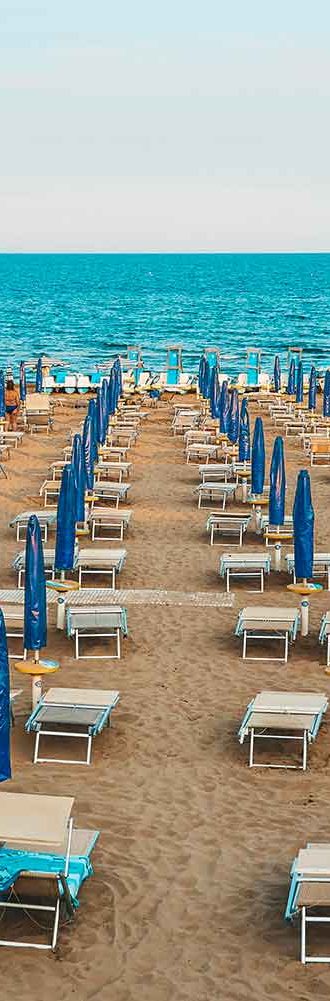
Lignano Sabbiadoro is organized into three districts: Sabbiadoro (sandy beaches, waterfront dining), Pineta (quieter, tree-lined), and Riviera (lagoon side, calmer water). This is where Italian families come, stabilimenti (beach clubs) provide umbrellas, loungers, showers, and children’s activities. The Parco Acquatico waterpark and Luna Park theme park keep older kids entertained. Blue Flag and Green Flag status confirms safety and environmental standards. Lignano works for families seeking more structured, activity-rich beach time.
Rocky coves near Sistiana and Duino offer alternative charm, smaller crowds, dramatic scenery, and tide pools for exploration. These suit families comfortable with less-developed infrastructure but seeking authentic Mediterranean atmosphere.
Marano Lagunare offers pescaturismo (fishing tourism) experiences where families learn about traditional fishing methods in the lagoon ecosystem. It’s educational and unique, especially for older children interested in environmental systems and food production.
Beach club culture is distinctive to Italian beaches. Stabilimenti provides organization and community, your spot is reserved, facilities maintained, social connection established. Many include children’s clubs, allowing parents uninterrupted time while kids engage in supervised activities.
What Insider Experiences Should Families Know About?
Fattorie didattiche (educational farms) are the hidden gem of family travel in Friuli Venezia Giulia. These working farms open to visitors, offering hands-on learning about agriculture, animal husbandry, and food production. Kids milk cows, collect eggs, learn about seasonal planting, and taste what they’ve helped produce. It’s curriculum on four legs.
Agriturismo lunch rhythm organizes the family vacation day in a way that reduces stress and increases connection. Morning adventures (museums, hiking, beaches) lead into midday meal at a farmhouse restaurant, where extended family spreads across long tables, sharing wine and conversation. The pace becomes sustainable because everyone knows a restorative meal anchors the afternoon. Grandparents rest, parents supervise exploration, kids decompress.
UNESCO World Heritage towns transform family education into exploration adventure:
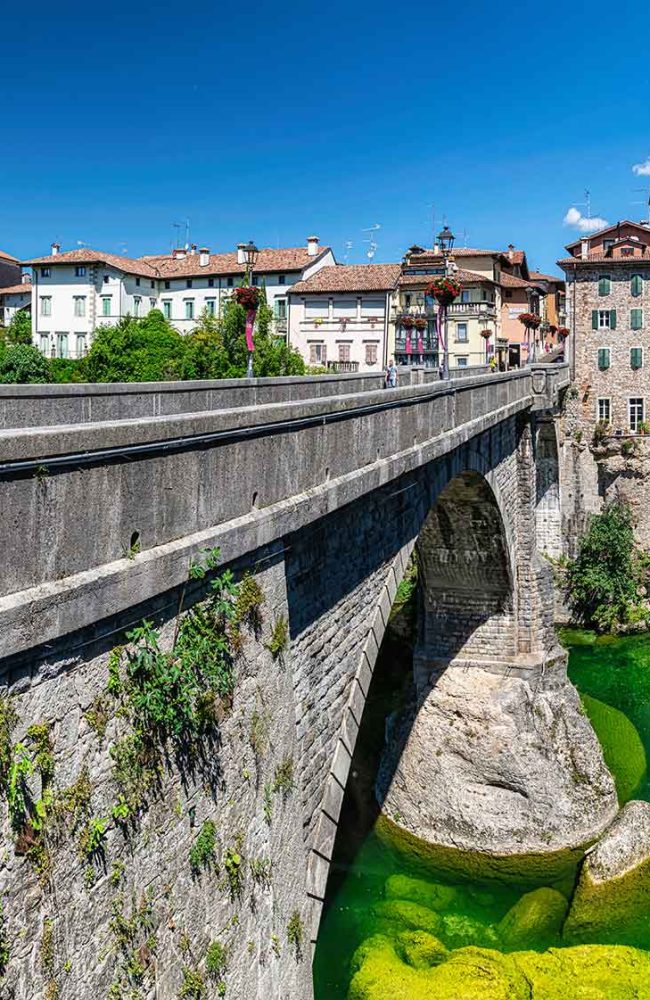
Cividale del Friuli is Italy’s oldest town (founded 50 BCE), home to the stunning Ponte del Diavolo (Devil’s Bridge). The story of how the bridge was built, supposedly with a bargain struck with the devil, captivates children. The surrounding walls and gates are climbable, offering adventure within culture.
Palmanova is a star-shaped fortress town built in the 1500s. The symmetrical pattern visible from above becomes a puzzle to solve on the ground, walk the streets and deduce the design. It’s geometry made tangible.
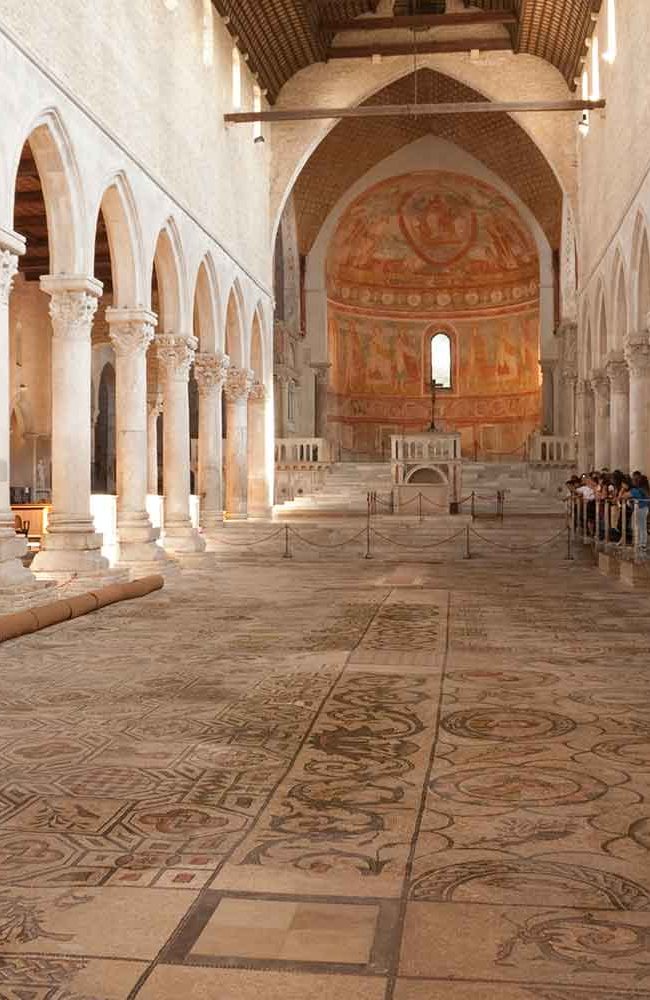
Aquileia reveals layer upon layer of Roman history, mosaics from the 4th century AD cover church floors, and the basilica rises from the Roman forum. Archaeological context makes history stick in children’s minds differently than museums alone.
Venzone was devastated in the 1976 earthquake but rebuilt stone by stone, brick by brick, in its original form. The story of rebuilding teaches resilience in a way that words cannot.
Which Cities and Towns Should Every Family Visit?
Trieste is essential and already covered in detail above. Every family must spend time wandering its elegant streets, sitting in its historic cafes, and absorbing the unique cultural position where Italian, Austrian, and Central European influences collide.
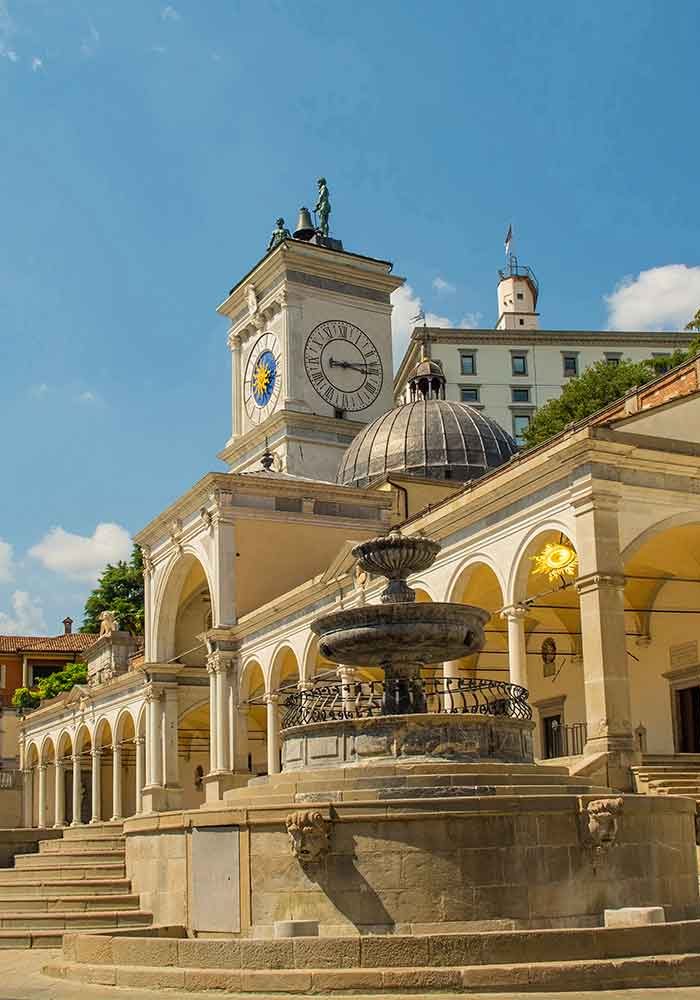
Udine, the region’s second city, revolves around the stunning Piazza della Libertà. The square’s Venetian architecture, loggias, towers, covered walkways, creates a stage-set feel. Climb the castle hill for views across to mountains. The Tiepolo frescoes in the Palazzo Patriarcale are masterpieces that reward standing and staring, though kids may prefer the actual castle (Castello di Udine) with its defensive logic and views.
Gorizia is known as a garden city due to its 19th-century villa gardens. In 2025, it serves as European Capital of Culture, making it a cultural destination worth including. The city straddles the Italian-Slovenian border, and you can literally walk across into another country, a memorable experience for children learning about Europe.
Pordenone claims the longest arcaded street in Italy, the Corso Vittorio Emanuele II stretches covered and weather-protected through the city center. The frescoed facades of Renaissance buildings create art on every corner. It’s a town designed for wandering and discovery.
San Daniele del Friuli is the prosciutto capital. La Casa del Prosciutto (operating since 1906) and other producers offer factory tours showing how pigs become the region’s most famous export. The small town’s Piazza Garibaldi is perfectly sized for families, manageable, walkable, with quality restaurants serving (unsurprisingly) spectacular cured ham.
Planning a family vacation to Friuli Venezia Giulia requires local knowledge, family-friendly connections, and insider details about timing, pace, and authentic experiences. That’s where we come in. Our travel specialists have designed countless family itineraries across this remarkable region, and we’d love to craft one that matches your family’s unique interests, age ranges, and travel style.
Whether you’re dreaming of beach days in Grado, mountain adventures in Tarvisio, cultural immersion in Trieste, or multi-generational experiences that keep everyone happy, we have the expertise to make it real. Reach out today and let’s start planning.
Frequently Asked Questions
Is Friuli Venezia Giulia a good destination for a family vacation in Italy?
Absolutely. Friuli Venezia Giulia combines Blue Flag and Green Flag certified beaches, Alpine hiking, UNESCO World Heritage towns, interactive cultural attractions, hands-on food experiences, and distinctive cuisine all within a compact region. The short distances between coast, mountains, and cities mean families can access radically different experiences daily without exhausting driving. Italian families have vacationed here for generations, which speaks to its reliability and family-friendliness.
What are the best beaches for kids in Friuli Venezia Giulia?
Grado and Lignano Sabbiadoro are the primary family beach destinations. Grado features warm, shallow lagoon waters perfect for young swimmers, a charming medieval old town, thermal spas for parents, and both Blue Flag and Green Flag certifications. Lignano offers three distinct districts (Sabbiadoro, Pineta, Riviera), organized beach clubs with children's programs, a waterpark, a theme park, and the same environmental certifications. Both towns offer different rhythms, Grado is more relaxed and cultural, while Lignano is more activity-focused and organized.
How can a family get to Friuli Venezia Giulia?
Fly into Trieste Airport (TRS) for direct access, or Venice Marco Polo Airport (VCE) and drive approximately 90 minutes east. Train connections from Venice to Trieste and Udine are frequent and family-friendly, with a scenic route. Many families combine time in Venice with a week in Friuli Venezia Giulia, creating a multi-region Italian experience that reduces airport transitions.
What foods should families try in Friuli Venezia Giulia?
Essential dishes include frico (crispy Montasio cheese pancakes), cjarsons (sweet-savory mountain ravioli with fruit and chocolate), San Daniele prosciutto (best experienced via factory tours), la jota (hearty bean and sauerkraut stew), and gubana (spiral pastry with nuts and dried fruit). Coastal areas offer fresh shellfish and daily seafood. Mountain rifugio lunches combine polenta with mushroom ragus and strudel. Trieste's historic cafes (Caffè Tommaseo est. 1830 and Caffè San Marco est. 1914) serve exceptional espresso and hot chocolate. Wines from Collio and Colli Orientali pair beautifully with local food.
Is Friuli Venezia Giulia good for multigenerational family travel?
It's one of Italy's strongest regions for multigenerational travel. The compact geography allows generations to pursue separate interests and easily reconvene. Grandparents enjoy thermal spas, historic cafes, and leisurely meals while parents take children on active adventures. The dining culture welcomes children everywhere, from casual beach restaurants to fine dining establishments. The pace is flexible, some days bring everyone together, other days allow generations to split and pursue their interests.
What are the must-see towns besides Trieste?
Udine features the stunning Piazza della Libertà and Tiepolo frescoes. Cividale del Friuli is a UNESCO World Heritage town with the legendary Devil's Bridge. Aquileia reveals Roman history through 4th-century mosaics and the ancient forum. Palmanova is a star-shaped fortress town with symmetrical streets that form a geometric puzzle. Gorizia (2025 European Capital of Culture) showcases garden city beauty. San Daniele del Friuli is the prosciutto capital with factory tours. Venzone was rebuilt stone-by-stone after the 1976 earthquake, demonstrating resilience. Pordenone features Italy's longest arcaded street.
What is there to do in Trieste with children?
Trieste offers diverse family attractions: Miramare Castle (1850s, with marine biodiversity museum and free gardens), Grotta Gigante (one of Europe's largest show caves, 15 minutes from the city), the Natural History Museum (dinosaur fossils and preserved great white shark), historic cafes (Caffè Tommaseo and Caffè San Marco), and Piazza Unità d'Italia (Europe's largest sea-facing plaza). The Hop-On Hop-Off bus connects all major sights. Experience the Bora wind and discuss weather patterns. Engage with Trieste's unique cultural position where Italian, Austrian, and Central European influences intersect.