Things To Do on the Amalfi Coast

HOME » POPULAR ITALIAN DESTINATIONS » AMALFI COAST TRAVEL GUIDE » AMALFI COAST THINGS TO DO GUIDE

Amalfi Coast Travel Guide        Culture        History        Food and Wine        Things to Do        Plan My Trip

About this guide: This guide to things to do on the Amalfi Coast was written by the Italian-born travel specialists at Trips 2 Italy, a custom tour operator that has designed hand-crafted Italian vacations since 2003. Every recommendation below reflects the same first-hand knowledge our team draws on when we build a private Amalfi Coast itinerary around a traveler’s interests, dates, and pace. Read it for your research, then let us translate it into a trip designed entirely around you.

What Belongs at the Top of Every Amalfi Coast Itinerary?

Three towns form the essential triangle. Positano asks for a slow morning: down through the boutique lanes to Santa Maria Assunta and its majolica dome, out along the beach for the classic upward view, and back by a different stairway, because in Positano the route is the sight. Amalfi asks for its history: the cathedral above its sixty two steps, the Cloister of Paradise, and the Paper Museum up the valley, the monuments of the maritime republic that gave this stretch of Campania its name.

Ravello crowns the triangle from a thousand feet up. Villa Rufolo’s gardens and Moorish courtyard, Villa Cimbrone’s long walk to the Terrace of Infinity, and the cathedral’s mosaic pulpit reward half a day at minimum, and the town is transformed once the day visitors descend: late afternoon and evening in Ravello, with a concert if the festival calendar allows, is one of Italy’s great experiences.

Timing is the entire art. Each of the three has hours when it belongs to itself and hours when it belongs to everyone, and the difference is dramatic. We sequence these marquee visits deliberately, early or late, against the flow, with drivers positioned so you never think about logistics, and with guides who turn the cathedral, the villas, and the lanes into stories rather than backdrops.

What Is It Like to Walk the Path of the Gods?

The Sentiero degli Dei, the Path of the Gods, runs roughly five miles along the cliff shoulder from Bomerano, in the high village of Agerola, west to Nocelle above Positano, on mule tracks that connected the villages for centuries before the coast road existed. The name is not marketing: the trail moves through a suspended landscape of crags, terraces, and abandoned stone farms, with the whole coastline and the island of Capri laid out below.

Walked in the classic direction, the route descends gently overall and keeps the views ahead of you, finishing in Nocelle, where a lemon granita at the village kiosk has become a ritual, followed by the long stairway or a short drive down into Positano. Clear days in spring and autumn are the connoisseur’s choice, and early morning light turns the cliffs gold while the trail is still quiet.

We arrange the walk properly: a driver to the trailhead in Bomerano, a local walking guide who knows the route’s history, botany, and photo points, water and timing planned around your pace, and the car waiting below Nocelle so the day ends with a swim or a terrace lunch rather than a logistics problem. As part of our active trips in Italy, it pairs beautifully with the coast’s gentler pleasures, effort in the morning, reward by afternoon.

Why Is a Private Boat Day the Coast's Signature Experience?

The Amalfi Coast was built to be seen from the water. From a private boat, the towns reveal themselves as sailors have always known them, stacked amphitheaters of color between cliff and sea, and the coastline between them unfolds in grottoes, waterfalls, watchtowers, and coves that the road never touches. One unhurried day on the water reorganizes a traveler’s entire understanding of the coast.

The classic route threads the highlights: the fjord of Furore, where a stone bridge spans a knife-cut inlet; the Emerald Grotto at Conca dei Marini, a sea cave discovered in 1932 where the water glows green over sunken light; swim stops in coves off Praiano and the Li Galli islets, the sirens’ islands of legend, once owned by Rudolf Nureyev; and lunch in a village reached best by sea, with the afternoon left for drifting at anchor.

We charter with skippers we have worked with for years, matching the boat to the travelers, a classic wooden gozzo for a couple, something larger for a family, and building the day around your appetite: more swimming or more sightseeing, a Capri extension, a sunset return with prosecco as the cliffs turn amber. It is the single most requested day in all our Amalfi Coast itineraries, and the one we take the most care composing.

Which Villages Reward Slower Exploration?

Atrani, one bend east of Amalfi, is the coast’s best miniature: a tiny piazza reached through arcades, lanes that tunnel under the houses, and the church where the republic’s doges were once crowned, all in a village a few minutes’ walk from its famous neighbor yet a century quieter. Praiano, spread along the sunset side of a headland, offers majolica-domed churches, the coast’s most celebrated evening light, and stairways down to coves the road never announces.

East of Amalfi, the register changes. Minori pairs its Roman villa with the coast’s finest pastry tradition; Maiori offers the longest seafront and a Norman-era collegiate church above it; Cetara remains a true fishing village where the anchovy fleet still works and lunch tastes of it; and Vietri sul Mare closes the coast in a blaze of painted ceramics, its workshops and tiled dome the region’s most colorful farewell.

Above the road, the hill villages complete the picture: Scala, the coast’s oldest settlement, gazing across the valley at Ravello; Tramonti among its vineyards and chestnut woods; Furore scattered along the cliff with its painted murals; and Conca dei Marini draped over its saddle above the fjord. We thread these villages into driving and walking days matched to each traveler, and for a family vacation to Italy, they are where the coast becomes playground rather than postcard.

The pleasure of the villages is that they ask nothing of you. There is no checklist in Atrani or Cetara, only a piazza, a church, a swim, and a table, which is exactly why an itinerary that includes them feels so different from one that shuttles between the famous three. We usually pair one celebrated town and one village in a single day, letting the contrast do the work, and travelers consistently tell us afterward that the village was the surprise they loved most.

Where Do You Find the Quieter Side of the Amalfi Coast?

Mostly in the margins of time. The coast at seven in the morning, when the light is low and the stairways carry only locals and the smell of baking, is a different country from the coast at noon, and evening returns the towns to themselves again once the day visitors have gone. Travelers who sleep on the coast, rather than raiding it from elsewhere, hold the keys to both kingdoms, and we plan itineraries to spend those golden hours deliberately.

Geography offers its own escapes. The hill villages, Scala, Tramonti, Agerola, and the high hamlets of Furore, see a fraction of the shoreline’s visitors and hold the walking country, the dairies, and the vineyards. The eastern coast from Minori to Vietri keeps a workaday Italian rhythm even in season, and the network of old mule paths, from the Valle delle Ferriere’s waterfalls and ancient ferns above Amalfi to the terrace trails between villages, is nearly empty the moment you leave the famous routes.

The shoulder seasons multiply all of it. In May, early June, and October the whole coast breathes at the quieter rhythm, and in winter, travelers willing to trade swimming for solitude find Ravello’s gardens, Amalfi’s cathedral, and the cliff roads in a stillness the summer never knows. Some of the most memorable itineraries we design are built entirely around that quieter coast.

What Do Evenings Look Like on the Amalfi Coast?

Evening is the coast’s finest hour. The heat softens, the light turns the cliffs copper and rose, and the passeggiata begins: along Positano’s beachfront, across Amalfi’s piazza, around Ravello’s garden squares, gelato and conversation moving at strolling pace. Aperitivo follows on a hundred terraces, and choosing yours, over the harbor, under the pergola, beside the cathedral steps, is one of each day’s happiest decisions.

Dinner on the coast is an event of place as much as plate: candlelit tables above the sea, fine dining rooms where the lemon and the anchovy are treated with a jeweler’s precision, and family kitchens where the fish was swimming that morning. On festival nights the villages add fireworks, processions, and candlelit stairways, and on Ravello Festival evenings, music floats over Villa Rufolo’s gardens with the sea black and silver below.

We compose evenings as deliberately as days: reserving the right table at the right hour, positioning travelers in town for the festivals worth staying for, arranging drivers so a Ravello concert or a Praiano sunset dinner ends with an easy ride home rather than a mountain road problem. On a coastline this romantic, the hours after six deserve their own itinerary.

What Day Trips Pair Well With the Amalfi Coast?

Capri is the classic, and by private boat from the coast it becomes effortless: the Faraglioni rocks, the island’s grottoes and coves, time in Capri town or up in Anacapri, and a swim on the way home. Pompeii and Herculaneum lie within an easy drive over the mountains, and pairing one of them with Vesuvius or the archaeological museum in Naples makes a day of extraordinary depth beside the coast’s leisure.

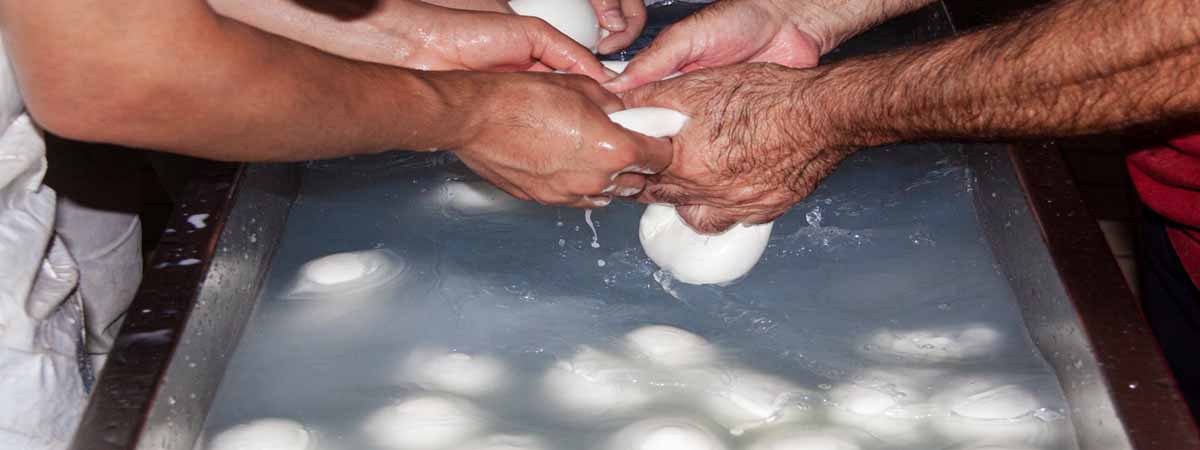
South, less than an hour beyond Salerno, wait the Greek temples of Paestum, three of the best-preserved Doric temples in the world standing in meadows by the sea, with the buffalo mozzarella farms of the plain around them for the day’s second act. Naples itself rewards the curious with its churches, palaces, and street life, and Sorrento and its peninsula round out the western horizon.

The art is restraint. The coast’s own rhythm is its treasure, and a trip that commutes daily soon stops being a coastal trip at all; we usually weigh one or two excursions into a five-night stay and let the rest of the time belong to the cliffs, the water, and the table. As part of a custom trip to Italy, we sequence the excursions so each one refreshes the journey, with every transfer arranged and supported around the clock.

Ready to Begin Planning Your Amalfi Coast Vacation?

The Amalfi Coast deserves more than a template. Since 2003, Trips 2 Italy has designed private Italian vacations one traveler at a time, hand selecting every experience based on what you tell us rather than fitting you into a predefined package. Our Italian-born team plans the Amalfi Coast with the knowledge of people who call Italy home, from the cliff stairways of Positano to the garden terraces of Ravello, and we remain at your side throughout your trip with 24/7 assistance. Tell us how you imagine the Amalfi Coast, and we will craft the itinerary that matches it.

Explore Our Amalfi Coast Vacation Itineraries

Frequently Asked Questions About Things to Do on the Amalfi Coast

A private boat day along the cliffs, taking in the fjord of Furore, the Emerald Grotto, swim stops off Praiano and the Li Galli islets, and lunch in a village reached from the sea, is the coast’s signature experience. Trips 2 Italy charters with trusted skippers and composes the day around each traveler’s appetite for swimming, sightseeing, and lingering.

The classic route from Bomerano to Nocelle covers roughly five miles of mule track with a gentle overall descent, manageable for most reasonably fit walkers in about three to four hours with stops. Good shoes and water matter, and spring and autumn offer the finest conditions. We arrange drivers to and from the trailheads and local guides who bring the route’s history to life.

The Grotta dello Smeraldo at Conca dei Marini is a sea cave discovered in 1932, where sunlight entering through an underwater opening turns the water a luminous emerald green. Visits enter by rowboat, and the grotto pairs naturally with a boat day along the coast, which is how we usually include it in an itinerary.

Easily, and best by private boat, which turns the crossing into a highlight: the Faraglioni rocks, the island’s coves and grottoes, time ashore in Capri town, and a swim on the return. We arrange full-day charters with skippers we have worked with for years, timed to the calmest seas and the quietest hours ashore.

It can be planned to be. Town choice matters enormously: Amalfi, Maiori, and Minori offer level harbor-front centers, while Positano is essentially vertical. We match bases, routes, and experiences to each traveler’s comfort, use drivers and boats to remove the hardest climbs, and design days so the coast’s beauty never depends on its stairways.

Capri by boat, Pompeii or Herculaneum over the mountains, the Greek temples of Paestum with the buffalo mozzarella farms beside them, and Naples for museums and street life all sit within easy reach. We usually weave one or two into a stay, protecting the coast’s own unhurried rhythm, with every transfer privately arranged.