
Campania Food and Wine Guide

HOME » POPULAR ITALIAN DESTINATIONS » ITALIAN TRAVEL GUIDES BY REGION » CAMPANIA TRAVEL GUIDE » CAMPANIA FOOD AND WINE GUIDE

Campania Travel Guide        Culture        History        Food and Wine        Things to Do        Plan My Trip

About this guide: This guide to the food and wine of Campania was written by the Italian-born travel specialists at Trips 2 Italy, a custom tour operator that has designed hand-crafted Italian vacations since 2003. Every recommendation below reflects the same first-hand knowledge our team draws on when we build a private Campania itinerary around a traveler’s interests, dates, and pace. Read it for your research, then let us translate it into a trip designed entirely around you.

What Defines the Cuisine of Campania?

Campania’s kitchen is the mother tongue of what the world calls Italian food. Pizza was born in Naples, the tomato found its truest expression on the volcanic soil around Vesuvius, dried pasta became an industry in the towns of the bay, and mozzarella reached its highest form in the buffalo pastures south of Salerno. When people anywhere on earth picture Italian eating, they are usually picturing Campania without knowing it.

The foundation is astonishing raw material. Volcanic soil concentrates flavor in everything it grows: the small, sweet Piennolo tomatoes of Vesuvius hung in winter clusters, the San Marzano tomatoes of the Sarno plain that sauce half the world, friarielli greens, artichokes, and the lemons of the coast, so fragrant they are eaten as much as squeezed. Add the fishing fleets of the bay and the buffalo herds of the plains, and the cook’s work becomes selection rather than transformation.

The result is a cuisine of directness and generosity, sea and garden on one table, that rewards a little fluency, and we provide it. Every culinary itinerary we design comes with guidance on what to order where and why, because the menu is a dialect: what the kitchen is proud of is seasonal, local, and often the simplest line on the page.

Why Is Naples the Birthplace of Pizza?

Pizza as the world knows it was invented in the streets of Naples, where flatbreads from the wood ovens fed the city’s working quarters for centuries before the tomato’s arrival completed the idea. By the eighteenth century the pizzerias of Naples were feeding everyone from laborers to curious aristocrats, and in 1889 the pizzaiolo Raffaele Esposito is said to have honored Queen Margherita with a pizza in the colors of the new Italian flag: tomato, mozzarella, and basil. The Margherita has carried her name ever since.

True Neapolitan pizza remains a discipline. The dough rises slowly, the oven burns near 900 degrees Fahrenheit, and the pizza emerges in about ninety seconds with a puffed, leopard-spotted cornicione and a tender center meant to be eaten immediately, ideally folded. The craft is so codified that the art of the Neapolitan pizzaiuolo was inscribed by UNESCO as intangible cultural heritage of humanity in 2017.

In Naples, pizza is not a food category. It is a civic institution, and eating it in its birthplace, in a room loud with the city, is one of Italy’s essential food experiences. We build pizza into Naples days properly: with a guide who knows the tradition’s history, at the hours when the ovens are at their rhythm, and, for travelers who want to go deeper, hands-on sessions where a pizzaiolo teaches the stretch and the fire.

What Makes Mozzarella di Bufala So Prized?

Mozzarella di bufala campana is one of Italy’s supreme products: porcelain-white, faintly tangy, weeping milk when cut, and utterly unlike the industrial cheese that borrows its name. It is made from the milk of water buffalo raised on the plains of the Sele and Volturno rivers, herds documented in the region for centuries, and it carries a protected DOP designation that ties the name to this land and this method.

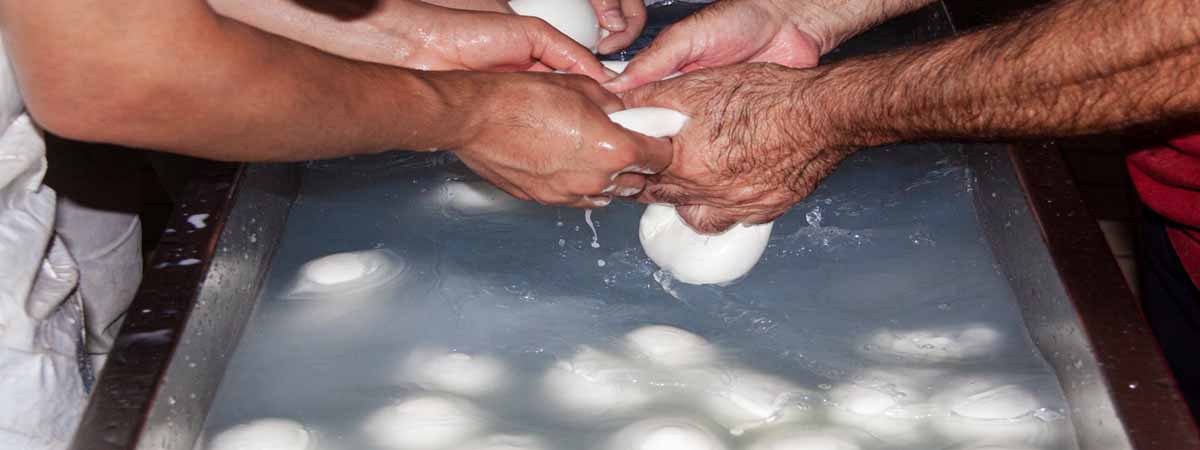
Watching it made is half the pleasure. In the dairies around Paestum and Battipaglia, the curd is stretched in near-boiling water and mozzata, cut by hand, the gesture that gives the cheese its name, into gleaming spheres that are best eaten the same day, at room temperature, with nothing more than good bread and olive oil. The same milk yields ricotta of extraordinary delicacy and the butter-rich aged provola.

We arrange dairy visits that begin with the buffalo themselves and end at a tasting table, often paired with the Greek temples of Paestum a few minutes away, a morning that joins the region’s oldest monuments to its most delicious living tradition. For travelers who care about where food comes from, it is consistently one of the most memorable mornings we plan in the entire region.

What Are the Classic Dishes of Campania?

Beyond pizza, the repertoire runs deep. Spaghetti alle vongole, with the small sweet clams of the bay, is the coast’s signature; paccheri and ziti carry the long-simmered Neapolitan ragù, a sauce cooked so slowly it has its own literature; and pasta alla genovese, despite the name, is pure Naples, an onion and beef sauce found nowhere else. Friarielli greens with sausage, parmigiana di melanzane, and peppered mussels fill out the table.

The street food tradition is its own education: pizza fritta, the fried calzone born in the lean postwar years; cuoppo, a paper cone of fried seafood eaten walking; and the counters of the Pignasecca market, where Naples does its shopping at full volume. On the coast, lemons scent everything from delicate spaghetti al limone to the grilled fish of the harbors, and the Cilento answers with the simplest food of all: white figs, olive oil, and vegetables from a UNESCO-listed landscape where the Mediterranean diet was first studied and named.

The through-line is seasonality without compromise: artichokes and peas in spring, tomatoes and seafood through summer, chestnuts and new oil as the year turns, and the great baroque feasts of Christmas. We time culinary itineraries to these rhythms deliberately, because the difference between eating in Campania and eating with Campania is the calendar.

The Sunday ragù deserves its own mention as ritual rather than recipe. In Neapolitan homes the sauce goes on before church and murmurs at the back of the stove for the better part of a day, perfuming the stairwell, and the family gathers around it as the week’s anchor. Travelers who join a family table for this meal, an arrangement we make through long-standing relationships, understand the region’s food culture in an afternoon.

Which Wines Made Campania Famous?

Campania is one of Italy’s oldest and most distinctive wine lands, its vineyards rooted in volcanic soil and its grapes largely the same varieties the Greeks and Romans planted. The king is Taurasi, from the Aglianico grape grown in the high hills of Irpinia east of Naples: dark, structured, and long-lived, it earned the nickname of the Barolo of the south and rewards cellaring like few wines in Italy.

The whites are just as consequential. Greco di Tufo, mineral and taut from vineyards above sulfur-veined earth; Fiano di Avellino, honeyed and hazelnut-edged, considered by many critics among Italy’s finest white grapes; and Falanghina, the friendly seaside pour of the bay. On the slopes of Vesuvius itself grows Lacryma Christi, the tears of Christ, in both white and red, a wine whose vineyards share the volcano with the buried cities it once served.

The coast and islands add their own bottles, Furore and Ravello wines from terraces hung over the sea, Ischia’s island whites, and everywhere the meal ends with limoncello, the coast’s lemon liqueur, served icy in a small glass. A well-composed wine itinerary tastes this whole family in its own landscapes, from Irpinia’s cellars to a terrace above the Tyrrhenian, in the order that lets each wine explain the next.

The vineyards themselves add a remarkable footnote: in parts of Campania the volcanic soils defeated the phylloxera louse that destroyed Europe’s vines in the nineteenth century, so some growers still tend ancient vines on their own original roots. Tasting in Irpinia or on Vesuvius with the families who farm them, an arrangement our specialists make through two decades of relationships, is wine travel at its most authentic.

What Role Do Lemons and Sweets Play on the Coast?

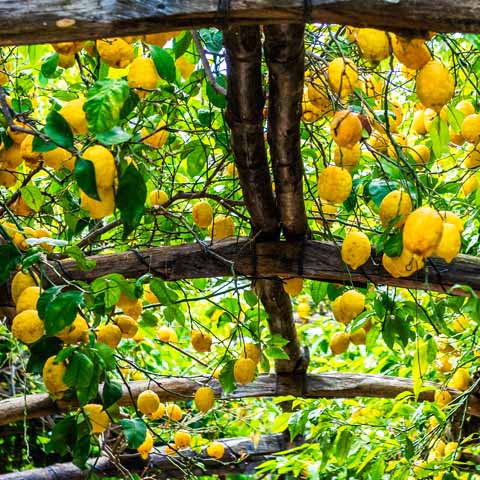
The lemons of the Amalfi Coast and Sorrento are a culture unto themselves. The sfusato amalfitano, long, pale, intensely fragrant, and sweet enough to eat in slices, grows on hand-built stone terraces under chestnut-pole pergolas that have shaped the cliffs for a thousand years. Tending them is heroic agriculture, and the terraced lemon gardens are as much a monument as any cathedral on the coast.

From the lemons comes limoncello, made from peels steeped in spirit and softened with syrup, the coast’s universal gesture of hospitality, along with lemon delizia cakes, granitas, and honeys. We arrange visits to family lemon groves where travelers walk the terraces, taste the fruit, and watch limoncello made the way each family insists is the only way, an experience that explains the coast’s economy and its perfume in a single afternoon.

The wider pastry tradition is glorious. Naples contributes the sfogliatella, its crackling shell of pastry leaves hiding warm ricotta; the rum-soaked babà; and pastiera, the Easter wheat and ricotta tart perfumed with orange blossom that Neapolitan families guard recipes for. Every espresso, itself a Neapolitan art form, arrives with the possibility of one more small perfect thing, and we make sure our travelers know which one to choose where.

Coffee in Naples is its own ceremony, pulled short and dark and drunk in a single standing act of punctuation, and the city considers its espresso the finest in Italy with a conviction that brooks no argument. Fine dining flourishes across the region as well, from celebrated coastal terraces to rooms reimagining the Neapolitan repertoire with contemporary craft, and we reserve the tables suited to each evening of an itinerary.

How Do We Craft Culinary Journeys Through Campania?

A Trips 2 Italy culinary itinerary begins with how you love food, not with a fixed menu of activities. For some travelers that means hands-on: a market morning in the Pignasecca with a Neapolitan cook, then a class where the morning’s basket becomes lunch, or a pizza session at the oven with a pizzaiolo. For others it means the source, buffalo dairies at Paestum, lemon terraces above Amalfi, vineyard walks on Vesuvius, or the cellar, tasting Taurasi vintages with the family that made them.

Because our team is Italian-born and has worked these hills and harbors since 2003, the settings are authentic rather than staged: family kitchens, working dairies, terraced groves, and the trattorie where the region actually eats. Anyone can book a food tour in Naples. Eating what the city is proudest of, in the rooms where it was invented, with the stories told properly, is the version we insist on.

Every culinary journey is composed around your dates and the season’s calendar, from spring artichokes to the vendemmia in Irpinia to the Christmas pastry season in Naples, as part of our wine tasting and food tours in Italy. Tell us how you imagine eating in Campania, and we will build the days around the table.

Ready to Begin Planning Your Campania Vacation?

Campania deserves more than a template. Since 2003, Trips 2 Italy has designed private Italian vacations one traveler at a time, hand selecting every experience based on what you tell us rather than fitting you into a predefined package. Our Italian-born team plans Campania with the knowledge of people who call Italy home, from the streets of Naples to the terraced villages of the Amalfi Coast, and we remain at your side throughout your trip with 24/7 assistance. Tell us how you imagine Campania, and we will craft the itinerary that matches it.

Explore Our Campania Vacation Itineraries

Frequently Asked Questions About Food and Wine in Campania

Campania gave the world pizza, born in Naples and protected by UNESCO as cultural heritage, along with mozzarella di bufala, San Marzano tomatoes, spaghetti alle vongole, Neapolitan ragù, sfogliatella and babà pastries, and the lemons and limoncello of the Amalfi Coast. The region’s volcanic soil and fishing fleets give its simple dishes extraordinary depth.

Taurasi, the long-lived Aglianico red called the Barolo of the south, leads the region, joined by the whites Greco di Tufo, Fiano di Avellino, and Falanghina, and by Lacryma Christi from the slopes of Vesuvius. We arrange tastings with producers we know personally, from Irpinia’s historic cellars to terraced vineyards above the Amalfi Coast.

The great buffalo dairies lie on the plains around Paestum and Battipaglia, south of Salerno, where the DOP cheese is still stretched and cut by hand each morning. Trips 2 Italy arranges dairy visits with tastings, often paired with the Greek temples of Paestum nearby for one of the region’s most rewarding mornings.

It is made from slow-risen dough, blistered in a wood oven near 900 degrees for about ninety seconds, with a puffed, tender rim and a soft center meant to be eaten immediately. The classic is the Margherita of tomato, mozzarella, and basil. Eating it in Naples, where the craft was born and is still practiced with discipline, is one of Italy’s essential food experiences.

Limoncello is the lemon liqueur of the Sorrento peninsula and Amalfi Coast, made by steeping the fragrant peels of the coast’s terraced lemons in spirit. Families along the coast each guard their own recipe, and it is served icy after meals as the coast’s signature gesture of hospitality. We arrange grove visits where travelers see it made at the source.

Yes, and the setting makes the experience. We arrange market mornings with local cooks followed by hands-on sessions in real kitchens, pizza-making at the oven with Neapolitan pizzaioli, and coastal classes where lemons and the day’s catch set the menu. Private, personal, and rooted in the region’s true home cooking rather than a staged classroom.