
Amalfi Coast Food and Wine Guide

HOME » POPULAR ITALIAN DESTINATIONS » AMALFI COAST TRAVEL GUIDE » AMALFI COAST FOOD AND WINE GUIDE

Amalfi Coast Travel Guide        Culture        History        Food and Wine        Things to Do        Plan My Trip

About this guide: This guide to the food and wine of the Amalfi Coast was written by the Italian-born travel specialists at Trips 2 Italy, a custom tour operator that has designed hand-crafted Italian vacations since 2003. Every recommendation below reflects the same first-hand knowledge our team draws on when we build a private Amalfi Coast itinerary around a traveler’s interests, dates, and pace. Read it for your research, then let us translate it into a trip designed entirely around you.

What Defines the Cuisine of the Amalfi Coast?

Amalfi Coast cooking is the marriage of two harvests: the sea below and the terraces above. The fishing boats of Cetara and Praiano land anchovies, squid, and the day’s catch; the cliff gardens send down lemons, tomatoes, herbs, and the small sweet peppers and greens of household plots; and the kitchens of this corner of Campania join the two with olive oil, garlic, and restraint. Nothing here is elaborate, because nothing needs to be.

It is a cuisine of vertical scarcity turned to advantage. With almost no flat land, the coast never raised herds or grain in quantity, so its cooks built a repertoire from fish, vegetables, citrus, and hand-shaped pasta, seasoned with an ingredient their Roman ancestors would recognize: the amber anchovy essence of Cetara, direct descendant of the ancient garum. The result tastes like nowhere else in Italy, bright where the north is rich, maritime where the inland south is pastoral.

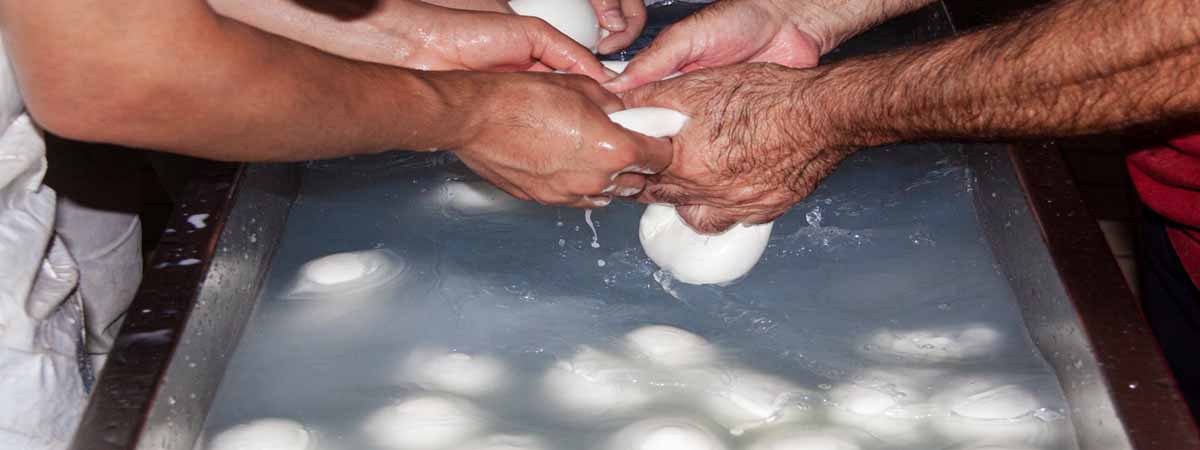
Eating well here rewards a little fluency, and we provide it. Every culinary itinerary we design comes with guidance on what to order where and why: which village does the day-boat fish best, where the mozzarella arrives twice daily from the Lattari pastures above, which terrace kitchens cook the old repertoire without performance. The menu on this coast is a map, and reading it is half the pleasure.

Why Are Lemons the Soul of the Amalfi Coast?

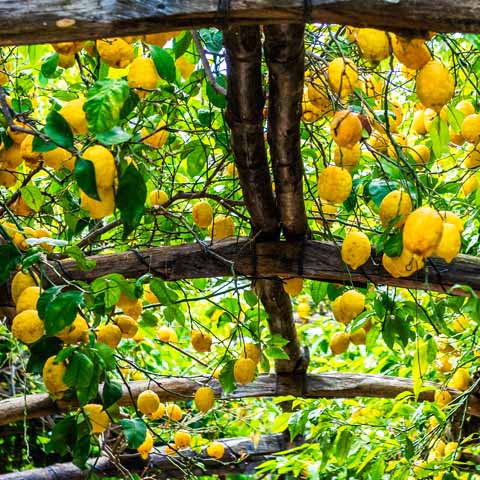
The coast’s signature crop is the sfusato amalfitano, a lemon found nowhere else: long and tapered, with pale gold skin, intense perfume, low acidity, and flesh sweet enough to eat in slices with a little sugar, as coastal families still do. Protected by the Limone Costa d’Amalfi IGP designation, it grows on terraces carved into the cliffs over a thousand years, under chestnut-pole pergolas that shade the fruit and, in winter, carry the black nets that guard it from hail.

The lemon gardens are the coast’s true monuments. Farmers still work slopes too steep for machines, carrying harvests on their shoulders down thousands of steps, and the terraces they maintain hold the hillsides together; every glass of limoncello funds, in a small way, the survival of the landscape itself. Walking a working lemon terrace, ducking beneath the pergolas with the sea flashing far below, is among the most memorable hours the coast offers.

We arrange those hours directly with the growing families: private garden walks in Amalfi’s valley and above Minori and Maiori, harvest mornings in season, tastings of oil, citrus honey, and candied peel, and lunches served among the trees where everything on the table, from the lemon-leaf-wrapped cheese to the final chilled glass, comes from the terraces around you. For many travelers, the lemon garden day quietly becomes the trip’s favorite memory.

What Should You Know About Limoncello?

Limoncello is the coast’s liquid signature: sfusato lemon zest steeped in pure alcohol, married with sugar syrup, and served ice cold in small chilled glasses at the end of a meal. The recipe is disarmingly simple, which is exactly why quality varies so much; everything depends on the lemons, the freshness of the zest, and the patience of the maker. On the Amalfi Coast, where the raw material is the finest in Italy, the benchmark is set by farm and family producers working with fruit picked hours earlier.

The ritual matters as much as the bottle. Limoncello is a digestivo, poured after dinner as conversation stretches, and coastal families each defend their own recipe with the seriousness other regions reserve for wine. Around it stands a whole citrus pantry: crema di limoncello made with milk, lemon honey, candied sfusato peel, lemon marmalades, and the lemon granita that punctuates summer afternoons on every beachfront.

The best way to understand it is to make it. We arrange limoncello sessions with producing families where travelers zest, steep, and blend under the maker’s eye, then taste the house version alongside the fresh fruit it comes from. It is a small experience with a long echo: every bottle opened at home afterward carries the terrace, the pergola shade, and the sea light with it.

What Are the Classic Dishes of the Amalfi Coast?

Begin with the pasta the coast invented. Scialatielli, short, thick, irregular ribbons enriched with milk and herbs, were codified in Amalfi in the 1970s by a local chef and have become the coast’s standard-bearer, almost always served ai frutti di mare, tangled with mussels, clams, and the day’s shellfish. Minori contributes ndunderi, plump ricotta dumplings descended, tradition says, from an ancient Roman recipe, and among the oldest pasta shapes still made in Italy.

Cetara’s anchovies appear in every register: marinated fresh with lemon, fried, layered into sauces, and above all as colatura di alici, the amber essence drawn from anchovies salt-cured in chestnut barrels, a few drops of which transform a bowl of spaghetti. Elsewhere the repertoire runs to totani e patate, squid stewed with potatoes in Praiano’s home style, whole fish baked all’acqua pazza with tomatoes and herbs, and octopus, mussels, and paranza fry cooked within sight of the boats that landed them.

From the mountains above come the other half of the table: fior di latte and smoked provola from the Lattari dairies, the pastured cheeses of Tramonti and Scala, chestnuts in autumn, and the wood-oven pizza tradition Tramonti’s emigrant pizzaioli carried across Italy. The through-line is immediacy; this is a cuisine measured in hours from source to plate, and we time market visits and cooking sessions so travelers taste it at exactly that freshness.

The vegetables deserve their own mention, because the coast’s kitchen gardens are as steep and as loved as its lemon terraces. Sun-dense tomatoes, zucchini and their blossoms, eggplant, wild fennel, and the herbs that grow between the terrace stones all reach the table within steps of where they grew, and the fritto of just-picked vegetables beside the day’s fish is one of the coast’s quiet masterpieces. Travelers who cook with a coastal family learn quickly that the garden, not the sea, is where every meal begins.

Which Wines Grow on the Amalfi Coast's Terraces?

Costa d’Amalfi DOC may be Italy’s most dramatic wine appellation: vines on stone terraces and pergolas pinned to cliffs between village and sky, farmed entirely by hand, in three named subzones, Furore, Ravello, and Tramonti. The whites lead, blends of Falanghina and Biancolella with the rare native grapes Fenile, Ginestra, and Ripoli, saline and citrus-edged wines that taste unmistakably of their sea-facing slopes.

The reds are the insiders’ discovery. In the high bowl of Tramonti, ungrafted vines of the dark native Tintore, some well over a century old and among the oldest producing vines in Europe, survive on their own roots, yielding deep, peppery wines of remarkable character, alongside Aglianico and Piedirosso. Drinking a century-old-vine Tintore in a Tramonti cellar, ten minutes from the tourist coast and a world away from it, is one of Campania’s great wine experiences.

The wider region completes the cellar: Fiano di Avellino and Greco di Tufo from the hills inland, Lacryma Christi from the volcanic soils of Vesuvius across the bay, and Taurasi, the south’s most age-worthy red, all within reach of a dedicated day. We arrange terrace-vineyard visits and tastings with the coast’s small family producers, whose wines rarely travel far beyond it, with a private driver handling the mountain roads so every glass can be enjoyed.

What Sweets and Rituals Complete the Coastal Table?

The coast’s emblematic dessert is the delizia al limone, a dome of sponge soaked and cloaked in sfusato lemon cream, invented on the Sorrentine Peninsula in the 1970s and perfected in the pastry shops of Minori, the coast’s acknowledged sweet capital. Beside it stands an eighteenth-century masterpiece: the sfogliatella Santa Rosa, created by the nuns of the Santa Rosa monastery above Conca dei Marini, its crisp shell of pastry leaves filled with semolina cream and crowned with amarena cherries.

Autumn and winter bring the chestnut sweets of the hill villages, Christmas fills the bakeries with struffoli and mostaccioli in the Neapolitan manner, and summer belongs to lemon granita and gelato eaten on the passeggiata. The rituals frame every day: espresso taken standing at the bar, the long Sunday lunch, the aperitivo hour as the light turns gold over the water, and the conviction, held everywhere on this coast, that a meal facing the sea should never be hurried.

Fine dining flourishes here too, from celebrated cliff-top rooms reinventing the coastal repertoire to farm kitchens elevating the terraces’ produce, and we reserve the tables suited to each evening of an itinerary, balancing starred ambition with the trattoria honesty that is the coast’s soul. Grand or humble, the Amalfi table keeps one rule: the lemon arrives at the end, in one form or another, and it is always right.

How Do We Craft Culinary Journeys Along the Amalfi Coast?

A Trips 2 Italy culinary itinerary begins with how you love food, not with a fixed menu of activities. For some travelers that means hands-on: a morning in a terrace kitchen learning scialatielli and delizia al limone from a coastal cook, with lunch as the homework. For others it means the sources themselves: the dawn fish auction rhythm of Cetara, a mozzarella dairy in the Lattari hills, a lemon harvest, a cellar of old Tintore vines in Tramonti.

Because our team is Italian-born and has worked this coast since 2003, the settings are authentic rather than staged: family lemon gardens, working boats, village pastry kitchens, cellars without signs. We pair the days with the right logistics, a driver for the mountain roads, a boat for the fishing villages, so that appetite rather than geography sets the agenda.

Every culinary journey is composed around your dates and the season’s calendar, from spring’s first garden vegetables to the September vendemmia on the terraces and the winter citrus harvest, as part of our wine tasting and food tours in Italy. Tell us how you imagine eating on the Amalfi Coast, and we will build the days around the table.

Ready to Begin Planning Your Amalfi Coast Vacation?

The Amalfi Coast deserves more than a template. Since 2003, Trips 2 Italy has designed private Italian vacations one traveler at a time, hand selecting every experience based on what you tell us rather than fitting you into a predefined package. Our Italian-born team plans the Amalfi Coast with the knowledge of people who call Italy home, from the cliff stairways of Positano to the garden terraces of Ravello, and we remain at your side throughout your trip with 24/7 assistance. Tell us how you imagine the Amalfi Coast, and we will craft the itinerary that matches it.

Explore Our Amalfi Coast Vacation Itineraries

Frequently Asked Questions About Food and Wine on the Amalfi Coast

The coast is celebrated for its sfusato amalfitano lemons and limoncello, scialatielli pasta with seafood, the anchovies and colatura di alici of Cetara, ndunderi from Minori, mozzarella and smoked provola from the Lattari hills, and lemon desserts led by the delizia al limone and the sfogliatella Santa Rosa of Conca dei Marini.

Limoncello is a liqueur of lemon zest steeped in alcohol and blended with sugar syrup, served ice cold after meals. The Amalfi Coast and neighboring Sorrento both claim it, and the coast’s version is made with the protected sfusato amalfitano lemon. Trips 2 Italy arranges tastings and making sessions with producing families in their own terraced gardens.

Costa d’Amalfi DOC wines grow on hand-worked cliff terraces in the subzones of Furore, Ravello, and Tramonti: saline whites from Falanghina, Biancolella, and rare native grapes, and characterful reds from Aglianico, Piedirosso, and the ancient Tintore, including bottlings from ungrafted vines over a century old in Tramonti.

Colatura is the amber essence drawn from anchovies salt-cured in chestnut barrels in the fishing village of Cetara, a direct descendant of the garum of ancient Rome. A few drops dress spaghetti into one of the coast’s defining dishes, and visiting Cetara to taste it at the source is a highlight of any culinary itinerary we design.

Yes, and the setting makes the experience. We arrange private sessions in terrace kitchens and farmhouses where a coastal cook teaches scialatielli, seafood classics, and lemon desserts, often beginning with a garden or market walk. The morning’s picking becomes lunch, served with the sea below the table.

Absolutely. The lemon-cream dome is the coast’s emblematic dessert, at its best in Minori, the coast’s pastry capital, where it is made with sfusato lemons picked steps away. We build pastry stops into coastal days deliberately, because the sweet tradition here, from the Santa Rosa sfogliatella onward, is as distinguished as the savory one.