Things To Do in Sicily

HOME » POPULAR ITALIAN DESTINATIONS » ITALIAN TRAVEL GUIDES BY REGION » SICILY TRAVEL GUIDE » SICILY THINGS TO DO GUIDE

Sicily Travel Guide        Culture        History        Food and Wine        Things to Do        Plan My Trip

About this guide: This guide to things to do in Sicily was written by the Italian-born travel specialists at Trips 2 Italy, a custom tour operator that has designed hand-crafted Italian vacations since 2003. Every recommendation below reflects the same first-hand knowledge our team draws on when we build a private Sicily itinerary around a traveler’s interests, dates, and pace. Read it for your research, then let us translate it into a trip designed entirely around you.

What Belongs at the Top of Every Sicily Itinerary?

Three encounters anchor a first visit. The Valley of the Temples at Agrigento, where a ridge of Doric temples culminates in the astonishingly complete Temple of Concordia, is the island’s signature image, best walked in early morning or late golden light. Taormina offers the second: the ancient theater whose stage frames Mount Etna and the coast in a single view that has drawn travelers since the Grand Tour.

Palermo delivers the third, an immersion rather than a monument: the golden mosaics of the Palatine Chapel and Monreale, the layered cathedral, the stucco theaters of the oratories, and street markets of Levantine intensity, all within a walkable, exuberant capital. Syracuse and its island heart of Ortigia complete the essential list, pairing the great Greek theater and quarries with lanes, baroque piazzas, and sea-front evenings of their own.

This is where planning shows its value most. We arrange expert guides who turn stones into stories, time the great sites for their quiet hours, and sequence the marquee days so each region unfolds without backtracking. The difference between meeting the Temple of Concordia at the right hour and the wrong one is the difference between awe and endurance.

Allow these anchors room to breathe. The Valley of the Temples rewards two to three hours plus its museum, Palermo deserves two full days once Monreale is included, and Taormina is best enjoyed with an overnight so the town’s evening belongs to you. We build the marquee days with drivers, guides, and entries arranged in advance, so the only decisions left to you are where to linger.

What Is It Like to Experience Mount Etna?

Etna is a living presence, the tallest active volcano in Europe, and a day on the mountain is unlike anything else in Italy. Cable car and specialized vehicles climb toward the summit craters through a black lunar landscape, while lower slopes offer lava caves to walk through, extinct craters to circle on foot, and forests and vineyards thriving on the mineral soil. On clear days the view runs from the smoking vents to the Ionian Sea.

The mountain rewards every level of ambition. Gentle itineraries pair a crater walk with a lava cave and a long estate lunch among the vines; energetic travelers can trek the summit zone with volcanological guides who read the mountain’s moods; and in winter, remarkably, the volcano becomes a small ski area with the sea shining below.

The volcano also rewrites itself constantly, and that is part of its fascination: fresh craters from recent eruptions, lava flows dated like vintages, and guides who talk about the mountain the way sailors talk about the sea. Etna is carefully monitored and visits adjust to its moods, which is one more reason we place the day in professional hands.

We arrange Etna days with mountain guides we trust, matched carefully to fitness and interest, and pair the volcano with the wine villages on its slopes as part of our active trips in Italy. The classic composition, morning on the craters and afternoon in a terraced vineyard, remains one of the most requested days in all our Sicilian itineraries.

Why Does the Baroque Southeast Deserve Unhurried Days?

The Val di Noto is Sicily’s golden corner, a constellation of towns rebuilt in exuberant baroque after the earthquake of 1693 and now inscribed together by UNESCO. Noto is the set piece, a boulevard of honey-colored churches and palaces that glows deeper as the sun falls; Ragusa Ibla stacks domes and terraces over its ravine; Modica climbs its gorge between chocolate shops and stairway churches; and little Scicli keeps its theatrical piazzas nearly to itself.

The pleasure of the southeast is rhythm rather than checklist: a palace or church in the morning, a long lunch, a passeggiata as the stone turns gold, perhaps a granita on a baroque balcony. Syracuse sits at the region’s edge as a natural base, and the fishing village of Marzamemi adds a sea-front lunch of extraordinary charm.

Syracuse itself deserves more than a staging role. The archaeological park holds the great theater and the cave called the Ear of Dionysius, the cathedral square on Ortigia is among the most beautiful rooms in Europe, open to the sky, and the island’s market mornings and sea-front evenings give the baroque days their counterpoint. Many travelers name Ortigia their favorite base in all of Sicily.

We design Val di Noto days with drivers and local storytellers so the towns unfold without logistics intruding, and we deliberately build in unscheduled hours. Travelers consistently name these unhurried baroque evenings, when the day visitors have gone and the towns return to themselves, among the finest moments of their Sicilian journey.

Which Museums and Churches Reward Art Lovers?

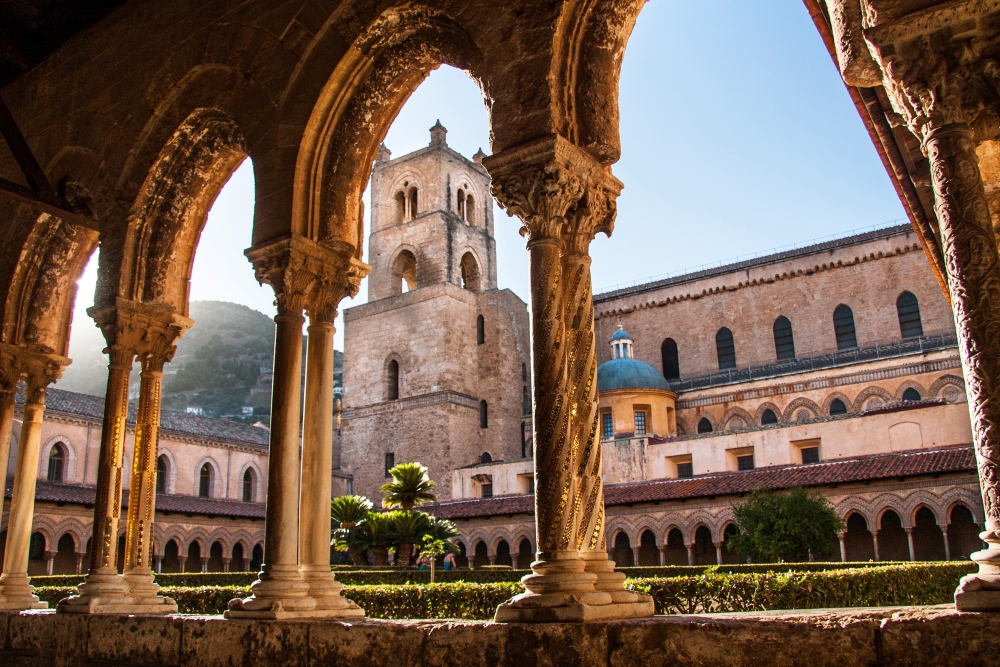
Palermo leads: the Palatine Chapel is one of the supreme interiors of the Middle Ages, Monreale’s mosaic cycle covers its cathedral in glittering scripture, and the oratories of Giacomo Serpotta fill small rooms with dancing stucco. The regional archaeological museum holds the sculpted metopes of Selinunte, among the most important Greek sculptures in existence, and the Palazzo Abatellis gallery keeps Antonello da Messina’s luminous Annunciata.

The east answers in kind. Syracuse’s archaeological museum ranks among Europe’s finest, its cathedral is a Greek temple wearing a baroque facade with its Doric columns still visible in the walls, and Caravaggio’s Burial of Saint Lucy broods in the church for which it was painted. The Villa Romana del Casale near Piazza Armerina, with the richest Roman mosaics anywhere, rewards the drive into the interior.

We compose art-focused days with specialists who read these rooms fluently, arrange timing so the great interiors are met in relative quiet, and, where access allows, add palaces still lived in by the families who built them. For serious enthusiasts, Sicily rewards depth more than almost anywhere in Italy, and depth is precisely what a custom itinerary provides.

Caltagirone adds a final artistic pilgrimage for lovers of the applied arts: a thousand years of maiolica ceramics, a museum that traces the craft from Arab glazes to the present, and the famous staircase of one hundred forty-two steps, each riser tiled with the town’s own work. It pairs naturally with the Villa Romana for a rewarding day in the island’s interior.

Where Do You Find the Quieter Side of Sicily?

West, mostly. The temple of Segesta stands alone in open hill country, as moving as any site on the island and rarely crowded. Erice watches the coast from its mountaintop of stone lanes and marzipan pastry shops, the salt pans of Trapani and Marsala turn rose-gold at evening beneath their windmills, and the Zingaro nature reserve keeps a walking coastline of coves and turquoise water without a road in sight.

The interior hides its own rewards: hill towns where festival preparations run all year, the ceramic stairway of Caltagirone, and countryside estates where the island’s agricultural life continues as it has for centuries. Even the famous east keeps quiet corners, from the river walks of the Alcantara gorges to villages on Etna’s north slope that see a fraction of Taormina’s visitors.

Selinunte deserves a special word: the vast temple field of the ancient city spreads along the southwestern shore, monumental and strangely empty, with columns fallen like felled forests and the sea glittering beyond. Paired with Segesta, its historical rival, it makes a day of Greek grandeur without a single queue, and it remains one of the sites our returning travelers praise most.

Our itineraries deliberately alternate the celebrated with the quiet, because the alternation is what keeps a trip feeling like discovery. The travelers who fall hardest for Sicily are almost always the ones whose itineraries gave them one day nobody they know has ever taken.

What Coastal and Island Experiences Does Sicily Offer?

Sicily’s coasts change character with the compass. Cefalu pairs its Norman cathedral with a long golden beach and a fishing harbor; Mondello curves its white sand below Palermo’s mountain; the southeast keeps warm, shallow lidos below the baroque towns; and the Scala dei Turchi, the white marl staircase falling into a turquoise sea near Agrigento, is among the Mediterranean’s most startling sights. Private boat days along the Taormina and Syracuse coasts turn the shoreline into an itinerary of grottoes and swimming coves.

Off the north coast float the Aeolian Islands, seven volcanic sisters where a different Sicily lives on island time: whitewashed Lipari, green Salina of the capers and Malvasia vines, chic little Panarea, and Stromboli, whose crater glows against the night sky on evening cruises travelers never forget.

Boat days deserve planning like any monument. The right departure point, the right season, and the right crew turn a coastal cruise into the trip’s most relaxed day, whether that means swimming stops below Taormina, an evening circuit of Stromboli’s glowing flank, or a slow run along Ortigia’s walls at sunset. We charter with skippers we know, provision the day properly, and let the coast do the rest.

Families thrive on these coasts, where beach afternoons balance temple mornings and boat days feel like adventure to every generation, and we compose such journeys as part of a family vacation to Italy. From hydrofoil timings to the right cove for a swimming stop, we arrange the logistics so the sea days feel effortless.

How Should Evenings and Day Trips Round Out a Sicilian Itinerary?

Sicilian evenings are an itinerary of their own. Taormina’s corso fills for the passeggiata as the theater empties, Ortigia’s baroque piazzas glow over the water, Palermo offers opera at the Teatro Massimo, the largest opera house in Italy, and in summer the ancient theaters of Taormina and Syracuse stage performances beneath the stars. An aperitivo hour in a baroque square, timed to the golden light, costs nothing but planning and repays it every night.

The classic day trips arrange themselves around the bases: from the east, Etna, the Alcantara gorges, and the Val di Noto towns; from Palermo, Monreale, Cefalu, and Segesta; from Syracuse, Noto and the fishing villages of the southeastern corner. The Aeolian Islands work as a day by hydrofoil but reward an overnight, and the Villa Romana del Casale anchors the drive between coasts.

How far to reach depends on the trip’s rhythm, and that judgment is our craft. As part of a custom trip to Italy, we sequence Sicily’s days so each one refreshes rather than repeats, with every transfer arranged and supported around the clock. The island rewards travelers who resist the urge to see everything, and we design itineraries that make that restraint feel like luxury.

Ready to Begin Planning Your Sicily Vacation?

Sicily deserves more than a template. Since 2003, Trips 2 Italy has designed private Italian vacations one traveler at a time, hand selecting every experience based on what you tell us rather than fitting you into a predefined package. Our Italian-born team plans Sicily with the knowledge of people who call Italy home, from the Greek temples of Agrigento to the vineyards climbing Mount Etna, and we remain at your side throughout your trip with 24/7 assistance. Tell us how you imagine Sicily, and we will craft the itinerary that matches it.

Explore Our Sicily Vacation Itineraries

Frequently Asked Questions About Things to Do in Sicily

The Valley of the Temples at Agrigento is the island’s signature encounter, a ridge of Doric temples crowned by the remarkably complete Temple of Concordia, ideally walked in early morning or late golden light. Trips 2 Italy pairs it with an expert guide and timing that lets the site breathe, which transforms the experience entirely.

Comfortably. Cable car and specialized vehicles reach the high slopes without strenuous walking, lava caves and lower craters suit gentle itineraries, and the wine villages on the volcano’s flanks reward travelers who prefer tastings to trekking. We match every Etna day to fitness and interest, with trusted mountain guides.

Yes, decisively. The ancient theater framing Etna and the sea is one of the great views of the Mediterranean, and the town’s terraces, gardens, and nearby Isola Bella earn their fame. The secret is timing and access, staying to enjoy the evening passeggiata after the day visitors leave, which is exactly how we design Taormina stays.

The Aeolians are seven volcanic islands off Sicily’s north coast, from green Salina with its caper farms and Malvasia vines to Stromboli, whose glowing crater lights the night sky. They suit travelers with eight or more days on the island, and we arrange hydrofoils, boats, and island stays so the extension feels effortless.

Noto for the grand set-piece boulevard, Ragusa Ibla for the most dramatic setting, and Modica for its gorge-side stacking and famous chocolate, with quiet Scicli for travelers who want a town nearly to themselves. Two unhurried days based in or near Syracuse cover the essentials beautifully.

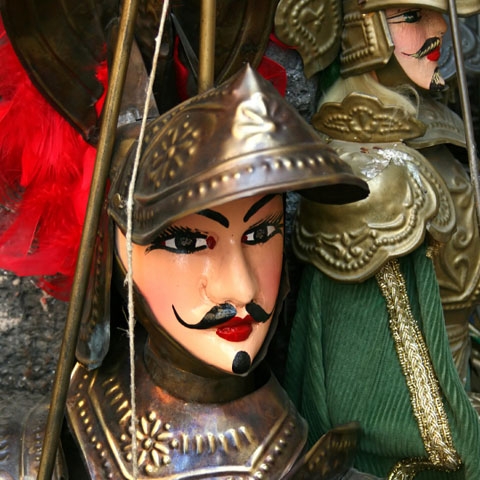
Excellent. Temples double as adventure landscapes, Etna is a real volcano children never forget, puppet theaters and painted carts delight every age, and beach afternoons balance sightseeing mornings. Trips 2 Italy composes family itineraries with the pacing, guides, and boat days that keep every generation engaged.