Sicily’s cultural wealth emerges from its unique position as a crossroads where Greek, Roman, Arab, Norman, and Spanish civilizations have left indelible marks, creating a tapestry of artistic and architectural treasures that rivals any European destination. The Valley of the Temples near Agrigento stands as one of archaeology’s greatest achievements, where a series of five magnificent Greek temples dating to the 5th century BC showcase the extraordinary engineering prowess of ancient Sicily, with the Temple of Concordia standing among the world’s best-preserved classical structures. These temples, constructed using the local golden limestone that glows warmly in sunlight, demonstrate how thoroughly Greek civilization flourished in Sicily during antiquity, when the island was as culturally important as Athens or Rome itself.
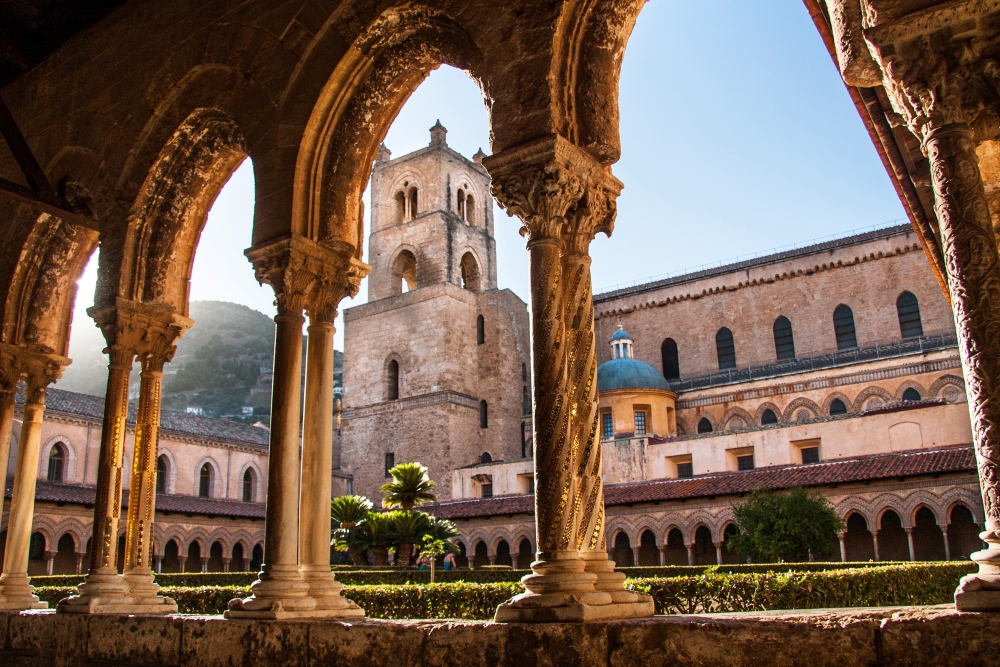
The Cappella Palatina within Palermo’s Norman Palace represents perhaps the most stunning example of Arab-Norman fusion architecture, where Byzantine mosaics depicting biblical scenes cover every interior surface, while Arabic stalactite ceilings and geometric patterns create an atmosphere of extraordinary opulence and refinement. This 12th-century chapel embodies the remarkable cultural synthesis that occurred under the Norman kings, where Christian, Muslim, and Jewish communities coexisted and created works of extraordinary beauty together. UNESCO has recognized this cultural phenomenon by designating several Sicilian towns as World Heritage sites, including Palermo with its Arab-Norman heritage, and the Val di Noto region where 18th-century Baroque town planning created entire communities of harmonious architectural beauty.
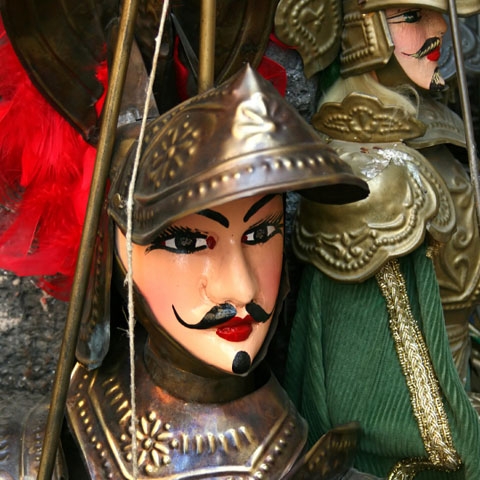
Sicily’s cultural significance extends beyond these grand monuments to encompass living traditions—from the UNESCO-protected Opera dei Pupi (puppet theater traditions), to the intricate ceramic work of Caltagirone where each step of the famous staircase is adorned with hand-painted maiolica tiles, to the production of traditional textiles and crafts in mountain villages. Contemporary Sicilian culture vibrates with energy, particularly during summer festival season when towns throughout the island celebrate their patron saints with processional traditions, theatrical performances, and elaborate decorative schemes that often involve entire communities in their creation and execution.