Flavors of Langhe Tour | Vacation Packages for 2025 – 2026
Experience Piedmont’s Langhe region as you savor world-class wines, explore hilltop villages and discover castles in Italy’s gourmet heartland. Starting from $1,448 per person.
HOME » POPULAR ITALIAN DESTINATIONS » ALBA TRAVEL GUIDE » ALBA THINGS TO DO GUIDE
Alba Travel Guide Culture History Food and Wine Things to Do Plan My Trip
About this guide: This guide to things to do in Alba was written by the Italian-born travel specialists at Trips 2 Italy, a custom tour operator that has designed hand-crafted Italian vacations since 2003. Every recommendation below reflects the same first-hand knowledge our team draws on when we build a private Alba itinerary around a traveler’s interests, dates, and pace. Read it for your research, then let us translate it into a trip designed entirely around you.
Begin in Piazza Risorgimento, the cathedral square at the heart of this corner of Piedmont, where the brick Duomo of San Lorenzo rises beside the surviving medieval towers that gave Alba its hundred-tower legend. Step inside the cathedral for its sixteenth-century inlaid choir stalls, then let Via Vittorio Emanuele II, the beloved Via Maestra, carry you through the old town past pastry shops, wine merchants, and, in season, truffle dealers.
The deeper town rewards curiosity. The Gothic church of San Domenico shelters medieval frescoes and first-rate exhibitions, the civic museum holds the archaeology of Roman Alba Pompeia, and the underground routes of Alba Sotterranea descend beneath the squares to the Roman theater and temple foundations, one of the most atmospheric small-town archaeological visits in northern Italy.
Allow time for the town’s living rituals: a Saturday morning in the market that has convened since the Middle Ages, an aperitivo on the piazza as the passeggiata flows past, and an unhurried visit to the confectioners whose hazelnut and chocolate craft made Alba famous. The town is compact, flat, and made for walking, and a half day in the hands of a good local guide, which we arrange with pleasure, unlocks layers a visitor would never find alone.
Art lovers should watch the exhibition calendar. The Ferrero Foundation mounts acclaimed shows of major Italian artists in its Alba galleries, San Domenico hosts contemporary and historical exhibitions beneath its Gothic vaults, and the town hall keeps works by Macrino d’Alba, the town’s own Renaissance painter. For a small market town, Alba’s cultural programming is strikingly ambitious, and it gives rainy-day hours real purpose.
It begins early, often with mist still holding the valleys, when you meet the trifolau and his dog at the edge of a wood whose location he will politely decline to describe too precisely. Then the dog leads: nose down, ranging between oaks and poplars, suddenly urgent at the base of a tree, and the hunter kneels with his small spade to lift a knot of pale gold from the roots while the dog collects its well-earned reward.
The experience is equal parts nature walk, theater, and apprenticeship. A good trifolau explains the trees, the seasons, the dog’s training, and the unwritten codes of a craft passed through families for generations, and travelers come away understanding why the white truffle resists every attempt at cultivation and why the hunters remain figures of local legend.
We arrange private hunts throughout the season, matched to the traveler: gentle morning walks for those who want atmosphere, longer expeditions for the fully committed, and family versions where children fall in love with the dog before the first find. The proper ending is nonnegotiable: a table nearby where the morning’s truffle is weighed, shaved, and eaten over tajarin or eggs while the walk is still in your legs.
The Barolo side rises minutes southwest of Alba. La Morra crowns the highest ridge with a belvedere over the entire denomination, the village of Barolo itself gathers beneath the Falletti castle, now home to a striking museum of wine, and Serralunga d’Alba huddles around one of Italy’s most dramatic fourteenth-century keeps. Castiglione Falletto, Monforte d’Alba with its amphitheater-like upper piazza, and the castle of Grinzane Cavour complete a circuit of astonishing density.
The Barbaresco side, minutes northeast, is smaller and quieter. The village of Barbaresco announces itself with its landmark eleventh-century tower, now an interpretive site with views over the Tanaro, and Neive, officially ranked among Italy’s most beautiful villages, folds wine cellars into its perfectly preserved medieval lanes. Treiso rounds out the denomination high above the vineyards.
The art of a village day is restraint and sequence: two or three villages, a proper lunch, a cellar visit, and time to simply stand at a belvedere while the patchwork of crus arranges itself below. We compose these days with drivers who know every ridge road and hosts expecting you by name, so the region’s intimacy, its true luxury, is never rushed out of the day.
The choices range from grand to gloriously small. Historic estates receive visitors in frescoed villas and cellars stacked with decades of vintages, while young growers pour their entire production across a kitchen table with equal pride. Regional enotecas, including the celebrated one in the castle of Grinzane Cavour, gather hundreds of producers under one roof for travelers who want the full panorama in a single stop.
Tastings here are conversations rather than transactions. Producers open bottles according to the visitor’s curiosity, comparisons of village against village and vintage against vintage turn into geography lessons, and collectors can arrange verticals reaching back decades. Because most estates receive by appointment only, introductions matter, and ours are personal: cellars our Italian-born team has visited, in many cases, for twenty years.
We build tasting days in every register: first encounters with Nebbiolo for newer palates, deep single-denomination immersions for devotees, harvest visits when the cellars run at full tilt, and quiet winter tastings when the winemaker has all afternoon. With a private driver handling the hills, the day stays effortless from first pour to last.
The castle settings add theater to the glass. At Grinzane Cavour, the regional enoteca and its museum fill the halls where Cavour once presided, and tasting a Barolo within sight of the vineyards that produced it collapses the distance between landscape and label. At the castle of Barolo, the wine museum tells the story with imagination before the village’s cellars tell it with corkscrews. We often pair one castle with one family cellar in a single day, so the grand narrative and the personal one illuminate each other.
The Langhe rewards travelers who leave the car. Marked paths and quiet farm roads link the villages through the vines, and walks such as the stretch between Barbaresco and Neive, or the panoramic circuits above La Morra, turn the World Heritage landscape into an experience measured in footsteps, birdsong, and the crunch of gravel between vineyard rows. Autumn walking, through gold and copper vines with truffle season at the trail’s end, is among northern Italy’s finest.
Cyclists have adopted the region with equal passion, and e-bikes have opened its honest hills to every fitness level, gliding between crus with a support vehicle never far. For a different scale entirely, hot air balloon flights lift off near the villages on calm mornings, floating over castles and vineyards as the fog burns off the Tanaro. We fold these into itineraries as part of our active trips in Italy, matched carefully to ability and appetite.
The drives deserve their own designation. Ridge roads between La Morra, Monforte, and Serralunga recompose the panorama at every bend, and the highest routes of the Alta Langa open views that reach, on clear days, to the wall of the Alps on the horizon. With a driver who knows where to pause, the landscape itself becomes the day’s main event.
Photographers and romantics should plan around the light. Dawn brings valley fog that turns the hilltop villages into islands, late afternoon rakes the vine rows into relief, and October and November set the whole landscape aflame with color. A picnic among the vines, arranged with an estate and provisioned from Alba’s market, remains one of the simplest and most remembered experiences we compose in the region.
The International Alba White Truffle Fair rules the calendar from early October into early December: the covered truffle market with its brass scales and heady perfume, show kitchens where celebrated chefs cook with the season’s finds, and weekend streets in full festival dress. The first Sunday of October adds the Donkey Palio, preceded by a medieval pageant of a thousand costumed participants, Alba’s exuberant nod to its communal past.
Spring belongs to Vinum, the wine festival that turns Via Maestra into a grand tasting route for Barolo, Barbaresco, and the wider region’s wines, and the surrounding villages scatter their own harvest feasts and sagre through the year, from cherries in June to chestnuts in October. At Grinzane Cavour, the world truffle auction each November sends the season’s greatest specimens to bidders on three continents.
These peak moments require what they have always required: planning. Accommodations, restaurant tables, and the best experiences book months ahead for truffle season weekends. We time itineraries to the calendar, secure the access, and weave the festivals into the trip as part of our entertainment and festival experiences in Italy, so travelers arrive as expected guests rather than hopeful visitors.
Asti, the historic rival a half hour north, rewards a day with its medieval towers, its grand Piazza Alfieri, and its own proud wine traditions, while the Monferrato hills beyond continue the UNESCO landscape in a softer key, with underground cathedral-like cellars carved into the tufa beneath Canelli. Cherasco, the quiet baroque town famous for chocolates, and Bra, birthplace of the Slow Food movement, sit minutes to the west.
Turin makes a magnificent full-day excursion, under an hour away: the royal palaces of the Savoy court, the Egyptian Museum’s world-class collections, arcaded boulevards, and the historic cafes where vermouth and gianduja were born. Travelers extending further reach the Ligurian coast in about two hours, trading vineyards for the sea in a single scenic drive.
The quieter excursions may be the most memorable. The Alta Langa climbs south through hazelnut country to ridge villages with views to the Alps, the Roero across the Tanaro hides castle towns, sandstone cliffs, and the cellars of Arneis country, and Pollenzo, seat of the university of gastronomic sciences, adds a scholarly coda to a food lover’s week. Each makes an easy half day from Alba with a driver who knows the back roads.
How far to reach depends on the trip’s rhythm, and that judgment is our craft. As part of a custom trip to Italy, we sequence excursions so each one refreshes the journey rather than crowding it, with every transfer arranged and supported around the clock. Alba rewards travelers who keep at least one day with no plan beyond the hills, and we design itineraries that protect exactly that.
Alba deserves more than a template. Since 2003, Trips 2 Italy has designed private Italian vacations one traveler at a time, hand selecting every experience based on what you tell us rather than fitting you into a predefined package. Our Italian-born team plans Alba with the knowledge of people who call Italy home, from the truffle stalls of the old town to the Barolo and Barbaresco villages in the hills around it, and we remain at your side throughout your trip with 24/7 assistance. Tell us how you imagine Alba, and we will craft the itinerary that matches it.
Experience Piedmont’s Langhe region as you savor world-class wines, explore hilltop villages and discover castles in Italy’s gourmet heartland. Starting from $1,448 per person.
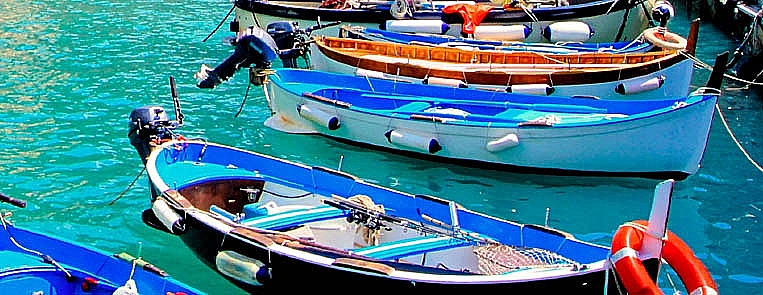
Discover the breathtaking sights of the Italian Riviera and venture through the Italian Alps surrounding Aosta Valley and Piedmont.
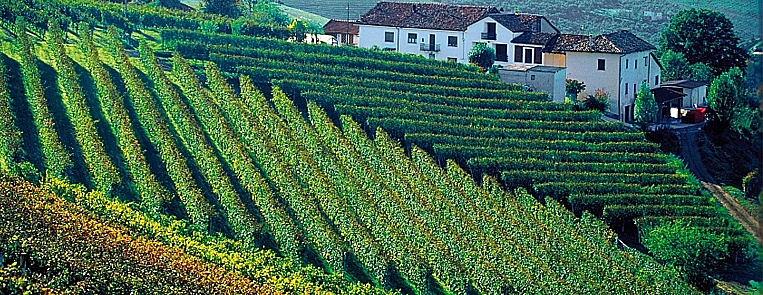
Langhe is a land to taste slowly day by day through its great wines, impressive castles and unforgettable dishes. You will dream to be back there again.
In autumn, the white truffle defines the visit: the truffle fair, the market, and above all a private hunt with a trifolau and his dog, followed by a truffle lunch. In any season, a day among the Barolo and Barbaresco villages with a private driver runs a close second. Trips 2 Italy builds both into most Alba itineraries.
Remarkably close. The village of Barolo and its neighbors, including La Morra and Serralunga d’Alba, lie roughly fifteen to twenty minutes southwest of town, and Barbaresco and Neive sit about ten to fifteen minutes northeast. Alba is the natural hub, which is why we base most Langhe itineraries there.
Yes. Marked paths and quiet farm roads link the wine villages through the UNESCO landscape, with walks like Barbaresco to Neive and panoramic circuits above La Morra among the favorites, and e-bikes open the hills to every fitness level. We arrange guided walks and supported rides matched to ability, often ending at a cellar or lunch table.
For food lovers it is one of Italy’s great events: the covered truffle market, show cooking, festival streets, the Donkey Palio in early October, and the world truffle auction at Grinzane Cavour in November. It requires early planning, as the region’s finest accommodations and experiences book months ahead, which is exactly the work Trips 2 Italy handles.
Truffle hunts are family favorites, since children adore watching the dogs work, and the region adds castle visits at Serralunga and Grinzane Cavour, gelato and chocolate stops in town, gentle vineyard walks, and the pageantry of the Donkey Palio in October. We compose family itineraries so food and landscape arrive as adventure.
On a calm clear morning it is unforgettable: castles, hilltop villages, and the geometry of the vineyard crus unrolling silently below, with the Alps on the horizon. Flights are weather-dependent and seats are limited, so we build them into itineraries with flexible timing and a celebratory countryside breakfast to follow.