Things To Do in Modena

HOME » POPULAR ITALIAN DESTINATIONS » MODENA TRAVEL GUIDE » MODENA THINGS TO DO GUIDE

Modena Travel Guide        Culture        History        Food and Wine        Things to Do        Plan My Trip

About this guide: This guide to things to do in Modena was written by the Italian-born travel specialists at Trips 2 Italy, a custom tour operator that has designed hand-crafted Italian vacations since 2003. Every recommendation below reflects the same first-hand knowledge our team draws on when we build a private Modena itinerary around a traveler’s interests, dates, and pace. Read it for your research, then let us translate it into a trip designed entirely around you.

What Belongs at the Top of Every Modena Itinerary?

Piazza Grande first. The UNESCO-listed ensemble of the Romanesque cathedral, the Ghirlandina tower, and the square itself concentrates the city’s medieval soul into a few hundred steps, and it rewards unhurried attention: Wiligelmo’s Genesis reliefs on the cathedral facade, the Arthurian carvings of the Porta della Pescheria, the crypt of San Geminiano, and the marble halls of the Palazzo Comunale across the square.

Climb the Ghirlandina if your legs allow it. The tower, nearly 290 feet of pale marble finished in 1319, opens its winding stairs to visitors and repays the effort with rooftop views across the city to the Apennines, the finest orientation to Modena and the surrounding Emilia Romagna region you can have. Around the square, the porticoed streets and the Mercato Albinelli complete the essential first morning.

Inside the Palazzo Comunale, the historic chambers hold their own rewards, including the famous wooden bucket seized from Bologna in 1325, and beneath the square the city’s civic memory runs deep: the Preda Ringadora stone by the cathedral flank once served orators, magistrates, and public penitents in turn. Details like these are why the piazza repays a guided hour rather than a passing photograph.

Timing is our craft here. The cathedral is a working church with visiting hours arranged around services, the tower opens on a limited schedule, and the market belongs to the morning, so we sequence the first day precisely and pair it with a guide who reads the carvings fluently. Modena’s center is compact enough that done well, the essentials leave the afternoon free for engines or vinegar.

How Do You Experience the Motor Valley From Modena?

Start in the city at the Museo Enzo Ferrari, where a sweeping yellow hall shaped like a car’s hood curves beside the workshop where Enzo’s father worked, and the story of the man unfolds around the machines he created. Then drive the eleven miles to Maranello, where the Ferrari museum sits beside the factory gates and the test track, and the town itself hums with the company it hosts.

The valley rewards going deeper. Maserati has built its cars in Modena since 1940 and shows its heritage collection in the city, Pagani’s atelier and museum at San Cesario sul Panaro reveals hypercars finished like jewelry, and Lamborghini’s museum at Sant’Agata Bolognese lies within an easy drive. Collectors’ workshops and restoration shops scatter between them, many visitable through the right introductions.

For many travelers the highlight is getting behind a wheel or beside a professional driver, from track sessions to supercar drives on the Apennine roads where test drivers train, experiences we arrange as part of our active trips in Italy. We compose Motor Valley days around your level of devotion, from a single museum morning to a full immersion across marques, with a private driver linking it all seamlessly.

Which Food Experiences Define a Day in Modena?

The acetaia visit leads everything. Climbing into a family attic where barrels of balsamic vinegar have worked in the rafters for generations, breathing the sweet dark air, and tasting through the ages from young to extravecchio is Modena’s single most distinctive experience, and it pairs beautifully with a farmhouse lunch in the same countryside.

In the city, the Mercato Albinelli anchors the morning, its Liberty-era ironwork sheltering the counters where the province’s pasta, salumi, cheese, and fruit converge, ideally walked with a cook who shops it weekly. From there, appetite dictates: a hands-on tortellini session with a sfoglina, a tasting crawl of gnocco fritto and Lambrusco, or a dawn visit to a Parmigiano Reggiano dairy in the hills to watch the wheels being born.

The province completes the picture with the Grasparossa vineyards around Castelvetro, at their most beautiful in scarlet autumn foliage beneath the castle of Levizzano. We sequence these experiences across a day or two so each arrives at its proper hour, morning for markets and dairies, afternoon for attics and cellars, evening for the long Modenese table.

Season shapes the menu of experiences as much as the menu itself. Autumn adds truffle mornings in the Apennine woods and the working drama of the grape harvest, early summer brings Vignola’s cherries to every stall, and winter belongs to the zampone table and the quiet acetaia, when the barrels rest and the tastings turn contemplative. We match the food day to your dates, not the other way around.

Which Museums and Landmarks Reward a Slower Look?

The Palazzo dei Musei gathers the city’s treasures under one roof. The Galleria Estense displays the art collections of the Este dukes, from Bernini’s marble bust of Francesco I and El Greco’s small altarpiece to Correggio, Guercino, and the Emilian painters, while the Estense library shows the illuminated Bible of Borso d’Este, one of the most beautiful books of the Renaissance, and the civic museum keeps the archaeology of Roman Mutina.

The Palazzo Ducale, among the grandest Baroque palaces in Italy, has housed the Military Academy since 1862 and opens its staterooms to guided visits on select days, an arrangement that makes the visit feel like admission to a working institution rather than a museum. Music lovers should reserve an evening at the Teatro Comunale Pavarotti-Freni and an afternoon at Pavarotti’s house museum on the city’s edge, where the tenor’s costumes, pianos, and letters remain in the villa he loved.

The churches beyond the cathedral hold quiet treasures of their own, from the Benedictine abbey church of San Pietro with its Renaissance interior to the sanctuaries tucked along the porticoed streets, and the cathedral’s own museums display Wiligelmo’s carved metopes at eye level, a rare chance to study Romanesque sculpture up close.

These collections are modest in crowds and rich in substance, which is exactly the combination discerning travelers hope for. We arrange the timed entries, the guided palace visits, and the specialists who bring the Este centuries to life, and we fold an opera evening into the itinerary whenever the season allows.

Where Do You Find the Quieter Side of the Modena Province?

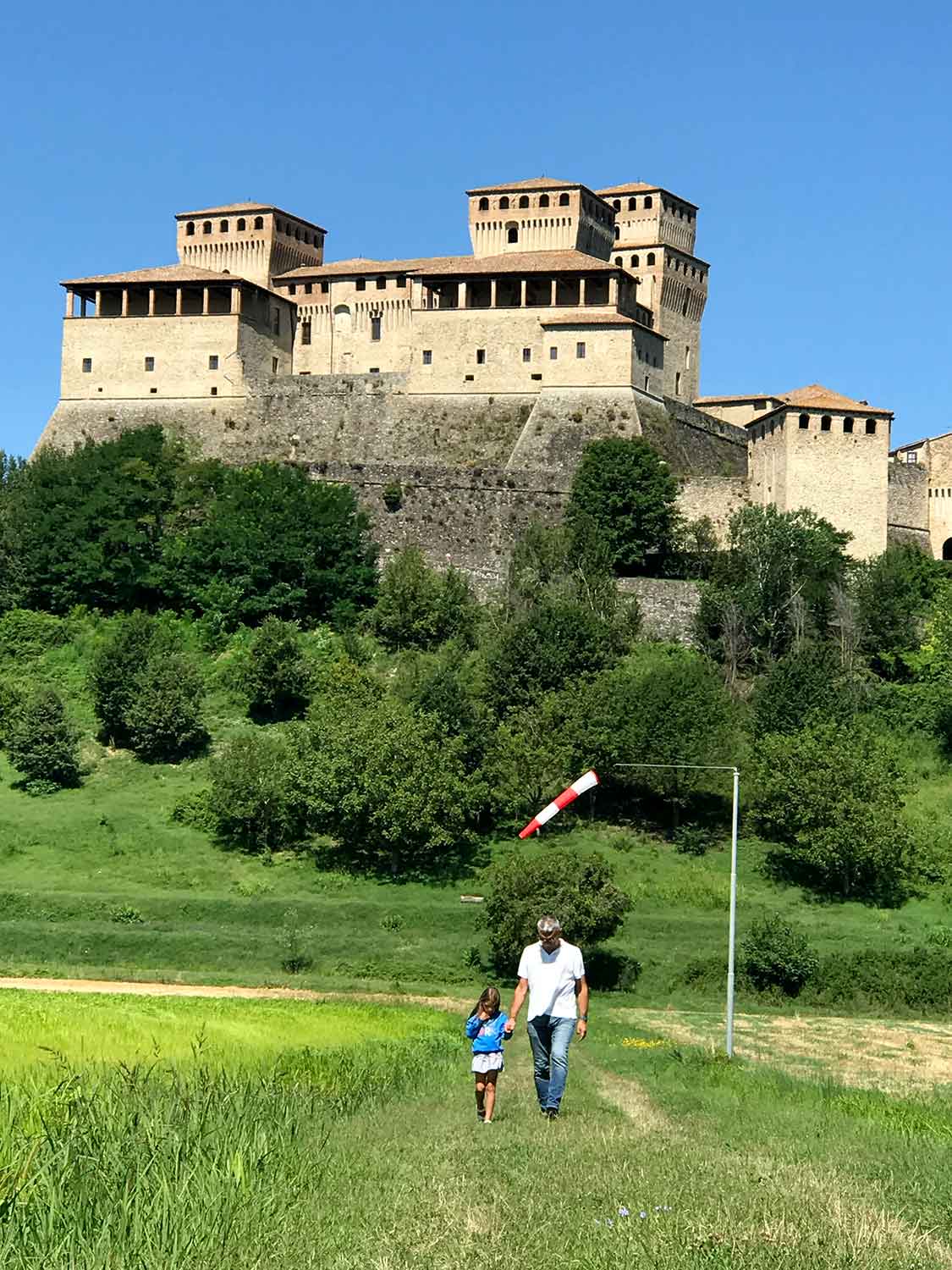
South of the city, the land climbs into a countryside most visitors never see. Castelvetro di Modena presides over the Grasparossa vineyards with its towers and chessboard piazza, neighboring Levizzano raises a castle above the vines, and Vignola guards the Panaro river with one of the region’s best-preserved fortresses, glorious in early April when the cherry orchards blossom across the valley.

Higher still, the Modenese Apennines offer stone villages, chestnut woods, and summer walking country around peaks like Monte Cimone, with borlenghi and crescentine served in village kitchens as the reward. In the plain north of the city, the Sorbara vineyards and quiet farm roads carry a different beauty, and the thermal springs at Salvarola near Sassuolo add a restorative afternoon to any itinerary.

For travelers who like their landscapes earned, the province obliges. Cycling routes thread the vineyard foothills, walking paths climb from castle villages into the chestnut woods, and the same Apennine roads beloved of test drivers reward a scenic drive with stops at village kitchens, experiences we can weave into our family vacations in Italy or a countryside day for two.

These excursions are where a private driver and local knowledge matter most, because the pleasures are scattered and unsigned. We compose countryside days that combine a castle, a cellar, and a long farm lunch, paced so the afternoon includes an hour with no plan at all. Travelers consistently describe these days as the ones that made them fall for Modena.

What Do Evenings Look Like in Modena?

The evening begins with the passeggiata, the unhurried social walk along Via Emilia and the porticoed streets, as the golden light settles on the Ghirlandina. The aperitivo follows naturally: a glass of chilled Lambrusco or a spritz with warm gnocco fritto, olives, and a few slices of prosciutto, taken at a table on a quiet piazza while the city drifts past.

Dinner is the main event, as it should be in one of Italy’s great food cities, whether that means a family-run osteria serving tortellini in brodo as the grandmothers intended or a celebrated fine dining room reinterpreting the province’s pantry with contemporary craft. We reserve the tables suited to each evening of an itinerary, balancing the humble and the exalted across a stay.

On performance nights, the Teatro Comunale Pavarotti-Freni offers opera and concerts in a jewel-box nineteenth-century hall, and summer brings open-air music to the piazzas and courtyards. Afterward, the Modenese finish with a small glass of nocino, the local walnut liqueur, and a slow walk home beneath the porticoes, a ritual travelers adopt within a single evening.

What Day Trips Pair Well With Modena?

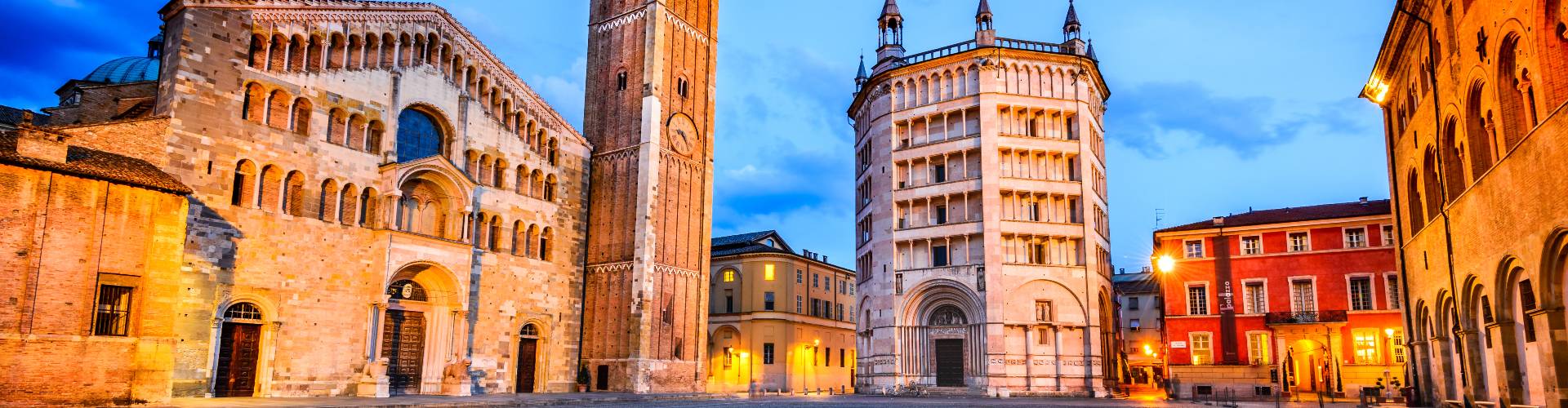
Bologna sits about thirty minutes away, offering the Two Towers, the porticoed market streets of the Quadrilatero, and Europe’s oldest university for a full and flavorful day. In the other direction, Parma answers with its cathedral and baptistery, Correggio’s frescoes, and its own celebrated food traditions, while Reggio Emilia, birthplace of the Italian flag, lies just up the Via Emilia between them.

Ferrara, the Este family’s first and most theatrical capital, makes a resonant pairing with Modena’s ducal history, its moated castle and Renaissance avenues under an hour away. Ravenna’s glittering early Christian mosaics reward a longer excursion, and for a change of register entirely, the Apennine passes carry you into chestnut country and mountain air within an hour of Piazza Grande.

Closer to home, half-day reaches often satisfy best: Maranello and the Motor Valley to the south, Carpi’s grand Renaissance piazza to the north, Sassuolo with the Este summer palace and the thermal springs of Salvarola to the west. These shorter excursions leave the evening free for the passeggiata and a proper dinner, which in Modena should never be surrendered to a road.

How far to reach depends on the trip’s rhythm, and that judgment is our craft. As part of a custom trip to Italy, we sequence day trips so each refreshes the journey rather than crowding it, with every transfer arranged in advance and supported around the clock. Modena’s gift is its position; a well-designed week here samples half of northern Italy without changing hotels.

Ready to Begin Planning Your Modena Vacation?

Modena deserves more than a template. Since 2003, Trips 2 Italy has designed private Italian vacations one traveler at a time, hand selecting every experience based on what you tell us rather than fitting you into a predefined package. Our Italian-born team plans Modena with the knowledge of people who call Italy home, from the Romanesque carvings of Piazza Grande to the engine workshops of the Motor Valley, and we remain at your side throughout your trip with 24/7 assistance. Tell us how you imagine Modena, and we will craft the itinerary that matches it.

Explore Our Modena Vacation Itineraries

Frequently Asked Questions About Things to Do in Modena

Begin with the UNESCO-listed Piazza Grande, cathedral, and Ghirlandina tower, then choose your passion: the Ferrari museums of the Motor Valley or a traditional balsamic acetaia in the countryside. Trips 2 Italy sequences all three around timed entries, expert guides, and a private driver so a single stay holds them comfortably.

The factory itself is generally reserved for owners and invited guests, but the Ferrari museum sits beside the gates in Maranello, the Museo Enzo Ferrari tells the founder’s story in Modena, and track experiences and supercar drives bring the marque to life. We arrange Motor Valley days matched to your level of devotion, including Pagani and Lamborghini visits nearby.

Yes, on a limited schedule, and the climb through the medieval bell tower rewards you with rooftop views across Modena to the Apennines. We time the ascent within your first morning so the city unfolds below you after you have walked its heart.

A well-composed day holds the Piazza Grande ensemble and Ghirlandina climb, a morning walk through the Mercato Albinelli, tortellini and Lambrusco at lunch, and an afternoon at either the Enzo Ferrari Museum or a family acetaia in the countryside. It is a full day, and it is exactly the kind we design; two days lets you keep both afternoons.

Very. Supercar museums thrill every generation, the tower climb and castle visits in the province play as adventure, hands-on pasta sessions delight children, and the compact, calm center makes family logistics easy. We compose family itineraries so engineering, history, and food arrive as play rather than obligation.

Bologna is about thirty minutes away, Parma and Reggio Emilia sit just along the Via Emilia, Ferrara’s Este castle pairs naturally with Modena’s ducal history, and Ravenna’s mosaics reward a longer day. Trips 2 Italy arranges each with private transfers and guides, sequenced so the excursions refresh rather than crowd your stay.