
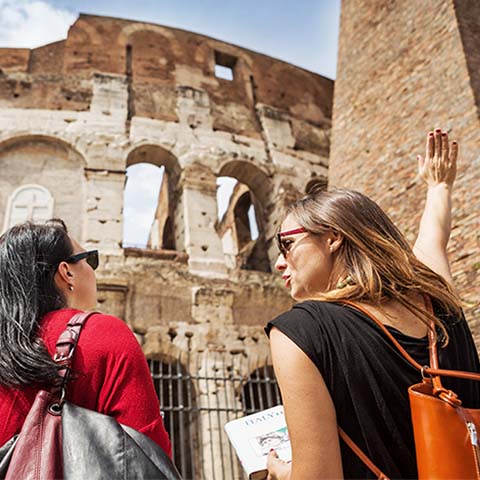
Rome, Venice and Florence Your Way 8 Days / 7 Nights
See Italy’s three iconic cities your way on an 8-day guided journey. Explore the Colosseum, the Vatican, and Florence’s cathedrals, then glide through Venice by gondola. Private driver, premium
HOME » POPULAR ITALIAN DESTINATIONS » ITALIAN TRAVEL GUIDES BY REGION » VENETO TRAVEL GUIDE » VENETO FOOD AND WINE GUIDE
Veneto Travel Guide Culture History Food and Wine Things to Do Plan My Trip
About this guide: This guide to the food and wine of Veneto was written by the Italian-born travel specialists at Trips 2 Italy, a custom tour operator that has designed hand-crafted Italian vacations since 2003. Every recommendation below reflects the same first-hand knowledge our team draws on when we build a private Veneto itinerary around a traveler’s interests, dates, and pace. Read it for your research, then let us translate it into a trip designed entirely around you.
Veneto eats the way it looks: differently in every direction. The lagoon sets a table of shellfish, tiny soles, and cuttlefish darkened with their own ink. The plain answers with rice and polenta, the region’s two great staples, more beloved here than pasta. The hills add game, mushrooms, and cheese, from Asiago on its high plateau to Monte Veronese in the Lessinia, and the Garda shore contributes olive oil and lake fish. One region, four kitchens, all speaking the same dialect of restraint and freshness.
History seasons everything. Venice ran Europe’s spice trade for centuries, and the habit of sweet and sour, of raisins and pine nuts scattered over savory dishes, survives from that golden traffic, most famously in sarde in saor, the marinated sardines of the bacari. Even the region’s devotion to baccala, salt-dried cod from northern seas, is a merchant’s inheritance, carried home by a Venetian captain in the fifteenth century and perfected ever since.
Eating here rewards a little fluency, and we provide it. Every culinary itinerary we design comes with guidance on what to order where and why, because a menu in Venice, a menu in Verona, and a menu in the mountains are three different documents. What the kitchen is proud of is seasonal, local, and often the least adorned line on the page.
Venice invented a way of eating that turns an evening into a journey. The bacari, the city’s small wine bars, line their counters with cicchetti: crostini of whipped baccala mantecato, meatballs, marinated sardines, artichoke hearts, and whatever the Rialto market delivered that morning. Locals move from bar to bar, taking a few bites with an ombra, the small glass of wine whose name means shadow, said to recall the wine sellers who followed the shade of the campanile across Saint Mark’s square.
The aperitivo hour is Veneto’s gift to the world. The spritz was born in these provinces, its bitter orange glow now the sunset color of every piazza from Venice to Verona, and its most famous ingredient was created in Padova in 1919. The Bellini, white peach and sparkling wine, was invented in Venice, and Prosecco itself, poured casually and generously here, makes the whole region feel lightly celebratory from six in the evening onward.
A bacaro crawl through hidden Venice, led by someone who knows which counters matter and what to order at each, is one of the experiences our travelers remember longest. We arrange it with locals who have eaten these rooms for decades, timed to the hour when the city itself comes off work and joins in, so travelers experience the ritual as participants rather than spectators.
Begin with rice. Risi e bisi, a dish poised between risotto and soup, celebrated the spring peas of the lagoon estates and was served to the doge each Saint Mark’s day. Risotto here takes a hundred local forms, black with cuttlefish ink in Venice, bright with Amarone in the Valpolicella, and the plain’s whole-grain bigoli pasta carries the classic salsa of slow-melted onions and anchovy.
Then the icons of thrift raised to art. Baccala alla vicentina simmers salt cod with onions, anchovies, and milk into Vicenza’s signature dish, always beside polenta, while Venice whips its cod into the cloud-like mantecato. Fegato alla veneziana, calf’s liver softened with sweet onions, converted the world to a dish it thought it disliked, and sarde in saor layers fried sardines with vinegared onions, raisins, and pine nuts, the spice trade on a plate.
The land contributes its own aristocrats. The bitter red radicchio of Treviso, grown and blanched by a labor-intensive craft, stars in risottos and grills through winter, and the white asparagus of Bassano del Grappa commands its own festivals each spring. From the mountains come Asiago cheese in every age from fresh to sharp, and the hearty polenta e schie pairing of soft cornmeal with tiny lagoon shrimp proves how naturally sea and plain meet at this table.
The through-line is seasonality without compromise: soft-shell crabs and peas in spring, lake fish and garden vegetables in summer, mushrooms, game, and radicchio as the year turns, and the long braises of the mountain winter. We time culinary itineraries to these seasons deliberately, because the difference between eating in Veneto and eating with Veneto is the calendar.
The Rialto has fed Venice for the better part of a thousand years. Beside the famous bridge, the fish market under its neo-Gothic loggia still opens at dawn with lagoon soles, mantis shrimp, cuttlefish, and moeche, the fleeting soft-shell crabs of spring and autumn, while the fruit stalls beyond carry the artichokes and greens of the lagoon island gardens. Shopping it early with a cook, then eating what you chose, is the most direct route into Venetian food culture that exists.
The mainland keeps its own great markets. Padova’s daily market fills the twin squares around the medieval Palazzo della Ragione, whose ground floor arcades have housed butchers, cheesemongers, and salumi shops for centuries, making it one of the oldest continuously operating covered food halls in Europe. Treviso stages its fish market on an island in the middle of a canal, and Verona’s Piazza delle Erbe has sold produce since it was the Roman forum.
We build market mornings into culinary itineraries deliberately, pairing travelers with cooks and guides who shop these stalls weekly. A market walked with a local is a lesson in the region’s seasons, dialect, and humor, and it turns every meal that follows into a story you already know the beginning of.
Veneto produces more wine than any other region in Italy, and its range is astonishing. Prosecco leads the sparkling world from the hills between Conegliano and Valdobbiadene, where the steepest terraced vineyards, including the celebrated Cartizze slope, earn the DOCG designation and a place on the UNESCO World Heritage list. Poured at every celebration on earth, it is best understood at home, among the hogback hills where the Glera grape ripens.
The Valpolicella, north of Verona, works a kind of alchemy. Its winemakers dry harvested grapes for months on racks in airy lofts, then press them into Amarone della Valpolicella, one of the world’s great red wines, deep, dry, and powerful. The same method in sweet form yields Recioto, the ancient dessert wine of the valley, and refermenting young Valpolicella over Amarone’s pressed skins creates Ripasso, the beloved middle path.
The whites complete the family. Soave, from volcanic hills east of Verona crowned by their medieval castle, turns the Garganega grape into one of Italy’s classic white wines, at its best far more serious than its fame suggests. Bardolino from the Garda shore pours light and cheerful red, Custoza freshens the lake table, and a well-composed wine itinerary tastes this whole spectrum in its own landscapes, from cellar to table, in the order that lets each wine explain the next.
Reading a Veneto wine list becomes a pleasure once the geography clicks: sparkling hills to the northeast of the region, powerful dried-grape reds north of Verona, volcanic whites to the city’s east, and easy lake wines along the Garda shore. Our specialists brief travelers on what to seek out before the trip, so every dinner becomes a chance to travel the map without leaving the table.
The Prosecco hills between Conegliano and Valdobbiadene are unlike any other wine landscape in Italy: ridges so steep the vineyards hang in green waves, villages tucked into folds, and winemaking families who still call their plots by ancient names. The wine road that threads the hills rewards a slow day of tastings, viewpoints, and a long lunch on a terrace above the vines, and the harvest weeks of September fill the slopes with purpose.
The Valpolicella offers a different theater: historic estates among cherry trees and cypress, and the fruttai, the drying lofts where thousands of racks of grapes rest toward Amarone, filling whole rooms with quiet perfume through the winter. Tasting Amarone beside the racks that will become a future vintage, with the winemaker explaining the patience involved, is one of the most memorable cellar experiences in Italy. Soave adds its castle-crowned village and volcanic slopes an easy reach east.
The estates we bring travelers to are chosen through relationships our team has built over two decades, from celebrated names to small family cellars whose wines rarely leave the region. With a private driver handling the terraced roads, a wine country day becomes pure pleasure: two or three estates thoughtfully sequenced, a long lunch among the vines, and every glass enjoyed without a second thought.
Veneto’s most famous sweet conquered the planet within a generation. Tiramisu was created in Treviso in the second half of the twentieth century, and eating it in its birthplace, where the mascarpone is fresh and the espresso judgment exact, resets every traveler’s standard for the world’s favorite dessert. Verona answers at Christmas with pandoro, the golden star-shaped cake that shares Italy’s holiday table with Milan’s panettone.
The old republic’s sweet tooth survives everywhere: baicoli, the thin ship’s biscuits Venetian sailors carried, made for dipping in coffee or sweet wine; zaletti, the cornmeal and raisin cookies of the lagoon; and at Carnival the city surrenders happily to fritole, the fried sweet fritters of Venice, and crisp ribbons of galani. In the hills, harvest brings chestnut sweets and the pairing of Recioto with aged cheese that winemakers consider the valley’s true dessert.
Around the sweets run the rituals: the morning espresso taken standing, the unhurried Sunday lunch, the spritz as the bells ring evening, and the conviction that a meal is a conversation with a beginning, middle, and end. Fine dining flourishes here too, from lagoon-side rooms reimagining cicchetti to celebrated tables in the wine hills, and we reserve the rooms suited to each evening as part of our wine tasting and food tours in Italy. Tell us how you imagine eating in Veneto, and we will build the days around the table.
Veneto deserves more than a template. Since 2003, Trips 2 Italy has designed private Italian vacations one traveler at a time, hand selecting every experience based on what you tell us rather than fitting you into a predefined package. Our Italian-born team plans Veneto with the knowledge of people who call Italy home, from the canals of Venice to the Valpolicella cellars and the pale peaks of the Dolomites, and we remain at your side throughout your trip with 24/7 assistance. Tell us how you imagine Veneto, and we will craft the itinerary that matches it.
See Italy’s three iconic cities your way on an 8-day guided journey. Explore the Colosseum, the Vatican, and Florence’s cathedrals, then glide through Venice by gondola. Private driver, premium
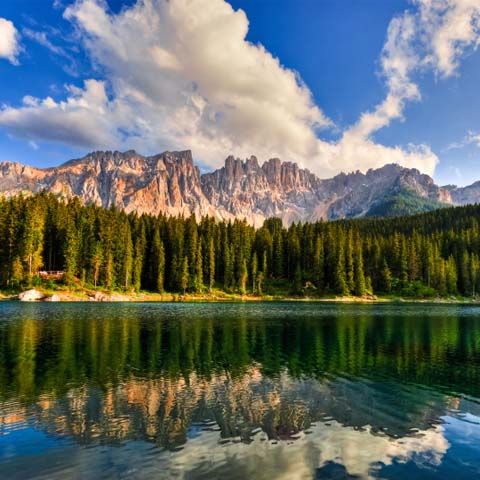
From the peaks of the Dolomites to the shores of the Italian Riviera, an escorted 16-day journey through Northern Italy: Cortina, Venice, Verona, Lakes Garda, Como and Maggiore, Milan,
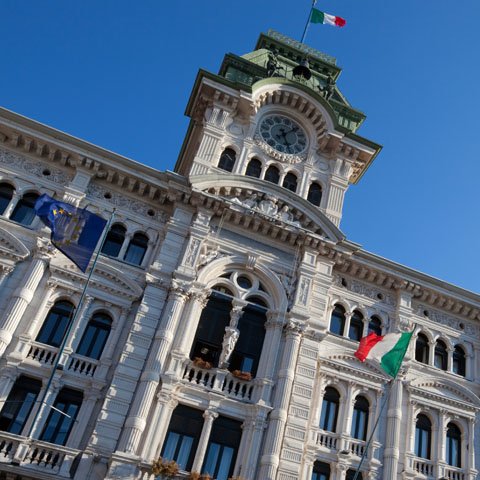
Skip the packed summer hotspots and enjoy a Northern Italy family summer itinerary that feels relaxed, local, and full of together time. Italy Beyond the Crowds is a land-only
Veneto is celebrated for risotto in countless local forms, cicchetti in Venice’s wine bars, baccala alla vicentina and baccala mantecato, sarde in saor, fegato alla veneziana, polenta, the red radicchio of Treviso, white asparagus of Bassano, Asiago cheese, and tiramisu, which was born in Treviso. The cuisine changes character from lagoon to plain to mountain, which is much of its charm.
Veneto is Italy’s largest wine-producing region, home to Prosecco from the Conegliano and Valdobbiadene hills, Amarone della Valpolicella, Ripasso, Recioto, Soave, Bardolino, and Custoza. Trips 2 Italy arranges tastings with producers we know personally, from historic Valpolicella estates to small family cellars in the Prosecco hills.
Amarone della Valpolicella is made by drying harvested grapes on racks for months before pressing, concentrating them into a deep, dry, powerful red that ranks among the world’s great wines. Visiting the drying lofts and tasting with the winemaker is one of Italy’s most memorable cellar experiences, and we arrange it through estates we have worked with for years.
Yes. Tiramisu was created in Treviso in the second half of the twentieth century and spread from there to every dessert menu on earth. Tasting it in its birthplace, alongside Treviso’s canals and its famous radicchio, makes a rewarding stop on any Veneto culinary itinerary.
Cicchetti are the small bites served in Venice’s bacari, or wine bars: crostini with whipped salt cod, marinated sardines, meatballs, and seasonal vegetables, taken standing with a small glass of wine called an ombra. A guided bacaro crawl through hidden Venice is one of the experiences Trips 2 Italy travelers remember longest.
The vendemmia generally runs from late August for sparkling grapes through September and into October, with the Valpolicella’s Amarone grapes then resting on drying racks into winter. Harvest season is a wonderful time to visit the Prosecco hills and Valpolicella, and we time wine itineraries around it deliberately.