Modena Travel Guide

HOME » POPULAR ITALIAN DESTINATIONS » MODENA TRAVEL GUIDE

Modena Travel Guide        Culture        History        Food and Wine        Things to Do        Plan My Trip

About this guide: This Modena travel guide was written by the Italian-born travel specialists at Trips 2 Italy, a custom tour operator that has designed hand-crafted Italian vacations since 2003. Every recommendation below reflects the same first-hand knowledge our team draws on when we build a private Modena itinerary around a traveler’s interests, dates, and pace. Read it for your research, then let us translate it into a trip designed entirely around you.

What Makes Modena One of Italy's Most Rewarding Small Cities?

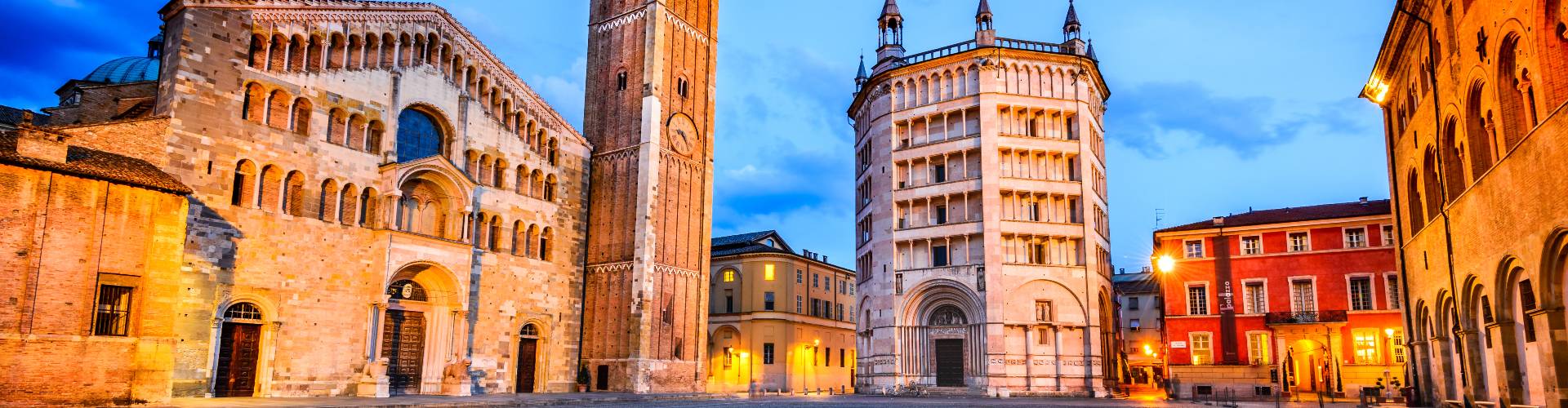
Modena concentrates an astonishing amount of Italy into a city travelers can cross on foot in twenty minutes. At its center rises a Romanesque cathedral so important to the history of European art that UNESCO inscribed it, together with the Ghirlandina tower and Piazza Grande, as a World Heritage Site in 1997. Around that medieval heart hums the capital of the Motor Valley, the stretch of the Po plain where Ferrari, Maserati, Pagani, and Lamborghini all build their machines within a short drive of one another.

The city sits on the ancient Via Emilia in the heart of the Emilia Romagna region, between Bologna and Parma, in the gastronomic corridor that produces Parmigiano Reggiano, prosciutto, Lambrusco, and the rarest condiment in Italy, traditional balsamic vinegar aged for decades in family attics. Modena is also a city of voices: Luciano Pavarotti was born here in 1935, and the municipal opera house now carries his name.

What surprises travelers most is how gracefully these identities coexist. The same piazza that holds twelfth-century carvings hosts vintage Ferrari gatherings, and the families who tend balsamic barrels in their attics may spend their working days machining engine components. Modena wears its excellence lightly, without the visitor crowds of the famous art cities, which makes it one of the most authentic bases in northern Italy.

Our specialists have designed Modena itineraries for two decades, for travelers drawn by the engines, by the table, by the music, or by all three at once. This guide distills that experience, and every trip we build from it is composed by hand around what you tell us.

What Is the Geography and Setting of Modena?

Modena lies on the southern edge of the Po plain, framed by two Apennine rivers, the Secchia to the west and the Panaro to the east. The Roman consular road called the Via Emilia, laid out in 187 BC, still runs straight through the city center as it has for more than two thousand years, stringing Modena together with Reggio Emilia and Parma to the northwest and Bologna to the southeast.

The historic center is compact, flat, and threaded with porticoed streets, with street names like Canalgrande and Canalchiaro recalling the medieval canals that once crossed the city before they were covered over. South of town, the land rises quickly into the Modenese Apennines through a countryside of cherry orchards around Vignola, Lambrusco vineyards around Castelvetro, and stone villages crowned by castles such as Levizzano.

The climate follows the rhythms of the plain. Summers are hot and animated, winters are misty and atmospheric, made for broth-based pastas and long lunches, while spring and autumn bring the mild, golden weather in which the city and its countryside are at their best. The fog that settles over the plain in the cold months is part of the local identity, and the attic acetaie where balsamic vinegar ages actually depend on these seasonal temperature swings.

This geography matters to your itinerary. The city rewards walkers, the motor museums and vinegar lofts scatter across the province, and the hill country begins within a half hour, which is why we so often pair a Modena stay with a private driver.

When Is the Best Time of Year to Visit Modena?

Autumn is the season the Modenese themselves would choose. From late September through November, the vendemmia animates the Lambrusco vineyards, the year’s cooked grape must is added to the balsamic barrels, and the surrounding Apennines yield porcini, chestnuts, and truffles. Days are mild, the light is golden, and the kitchens of the province are at their most expressive.

Spring runs a close second, with April, May, and early June offering warm walking weather, cherry blossoms around Vignola, and the Motor Valley Fest, when the city celebrates its engine heritage with displays and open factories. September brings the Festival Filosofia, a remarkable weekend when hundreds of thousands of visitors fill the piazzas of Modena, Carpi, and Sassuolo for open-air philosophy lectures. Winter has its own rewards: January 31 is the feast of San Geminiano, the city’s patron, when the cathedral crypt opens around his relics and a great fair fills the streets.

Summer is warm on the plain, but the city compensates with open-air concerts, long evenings in the piazzas, and easy escapes into the cooler Apennine hills. It is also the most flexible season for factory and museum visits across the Motor Valley.

When we plan a Modena itinerary, your dates become an instrument. We time acetaia visits, market mornings, and motor experiences to the hours when each is at its best, and we reserve festival and opera dates months ahead.

How Many Days Should I Spend in Modena?

Two full days cover the essential city in comfort: Piazza Grande and the cathedral, the climb up the Ghirlandina tower, the Palazzo dei Musei with the Este art collections, the market streets around the Mercato Albinelli, and a proper Modenese lunch built around tortellini in brodo and a chilled glass of Lambrusco. The center is small, flat, and unhurried, so sightseeing here is unusually gentle on the traveler.

A third day belongs to the Motor Valley: the Enzo Ferrari Museum in the city, the Ferrari museum and factory gates at Maranello, and, for devoted enthusiasts, Pagani’s atelier at San Cesario sul Panaro or Lamborghini at Sant’Agata Bolognese. A fourth day opens the food country, with a morning in a family acetaia among the balsamic barrels, a Parmigiano Reggiano dairy at dawn, and an afternoon among the Grasparossa vineyards of Castelvetro.

Modena also excels as a base of three or four nights for exploring Emilia Romagna, with Bologna about thirty minutes away by rail and Parma, Reggio Emilia, and Ferrara all within easy reach. Because every Trips 2 Italy itinerary is designed by hand, we weigh Modena against the other chapters of your Italian journey and give it the nights that serve the whole trip best.

The city’s pace also suits travelers who prefer depth to hurry. Distances are short, mornings can start gently, and the finest experiences here, a barrel attic, a dairy, a long lunch, reward presence rather than stamina. Many of our retired travelers tell us Modena was the stay where Italy finally slowed to their preferred speed, and we design the days accordingly.

Which Areas of Modena Should You Know?

Everything radiates from Piazza Grande, the UNESCO-listed square where the cathedral’s carved flank faces the Palazzo Comunale with its clock tower. Look for the Preda Ringadora, the great rectangular stone from which orators once addressed the city, and the statue known as la Bonissima at the palace corner, two details the Modenese point out with particular affection.

A few steps south lies the Mercato Albinelli, the covered market opened in 1931 beneath elegant ironwork, and the tight grid of food streets around Via Albinelli where the city shops daily. Northwest, the long axis of Via Emilia crosses the center past cafes and porticoes, leading toward the Palazzo dei Musei, home of the Galleria Estense and the Este library. To the northeast spreads the immense Baroque facade of the Palazzo Ducale, seat of the Este dukes and today of Italy’s Military Academy.

Beyond the walls, the province is part of the destination: Maranello for Ferrari, Castelvetro and Levizzano for Lambrusco country, Vignola for its castle and cherry orchards, and the first Apennine ridges beyond them. For most travelers we recommend sleeping within the historic center, close to Piazza Grande, and matching the quarter to the traveler is one of the first decisions we make together.

How Do You Get Around Modena?

On foot, almost entirely. The historic center is flat, compact, and generously porticoed, so no walk between the major sights takes more than fifteen minutes, and the city’s rhythm rewards unhurried movement. Cycling is the local habit, and the evening passeggiata along Via Emilia is a pleasure in itself.

For everything beyond the center, we arrange private drivers and transfers. The Motor Valley is scattered by nature, with Maranello about eleven miles south, Pagani and Lamborghini in villages to the east, and the acetaie and dairies dispersed across the countryside, so a knowledgeable driver turns a complicated day into a seamless one. A driver also means every Lambrusco tasting can be enjoyed without a second thought.

Arrivals are equally simple. Modena sits on the main rail line between Milan and Bologna, and Bologna’s international airport lies about forty minutes away by road, where travelers in our care are met at the arrivals hall by a private driver. Every arrival, departure, and excursion in a Trips 2 Italy itinerary is arranged in advance and supported around the clock.

Thoughtful logistics matter more in Modena than its size suggests, because the best experiences are appointments rather than attractions. Acetaie receive guests by arrangement, dairies work at dawn, the Ducal Palace opens on select days, and the tower keeps limited hours. We hold that calendar for you, so the city unfolds as a sequence of open doors rather than a list of opening times.

How Do We Weave Modena Into a Complete Italian Itinerary?

Modena sits in the middle of northern Italy’s best-connected corridor. Bologna is about thirty minutes away, Milan under two hours, Florence about an hour beyond Bologna by high speed rail, and Venice within easy reach for the next chapter of a journey. Within the region, Parma, Reggio Emilia, Ferrara, and Ravenna extend the story of Emilia Romagna in every direction.

The occasion shapes the composition. For travelers who plan around the table, Modena anchors an Italian wine and culinary journey with balsamic lofts, cheese dairies, and market mornings at its doorstep. Motor enthusiasts build entire days around Maranello, couples fold the city into an Italian honeymoon as the flavorful interlude between Venice and Florence, and for those composing something larger, Modena becomes a chapter in a custom trip to Italy designed entirely from what you tell us.

This guide is one of five we have written on the city. Continue with our Modena culture guide, Modena history guide, Modena food and wine guide, and Modena things to do guide, or widen the lens with our Emilia Romagna travel guide to see the region around the city.

Ready to Begin Planning Your Modena Vacation?

Modena deserves more than a template. Since 2003, Trips 2 Italy has designed private Italian vacations one traveler at a time, hand selecting every experience based on what you tell us rather than fitting you into a predefined package. Our Italian-born team plans Modena with the knowledge of people who call Italy home, from the Romanesque carvings of Piazza Grande to the engine workshops of the Motor Valley, and we remain at your side throughout your trip with 24/7 assistance. Tell us how you imagine Modena, and we will craft the itinerary that matches it.

Explore Our Modena Vacation Itineraries

Frequently Asked Questions About Traveling to Modena

Autumn is the connoisseur’s season, when the Lambrusco harvest, the new cooked grape must for the balsamic barrels, and truffle season in the Apennines all arrive together. Spring brings cherry blossoms and the Motor Valley Fest, September the Festival Filosofia, and late January the feast of San Geminiano. The specialists at Trips 2 Italy align your dates with what the city does best in that season.

Two full days cover the historic center, the cathedral and Ghirlandina tower, and the market. A third day opens the Motor Valley museums and Maranello, and a fourth the balsamic acetaie, cheese dairies, and Lambrusco vineyards of the province. Because we design every itinerary by hand, the right length depends on your interests and the rest of your Italian journey.

Modena offers a remarkable concentration of experiences: a UNESCO World Heritage cathedral and tower, the museums and factories of Ferrari, Maserati, Pagani, and Lamborghini, one of Italy’s greatest food traditions, and the legacy of Luciano Pavarotti, all in a walkable and genuinely lived-in city. It rewards travelers seeking authenticity alongside the famous names.

The historic center is best on foot, while the Motor Valley museums, balsamic acetaie, and vineyard villages scatter across the province. We arrange private drivers for those days, which turns the countryside into scenery, lets every tasting be enjoyed, and removes every logistical thought. Every transfer in a Trips 2 Italy itinerary is arranged in advance and supported around the clock.

An excellent one. Bologna is about thirty minutes away by rail, Parma and Reggio Emilia sit just up the Via Emilia, and Ferrara and Ravenna are within comfortable reach. Modena pairs a quiet, elegant evening atmosphere with a central position, which is why we often build regional itineraries around it.

Three things above all: the Romanesque cathedral, Ghirlandina tower, and Piazza Grande inscribed by UNESCO in 1997, the supercar heritage of the Motor Valley led by Ferrari and Maserati, and traditional balsamic vinegar aged for a minimum of twelve years in family attics. Add Pavarotti’s birthplace and one of Italy’s finest food cultures, and the city’s reputation explains itself.