Sicily Culture Guide

HOME » POPULAR ITALIAN DESTINATIONS » ITALIAN TRAVEL GUIDES BY REGION » SICILY » SICILY CULTURE GUIDE

Sicily Travel Guide        Culture        History        Food and Wine        Things to Do        Plan My Trip

What Cultural Treasures Await You in Sicily?

Sicily’s cultural wealth emerges from its unique position as a crossroads where Greek, Roman, Arab, Norman, and Spanish civilizations have left indelible marks, creating a tapestry of artistic and architectural treasures that rivals any European destination. The Valley of the Temples near Agrigento stands as one of archaeology’s greatest achievements, where a series of five magnificent Greek temples dating to the 5th century BC showcase the extraordinary engineering prowess of ancient Sicily, with the Temple of Concordia standing among the world’s best-preserved classical structures. These temples, constructed using the local golden limestone that glows warmly in sunlight, demonstrate how thoroughly Greek civilization flourished in Sicily during antiquity, when the island was as culturally important as Athens or Rome itself.

The Cappella Palatina within Palermo’s Norman Palace represents perhaps the most stunning example of Arab-Norman fusion architecture, where Byzantine mosaics depicting biblical scenes cover every interior surface, while Arabic stalactite ceilings and geometric patterns create an atmosphere of extraordinary opulence and refinement. This 12th-century chapel embodies the remarkable cultural synthesis that occurred under the Norman kings, where Christian, Muslim, and Jewish communities coexisted and created works of extraordinary beauty together. UNESCO has recognized this cultural phenomenon by designating several Sicilian towns as World Heritage sites, including Palermo with its Arab-Norman heritage, and the Val di Noto region where 18th-century Baroque town planning created entire communities of harmonious architectural beauty.

Sicily’s cultural significance extends beyond these grand monuments to encompass living traditions—from the UNESCO-protected Opera dei Pupi (puppet theater traditions), to the intricate ceramic work of Caltagirone where each step of the famous staircase is adorned with hand-painted maiolica tiles, to the production of traditional textiles and crafts in mountain villages. Contemporary Sicilian culture vibrates with energy, particularly during summer festival season when towns throughout the island celebrate their patron saints with processional traditions, theatrical performances, and elaborate decorative schemes that often involve entire communities in their creation and execution.

Why Is Sicilian Baroque Architecture World-Famous?

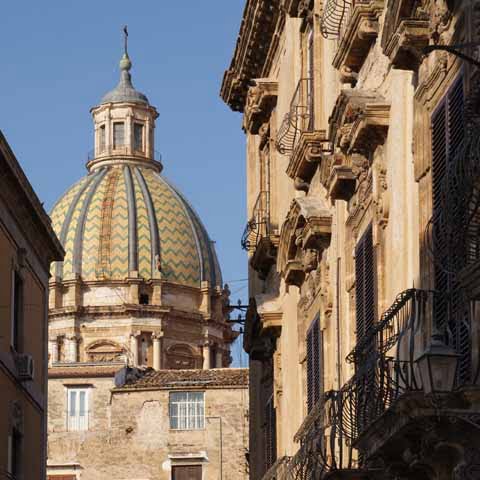
Sicilian Baroque architecture represents one of the Mediterranean’s most exuberant and distinctive architectural movements, emerging from the catastrophic earthquake of 1693 that devastated southeastern Sicily and created an opportunity for visionary urban planning and architectural renewal on a grand scale. The Val di Noto UNESCO World Heritage region showcases this phenomenon most dramatically, where towns like Noto, Ragusa, and Modica were rebuilt with broad, geometrically-planned streets, monumental staircases leading to elevated churches, and palaces displaying the theatrical exuberance of Baroque design. Noto itself was relocated to a new site after the earthquake and rebuilt according to enlightenment principles of urban planning, with its honey-colored limestone facades and dramatic theatrical arrangements of buildings creating a sense that you’ve stepped into an 18th-century architectural fantasy.

The reconstruction of Catania following the earthquake represents another remarkable achievement, where architect Giovanni Battista Vaccarini oversaw the creation of a city plan featuring grand piazzas and imposing public buildings that transformed Catania into a showcase of Sicilian Baroque grandeur. The Cathedral of Catania, with its theatrical facade and interior decorated with precious marble, became a model for ecclesiastical architecture throughout the region. Walking through these towns, particularly in the evening when golden light bathes the stone facades, reveals why Baroque emerged from tragedy—the grandeur and ornamentation of these buildings seem to celebrate survival, renewal, and human resilience through artistic expression.

Beyond the grand civic and religious architecture, Sicilian Baroque manifested in the design of private palaces owned by noble families, many of which maintain their original interior decorations featuring stuccwork, frescoes, and sumptuous furnishings that provide insight into 18th-century aristocratic life. Some of these palaces now function as museums, hotels, or cultural institutions, allowing visitors to experience Baroque aesthetics not merely as museum objects but as functional living spaces where you can imagine the elaborate social ceremonies and cultural gatherings that took place within their walls.

How Have Centuries of Art Shaped Sicily's Identity?

The artistic heritage of Sicily encompasses thousands of years of creative expression, from ancient Greek sculpture and Roman mosaics to medieval manuscripts and Renaissance paintings, with particular emphasis on mosaic and fresco traditions that define Sicilian artistic identity. The cathedrals of Monreale and Cefalu display stunning Byzantine mosaics created by craftsmen from Constantinople, featuring gold-leafed religious figures and ornamental patterns that demonstrate the island’s position as a crossroads where Eastern and Western artistic traditions merged. These mosaics, created using tens of thousands of individual glass and stone pieces, represent not merely decorative enhancement but profound theological statements rendered in shimmering light, where gold reflects candlelight to create an almost transcendent spiritual atmosphere.

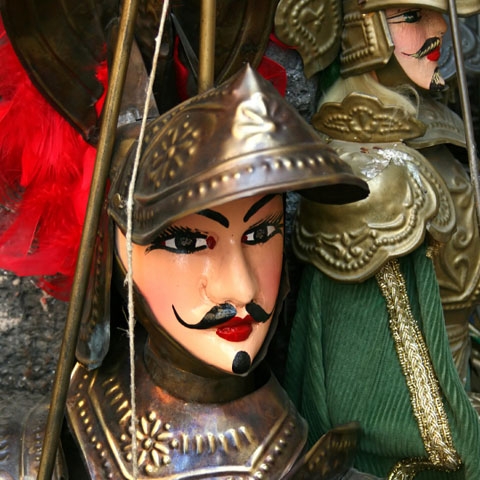
The Opera dei Pupi, Sicily’s traditional puppet theater tradition, emerged during the medieval period and persists today as a living artistic practice in Palermo and other towns, where intricately carved and costumed puppets enact elaborate stories drawn from medieval romance, particularly tales of the Paladins of France and epic battles between Christianity and Islam. These puppets, many standing three feet tall and weighing several pounds, are skillfully manipulated by puppeteers who create surprisingly expressive performances through subtle movements and ingenious mechanical devices. The tradition represents a crucial aspect of Sicilian folk culture and narrative tradition, and UNESCO has recognized Opera dei Pupi as a Masterpiece of the Oral and Intangible Heritage of Humanity.

Contemporary Sicilian artists continue to draw inspiration from this extraordinary artistic legacy while creating modern works that dialogue with historical traditions, and the island supports a vibrant contemporary art scene with galleries and exhibition spaces particularly concentrated in Palermo. Street art has also emerged as a significant form of contemporary artistic expression in Sicilian cities, with talented muralists transforming urban walls into vibrant canvases that celebrate local history, commemorate important figures, and express social and political commentary, creating an ever-evolving open-air gallery throughout cities like Palermo and Catania.

What Traditional Festivals and Celebrations Define Sicilian Culture?

Sicilian festivals represent some of the Mediterranean’s most colorful and emotionally intense celebrations, where centuries-old traditions blend sacred devotion with exuberant pageantry to create unforgettable spectacles that engage entire communities in their creation and performance. The Festival of Saint Agatha in Catania, celebrated annually in February, features a three-day procession in which a solid silver bust of the saint weighing hundreds of pounds is carried through streets thronged with devotees in white robes, while fireworks explode overhead and crowds chant prayers and hymns in expressions of faith that remain largely unchanged since medieval times. This festival represents one of Italy’s most significant religious celebrations and a powerful demonstration of how living religious tradition continues to shape Sicilian cultural identity.

The Holy Week processional traditions throughout Sicily transform towns into stages where sacred drama unfolds, with confraternities dressed in medieval robes carrying elaborately decorated floats depicting scenes of Christ’s passion, while brass bands play haunting marches and barefoot devotees demonstrate penitential commitment. The Infiorata celebrations in Gela feature entire streets covered with flower petals arranged in elaborate designs and religious iconography, creating temporary artworks of extraordinary beauty that are ritually destroyed as pilgrims walk over them in processional patterns. The Festival of Santa Rosalia in Palermo celebrates the city’s patron saint with weeks of festivities culminating in a spectacular illuminated boat procession along the harbor, while the elaborate Carnevale celebrations in numerous Sicilian towns feature parades of allegorical floats and costumed participants creating joyous expressions of community identity.

These festival traditions demonstrate how Sicilian culture integrates religious faith, artistic expression, and community identity into integrated celebrations that engage people across generations and social classes. Summer months prove particularly festive, with most towns hosting celebrations honoring their patron saints, offering visitors exceptional opportunities to witness authentic cultural practices and participate in the celebratory atmosphere that characterizes Sicilian social life at its most vibrant.

How Does Sicily's Multicultural Heritage Live On Today?

Sicily’s multicultural heritage represents perhaps the most distinctive aspect of its cultural identity, emerging from centuries of coexistence among Christian, Muslim, and Jewish communities who created together some of the Mediterranean’s greatest works of art, literature, and architecture. The Arab-Norman UNESCO World Heritage sites recognize how remarkably the Norman rulers of Sicily (beginning in the 11th century) incorporated Islamic and Byzantine artistic and architectural traditions into their own Christian framework, creating a cultural synthesis that influenced European development for centuries. Arab scholars contributed enormously to Sicilian scientific advancement, while Jewish communities maintained vibrant cultural traditions in cities like Palermo, where centuries-old synagogues and Hebrew inscriptions testify to Jewish presence and contributions to Sicilian civilization.

The architectural evidence of this multicultural coexistence appears throughout Sicily, from the pointed arches and decorative geometric patterns demonstrating Islamic influence in Norman churches, to the Hebrew inscriptions and Jewish symbols integrated into Christian religious art, to the linguistic legacy where Sicilian vocabulary incorporates Arabic, Norman-French, Spanish, and Greek words alongside Italian and Latin roots. This linguistic richness reflects centuries of cultural exchange and demonstrates how completely different civilizations influenced each other through trade, conquest, and coexistence, creating something entirely new and distinctly Sicilian.

Contemporary Sicily maintains this multicultural heritage through recognition of immigrant communities who have arrived in recent decades, with African and Eastern European communities establishing themselves in Sicilian towns and contributing to ongoing cultural evolution. Historical sites such as the Synagogue Museum in Palermo and the Jewish Heritage Trail document this continuing commitment to preserving and celebrating multicultural traditions, while scholarly institutions and cultural organizations throughout the island work to maintain awareness of how diversity has historically enriched Sicilian civilization and continues to do so in modern contexts.

Explore Our Sicily Vacation Itineraries

Frequently Asked Questions About Sicily's Culture

Which cultural sites are absolutely essential to visit in Sicily?

The Valley of the Temples near Agrigento, the Cappella Palatina in Palermo’s Norman Palace, the cathedrals of Monreale and Cefalu, and the UNESCO Val di Noto region represent Sicily’s supreme cultural achievements. The archaeological museums in Palermo and Syracuse house extraordinary ancient collections, while the Baroque piazzas and streets of towns like Noto and Ragusa showcase 18th-century architectural achievement.

What is Opera dei Pupi and where can I see it?

Opera dei Pupi is Sicily’s traditional puppet theater tradition featuring intricately carved puppets enacting medieval romance stories. You can experience traditional performances in Palermo, particularly at venues like Museo Internazionale delle Marionette, which houses an extensive collection and occasionally hosts performances depicting Paladins tales and historical epics.

When should I visit to experience Sicilian festivals?

February hosts the Festival of Saint Agatha in Catania, a profoundly moving religious celebration. Holy Week (March/April) features processional traditions throughout the island. Summer months host numerous patron saint festivals, with virtually every town celebrating their protector saint during June through September with varying traditions.

Are there Jewish heritage sites to visit in Sicily?

Yes. Palermo’s Synagogue Museum and Jewish Heritage Trail document Sicily’s significant Jewish history. Mondello’s beaches were traditionally associated with Jewish communities, while several historic synagogues and cemeteries throughout Sicily preserve evidence of centuries-long Jewish presence and cultural contributions.

What is Caltagirone ceramic tradition and where can I see it?

Caltagirone in central Sicily is famous for hand-painted maiolica ceramic work dating back centuries. The 250-step monumental staircase in the town center displays ceramic tiles on every step in intricate designs, while numerous artisan workshops and galleries throughout town showcase traditional and contemporary ceramic work.

Can I visit Sicilian cultural sites easily without a car?

Yes. Palermo and Catania offer excellent public transportation accessing major cultural sites. The Val di Noto towns are connected by regional buses. However, the Valley of the Temples requires either a car rental, guided tour, or flexible travel planning due to limited public transportation to this remote archaeological site.