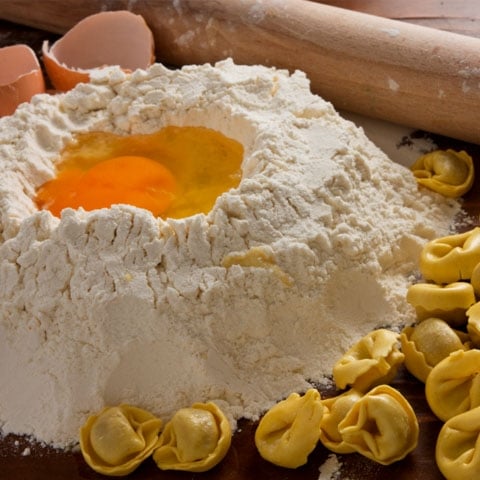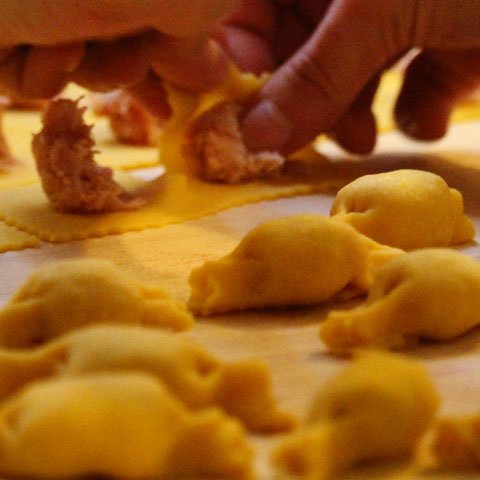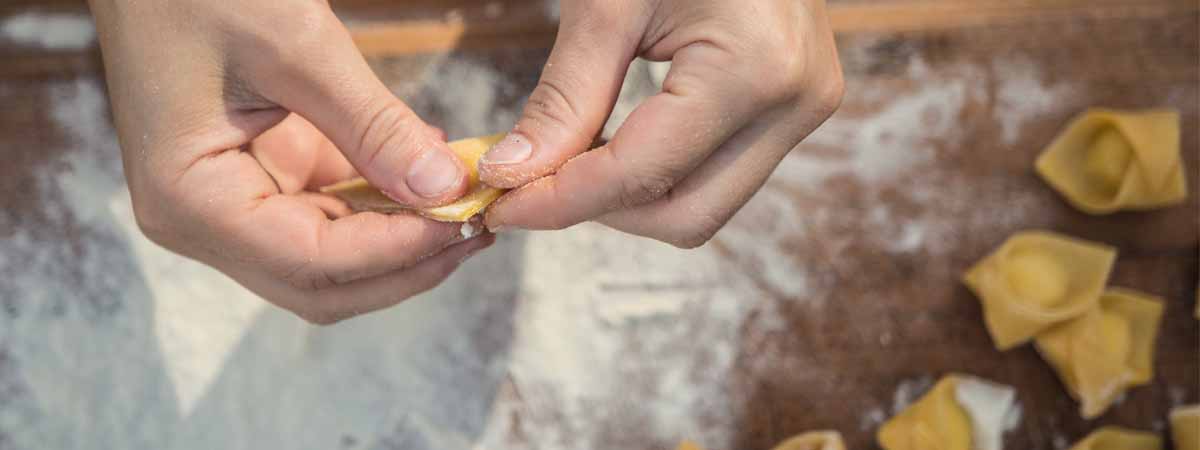
Emilia-Romagna is a land full of delicious flavors, fascinating culture, and rejuvenating spas. When you think of Emilia-Romagna, the mind evokes the famous tortellini, the Temple of Ferrari, the delicious Lambrusco and relaxing Italian spas.
Without a doubt, the region is considered the heaven of foodies and the generosity of the local cuisine reflects the joviality and liveliness of the locals. In Emilia-Romagna, food has always been considered to be cultural heritage. Locals usually gather in taverns to share opinions, stories and enjoy delicious food and wine.
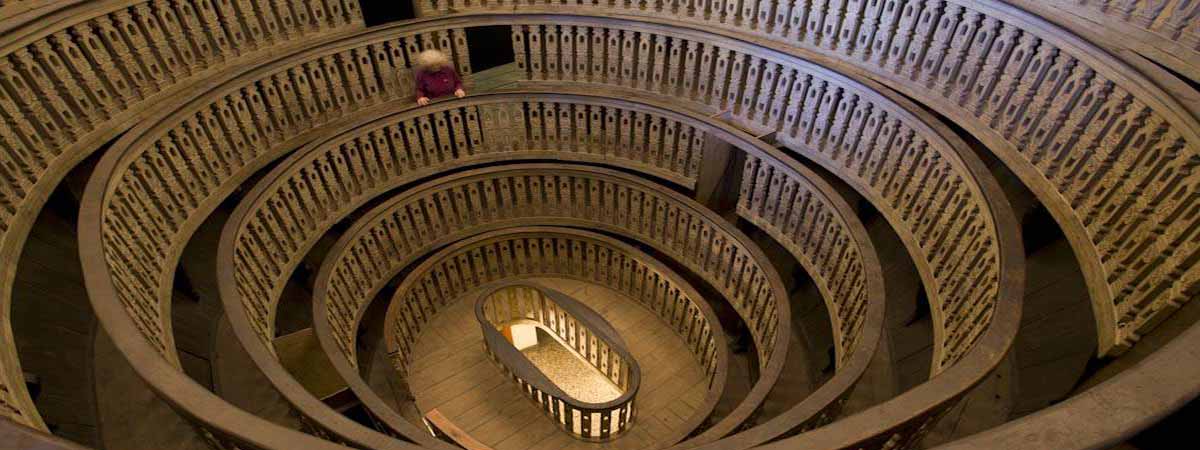
Home of the first university in the western world, Emilia-Romagna is also the place where many bright minds were born or developed. The university had a major influence on the local culture, developing science, unique art, literature, music, and architecture, among many other fields.
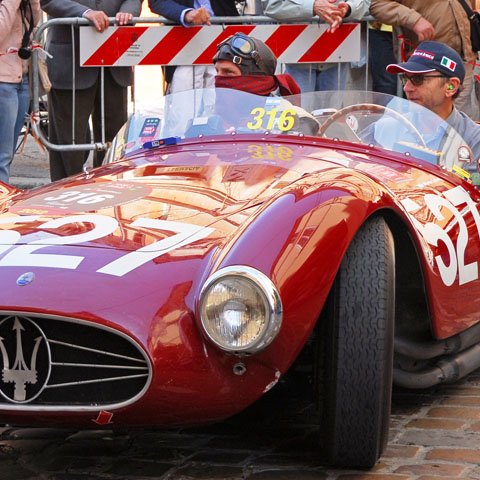
Emilia-Romagna is also synonymous with powerful motors. The iconic Ferrari, Lamborghini, and Maserati are only a few of the names we can mention in the automotive industry, while enthusiasts of two wheeled vehicles will be delighted by Ducati.
Geography and Climate
Emilia-Romagna’s boundaries are enclosed by well-defined natural elements that give the characteristic triangular shape to the region. In the north, Emilia-Romagna is flanked by the Po River while the shores of the Adriatic Sea brush the eastern part of the region and the south and the west are flanked by the Apennine Ridge.
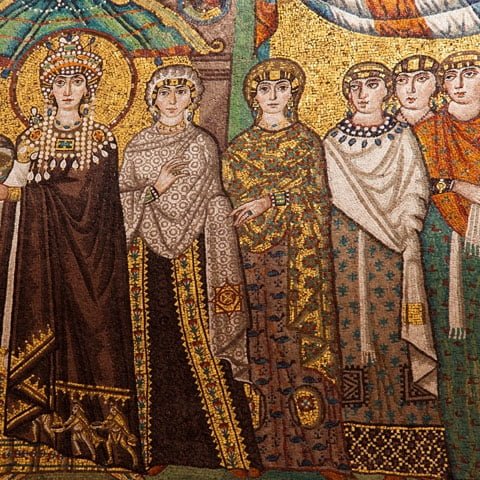
The region, divided into Emilia and Romagna, owes its name to the Via Emilia, an important Roman artery that once connected the Roman cities of Piacenza and Rimini. In medieval times, the name Emilia fell into disuse, while the name Romagna dates back to the Lombard invasion in the 6th century AD and was initially used to indicate the entire territory of the Roman dominion in north-eastern Italy before applying only to the area of Ravenna. The name Emilia-Romagna was officially adopted in 1947 to comply with the unique historical individuality of the region.
The region developed along Via Emilia, an artery capable of strengthening economic activities, together with agricultural, industrial and urban development.
The territory of Emilia-Romagna consists of mountainous and hilly areas, as well as sweeping plains and gorgeous beaches. The territory is divided by the rectilinear path of Via Emilia and the relief is articulated by the Apennine Mountains, whose summits rise above 6,500 feet. The mountains are characterized by a dense mesh of transversal combing valleys that gradually descend towards the plains, unfolded by rivers.
The Po Valley is one of the most scenic natural areas in Emilia-Romagna, characterized by a vast extension of marshes, lakes, and valleys surrounded by hills. The Po Delta is a famous destination among naturalists and offers a wide variety of activities, ranging from hiking to bird watching, recreational fishing, and kayaking.
The Adriatic Coast, on the other hand, is characterized by a uniform territory and the presence of many beaches. The Riviera represents an attraction for those in search of engaging nightlife and entertainment, although some less-known natural paradises boast quiet beaches where families can relax.
The climate of Emilia-Romagna is a continental fresh climate with long winters and hot and dry summers. The influence of the Adriatic’s mild climate is not extensive, yet its presence is mostly felt in the Emilia area, above all in Bologna.
The climate in the Pianura Padana is characterized by the frequent formation of fog during fall and winter, while during the cold months the Apennine areas often feature the presence of snow.
Emilia-Romagna’s environments are characterized by a significant biodiversity that varies between plains, valleys, wetlands, and mountains. Throughout the region, there are many natural parks and reserves that boast lush vegetation and dense woods.
The protection of the environment is majorly entrusted to two national parks, the Tosco-Emilian Apennines and the Casentino Forests divided with neighboring Tuscany. Among the various regional parks, the most famous is probably the Po Delta Regional Park, which is a designated UNESCO World Heritage Site due to its unique wetlands.
To protect the environment, the region developed urbanization plans that have generally contrasted with global trends. Emilia-Romagna not only preserves its natural areas, it also preserves the historic centers of the various cities and towns.
What to do in Emilia-Romagna
A land of entertainment in all its forms, Emilia-Romagna is immortalized in numerous Italian films as a top destination. In fact, Emilia-Romagna offers visitors everything they desire, from sun and sea, beach fun, natural reserves, parks, wellness, and relaxation.
The region goes hand-in-hand with gourmet food tours, countless mesmerizing trails, days spent in thermal spas, energetic nightlife, and a relaxed pace of life on some beaches.
Food & Wine
If the idea of gourmet food and wine tours inspires you, then we have to tell you that there is no better region than Emilia-Romagna. This region boasts a unique cuisine with countless dishes and traditional products that will make you crave more.
When it comes to traditional salami and other meat products, Piacenza and its province are ready to be discovered. The area boasts wine and flavor routes that stretch along cultural and spiritual destinations. Among the products to taste in Piacenza and the province are the local pancetta and the Piancentino salame that pair perfectly with the delicious wines produced in the Colli Piacentini area.
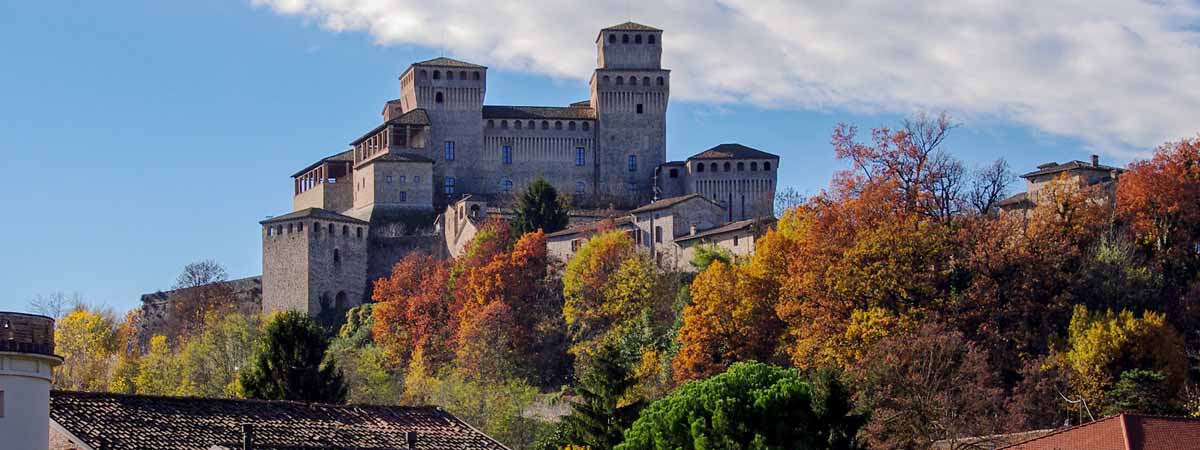
Parma is a city characterized by a refined atmosphere and a precious medieval center, while the province creates the perfect setting for relaxation thanks to a varied natural landscape that is full of castles and medieval churches.
Prosciutto di Parma pairs perfectly with the red wines produced in the many wineries across Colli di Parma, while the Spongata di Busseto is a delicious dessert made of pastry filled with quince jam, candied fruit, pine nuts, and almonds.
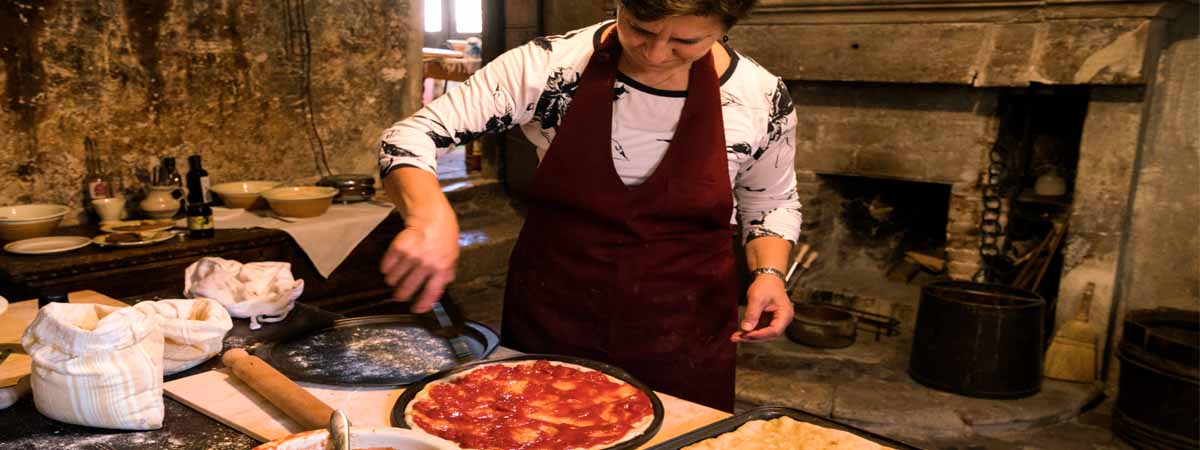
The Romagna Riviera is famous not only for its entertainment and nightlife, but also for the exquisite piadina romagnola, a type of flat bread usually filled with squacquerone cheese and arugula. The cheese also pairs well with honey or marmalades, caramelized figs, and a good Sangiovese wine.
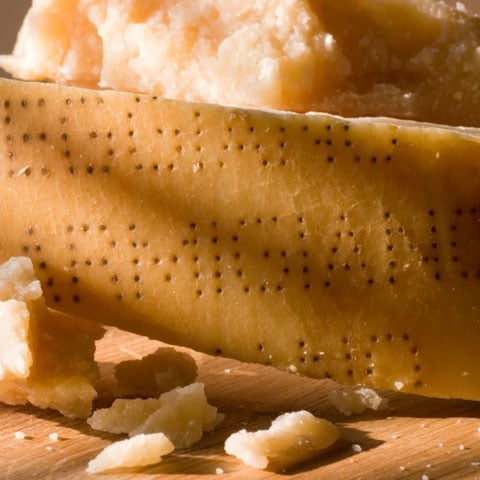
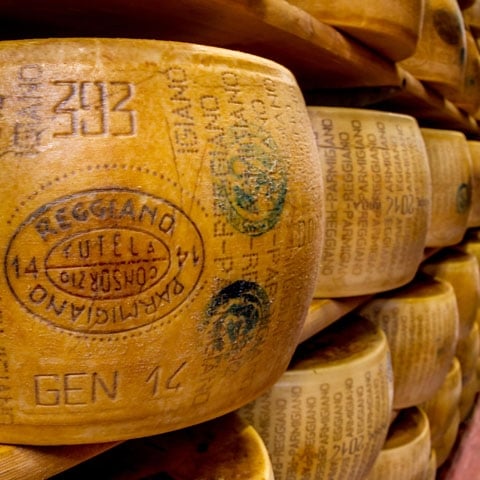
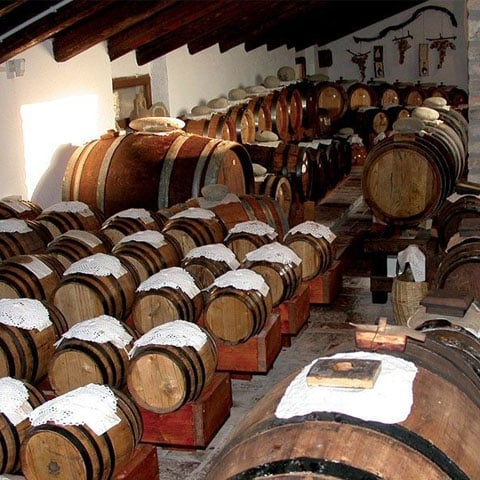
The area of Reggio Emilia, on the other hand, is the home of the exquisite cheese Parmigiano-Reggiano that is still produced according to ancient techniques. This cheese is a classic of Italian cuisine and pairs well with a wide variety of salame and prosciutto, jams and honey, balsamic vinegar and dry red wines.
Apart from the cheese, the city boasts a wonderful historic center full of cultural heritage and artistic manifestations of many styles.
The province of Forlì-Cesena impresses with its Pecorino di Sogliano cheese, also known as Formaggio di Fossa, that is traditionally smoked in sandstone pits.
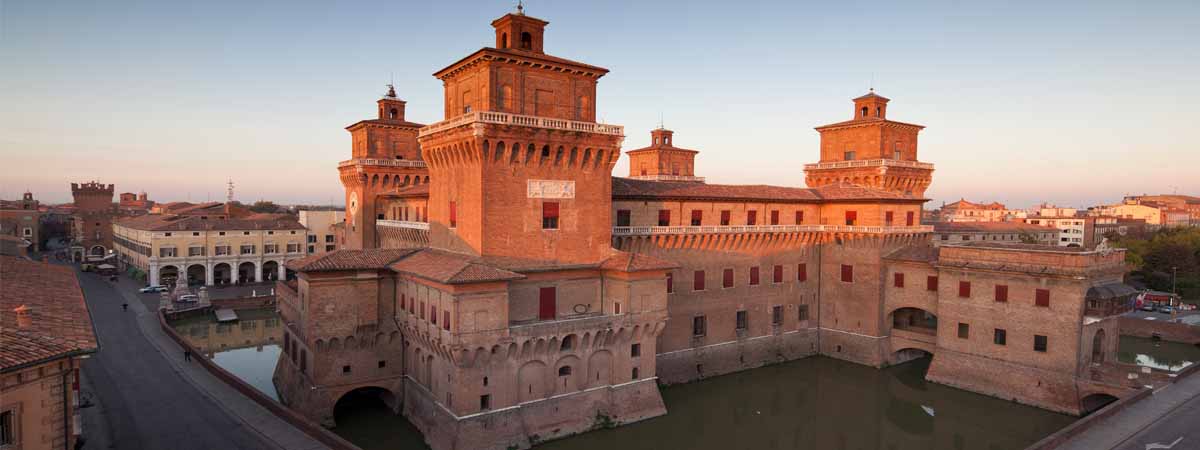
Ferrara is a city of remarkable value from a cultural point of view. Once one of the most important cities in the region during the Renaissance, today Ferrara still preserves an outstanding artistic heritage and UNESCO sites.
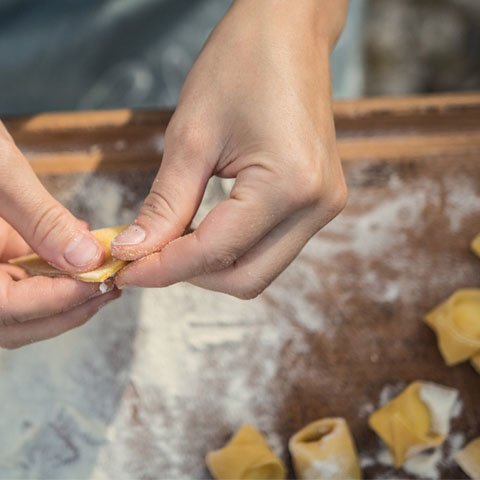
Ferrarese cappellacci, a type of pasta stuffed with pumpkin, cheese, and nutmeg will also delight your senses, while the Ferrarese IGP is a type of sourdough bread that cannot be tasted elsewhere.
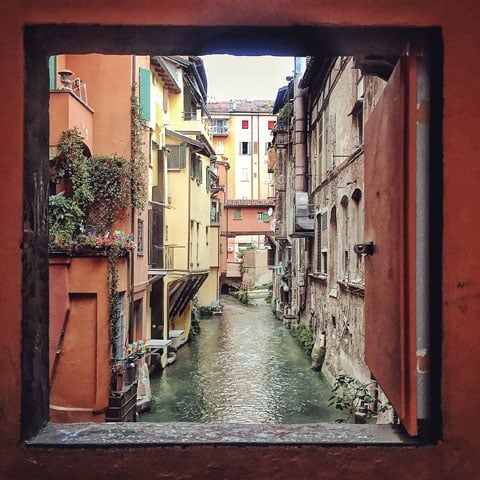
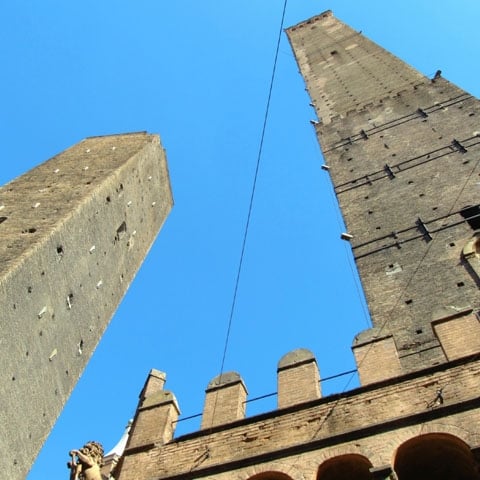
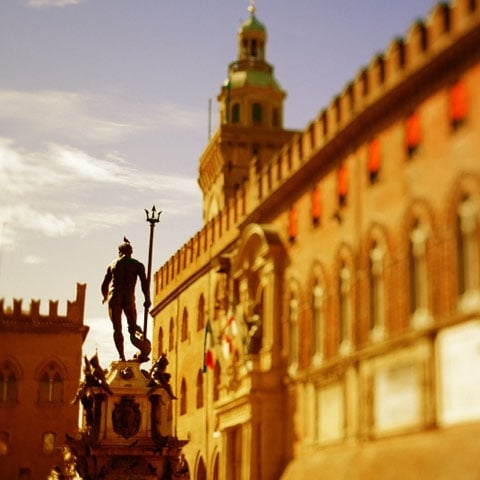
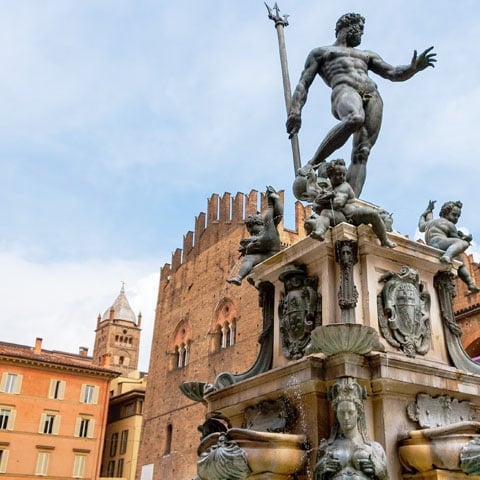
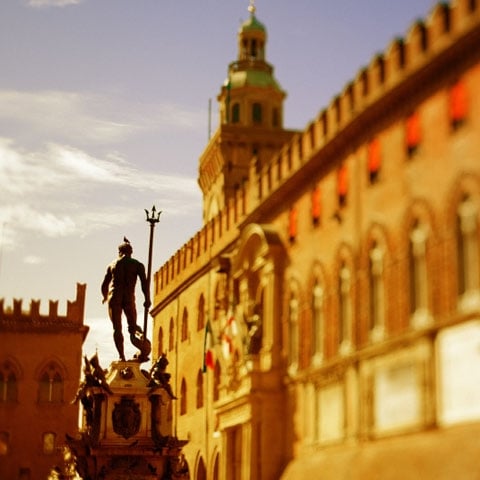
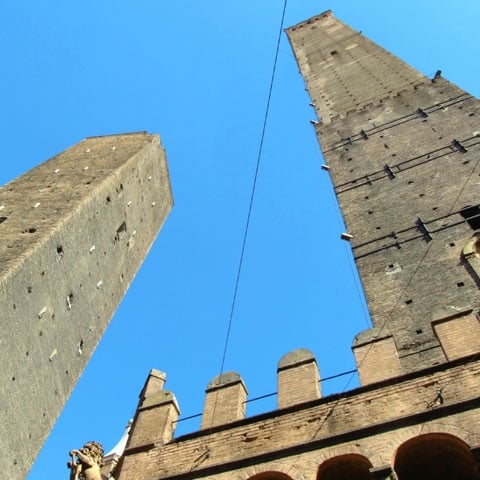
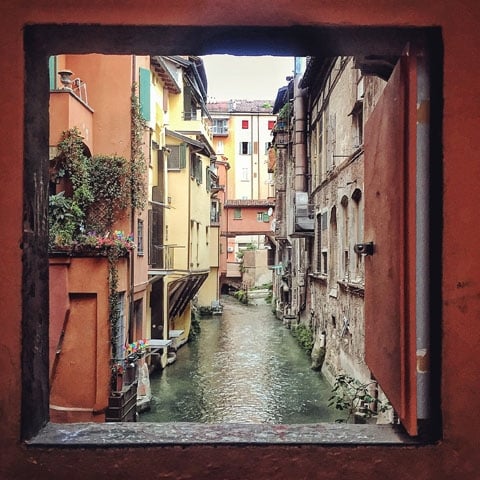
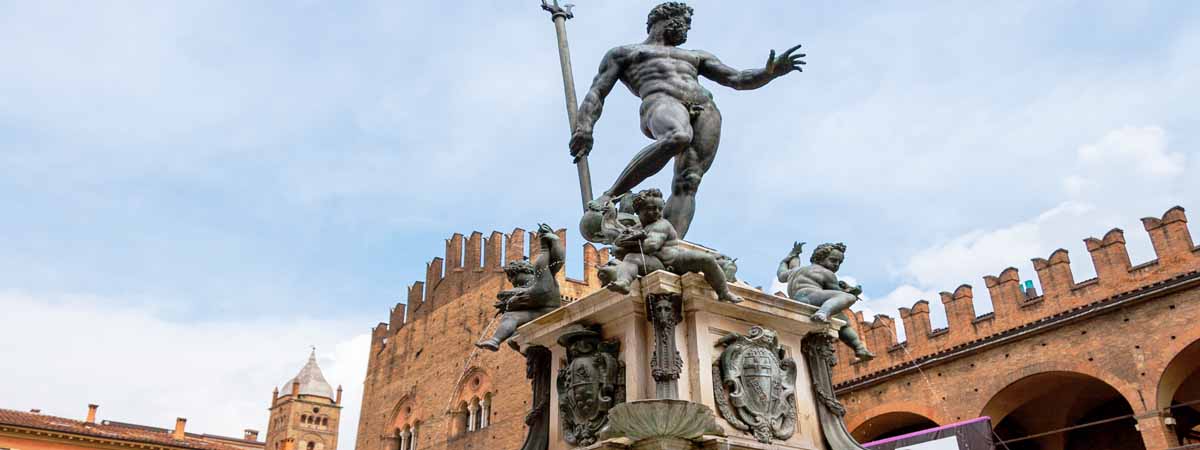
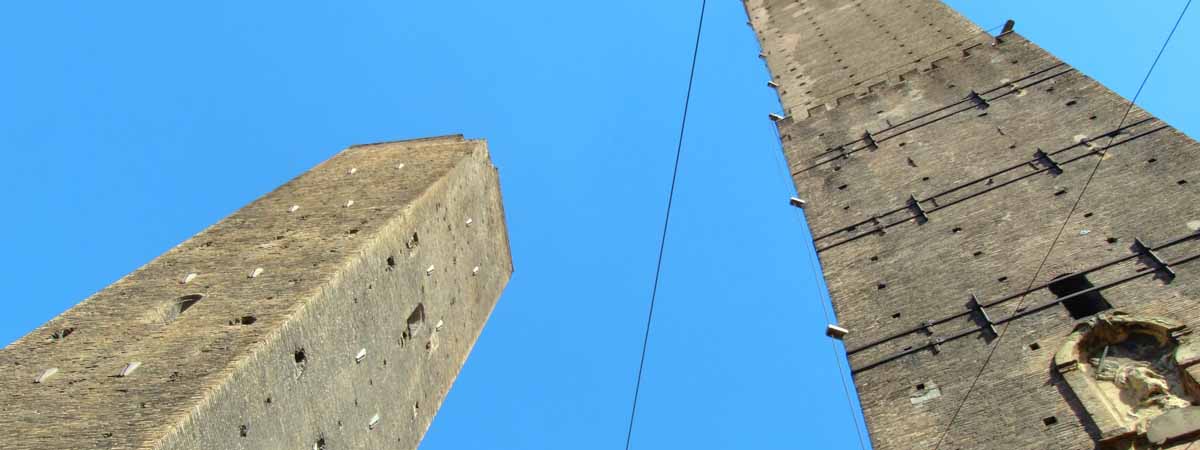
Without a doubt, Bologna is the food capital of Emilia-Romagna. Home to the most ancient university in the world, Bologna boasts a dynamic cultural and social life that contrasts with the medieval charm of the historic center. In fact, Bologna has one of the most extensive and well-preserved old towns in Italy.
Bologna is also home of the famous mortadella, a typical cold cut that pairs well with bread and Parmigiano-Reggiano.
Lastly, we must mention Modena, home of the Italian Military Academy. Modena boasts an impressive Medieval old town and several edifices declared World Heritage Sites by UNESCO, including the Duomo, the Ducal Palace, the Town Hall with its Clock Tower and Piazza Grande.
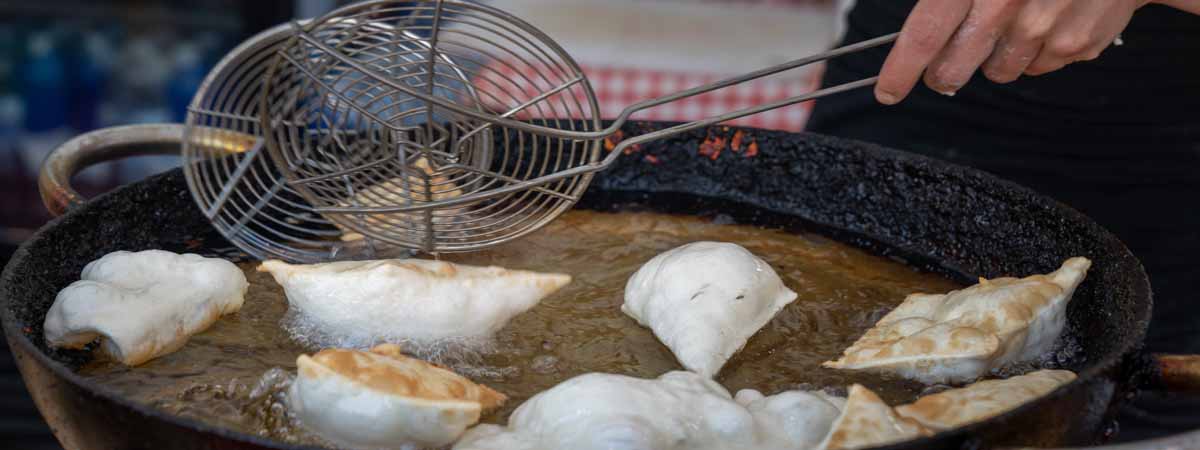
A stop in one of the local osterie will feature delicious gnocchi fritti (fried puffs of dough) served with prosciutto or other local cured meats.
The Modena area is also famous for its wide variety of white wines, such as Pignoletto, a light sparkling wine.
Beaches & Nightlife
Emilia-Romagna is famous for its splendid beaches, vibrant nightlife, amusement parks and large resorts. Without a doubt, the region is synonymous with summer entertainment, yet it also boasts plenty of quiet beaches where it is easy to relax or enjoy the peace.
Some of the most beautiful beaches to visit in Emilia-Romagna are located in Cesenatico, Cervia, Ravenna, Comacchio, and Cattolica.
Cesenatico beach is a long sandy strip that stretches along the eponymous town. The beach is fully equipped with local restaurants, the sand is fine and the beach blends seamlessly with the sea.
To enjoy both the beach and the nightlife, Cervia is the place to be. The beaches and promenades of Cervia are full of nightlife while the area still offers plenty of golden sand stretches where it is possible to catch some sun or swim in the crystalline waters.
The rare pearl of this area is the beach of Pinarella, a long strip of sand exalting the beauty of the surrounding pine forest that gently slopes down into the sea.
Lido di Volano in Comacchio is ideal for beautiful walks in nature. This natural oasis is characterized by a beautiful beach with a green flora, water valleys and sea patches on the beach, set in a very special landscape.
Ravenna, besides good food and impressive architecture and art, also boasts wonderful beaches and an attractive crystalline sea. The beach of Marina Romea is one of the most interesting because it is well-equipped with amenities, yet it also offers a wide and pleasant spot from a naturalistic point of view.
This coast continues with another beach, Porto Corsini, that has amazing golden sand and pristine nature that stretches along the dunes belonging to the Po Delta Regional Park.
Another unspoiled area is the beach of Bellocchio Ancona, located in the middle of the Po Delta Regional Park, on the border between Comacchio and Ravenna. This beach is the preferred option among the locals.
Rimini and Riccione are famous for vibrant nightlife and entertainment, while San Mauro Pascoli is another quiet beach that is a great option for the little ones.
Cars & Motorcycles
Emilia-Romagna also has amazing opportunities for car buffs and motorcycle enthusiasts. In fact, if we think about the most luxurious sports cars in the world, the majority are native to Emilia-Romagna.
The most famous among them is, without a doubt, the iconic Ferrari. There are two museums dedicated to this legend. One of them is Museo Casa Enzo Ferrari in Modena, a museum that focuses on the life and work of Enzo Ferrari, the founder of the company.
In Maranello, the Museo Galleria Ferrari exhibits some of the most famous models of the car and it is located next to the Ferrari factory.
Lamborghini has a dedicated museum in Sant’Agata Bolognese, while another famous sports car, Maserati, is also native to Emilia Romagna.
The Ducati Museum in Bologna features many objects and exhibits related to the history of the brand, along with numerous models of motorcycles.
Throughout the region, many companies propose driving experiences featuring these vehicles, allowing people to enjoy driving while admiring the dazzling landscapes of the region’s countryside.
Spas
Emilia-Romagna is also a land of spas, which are ideal for relaxation and wellness. One of the oldest spa centers in Emilia Romagna is Terme di Riolo, in the province of Ravenna.
The thermal baths, founded in the 1870s, still retain the same untouched beauty and tranquility. Immersed in the hills of Romagna and in the heart of an immense secular park, the baths are a place to relax and rejuvenate.
These thermal baths are also a true treasure chest of natural resources in terms of medicinal waters and muds.
Fratta’s thermal spas, in the heart of Emilia Romagna, are high-quality wellness resorts characterized by luxury and wellness treatments of national excellence. The waters have numerous benefits and properties that are certified from a medicinal point of view.
Lastly, we have to mention the thermal spas of Salsomaggiore, considered the heart of wellness in Emilia Romagna. These establishments are specially designed for women, and the waters are proved to cure various pathologies and restore psychophysical balance.