A Taste of Piedmont Tour | Vacation Packages for 2025 – 2026
Experience Turin as royal palaces, grand piazzas and chocolate cafés reveal the elegance and history of Italy’s first capital. Starting from $1,644 per person.
HOME » POPULAR ITALIAN DESTINATIONS » TURIN TRAVEL GUIDE » TURIN CULTURE GUIDE
About this guide: This guide to the culture of Turin was written by the Italian-born travel specialists at Trips 2 Italy, a custom tour operator that has designed hand-crafted Italian vacations since 2003. Every recommendation below reflects the same first-hand knowledge our team draws on when we build a private Turin itinerary around a traveler’s interests, dates, and pace. Read it for your research, then let us translate it into a trip designed entirely around you.
Turin’s culture is royal at its root and intellectual in its temperament. Three centuries as capital of the House of Savoy gave the city its palaces, its collections, and its formal baroque elegance, while its role as first capital of unified Italy and later as a center of publishing, cinema, and industry gave it a thinking, working character unlike anywhere else in the Piedmont region or the country beyond.
The result is a city of understatement. Turin does not perform for visitors; it simply continues its habits, and those habits happen to be beautiful. Conversation runs long in cafes that have poured chocolate for two centuries, the evening aperitivo unfolds with the seriousness of a civic institution, and the arcades fill each day with a passeggiata that has kept the same unhurried tempo since the age of the kings.
For travelers, this reserve is the reward. Turin’s culture is not staged behind glass or performed on schedule. It is a daily practice, from the market theater of Porta Palazzo to the reading rooms and galleries of a city that has produced more than its share of Italy’s writers and filmmakers, and the itineraries we design are built to place travelers inside that practice rather than in front of it.
The royal collections come first. The Galleria Sabauda, housed in the Royal Palace complex, gathers the paintings the Savoy dynasty acquired across four centuries, with Flemish and Dutch masters alongside the Italians, while the Royal Armoury preserves one of the finest collections of arms and armor in Europe. Palazzo Madama, the castle-palace on Piazza Castello, layers a museum of ancient art through rooms that run from medieval stone to gilded baroque.
Then comes the collection that made Turin famous among scholars: the Museo Egizio, the world’s greatest museum of Egyptian antiquities after Cairo. Founded in 1824 around the Savoy acquisitions, it holds the intact tomb of the architect Kha and his wife Merit, a gallery of monumental pharaonic statuary, and papyri that helped found modern Egyptology. It is a museum that rewards hours, and it deserves a guide who can turn its thousands of objects into a story.
Modern art answers from the GAM, one of Italy’s oldest modern art museums, and from the castle at Rivoli just outside the city, a Savoy residence reborn as a celebrated contemporary art museum. We pair travelers with art historians who unfold these collections at the right depth, arrange timed entries so the great rooms are met in calm, and sequence the museums so each visit builds on the last rather than competing with it.
Two smaller collections complete the circuit. The Biblioteca Reale, the royal library beside the palace, guards Leonardo da Vinci’s celebrated self-portrait in red chalk along with his Codex on the Flight of Birds, shown publicly on special occasions, and the MAO, the Museum of Oriental Art, arranges serene galleries of Asian and Islamic art within a baroque palazzo. Both reward travelers who like their museums quiet, and we fold them into art itineraries wherever the interest fits.
Turin is Italy’s great baroque capital. When the Savoy dukes moved their seat here in 1563, they rebuilt the city as a statement, and the architects they summoned, above all Guarino Guarini and Filippo Juvarra, made Turin a laboratory of the style. Guarini’s dome for the Chapel of the Holy Shroud spirals upward in interlocking arches like woven light, and his church of San Lorenzo hides one of Europe’s most astonishing domes behind a deliberately plain facade.
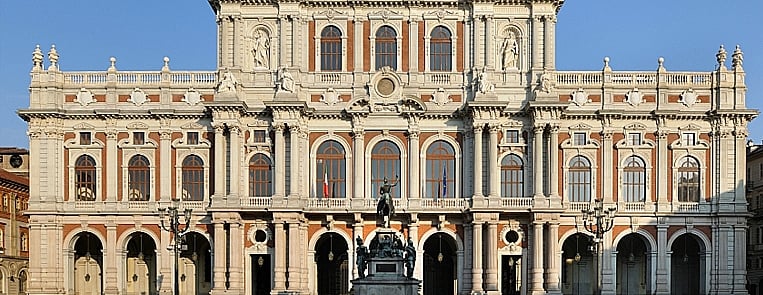
Juvarra answered a generation later with the grand gestures: the shimmering facade of Palazzo Madama, the basilica of Superga poised on its hill, and the hunting lodge of Stupinigi whose ballroom ranks among the most theatrical rooms of the eighteenth century. Around these set pieces the city built its signature streetscape, long arcaded avenues and squares of disciplined elegance, more than twelve miles of porticoes designed so that royal life could proceed regardless of weather.
Walking this architecture with a specialist changes how you see it. We arrange guided days that read the city’s buildings as the political theater they were, from Roman gate to royal chapel, and where access allows, we open doors that casual visitors pass: private staircases, palace apartments, and the quiet upper rooms where the baroque does its best work.
Before Rome’s studios existed, Italian cinema was born in Turin. The country’s first film screenings and first production houses appeared here in the 1890s and early 1900s, and the silent epic Cabiria, shot in the city in 1914, invented much of the grammar of the historical blockbuster. The city has never let go of that inheritance, and its film festival and archives keep Turin central to Italian cinema culture today.
The Mole Antonelliana makes that story visible. The tallest brick building of its era, begun in 1863 and crowned at over five hundred feet, it now houses the Museo Nazionale del Cinema, a museum that spirals up through the tower’s vast interior with sets, projections, and cinema history staged like theater. The glass elevator that rises through the open heart of the dome to the panoramic terrace is itself one of the great experiences in the city.
Music holds equal rank. The Teatro Regio, the royal opera house where Puccini’s La Boheme premiered in 1896, anchors a season of opera and concerts that runs through the year, and the city’s classical and jazz calendars run deep. We reserve performances as part of an itinerary, timed so an opera evening or a concert in a baroque church becomes a centerpiece of the trip rather than an afterthought.
Turin perfected the cafe as an institution. Its historic coffee houses, gilded, mirrored, and marble-topped, have served statesmen, writers, and royalty since the eighteenth century, and they still operate on the original premise: that coffee and chocolate deserve architecture. Taking a slow morning in one of these rooms, or the traditional Merenda Reale, the royal afternoon chocolate service, is among the city’s essential cultural experiences.
Chocolate is the city’s signature craft. Turin’s chocolatiers invented gianduja, the hazelnut-chocolate blend born when Piedmont’s hazelnuts stretched scarce cocoa in the Napoleonic era, and the gilded little gianduiotto remains the city’s sweet emblem. The bicerin, a layered glass of espresso, hot chocolate, and cream, has been Turin’s morning ritual for three centuries, and artisan chocolate workshops still hand-temper their production across the center.
Vermouth completes the trio. The aromatized wine was codified in Turin in 1786, and the city’s aperitivo culture grew up around it, an evening ceremony of vermouth, small plates, and conversation that Turin gave to all of Italy. We arrange chocolate ateliers with master chocolatiers, vermouth tastings that trace the craft from botanicals to glass, and cafe itineraries that turn the city’s rooms into a living history of taste.
The calendar peaks in autumn, when Alba’s international white truffle fair draws the food world to the hills an hour south and Turin’s own tables follow the season. In the city, CioccolaTo celebrates the chocolate tradition with tastings and workshops, the Salone del Gusto gathers artisan producers from across the world in the city that helped launch the slow food movement, and the film festival fills the late-autumn screens.
Winter brings Luci d’Artista, when artists’ light installations transform the streets and piazzas into an open-air gallery through the holidays, one of the most atmospheric times to walk the arcades. Spring answers with the Salone del Libro, Italy’s largest book fair and a measure of how seriously this publishing city takes its reading, and summer moves the concerts and festivals outdoors along the Po.
June 24 belongs to San Giovanni, the city’s patron saint, with processions and fireworks over the river. We fold these dates into itineraries as part of our entertainment and festival experiences in Italy, securing access and timing the trip so a festival becomes the centerpiece it deserves to be rather than a crowd encountered by accident.
Turin’s day has a liturgy. Morning belongs to the cafe and the market, where Porta Palazzo’s stalls open in a roar of dialects and the city’s cooks choose their day’s ingredients. The arcades carry the afternoon at walking pace, bookshops and chocolate shops alternating under the porticoes, and by early evening the aperitivo hour draws the whole city to its bars and cafes for vermouth, conversation, and the small ceremonial plates that accompany both.
The river and the hill give the rhythm its escape valves. Torinesi row and run along the Po, walk the gardens of the Valentino, and climb to Superga or the Monte dei Cappuccini for the view that reminds them why the city was built here. Sunday often means a drive to the mountains or the vineyards, both close enough that the city’s daily life extends naturally into the landscape around it.
Turin is also a city of readers. Its university has taught since 1404, its publishing houses helped shape modern Italian letters, and its cafes have served as literary salons for two centuries, habits still visible in the bookshops that line the arcades of Via Po and in the crowds the Salone del Libro draws each spring. Travelers who enjoy a city that thinks as well as dazzles find Turin’s conversation one of its quiet luxuries.
The deepest travel experiences here come from joining these rhythms rather than observing them: a market morning with a cook who shops it daily, an aperitivo taken where the regulars take it, an evening passeggiata under the lit arcades. Our Italian cultural tours are composed of exactly these hours, arranged through relationships and timed to the life of the place, and Turin rewards that approach more than almost any city in Italy.
Turin deserves more than a template. Since 2003, Trips 2 Italy has designed private Italian vacations one traveler at a time, hand selecting every experience based on what you tell us rather than fitting you into a predefined package. Our Italian-born team plans Turin with the knowledge of people who call Italy home, from the royal galleries of the Savoy palaces to the wine hills of the Langhe an hour beyond the city, and we remain at your side throughout your trip with 24/7 assistance. Tell us how you imagine Turin, and we will craft the itinerary that matches it.
Experience Turin as royal palaces, grand piazzas and chocolate cafés reveal the elegance and history of Italy’s first capital. Starting from $1,644 per person.
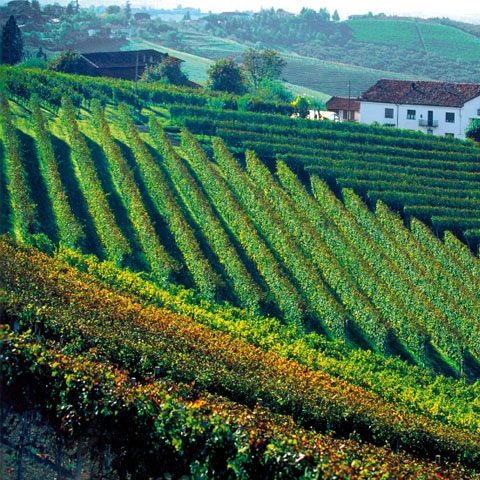
The elegance of Turin combined with the charm of the hills which surround it, are an invitation to those who love art and culture on yet to be discovered
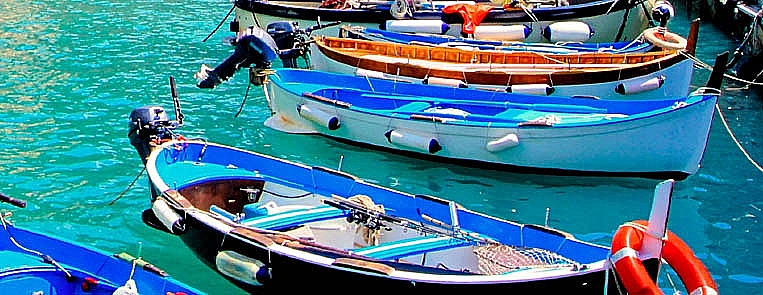
Discover the breathtaking sights of the Italian Riviera and venture through the Italian Alps surrounding Aosta Valley and Piedmont.
Turin is celebrated as Italy’s royal baroque capital, home of the Savoy palaces and their art collections, the world’s greatest Egyptian museum after Cairo, and the national cinema museum inside the Mole Antonelliana. It is equally famous for its cultural inventions: gianduja chocolate, the bicerin, vermouth, and the aperitivo ritual, all served in historic cafes that have operated for centuries.
Yes. The Museo Egizio, founded in 1824, holds the most important collection of Egyptian antiquities outside Cairo, including the intact tomb of Kha and Merit and a gallery of monumental pharaonic statuary. It rewards a guided visit of two to three hours, and Trips 2 Italy arranges expert Egyptologist guides and timed entries so the great rooms are met in calm.
The Mole Antonelliana is Turin’s symbol, a nineteenth-century tower that was the tallest brick building of its era and now houses the National Cinema Museum. Its glass elevator rises through the open interior of the dome to a terrace with a panorama of the city and the Alps, and the museum beneath tells the story of cinema in the city where Italian film was born.
Yes, and it is one of the city’s richest experiences. We arrange visits to artisan chocolate workshops, tastings that trace gianduja from Piedmont hazelnut to finished gianduiotto, and the traditional bicerin and Merenda Reale rituals in the historic cafes. Trips 2 Italy builds these into cultural itineraries through relationships with the city’s master chocolatiers.
Autumn leads, with Alba’s white truffle fair an hour away, the CioccolaTo chocolate festival, and the Salone del Gusto food gathering. Winter brings the Luci d’Artista light installations, spring the Salone del Libro book fair, and June 24 the fireworks of San Giovanni over the Po. We track the calendar year-round and design itineraries so a festival becomes the trip’s centerpiece.
Wonderfully so. The cinema museum plays like a theme park of moving images, the Egyptian Museum fascinates children as reliably as any collection in Europe, the chocolate workshops welcome young hands, and the parks along the Po give every afternoon an outlet. We compose family itineraries that let art and history arrive as adventure rather than obligation.