
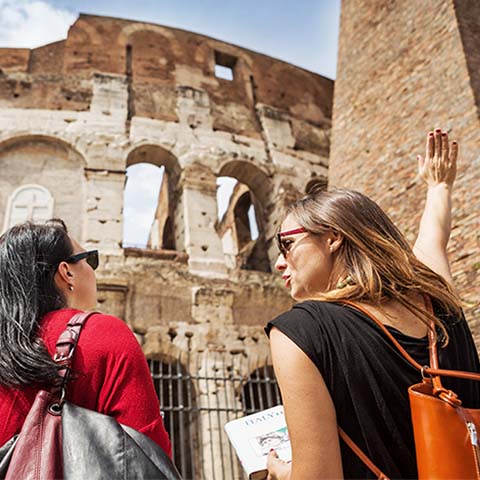
Rome, Venice and Florence Your Way 8 Days / 7 Nights
See Italy’s three iconic cities your way on an 8-day guided journey. Explore the Colosseum, the Vatican, and Florence’s cathedrals, then glide through Venice by gondola. Private driver, premium
Venice Travel Guide Culture History Food and Wine Things to Do Plan My Trip
About this guide: This Venice travel guide was written by the Italian-born travel specialists at Trips 2 Italy, a custom tour operator that has designed hand-crafted Italian vacations since 2003. Every recommendation below reflects the same first-hand knowledge our team draws on when we build a private Venice itinerary around a traveler’s interests, dates, and pace. Read it for your research, then let us translate it into a trip designed entirely around you.
Venice rises directly from the waters of its lagoon, a city of 118 islands stitched together by more than 400 bridges and threaded with over 150 canals. For more than a thousand years it governed itself as the Republic of Venice, La Serenissima, and the wealth of that maritime empire built a city unlike any other on earth. Palaces front the water instead of streets, church domes float above the rooftops, and the entire historic city and its lagoon hold UNESCO World Heritage status.
Venice has always been a meeting point of East and West, and that inheritance is visible everywhere. The golden mosaics of St. Mark’s Basilica speak the language of Byzantium, the tracery of the Doge’s Palace brings Gothic elegance to the waterline, and the palazzi of the Grand Canal record eight centuries of taste and ambition in a single sweeping curve. Few places concentrate this much art, architecture, and atmosphere into so walkable a space.
The city anchors the Veneto region, which reaches from the Adriatic shore to the peaks of the Dolomites and holds Verona, Padova, and the vineyard hills of Prosecco country within easy reach. Venice rewards a visit on its own, and it rewards even more as the centerpiece of a journey through northern Italy.
Our specialists have been planning Venice for travelers since 2003, and they plan it the way Italians experience it: unhurried, well timed, and attentive to the hours when the city belongs to those who know it best. That perspective shapes every recommendation in this guide.
Venice sits in the center of a shallow lagoon separated from the Adriatic Sea by the long barrier islands of the Lido and Pellestrina. The city itself stands on millions of wooden pilings driven into the lagoon bed centuries ago, a feat of engineering that still carries its marble churches and brick bell towers today. Six historic districts, the sestieri of San Marco, San Polo, Santa Croce, Dorsoduro, Cannaregio, and Castello, divide the city, each with its own character and rhythm.
The climate is temperate and shaped by the water that surrounds it. Summers are warm with long luminous evenings, winters are cool and often veiled in the mists that give the lagoon its most painterly moods, and spring and autumn offer mild days ideal for exploring on foot. Seasonal high tides, known as acqua alta, occasionally visit the lowest squares in late autumn and winter, and the MOSE barrier system now shields the city during the highest of them. A well-planned itinerary treats the tides as part of the city’s character rather than an obstacle.
The light of the lagoon has drawn painters for five centuries, and it remains one of the quiet reasons a stay in Venice feels different from a stay anywhere else. Mornings arrive silver over the water, and evenings turn the canal facades to gold. The geography that made Venice a fortress and a port now makes it one of the most beautiful places in the world simply to be present.
For travelers, the practical meaning of this geography is simple: Venice is compact, entirely walkable, and endlessly varied within a small compass. No point in the historic city is more than a pleasant walk or a short boat ride from any other, which is why a well-sequenced itinerary can hold famous monuments and hidden corners in the same unhurried day.
Venice rewards travelers in every season, and the right time depends on how you want to experience the city. Spring and autumn bring mild temperatures, softer light, and comfortable conditions for the walking that defines any Venetian day. These shoulder seasons suit travelers who want full, unhurried days moving between basilicas, galleries, and neighborhood squares.
Summer offers long evenings on the water and the great feast of the Redentore in July, when fireworks fill the sky above the lagoon. Winter belongs to Carnival, when masked figures step out of the eighteenth century and into the campi, and to the quiet, misty weeks when the city returns to the Venetians themselves. Art lovers plan around the Biennale, which fills the city with contemporary art in odd years and architecture in even years from spring through late autumn.
When we design a custom Venice itinerary, your dates become a planning tool. We match the season to the experiences it serves best, schedule the marquee sites for their finest hours, and reserve the experiences that depend on the calendar well in advance.
Most first visits are well served by three to four full days. That window allows a proper encounter with St. Mark’s Square and the Doge’s Palace, time on the Grand Canal, a day among the lagoon islands, and the neighborhood hours in Cannaregio or Dorsoduro that turn sightseeing into a memory of a place.
The honest answer, though, is that the right length is personal. A couple celebrating an anniversary and a family introducing children to Italy do not need the same Venice. Because every Trips 2 Italy itinerary is built by hand, we weigh your interests, your pace, and the other destinations woven into your Italian journey, then give Venice exactly the space it deserves rather than fitting you to a template.
Venice is six cities wearing one name, and knowing the sestieri is the difference between visiting the monuments and inhabiting the place. San Marco holds the ceremonial heart, the Basilica, the Palace, and the great square, and staying nearby puts the city’s icons at the start and end of every day. Dorsoduro pairs the finest concentration of art in the city with student energy, morning markets, and the long sunny promenade of the Zattere facing the Giudecca canal.
Cannaregio, the most residential of the districts, offers quiet canalside walks, the historic Ghetto, and the neighborhood wine bars where the evening ritual of cicchetti feels most local. Castello stretches from the grandeur of the waterfront promenade into the greenest and most lived-in corners of Venice, where laundry crosses the lanes and the Biennale gardens open toward the lagoon.
San Polo and Santa Croce, wrapped inside the Grand Canal’s great bend, hold the Rialto market, the Frari, and a maze of artisan streets that reward aimless walking more than any map. Each district keeps its own pace, its own light on the water, and its own answer to the question of what an evening should be.
Where you stay and where you spend your evenings shapes the entire character of a Venice visit. When we plan the city, we match neighborhoods to travelers: the couple who wants the water outside the window, the art lover who wants the museums within a short walk, the traveler who wants the morning market to be the first sound of the day. This is the level of detail a hand-crafted itinerary is built on.
Venice is a city of water and footpaths, and arriving well sets the tone for everything that follows. We arrange private water transfers from Marco Polo Airport that bring you across the lagoon and to the landing nearest your accommodation, with luggage handled from door to door. There is no better introduction to the city than approaching it by water, the way travelers have arrived for a thousand years.
Within the city, Venice is best experienced on foot, with the vaporetti gliding along the Grand Canal when distance calls for it and private launches carrying you to the outer islands on your own schedule. The gondola remains what it has always been, less transportation than a way of seeing the city from its original point of view, and we reserve gondoliers whose knowledge of the quiet back canals matches their skill at the oar.
Our itineraries sequence each day by neighborhood so that bridges and distances feel effortless rather than accidental, and our team remains available around the clock throughout your stay. In a city with no cars, thoughtful logistics are the difference between wandering and arriving.
Venice is the natural anchor of northern Italy. Verona and its Roman arena, Padova and its Giotto frescoes, the villas of the Brenta canal, Lake Garda, and the Prosecco hills all sit within easy reach, and fast rail connections continue on to Milan, Florence, and Rome. Few cities open so many directions for the rest of an Italian journey.
How Venice fits your trip depends on the occasion. For a honeymoon, we balance the city’s romance with slower days on the lakes or the coast, and our Italian honeymoon planning begins with how you imagine those first mornings together. For families, we shape the city around experiences that hold every generation, from glassblowing furnaces to secret courtyards, as part of a family vacation to Italy. And for travelers building a longer journey, Venice becomes one movement in a custom trip to Italy composed entirely around you.
This guide is one of five we have written on the city. Continue with our Venice culture guide, Venice history guide, Venice food and wine guide, and Venice things to do guide, or step up to the Veneto travel guide to see the region around the lagoon.
Venice deserves more than a template. Since 2003, Trips 2 Italy has designed private Italian vacations one traveler at a time, hand selecting every experience based on what you tell us rather than fitting you into a predefined package. Our Italian-born team plans Venice with the knowledge of people who call Italy home, from the first water transfer across the lagoon to the last quiet evening on a back canal, and we remain at your side throughout your trip with 24/7 assistance. Tell us how you imagine Venice, and we will craft the itinerary that matches it.
See Italy’s three iconic cities your way on an 8-day guided journey. Explore the Colosseum, the Vatican, and Florence’s cathedrals, then glide through Venice by gondola. Private driver, premium
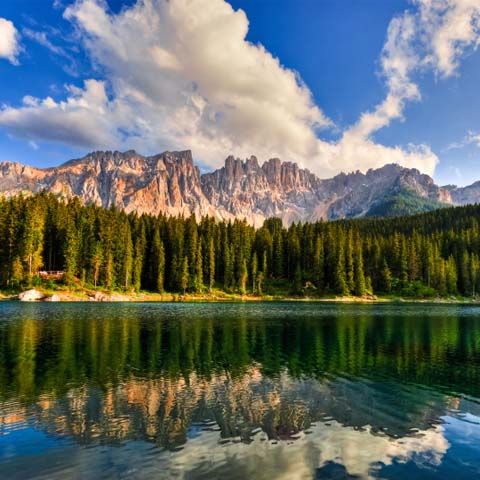
From the peaks of the Dolomites to the shores of the Italian Riviera, an escorted 16-day journey through Northern Italy: Cortina, Venice, Verona, Lakes Garda, Como and Maggiore, Milan,
Skip the packed summer hotspots and enjoy a Northern Italy family summer itinerary that feels relaxed, local, and full of together time. Italy Beyond the Crowds is a land-only
Venice rewards travelers in every season. Spring and autumn offer mild temperatures and ideal walking conditions, summer brings long evenings and the Redentore festival, and winter offers Carnival and the quiet, atmospheric weeks when the city is at its most local. The specialists at Trips 2 Italy match your travel dates to the experiences each season serves best.
Most first visits are well served by three to four full days, which allows time for St. Mark’s Square, the Doge’s Palace, the Grand Canal, a day among the lagoon islands, and the quieter neighborhoods. Because every Trips 2 Italy itinerary is built by hand, the right length depends on your interests, your pace, and the other destinations in your Italian journey.
The finest arrival is by water. We arrange private water transfers that carry you across the lagoon from the airport to the landing nearest your accommodation, with luggage handled from door to door. It is both the most seamless option and the most memorable, entering Venice the way travelers have arrived for a thousand years.
Yes, when it is done well. The gondola is less transportation than a way of seeing Venice from its original point of view, gliding through back canals no other craft can enter. We reserve gondoliers whose knowledge of the quiet waterways matches their skill at the oar, and we time the ride for the hours when the light and the canals are at their best.
Verona, Padova, the Palladian villas of the Brenta canal, Lake Garda, and the Prosecco hills all sit within easy reach of the city. Each pairs differently with Venice depending on the season and your interests, and we often use a countryside or lakeside day as the hinge of a Venice itinerary.
Venice is among the most romantic cities in the world, and it excels as a honeymoon setting: private arrivals by water, evenings on the Grand Canal, and mornings that begin with the lagoon outside your window. We design Venice honeymoons around the couple, balancing the city’s grandeur with slower days on the lakes, the coast, or the wine country nearby.