
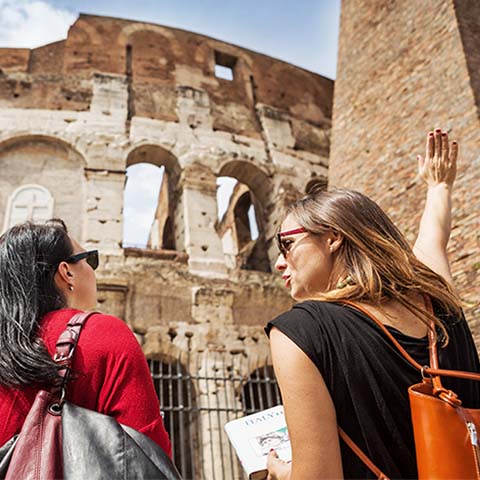
Rome, Venice and Florence Your Way 8 Days / 7 Nights
See Italy’s three iconic cities your way on an 8-day guided journey. Explore the Colosseum, the Vatican, and Florence’s cathedrals, then glide through Venice by gondola. Private driver, premium
Tuscany Travel Guide Culture History Food and Wine Things to Do Plan My Trip
About this guide: This Tuscany travel guide was written by the Italian-born travel specialists at Trips 2 Italy, a custom tour operator that has designed hand-crafted Italian vacations since 2003. Every recommendation below reflects the same first-hand knowledge our team draws on when we build a private Tuscany itinerary around a traveler’s interests, dates, and pace. Read it for your research, then let us translate it into a trip designed entirely around you.
Tuscany is the Italy the world dreams of first. Cypress-lined roads climbing to hilltop towns, vineyards folding across valleys in every direction, Renaissance cities where the modern world was in many ways invented, and a table that has taught the rest of the planet how to eat. No other region concentrates so much of what draws travelers to Italy into a single landscape.
The region gave the world the Renaissance, the Italian language in its literary form, and names that need no introduction: Florence, Siena, Pisa, Chianti, Brunello. Yet Tuscany’s deeper gift is how naturally its art, its agriculture, and its way of life still belong to each other. The same hills that Renaissance painters set behind their Madonnas still produce the wine and oil on the region’s tables, and the same piazzas still fill for markets and festivals as they have for seven centuries.
Tuscany rewards every kind of traveler: first-timers anchoring an Italian journey, art lovers on pilgrimage, couples celebrating milestones among the vines, and families discovering that history can hold a child’s attention when it is told well. Our specialists have planned every one of those journeys many times over, and this guide reflects what two decades of designing Tuscan itineraries has taught us.
Use it to shape your thinking, then let us shape the trip. Every Tuscany vacation we design is composed from what you tell us, hand selected experience by experience, never assembled from a predefined package.
Tuscany covers nearly 9,000 square miles of central Italy, from the Apennine mountains along its northern and eastern borders to a long Mediterranean coastline facing the islands of the Tuscan Archipelago, Elba among them. Between mountain and sea lies the landscape everyone recognizes: the vine and olive covered hills of Chianti, the sculpted clay ridges of the Crete Senesi, and the Val d’Orcia, a valley so harmoniously shaped by centuries of farming that it is protected as a UNESCO World Heritage landscape.
The Arno river crosses the region through Florence and Pisa, while the wilder south, the Maremma, keeps its own character of coastal plains, Etruscan hill towns, and natural hot springs. The variety within a two-hour drive is remarkable: alpine chestnut forests in the Garfagnana, marble mountains above Carrara, and beach umbrellas along the Etruscan Coast all belong to the same region.
The climate is classically Mediterranean in the valleys and along the coast, with hot, dry summers and mild winters, turning cooler and greener as the land rises. Spring and autumn bring the light that painters and photographers cross oceans for, and the agricultural year, from the June hay cut to the September vendemmia and the November olive harvest, gives every season its own texture. There is no wrong month for Tuscany, only different Tuscanys.
For travelers, the practical meaning of this geography is choice. A single Tuscan itinerary can hold Renaissance cities, wine valleys, mountain air, and a sea swim, provided someone sequences it well. That is the work our specialists do first, matching the region’s many landscapes to the trip you actually want.
Autumn is the connoisseur’s season. September and October bring the grape harvest, when wine country hums with purpose, the light turns golden, and the table fills with porcini, game, and new wine. November adds the olive harvest and the first press of the year’s oil, an event Tuscans treat with the reverence other regions reserve for wine.
Spring answers with wildflowers across the Val d’Orcia, comfortable walking weather in the cities, and gardens at their peak. Summer is festival season, from open-air opera to the Palio di Siena in July and August, when the region lives outdoors from morning espresso to midnight piazza. Winter belongs to the cities: Florence’s museums at their calmest, truffle season in the hills, and the kind of long, fire-warmed dinners the Tuscan kitchen was designed for.
When we plan a Tuscan itinerary, your dates become an instrument. We align wine country days with what the vineyards are actually doing, reserve festival experiences months ahead, and time city sightseeing to the hours when the great sites are at their best. The season you travel should shape the trip you take, and designing that alignment is precisely our work.
A first meaningful encounter with Tuscany wants five to seven days: two or three for Florence, a day for Siena, and the remainder in the countryside, based somewhere among the vineyards where the evenings are as much a part of the itinerary as the sightseeing. That rhythm, city art in the morning and hill town light in the evening, is the region’s signature experience.
Tuscany also rewards much longer stays better than almost anywhere in Italy. A second week opens the Maremma, the Etruscan south, the coast, and the quieter valleys where travelers settle into the pace that makes people dream about moving here. Because every Trips 2 Italy itinerary is built by hand, we weigh your interests and the other destinations in your Italian journey, then give Tuscany the space it deserves rather than the space a standard package allows.
Florence anchors everything, a city compact enough to walk end to end yet holding the Uffizi, Michelangelo’s David, Brunelleschi’s dome, and the workshops of artisans whose crafts predate all three. Siena, its great medieval rival, answers with the shell-shaped Piazza del Campo, a striped cathedral of astonishing richness, and a civic pride still organized around the contrade that race the Palio.
Pisa is far more than its tower, with the whole Field of Miracles gleaming beside it, and Lucca charms everyone who walks or cycles its intact Renaissance walls. Then come the hill towns, each with its own personality: San Gimignano and its medieval towers, Montepulciano and Montalcino crowning their wine country, Pienza planned as an ideal Renaissance city, Cortona gazing over the Valdichiana, Volterra with its Etruscan gates and alabaster workshops, and Arezzo with its antiques market and Piero della Francesca frescoes.
The art of a Tuscan itinerary is selection and sequence: which towns match your tastes, in what order, at what time of day. Eleven beautiful towns visited in a rush produce fatigue; four perfectly chosen ones produce a trip travelers describe for the rest of their lives. We build the second kind.
Where you base yourself matters as much as where you visit. A city apartment near the Arno, a village house beneath San Gimignano’s towers, and a wine estate in the Val d’Orcia each create a completely different trip from the same list of destinations. We match bases to travelers as the first act of planning, because in Tuscany the view from your morning espresso is part of the itinerary.
Tuscany’s pleasures are scattered across hills and valleys, and how you move between them shapes the whole trip. For wine country, hill towns, and the Val d’Orcia, we arrange private drivers who know the back roads, the viewpoints worth an unscheduled stop, and the estates where an afternoon tasting turns into a memory. A driver transforms wine country in particular: every glass can be enjoyed, and the cypress-lined roads become scenery rather than navigation.
The cities connect swiftly by rail, with Florence under two hours from Rome and well linked to Pisa and Lucca, and we sequence itineraries so trains handle the distances they serve best while cars handle the countryside. Within the walled cities and hill towns, everything worth seeing is reached on foot, which is exactly how these places were designed to be experienced.
Every transfer in a Trips 2 Italy itinerary is arranged in advance and supported around the clock, from the moment you land to the morning you depart. In a region whose beauty lives on its smallest roads, thoughtful logistics are not a detail. They are the difference between seeing Tuscany and being carried through it.
Tuscany sits at the crossroads of any Italian journey. Rome lies under two hours south by rail, Venice under three north, and the Cinque Terre a short reach up the coast, which makes the region the natural heart of the classic first trip to Italy. It pairs just as beautifully with neighboring Umbria for travelers drawn to hill country beyond the famous names. However it fits, we design the sequence so Tuscany’s slow rhythm lands exactly where your journey needs it, usually between the intensity of the great cities.
The occasion shapes the composition. For a honeymoon, we balance Florence’s romance with long countryside evenings as part of an Italian honeymoon built around the two of you. For travelers who plan around the table, Tuscany can carry an entire wine and culinary journey. And for those composing something larger, it becomes a movement in a custom trip to Italy designed entirely from what you tell us.
This guide is one of five we have written on the region. Continue with our Tuscany culture guide, Tuscany history guide, Tuscany food and wine guide, and Tuscany things to do guide, or widen the lens with our complete Italy travel guide.
Tuscany deserves more than a template. Since 2003, Trips 2 Italy has designed private Italian vacations one traveler at a time, hand selecting every experience based on what you tell us rather than fitting you into a predefined package. Our Italian-born team plans Tuscany with the knowledge of people who call Italy home, from the galleries of Florence to the wine roads of Montalcino, and we remain at your side throughout your trip with 24/7 assistance. Tell us how you imagine Tuscany, and we will craft the itinerary that matches it.
See Italy’s three iconic cities your way on an 8-day guided journey. Explore the Colosseum, the Vatican, and Florence’s cathedrals, then glide through Venice by gondola. Private driver, premium
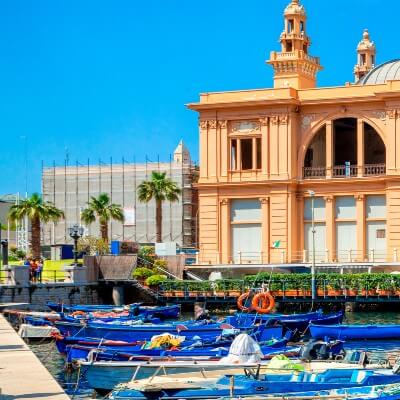
A romantic 12-day journey through southern Italy featuring charming towns, candlelit piazzas, ancient wonders, and breezy seaside escapes from Lecce to Bari, with experiences designed for unforgettable moments together. Starting from $7,844 per person
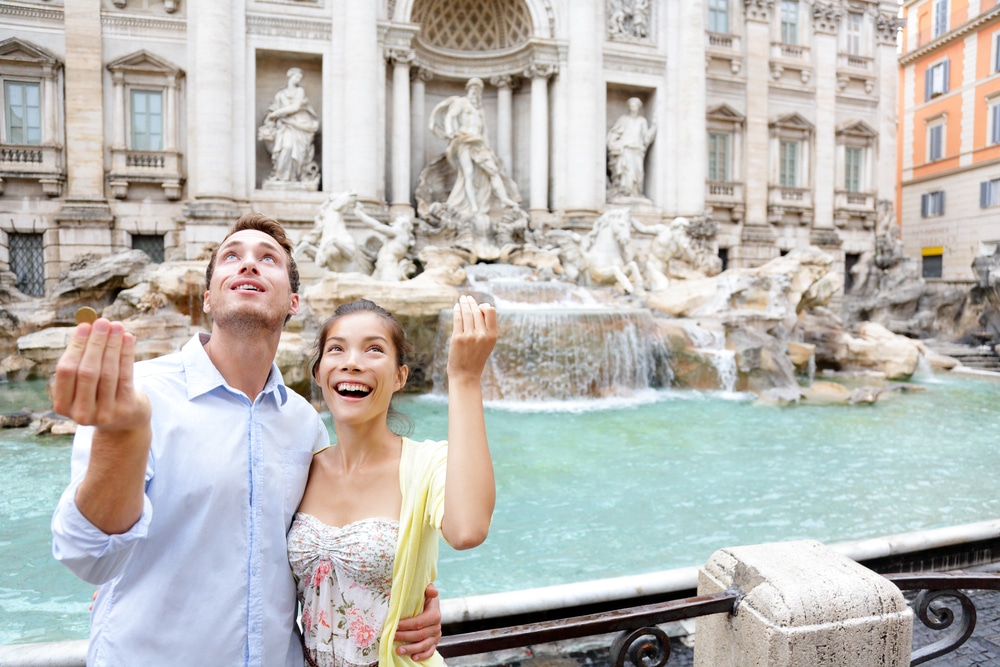
Embark on an unforgettable 11-day honeymoon through northern Italy, where each destination reveals a new chapter of romance and discovery. From Venice’s enchanting canals and timeless artistry, to the
Every season offers a different Tuscany. September and October bring the grape harvest and golden light, spring brings wildflowers and ideal walking weather, summer brings festivals including the Palio di Siena, and winter offers quiet museums and truffle season. The specialists at Trips 2 Italy align your dates with what the region does best in that season.
Five to seven days allows a meaningful first visit: two or three in Florence, a day in Siena, and unhurried time in the wine country and hill towns. A second week opens the Maremma, the coast, and the quieter valleys. Because we build every itinerary by hand, the right length depends on your interests and the rest of your Italian journey.
The finest Tuscan itineraries usually combine both: a city base for the art and an estate or village base for the landscape, the table, and the evenings. Where you wake up shapes the whole character of the trip, and matching the bases to the traveler is one of the first decisions we make together when planning.
The countryside is best experienced with a private driver, which lets every wine tasting be enjoyed and turns the region’s beautiful back roads into scenery rather than navigation. Cities and many towns connect well by rail, and everything within their walls is walkable. We arrange every transfer in advance so the logistics disappear into the trip.
San Gimignano, Montepulciano, Montalcino, Pienza, Cortona, Volterra, and Arezzo each have distinct personalities, from medieval towers to wine capitals to Etruscan strongholds. The art is choosing the three or four that match your interests and sequencing them well, which is exactly how Trips 2 Italy composes a Tuscan itinerary.
Tuscany is one of the world’s great honeymoon settings: private wine estate evenings, hot air balloon mornings over the Val d’Orcia, candlelit dinners in medieval towns, and Florence’s romance woven between them. We design Tuscan honeymoons around the couple, hand selecting every experience from what you tell us about how you imagine it.