Emilia Romagna Travel Guide

HOME » POPULAR ITALIAN DESTINATIONS » ITALIAN TRAVEL GUIDES BY REGION » EMILIA ROMAGNA TRAVEL GUIDE

Emilia Romagna Travel Guide        Culture        History        Food and Wine        Things to Do        Plan My Trip

About this guide: This Emilia Romagna travel guide was written by the Italian-born travel specialists at Trips 2 Italy, a custom tour operator that has designed hand-crafted Italian vacations since 2003. Every recommendation below reflects the same first-hand knowledge our team draws on when we build a private Emilia Romagna itinerary around a traveler’s interests, dates, and pace. Read it for your research, then let us translate it into a trip designed entirely around you.

What Makes Emilia Romagna One of Italy's Most Rewarding Regions?

Emilia Romagna is the region Italians themselves point to when the conversation turns to living well. It gave the world Parmigiano Reggiano, Prosciutto di Parma, traditional balsamic vinegar of Modena, tortellini, and tagliatelle al ragu, then added Ferrari, Lamborghini, Maserati, and Ducati for good measure. Between the tables and the engines stand some of Italy’s most beautiful and least hurried cities: Bologna with its medieval towers and endless porticoes, Ravenna glowing with Byzantine mosaics, Ferrara preserved as a complete Renaissance city, and Parma carrying its ducal elegance lightly.

The region’s story runs along a single line. The Via Emilia, the Roman road laid down in 187 BC between Piacenza and Rimini, strung the great cities like beads and still does, which makes Emilia Romagna unusually easy to explore deeply. A traveler can wake beneath Bologna’s porticoes, stand before the mosaics of San Vitale by late morning, and end the day in a balsamic vinegar loft in Modena, all without a single rushed hour.

What travelers remember most, though, is the temperament. Emilia Romagna receives its guests with a warmth and generosity Italians consider the regional signature, and because it hosts far fewer international visitors than Tuscany or the Veneto, the welcome remains personal. Our specialists have been designing journeys here since 2003, and it is the region our returning travelers most often thank us for insisting upon.

Use this guide to shape your thinking, then let us shape the trip. Every Emilia Romagna vacation we design is composed from what you tell us, hand selected experience by experience, never assembled from a predefined package.

What Is the Geography and Climate of Emilia Romagna?

Emilia Romagna stretches across northern Italy from the Adriatic Sea nearly to the Ligurian border, covering more than 8,500 square miles. Its shape is easy to hold in the mind: the Po river defines the northern edge, the Apennine mountains rise along the entire southern flank, and between them spreads the Po plain, some of the most productive farmland in Europe. The Via Emilia runs along the foot of the hills, and every major city except Ferrara and Ravenna sits directly on it.

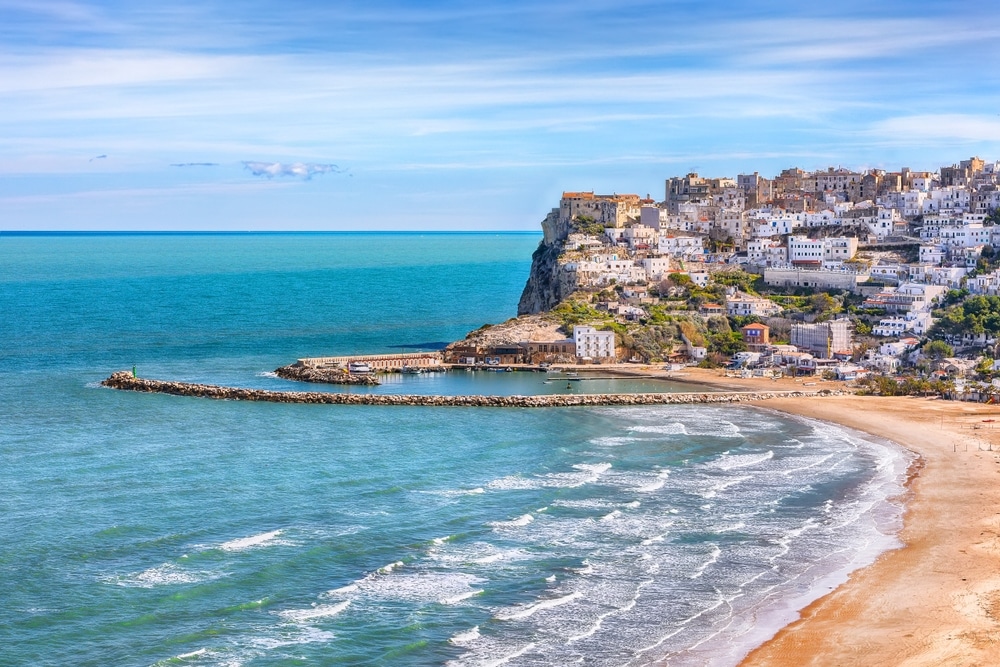
The two halves of the hyphenated name keep distinct personalities. Emilia, to the west, is the land of the great food cities, ducal courts, and the Motor Valley. Romagna, to the east, brings the Adriatic coastline with its long sandy beaches around Rimini and Cervia, the wetlands of the Po Delta where flamingos gather among the lagoons of Comacchio, and a hill country of medieval strongholds like Brisighella. The Apennines above both offer chestnut forests, castle-crowned ridges, and the fortress lands of Matilda of Canossa.

The climate is continental on the plain, with hot summers, cold and often foggy winters, and long, luminous springs and autumns that are the connoisseur’s seasons. The coast stays milder and busier in summer, while the mountains run cooler year round. For travelers, the practical meaning is that the region rewards visits in every month, provided the itinerary is composed around what each season does best, which is precisely how we build them.

When Is the Best Time of Year to Visit Emilia Romagna?

Autumn is the season insiders choose. From September through November the food year reaches its height: the grape harvest fills the Lambrusco hills, white truffles arrive in the markets, new Parmigiano wheels are broken open, and the fog that settles over the plain makes every lamplit portico and steaming bowl of tortellini in brodo feel like a reward. Parma’s Verdi Festival fills October with opera, and the cities settle back into their own rhythms.

Spring answers with mild weather, flowering orchards across the plain, and ideal conditions for walking Bologna’s porticoes or cycling Ferrara’s Renaissance walls. Summer belongs to the Adriatic riviera, where the beach towns run at full brightness, and to long evenings in the city squares; the great sights remain remarkably calm compared with Italy’s most visited regions. Winter is the insider’s secret: misty, atmospheric cities, opera seasons in full voice, and the richest cooking in Italy at its most appropriate.

When we plan an Emilia Romagna itinerary, your dates become an instrument. We align cheese dairy visits with morning production schedules, time acetaia and winery visits to the working calendar, reserve festival and opera experiences months ahead, and sequence city days around market mornings. The season you travel should shape the trip you take, and designing that alignment is exactly our work.

How Many Days Should I Spend in Emilia Romagna?

A first meaningful encounter wants five to seven days: two or three for Bologna, a day for Ravenna’s mosaics, a day for Modena and the Motor Valley, and a day built around Parma’s food traditions. Because the cities line up along the Via Emilia and its rail spine, that itinerary flows without a single long transfer, and Bologna can serve as a base for much of it.

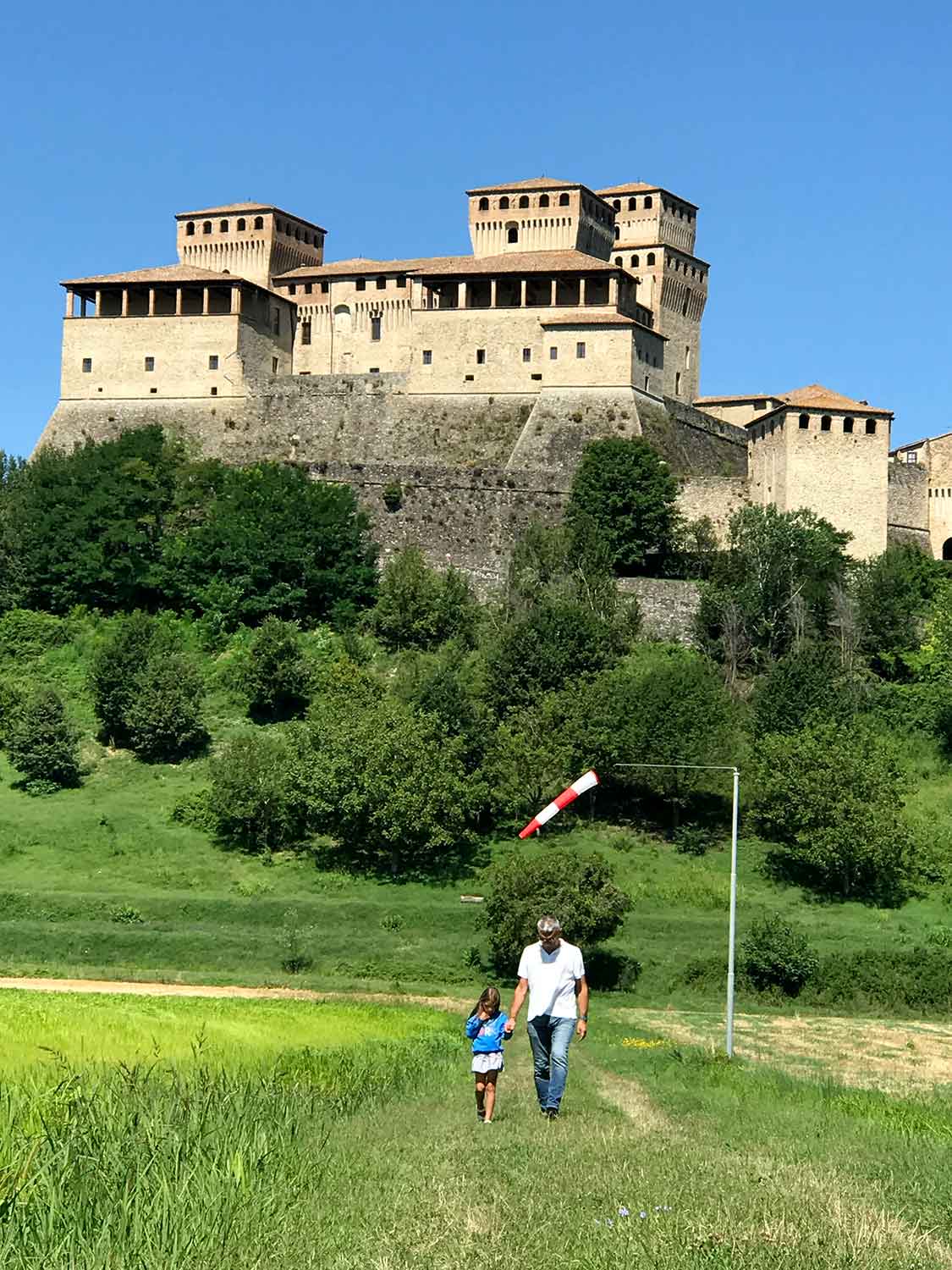
A full week to ten days opens the deeper region: Ferrara’s Este castle and bicycle-paced streets, the castles of the Duchy of Parma at Torrechiara and Fontanellato, the Po Delta’s lagoons, the Apennine hill towns, and an unhurried day on the Adriatic coast. Travelers who love food often devote an entire week to Emilia alone, moving from dairy to acetaia to prosciutto cellar with long lunches between.

Because every Trips 2 Italy itinerary is built by hand, we weigh your interests and the other destinations in your Italian journey, then give Emilia Romagna the space it deserves rather than the space a standard package allows. Even two well-designed days here, folded between Florence and Venice, can hold the meals and mosaics a traveler talks about for years.

Which Cities Should Anchor Your Emilia Romagna Itinerary?

Bologna anchors everything. The region’s capital is home to the oldest university in the Western world, founded in 1088, and to nearly 40 miles of porticoes so central to the city’s identity that UNESCO inscribed them as World Heritage in 2021. Its medieval towers, the food markets of the Quadrilatero, and a skyline of terracotta and rose give Bologna its three nicknames: the Learned, the Fat, and the Red.

Ravenna, near the Adriatic, holds eight UNESCO World Heritage monuments glittering with the finest Byzantine mosaics in existence, the legacy of its years as capital of the Western Roman Empire and seat of Theodoric and Byzantium’s exarchs. Ferrara preserves the Renaissance city of the Este dukes complete, from the moated Castello Estense to the planned streets of the Addizione Erculea. Modena pairs a magnificent Romanesque cathedral and Pavarotti’s legacy with the Motor Valley’s most famous names, while Parma offers Correggio’s painted domes, the Teatro Regio’s exacting opera public, and the twin thrones of Parmigiano Reggiano and Prosciutto di Parma.

Reggio Emilia, where the Italian tricolore flag was born in 1797, rounds out the Via Emilia’s string of cities with elegant squares and a proud food tradition of its own. The art of an Emilia Romagna itinerary is selection and sequence: which cities match your tastes, in what order, at what depth. Six cities visited in a rush produce fatigue; three or four perfectly chosen ones produce a trip travelers describe for the rest of their lives. We build the second kind.

How Do You Get Around Emilia Romagna?

Emilia Romagna is the easiest great region in Italy to move through, because history built it in a line. The rail corridor shadowing the Via Emilia links Piacenza, Parma, Reggio Emilia, Modena, and Bologna in quick succession, with Ferrara, Ravenna, and the coast on convenient branches, and Bologna itself is the high-speed crossroads of the country, under 40 minutes from Florence and about an hour and a half from Milan or Venice.

The region’s richest experiences, though, live off the rail line: cheese dairies at dawn in the countryside near Parma, acetaie in the hills above Modena, castle villages in the Apennine foothills, and the lagoons of the Po Delta. For these we arrange private drivers who know the farm roads and the producers personally, so a food-focused day unfolds seamlessly from dairy to cellar to a long countryside lunch, with every tasting enjoyed and no navigation required.

Within the cities, everything worth seeing is reached on foot, and Bologna’s porticoes famously let you cross the center in the rain without an umbrella; Ferrara is best experienced by bicycle, as its residents insist. Every transfer in a Trips 2 Italy itinerary is arranged in advance and supported around the clock, from the moment you land, most often in Bologna or Milan, to the morning you depart. Thoughtful logistics are the quiet ingredient in every effortless trip.

How Do We Weave Emilia Romagna Into a Complete Italian Itinerary?

Geography makes Emilia Romagna the natural hinge of an Italian journey. Bologna sits on the high-speed line between Florence and Venice, with Milan and Rome each an easy reach, so the region folds gracefully into the classic first trip to Italy rather than demanding a detour. Many of our travelers place two or three Emilian days between the intensity of the great art cities, and later tell us those were the days the trip came alive.

The occasion shapes the composition. For travelers who plan around the table, Emilia Romagna can carry an entire wine and culinary journey, from Parmigiano vaults to acetaia lofts to a truffle-season lunch in the hills. Motor enthusiasts build pilgrimage days around Maranello and the Motor Valley museums. Families discover that pasta-making workshops and castle visits hold every generation’s attention as part of a family vacation to Italy, and for those composing something larger, the region becomes a movement in a custom trip to Italy designed entirely from what you tell us.

This guide is one of five we have written on the region. Continue with our Emilia Romagna culture guide, Emilia Romagna history guide, Emilia Romagna food and wine guide, and Emilia Romagna things to do guide, or widen the lens with our complete Italy travel guide.

Ready to Begin Planning Your Emilia Romagna Vacation?

Emilia Romagna deserves more than a template. Since 2003, Trips 2 Italy has designed private Italian vacations one traveler at a time, hand selecting every experience based on what you tell us rather than fitting you into a predefined package. Our Italian-born team plans Emilia Romagna with the knowledge of people who call Italy home, from the porticoes of Bologna to the mosaics of Ravenna and the cheese vaults of Parma, and we remain at your side throughout your trip with 24/7 assistance. Tell us how you imagine Emilia Romagna, and we will craft the itinerary that matches it.

Explore Our Emilia Romagna Vacation Itineraries

Frequently Asked Questions About Traveling to Emilia Romagna

Autumn leads the calendar, when the grape harvest, white truffles, and new cheese wheels fill the food cities and Parma’s Verdi Festival brings a month of opera. Spring offers mild weather ideal for walking Bologna’s porticoes and cycling Ferrara’s walls, summer opens the Adriatic riviera, and winter brings atmospheric fog, opera seasons, and the region’s richest cooking. The specialists at Trips 2 Italy align your dates with what the region does best in that season.

Five to seven days allows a meaningful first visit: two or three in Bologna, a day among Ravenna’s mosaics, a day in Modena and the Motor Valley, and a day built around Parma’s food traditions. A longer stay opens Ferrara, the castles of the Parma hills, the Po Delta, and the Adriatic coast. Because we build every itinerary by hand, the right length depends on your interests and the rest of your Italian journey.

Excellent. Bologna sits at the center of the Via Emilia corridor, with Modena, Parma, Ferrara, and Ravenna all within easy reach, and it is Italy’s high-speed rail crossroads, under 40 minutes from Florence. Many of our itineraries pair a Bologna base with private drivers for the countryside experiences, so travelers unpack once and still reach every corner of the region.

Emilia Romagna receives far fewer international travelers than Italy’s most famous regions, which is precisely its appeal. The mosaics of Ravenna, the food cities of Emilia, and the Renaissance streets of Ferrara are experienced at a local rhythm, and the welcome remains personal. Travelers who add the region to a first Italian journey routinely name it the discovery of the trip.

This is the birthplace of Parmigiano Reggiano, Prosciutto di Parma, traditional balsamic vinegar of Modena, mortadella of Bologna, tortellini in brodo, tagliatelle al ragu, and lasagne. Producers across the region welcome visitors by arrangement, and Trips 2 Italy designs entire culinary itineraries around dairy mornings, acetaia visits, and hand-rolled pasta workshops.

The cities line up along the Via Emilia rail corridor, so train connections between Bologna, Modena, Parma, and Ferrara are quick and frequent, while the countryside experiences are best reached with a private driver. Trips 2 Italy arranges every transfer in advance, from airport arrival to farm-road tastings, with support around the clock throughout your trip.