
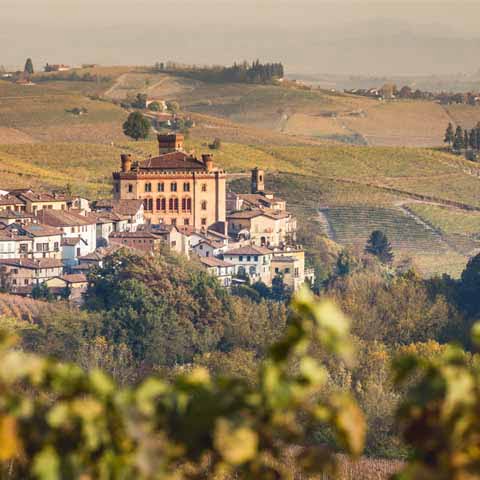
Flavors of Langhe Tour | Vacation Packages for 2025 – 2026
Experience Piedmont’s Langhe region as you savor world-class wines, explore hilltop villages and discover castles in Italy’s gourmet heartland. Starting from $1,448 per person.
Alba Travel Guide Culture History Food and Wine Things to Do Plan My Trip
About this guide: This guide to the food and wine of Alba was written by the Italian-born travel specialists at Trips 2 Italy, a custom tour operator that has designed hand-crafted Italian vacations since 2003. Every recommendation below reflects the same first-hand knowledge our team draws on when we build a private Alba itinerary around a traveler’s interests, dates, and pace. Read it for your research, then let us translate it into a trip designed entirely around you.
Alba stands at the gastronomic summit of Piedmont, and its kitchen is Piedmontese cooking at its most refined: a cuisine of butter rather than olive oil, of egg-rich pasta rolled thin by hand, of long braises in great red wine, and of an autumn ingredient so prized that the whole world learned this small town’s name. It is elegant farmhouse cooking, polished over generations by prosperity and pride.
The foundations are the land’s own gifts. Veal and beef from Piedmont’s celebrated white cattle, hazelnuts from the high Langhe, cheeses from the surrounding valleys, egg pasta as golden as the harvest hills, and vegetables that reach the Saturday market hours after picking. Over it all, from October to December, drifts the perfume of the white truffle, the ingredient around which the entire regional calendar turns.
This is also a cuisine of ritual seriousness. Meals unfold in ordered courses, antipasti arrive in generous processions, and the pairing of dish and wine is discussed with real attention, because the wines at hand are Barolo and Barbaresco. Eating in Alba rewards a little fluency, and every culinary itinerary we design comes with that fluency built in: what to order, where, in which season, and why.
The philosophy behind the table has a name and a birthplace. The Slow Food movement began in Bra, minutes from Alba, and its convictions, that food should be good, clean, and fair, and that eating is an agricultural act, simply codified what the Langhe’s farmhouses had always practiced. Dining around Alba means encountering that philosophy in its home landscape, where the distance from field to plate is often measured in meters and the menu reads like a map of the surrounding hills.
The white truffle, Tuber magnatum Pico, is gastronomy’s great wild card. It cannot be cultivated, defies every attempt at farming, and grows only where soil, host tree, and climate conspire in secret, with the hills around Alba as its most celebrated home. Hunters find it with trained dogs in autumn woods, and no two specimens are alike in size, perfume, or price.
Its power at the table is entirely aromatic. The white truffle is never cooked; it is shaved raw, at the moment of serving, over dishes chosen for their gentleness: tajarin glossed with butter, a soft egg, a risotto, a fonduta of mountain cheese. The perfume, part garlic, part honey, part autumn forest floor, transforms simple dishes into the reason travelers cross oceans in November.
Alba celebrates its treasure with the International White Truffle Fair from early October into early December, when the truffle market fills the old town and the season’s finest specimens go under the hammer at the world charity auction held in the castle of Grinzane Cavour. We plan truffle-season itineraries around the fair’s rhythms: market mornings with an expert who teaches travelers to judge a truffle by nose and weight, followed by lunches where the morning’s lesson is applied with a shaver.
Begin with the antipasti, which in the Langhe constitute a cuisine of their own: carne cruda all’albese, hand-chopped raw veal dressed simply with oil and lemon and crowned in season with truffle; vitello tonnato, cold sliced veal beneath its silken tuna and caper sauce; and peppers, anchovies, and stuffed vegetables in procession. In cold months, bagna cauda gathers the table around a warm bath of anchovy, garlic, and oil for dipping winter vegetables.
The pastas are the region’s pride. Tajarin, golden hand-cut ribbons enriched with an extravagant number of egg yolks, arrive glossed with butter and sage or a rich roasting-pan sauce, and in autumn beneath shaved white truffle. Agnolotti del plin, tiny pinched parcels of roasted meat, are served with butter or simply in a napkin to prove the filling needs no ornament. Both are still rolled by hand in kitchens across the Langhe.
The main courses answer the wines. Brasato al Barolo braises beef slowly in the king of wines until it yields to a spoon, guinea fowl and rabbit carry the hazelnut and herb flavors of the hills, and finanziera, the old banker’s dish of Piedmont, preserves a baroque tradition. The cheese course matters here: robiola from the Roero and the high Langhe, aged tomas, and mountain cheeses served with local honey and cugna, the grape-must preserve of the harvest.
Nebbiolo rules these hills, and its two great expressions face each other across Alba. To the southwest, Barolo, the wine of kings, rises from eleven villages including La Morra, Serralunga d’Alba, Castiglione Falletto, and Monforte d’Alba: powerful, tannic in youth, and capable of decades of evolution toward rose, tar, and autumn-leaf complexity. To the northeast, Barbaresco answers from its smaller amphitheater of hills with the same grape in more perfumed, graceful voice.
The supporting cast would headline anywhere else. Barbera d’Alba brings dark fruit and bright acidity to the everyday table, Dolcetto d’Alba offers the soft, early-drinking red the locals pour at lunch, and Nebbiolo d’Alba and Langhe Nebbiolo give a gentler introduction to the great grape. Across the Tanaro, the Roero contributes both its own Nebbiolo and Roero Arneis, the region’s signature white, floral and dry. Sweet Moscato d’Asti, from vineyards just beyond, closes meals throughout the Langhe.
What distinguishes Alba’s wine country is the intimacy of its scale. These are family estates measured in hectares rather than empires, where the person pouring is often the person who made the wine, and the crus, Cannubi, Brunate, Rabaja, Asili, are single hillsides a visitor can walk in an afternoon. A well-composed tasting itinerary reads this geography glass by glass, and composing it is among our favorite work.
A wine day in the Langhe unfolds at human scale. Mornings might begin in a cellar carved beneath a village, where bottles rest in cool dark, and continue through the vineyard itself with the maker explaining why this slope and not the next produces the estate’s finest wine. Lunch stretches long in a village above the vines, and the afternoon holds one more visit, chosen to contrast with the morning: a historic name after a young family, Barbaresco after Barolo.
The estates we bring travelers to are selected through relationships our team has built over two decades, from storied cellars to small growers whose entire production would fit in a single room. Visits are hosted, personal, and unhurried, often with the winemaker or family, and we match them to the traveler: verticals of aged vintages for collectors, approachable introductions for newer palates, harvest-time visits for those who want the drama of the vendemmia.
A private driver makes the whole composition effortless. The villages sit on separate hilltops linked by ridge roads that deserve full attention as scenery, and with the logistics in our hands, every glass can be enjoyed and every unplanned viewpoint indulged. It is the single most requested experience in our Alba itineraries, and the one we take the most care composing.
Season your expectations to the calendar. Harvest, from roughly mid September through October, brings the cellars alive with fermenting Nebbiolo and the roads busy with tractors, while late autumn pairs tastings with truffle season for the fullest expression of the Langhe’s table. Winter offers the most unhurried welcomes of the year, and spring dresses the crus in green for travelers who want the vineyards at their freshest. There is no wrong season in a cellar, only different conversations.
The Langhe’s sweets taste of its groves. Torta di nocciole, the dense hazelnut cake made from the prized Tonda Gentile, is served with a glass of Moscato or a spoonful of zabaglione, and bonet, the dark pudding of chocolate and amaretti, descends from the region’s baroque kitchens. Panna cotta was born in Piedmont, gianduja unites local hazelnuts with chocolate in every pastry shop window, and autumn adds chestnut sweets from the high hills.
The rituals frame every meal. Breakfast is brief and sweet, built around pastry and coffee; lunch and dinner are ordered processions in which antipasti alone can constitute a feast; and the aperitivo hour, a Piedmontese invention polished in nearby Turin with its vermouth tradition, opens each evening with a glass and something small. On Saturdays, the market that has fed Alba since the Middle Ages remains the week’s true culinary event.
Fine dining flourishes in and around Alba as impressively as anywhere in rural Italy, with celebrated kitchens reinterpreting the Langhe’s ingredients at the highest level alongside farmhouse tables that have not changed a recipe in fifty years. We reserve the rooms suited to each evening of an itinerary, balancing grand occasions with the trattoria lunches that are their own kind of luxury.
A Trips 2 Italy culinary itinerary begins with how you love food, not with a fixed menu of activities. For some travelers that means the hunt: a dawn walk through autumn woods behind a trifolau and his dog, ending with the morning’s truffle shaved over tajarin. For others it means the hands: a market morning followed by a class in a farmhouse kitchen, learning to pinch agnolotti del plin from a cook who learned from her grandmother.
For wine lovers, we compose days among the crus of Barolo and Barbaresco with the families who farm them, timed to the season, from the quiet concentration of winter cellars to the theater of the September and October vendemmia. Hazelnut farms in the Alta Langa, cheese producers in the valleys, and the pastry and chocolate traditions of the town itself round out journeys for travelers who want the region’s full breadth.
Because our team is Italian-born and has worked these hills since 2003, the settings are authentic rather than staged: family kitchens, working estates, and the market stalls our own cooks trust. Every journey is composed around your dates and the season’s calendar as part of our wine tasting and food tours in Italy. Tell us how you imagine eating in Alba, and we will build the days around the table.
Alba deserves more than a template. Since 2003, Trips 2 Italy has designed private Italian vacations one traveler at a time, hand selecting every experience based on what you tell us rather than fitting you into a predefined package. Our Italian-born team plans Alba with the knowledge of people who call Italy home, from the truffle stalls of the old town to the Barolo and Barbaresco villages in the hills around it, and we remain at your side throughout your trip with 24/7 assistance. Tell us how you imagine Alba, and we will craft the itinerary that matches it.
Experience Piedmont’s Langhe region as you savor world-class wines, explore hilltop villages and discover castles in Italy’s gourmet heartland. Starting from $1,448 per person.
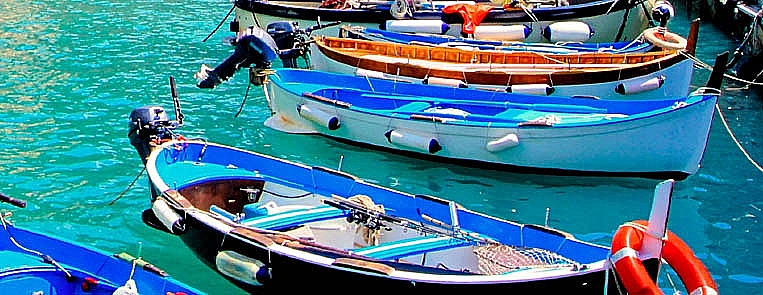
Discover the breathtaking sights of the Italian Riviera and venture through the Italian Alps surrounding Aosta Valley and Piedmont.
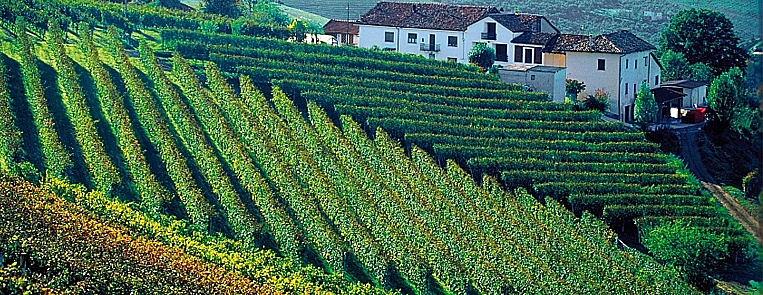
Langhe is a land to taste slowly day by day through its great wines, impressive castles and unforgettable dishes. You will dream to be back there again.
Alba is the world capital of the white truffle, shaved in autumn over golden tajarin pasta, and the home table of Piedmontese classics like agnolotti del plin, carne cruda all’albese, vitello tonnato, brasato al Barolo, and bagna cauda. Its hazelnut sweets, from torta di nocciole to gianduja, complete a table considered among Italy’s finest.
White truffle season runs roughly from late September into early December, peaking in October and November when the International Alba White Truffle Fair fills the town on weekends. Trips 2 Italy plans truffle-season itineraries around the fair, the market, and private hunts, and these weeks book far in advance.
Yes. We arrange private truffle hunts with an experienced trifolau and his trained dog in the woods around Alba, typically in the morning, followed by a tasting or lunch where the find is shaved at the table. It is one of the most memorable food experiences in Italy and a centerpiece of the autumn itineraries Trips 2 Italy designs.
Barolo and Barbaresco lead, the two great expressions of Nebbiolo from the hills on either side of town, followed by Barbera d’Alba, Dolcetto d’Alba, Nebbiolo d’Alba, and the white Roero Arneis from across the Tanaro. Sweet Moscato closes the meal. We arrange hosted tastings with family producers, from historic cellars to small growers.
Yes, and the setting makes it. We arrange hands-on classes in farmhouse and estate kitchens where travelers learn tajarin and agnolotti del plin from local cooks, often beginning with a market visit in town. In autumn, classes can be paired with a truffle hunt so the morning’s find crowns the lunch you cooked.
Tajarin is the Langhe’s signature pasta: extraordinarily thin, hand-cut ribbons enriched with a lavish number of egg yolks, which give them their golden color and delicate richness. They are traditionally dressed with butter and sage or a roasting-pan sauce, and in autumn they become the classic stage for shaved white truffle.