
Italy Vacations by Trip Style

Start With the Style of Trip, Not the Map

Most people begin planning Italy by picking cities. That is the hard way to do it, because the same three cities make a completely different vacation depending on why you are going. A couple celebrating twenty years wants Venice at a different hour, at a different pace, and with different people meeting them than a family taking their first trip abroad together.

So we start somewhere else. We ask what kind of trip you want, then we build the route to serve it. That is what a trip style is. It is not a package you buy off a shelf and it is not a fixed itinerary. It is the shape of the vacation, and everything inside it gets hand selected once we know yours.

Below are the nine styles we plan most often. Each one has its own page with the regions, the seasons and the timing that make it work. Read the summary, follow the link to the style that sounds like your trip, and we will take it from there. Many trips borrow from two, and that is normal. Our Italy specialists build the blend.

One thing worth saying before you read on. Style and season are tied together in Italy more tightly than most travelers expect. The same region can be the best decision you make in May and the wrong one in August. Mountain areas close between seasons, lake towns quiet down in the colder months, harvest happens once a year, and the coast is a different place either side of high summer. When you pick a style, we will tell you which months serve it and which ones to avoid, and we will say so plainly even when it means moving your dates.

Italy Vacations by the Numbers: What Each Style Actually Takes

People ask how long an Italy trip should run and how far ahead to start. These are the figures we plan against, drawn from what we have actually built rather than from a brochure.

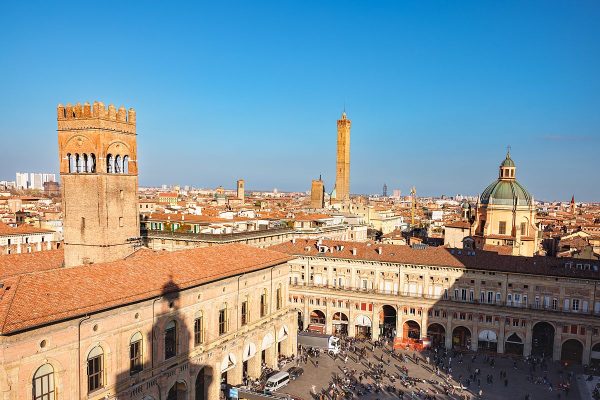
View over the terracotta rooftops of Bologna toward its medieval towers and Piazza Maggiore, Emilia-Romagna, Italy

9 Styles of Italy Vacation

Iconic, coastal, food and wine, romantic, landscape, modern, sophisticated, off the beaten path and ski. Every trip we plan starts as one of these, or as a blend of two.

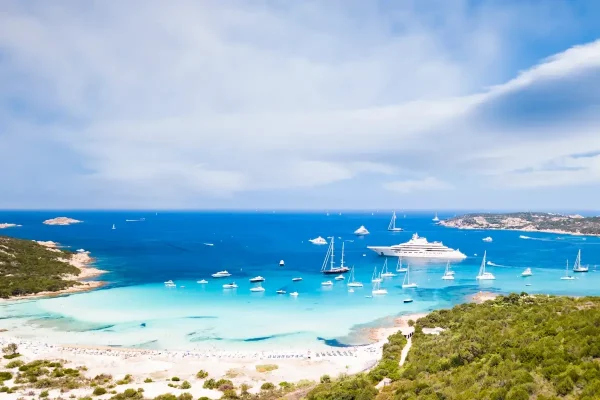
Grand Pevero beach on the Emerald Coast, Sardinia, Italy

7 to 14 Nights for Most Trips

Seven nights covers two cities properly. Ten to fourteen is where most styles sit comfortably, and it is what we recommend for a first trip that takes in Rome, Florence and Venice.

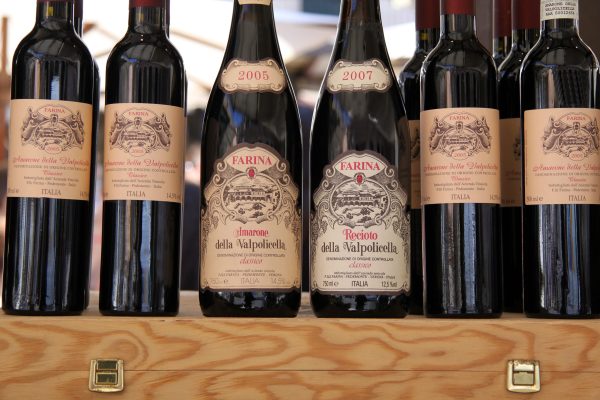
Veneto Valpolicella Amarone Wine, Italy

2 Nights Is Our Minimum in Any One Place

We will not build an itinerary with a single night in a town. You lose the day to packing and transfers, and the place never gets a chance to become anything.

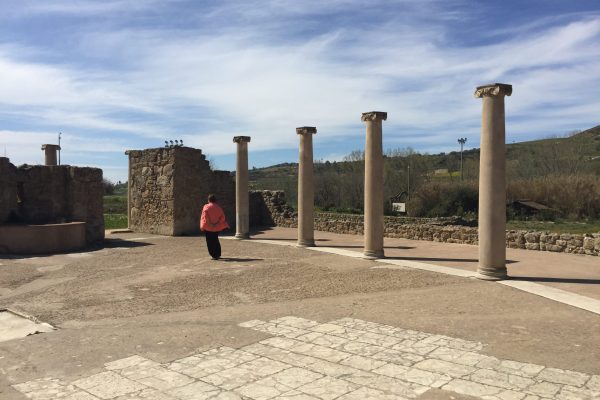
Roman mosaics at Villa del Casale in Piazza Armerina, Sicily, Italy

20 Italian Regions We Plan Across

Every region in the country, from Lombardy and Piedmont in the north to Basilicata, Calabria and Sicily in the south. Some of our best trips run through regions most visitors never reach.

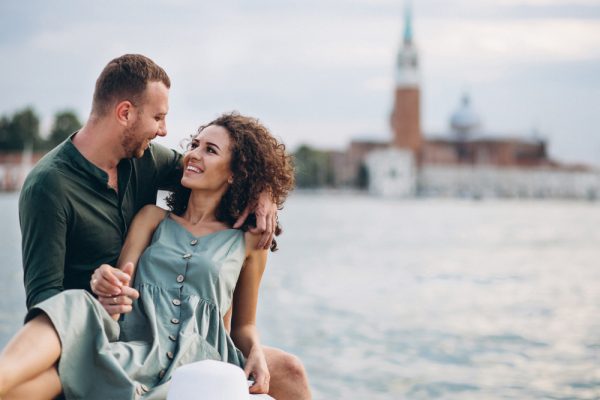
Couple Italy Honeymoon

253 Itineraries Built Since 2003

23 years of planning Italy, and more than 14,000 travelers. No two of those itineraries were the same, because none of them started from a template.

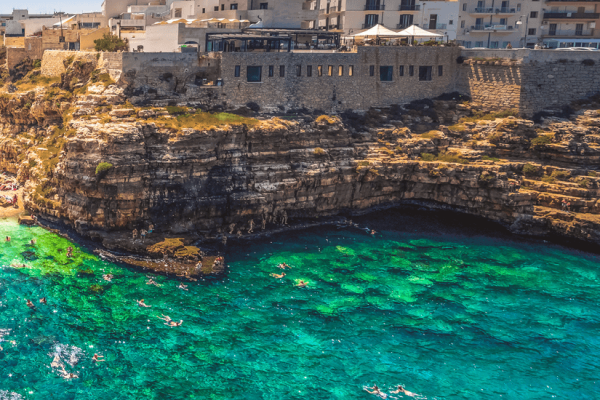
Apulia Polignano a Mare Coastal View and Sea Shore cliff

6 to 9 Months of Planning Time

Comfortable for most trips and it gives you the widest choice of dates. Harvest season, peak ski weeks and the coast in midsummer commit further ahead than that.

What Every Italy Vacation We Plan Has in Common

The nine styles below send you to different parts of the country, but the way we build them does not change. These are the things every itinerary carries, whichever destinations you end up with.

Culture, Heritage and the Masterpieces

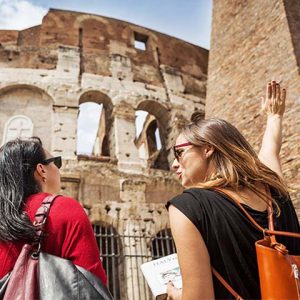
Italy holds more UNESCO World Heritage sites than any other country, and the Renaissance treasures are the reason many travelers come at all. Michelangelo in the Sistine Chapel at the Vatican and the David in Florence, Botticelli in the Uffizi, the Roman landmarks of the Colosseum and the Forum, the mosaics of Ravenna and Piazza Armerina. We arrange timed entry and guides who know the collections, so the sightseeing is the good kind rather than the queue kind.

Cities, Towns, Villages and Countryside

Every trip mixes scales. The great cities of Rome, Florence, Venice, Naples, Bologna and Palermo, then the hill towns of Siena, San Gimignano and Assisi, then villages most visitors never reach. Between them sits the countryside that people actually remember, the Tuscan vineyards, the Umbrian valleys and the wide farmland of northern Italy and southern Italy alike.

Coast, Islands and the Slower Half

Most itineraries end somewhere the pace drops. The Amalfi Coast at Sorrento, Positano and Ravello, the islands of Capri, Ischia, Sicily and Sardinia, the beaches of Puglia and the Cinque Terre, or Lake Como and Lake Garda. Taormina, Catania, Agrigento and the Greek temples of Sicily belong here too, and they reward exploration rather than a checklist.

Transfers, Drivers and the Shape of the Journey

Private transfers and drivers move you between destinations, not rail platforms and rental counters. The canals of Venice are reached by water, the Amalfi road by a driver who knows it, and the islands by crossings built into the plan rather than hoped for. That is the difference between an adventure and an ordeal.

Who Plans Your Trip, and How the Days Get Built

The style sets the shape. What fills it is a person, and it is worth being clear about who that is and how they work.

A First Draft Within a Week

Once we understand the trip, you have a first itinerary in your hands inside a week. You change it as many times as you need before anything is booked. One specialist owns your trip from that first call through to the last transfer, including while you are traveling.

Around Half of Each Day Is Guided

The rest is yours. A trip where every hour is scheduled stops being a vacation by the third day, so we build in the mornings you spend somewhere you found yourself. Nine to eleven days is the typical length across all nine styles, and fifteen to eighteen is the longest we usually recommend.

No Trip Is Ever One City or One Region

Even a short itinerary crosses at least two, because that is where the beauty of the country actually lives. Rome and the Tuscan countryside. Venice and the Dolomites. Apulia and Basilicata together, since they are neighbors and they complement each other. The magic is in the contrast, not in one destination done exhaustively.

Cruise Add Ons and Traveling With Friends

We build four to five day land programs before or after a sailing, working from the ports at Civitavecchia, Venice, Naples, Livorno, Genoa, Trieste, Bari and Palermo. We also plan a lot of trips for groups of friends traveling together, where nine travelers is our minimum and anything smaller becomes a private custom trip instead.

This is the trip most people picture when they say Italy. Rome, Florence, Venice, the hill towns of Tuscany, and for many travelers Sicily as well. The Colosseum and the Roman Forum, the Uffizi and the Accademia, St Mark’s Basilica and the back canals, the Val d’Orcia in the late afternoon. These places are famous because they earned it.

The reason to have this trip planned rather than assembled yourself is access and timing. The great sites are crowded, and the difference between a wonderful morning and a frustrating one is what hour you arrive, which entrance you use and who is walking you through it. We arrange timed entry, private guides who actually know the collections, and drivers who move you between cities without a rail platform or a rental counter in the middle of your day.

Best for a first trip to Italy, and for anyone who wants the headline sights done properly rather than quickly. Ten to fourteen days covers it comfortably. See the full Iconic Italy vacations page for the regions and the season by season timing.

Where It Runs

Rome, Florence, Venice, Siena, San Gimignano and the Val d’Orcia in Tuscany, with Naples, Pompeii and Sicily added when the trip runs longer than twelve days.

How Long It Takes

Ten to fourteen days across three bases. Seven days covers Rome and Florence properly, or Rome and Venice, but not all three.

When To Go

April, May, late September and October. July and August put Rome and Florence above 95 degrees and fill the Uffizi and the Vatican Museums to capacity.

Italy has more than four thousand miles of coastline and each stretch of it travels differently. The Amalfi Coast is vertical, dramatic and close to Naples and Pompeii. The Cinque Terre is walkable and compact. Sardinia is where Italians themselves go for water, and Puglia gives you two seas, whitewashed towns and far fewer people in the shoulder months.

Coastal trips live or die on logistics. Roads on the Amalfi Coast are narrow and slow in high season, ferry timetables change by month, and the island crossings need to be built into the plan rather than hoped for. We handle the transfers, the private boat days and the sequencing so the coast feels relaxed instead of rushed. When a trip calls for time on the water, we arrange the boat with its crew for the stretch of the trip that needs it, as part of the whole itinerary.

Best for travelers who want the vacation to slow down, and for anyone returning to Italy after doing the cities. Read the coastal Italy vacations page for how the different coasts compare.

Where It Runs

The Amalfi Coast from Sorrento to Salerno, Capri and Ischia, the Cinque Terre in Liguria, Portofino, the Costa Smeralda and Alghero in Sardinia, and Polignano a Mare, Ostuni and Otranto in Puglia.

How Long It Takes

Nine to twelve days. One coast plus one city reads better than three coasts, because the transfers between them eat the days you came for.

When To Go

Late May, June, September. The Amalfi road is slowest in July and August, and Sardinia’s ferry and flight schedules thin out sharply after October.

Italy does not have one cuisine, it has twenty, and they change every time you cross a regional line. Emilia Romagna is the country’s pantry, with Parmigiano Reggiano, prosciutto and balsamic all produced within a short drive of each other. Piedmont is Barolo, Barbaresco and white truffles in the fall. Tuscany is Chianti and the Brunello hills. Sicily is its own argument entirely, with Greek, Arab and Norman influence on the same plate.

What makes this trip work is who opens the door for you. Producers, cellars and family kitchens are not built for tourism, and the good ones are not taking walk ins. Our own specialists travel Italy year round and the relationships are theirs, so the visits are private, the tastings are with the people who made the wine, and the cooking is done in a real kitchen rather than a demonstration room.

Best for travelers who plan their days around meals, and for groups who want a shared interest to organize the trip. Harvest season books early. The Italy food and wine vacations page covers each region and the months that suit it.

Where It Runs

Emilia Romagna for Parmigiano Reggiano, prosciutto di Parma and aceto balsamico di Modena. Piedmont for Barolo, Barbaresco and Alba white truffles. Tuscany for Chianti Classico, Montalcino and Montepulciano. Sicily for Etna reds and Marsala.

How Long It Takes

Eight to eleven days, usually two regions. One region for ten days works when the interest is deep rather than broad.

When To Go

September and October for the grape harvest, late October and November for Alba truffles, spring for Emilia Romagna, which produces year round.

We plan four different trips under this heading and they are not interchangeable. A first honeymoon usually runs seven to ten days and wants two or three bases, not five. A second honeymoon runs longer, ten to fourteen days, because the couple taking it has usually been to Italy already and wants to go deeper rather than wider. An anniversary trip runs seven to ten days and is often built around one place that means something. A proposal trip is built around a single moment and everything else serves it.

Venice, Verona, Capri, Florence and the lakes carry most of these itineraries, and the choice between them is about season and pace as much as scenery. Lake towns quiet down considerably outside the warm months, which suits some couples and disappoints others. We tell you which is which before you commit to a date.

Best for couples marking something, at any stage. See the romantic Italy vacations page for the four trip types and how long each one should run.

Where It Runs

Venice, Verona, Florence, Capri, Positano, Ravello, and Lake Como, Lake Garda and Lake Maggiore in the north.

How Long It Takes

First honeymoon seven to ten days. Second honeymoon ten to fourteen. Anniversary seven to ten. A proposal trip is built around one day and can run shorter.

When To Go

May, June, September. Lake properties around Como, Bellagio and Stresa close through January and February, and the smaller lake towns shut down almost entirely.

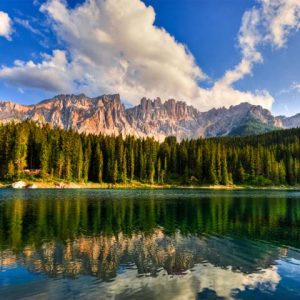
Some travelers come to Italy for the country itself rather than the museums. The Dolomites are the most dramatic mountains in Europe and they are reachable, not remote. Abruzzo holds three national parks and a third of the country’s protected land within a couple of hours of Rome. The Val d’Orcia is the Tuscany of photographs, and the northern lakes give you mountains and water in the same view.

This style is about being in the right place at the right hour, which is a planning problem more than a driving problem. Light, altitude, season and weather all move together, and a day that is spectacular in June can be closed in October. We build the route around when each place is at its best and arrange the drivers and guides who know the roads and the viewpoints that do not appear on a map.

Best for photographers, walkers and anyone who wants space. The Italy landscape vacations page has the regions and the months each one peaks.

Where It Runs

The Dolomites around Cortina d’Ampezzo, Val Gardena and Alpe di Siusi. Abruzzo’s Gran Sasso, Majella and Abruzzo National Parks. The Val d’Orcia, and the northern lakes.

How Long It Takes

Nine to twelve days. Mountain and lake in one trip works well, mountain and coast rarely does.

When To Go

June through September in the Dolomites, when the high passes and refuges are open. Abruzzo and the Val d’Orcia run from April to late October.

Italy is not only its past. Milan rebuilt an entire quarter of the city and put a forest on the side of two residential towers. Turin holds the country’s automotive and industrial history alongside some of its best contemporary galleries. This is the Italy of design weeks, fashion, architecture and a food scene that is doing something new rather than something traditional.

The travelers who want this trip usually know exactly what they are after, which makes the planning specific rather than general. Showrooms, private collections, studio visits and buildings that are not open to the public without an introduction. Our specialists arrange the access and build the days around a calendar that changes with the season, because the city is a different place during design week than it is in August.

Best for travelers who have done classical Italy already, and for anyone whose work or taste runs to design. See the modern Italy vacations page for the cities and what each one offers.

Where It Runs

Milan for Porta Nuova, the Bosco Verticale, the Quadrilatero della Moda, the Fondazione Prada and the Triennale. Turin for the Lingotto, the Museo Nazionale dell’Automobile and the Castello di Rivoli.

How Long It Takes

Six to nine days. Milan and Turin sit under an hour apart by fast train, which makes a two base trip comfortable.

When To Go

April for Salone del Mobile, September for Milan Fashion Week, and any month outside August, when much of the city closes.

There is an Italy that never traded on its ruins. It is tailored, current and a little bit private, and it runs from the fashion houses of Milan to a harbor in Liguria where the boats in the water are the entire point. Milan for design and the Quadrilatero, Lake Como for the villas and the slower half of the trip, Portofino for the harbor, Porto Cervo and the Costa Smeralda for a week on one boat with its crew.

This style runs on timing and access rather than distance. Design week turns Milan into a different city, high season on the lakes and the Riviera commits months ahead, and the doors worth walking through are opened by someone who is known rather than by a reservation line. Our specialists are in Italy constantly and those relationships are theirs. Eight to twelve nights across three bases is the shape that works.

Best for travelers who already know what good looks like and would rather be somewhere that agrees with them than somewhere that explains itself. See the sophisticated Italy vacations page for the four ways we build it.

Where It Runs

Milan and the Quadrilatero, Lake Como from Bellagio to Tremezzo, Portofino and Santa Margherita Ligure, and Porto Cervo and Porto Rotondo on Sardinia’s Costa Smeralda.

How Long It Takes

Eight to twelve nights across three bases. The Sardinia week runs on one boat with its crew.

When To Go

June and September on the Riviera and the Costa Smeralda. Milan runs year round except August. Book six months ahead for high season.

There are regions of Italy that most visitors never reach, and they are not hard to get to. Basilicata has Matera, a city carved into rock and continuously inhabited for thousands of years. Molise is the least visited region in the country. Friuli Venezia Giulia sits where Italy, Austria and Slovenia meet and tastes like all three. The Marche has hill towns and coastline with a fraction of the traffic Tuscany carries.

The reason to travel this way with us rather than alone is that these places have very little tourism infrastructure, which is the whole point and also the whole difficulty. English is less common, opening hours are local rather than posted, and the best experiences are arranged by someone who knows the family. Our own people travel there constantly and they make those calls.

Best for repeat visitors and for travelers who would rather have a conversation than a photograph. Read the off the beaten path Italy vacations page for the regions we know well.

Where It Runs

Basilicata for Matera and Castelmezzano. Molise for Campobasso and the Matese. Friuli Venezia Giulia for Trieste, Udine and San Daniele. The Marche for Urbino, Ascoli Piceno and Conero.

How Long It Takes

Ten to fourteen days. These regions reward staying put, and the driving between them is longer than the map suggests.

When To Go

May, June, September and October. Inland Basilicata and Molise are hot and quiet in August and cold from December.

Italy skis differently from France, Austria and Switzerland, and the difference is not the snow. It is the day. Lunch is a real meal on the mountain rather than something eaten standing up, the villages are towns people actually live in, and the linked areas in the Dolomites let you cover ground that would take three separate resorts elsewhere.

Worth knowing before you plan: Italian slope grading is not the same as North American grading, and a run marked red here is not what a red means at home. We set the expectation properly during planning so nobody is surprised on day one. The Aosta Valley, the Dolomites and the smaller areas closer to Milan each suit a different level and a different group, and the right choice depends as much on who is traveling as on how well they ski.

Best for families with mixed abilities, and for skiers who want the trip to be a vacation rather than only a ski week. The Italy ski vacations page covers the areas, the season and the grading.

Where It Runs

The Dolomites through Dolomiti Superski, Val Gardena, Selva, Corvara and the Sella Ronda. The Aosta Valley at Courmayeur and Cervinia. Bormio, Livigno and Madesimo in Lombardy.

How Long It Takes

Seven to ten days. Two bases works when the group skis at different levels, since it puts easier terrain within reach every day.

When To Go

Mid December to early April. February holds the most reliable snow, and the Italian slope colors run blue for easiest, red for intermediate, black for expert.

How We Plan a Trip Once You Pick a Style

We have been planning Italy since 2003, which is 23 years, and in that time we have taken more than 14,000 travelers and built over 253 itineraries across all 20 Italian regions.

Picking a style is the first conversation, not the last one. Once we know the shape of the trip, one of our specialists takes it from there. They were standing in these places recently, not reading from a catalog, and they will ask you questions that have nothing to do with Italy, because how you like to spend a day at home is usually the best predictor of what will work on the trip.

From there we hand select everything inside the itinerary. Private transfers and drivers rather than rail platforms and rental counters. Guides chosen for the specific site and the specific group. Timed access where it matters. Meals arranged where a reservation would not be available to you otherwise. If two styles belong in one trip, we blend them rather than making you choose.

You approve the plan before anything is booked, and you keep one point of contact throughout, including while you are traveling.

We will also tell you when something is not worth doing. If a region you have your heart set on will not be at its best on your dates, or a route covers too much ground for the days you have, you will hear it from us during planning rather than discovering it on the trip. That is the part of the job a booking site cannot do for you.

Explore Some Of Our Italy Itineraries

Ready To Plan Your Italy Vacation?

Tell us the style of trip you have in mind and we will build the rest around it.

Frequently Asked Questions About Italy Vacation Styles

A trip style is the shape of the vacation rather than a fixed product. It tells us what the trip is for, which then determines the regions, the pace, the season and the kind of access we arrange. Nothing inside it is preset. Two travelers who both choose the same style will end up with two different itineraries, because we hand select every element once we know what you actually want. We do not sell fixed departures that you join.

Yes, and most of our travelers do. Coastal and food and wine sit together naturally, as do iconic and romantic. The reason we separate them here is to give you a starting point, not to force a choice. When you speak with a specialist, tell them the two or three that appeal and they will build the blend, weighting the itinerary toward whichever matters most to you.

Iconic Italy suits most first visits, because it covers the places that made you want to come in the first place and it gives you a frame of reference for everything after. That said, a first trip built around food and wine or around the coast works beautifully for travelers who already know what they enjoy. A specialist will ask a handful of questions and tell you honestly which one fits.

Six to nine months is comfortable for most trips, and it gives you the widest choice of dates and access. Some styles need longer. Harvest season in the wine regions, the Dolomites in peak ski weeks and the coast in midsummer all book well ahead. We have also built excellent trips on much shorter notice, so if your dates are close, ask rather than assuming.

Yes. Every style on this page can be planned for a private group, and we also plan around who is traveling rather than only what the trip is about, which covers family vacations, private group travel, reunions and small group tours. Group trips are planned privately for your group rather than combined with other travelers.

One specialist owns your trip from the first call to the last transfer, and that is the same person you reach while you are traveling. Our own people travel Italy year round and travel the country constantly, so if a restaurant closes or weather moves a day, it is handled by someone who is there rather than by a call center.