
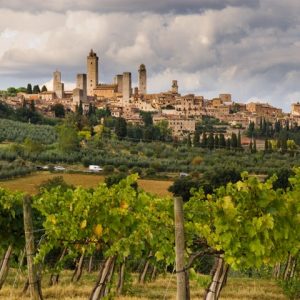
Wine Tour In Tuscany – Small Group Tour
Wine lovers will rejoice with a Tuscany Italy wine tour, including premium wines and breathtaking scenery!
Italy is not one cuisine but twenty, and that is what makes it the ultimate destination for travelers who plan their journeys around the table. Every region is its own culinary world, shaped by its soil, its altitude, its coastline, and centuries of local tradition, and the variety runs deeper still. Within a single region the flavors change from the mountains to the sea and from one town to the next, so that a cheese, a bread, a wine, or an olive oil is never quite the same twice.
A custom food and wine vacation is built to reveal both sides of that richness. The traveler who comes to eat is looking for something new as much as something famous, so our Italian born specialists weave the two together, pairing the great names and celebrated wines with the village bakery, the mountain dairy, and the small producer known only to locals. Every itinerary is private, arranged entirely around what you most want to taste.
Food trips fail on pacing more than on choice of region. These are the numbers we plan against, drawn from the itineraries we run rather than from a wine list.
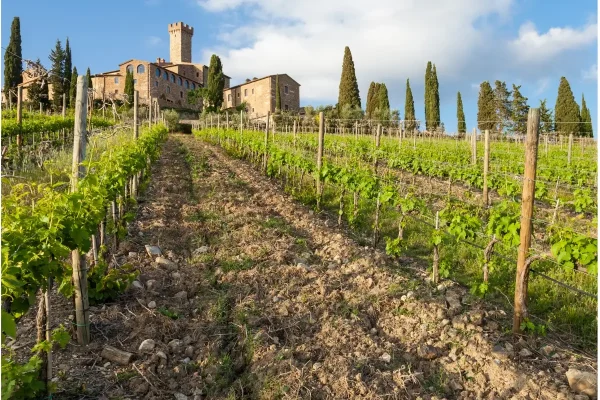
Three is a tasting schedule, not a vacation. Two proper visits with a long lunch between them is what lets a group actually talk to the winemaker instead of moving to the next appointment.
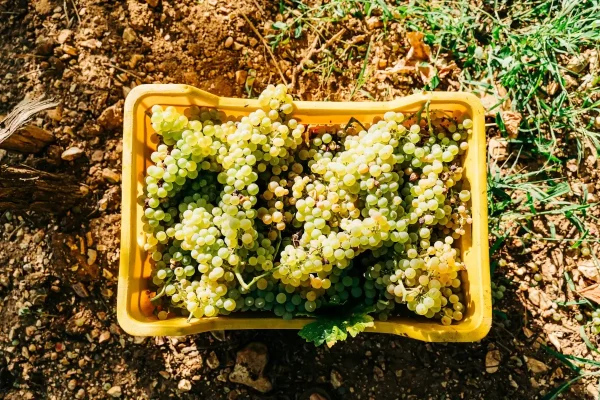
Italy has twenty distinct cuisines and you cannot see them in a week. Two regions across eight to ten nights, joined by one drive rather than three, is the shape that works.
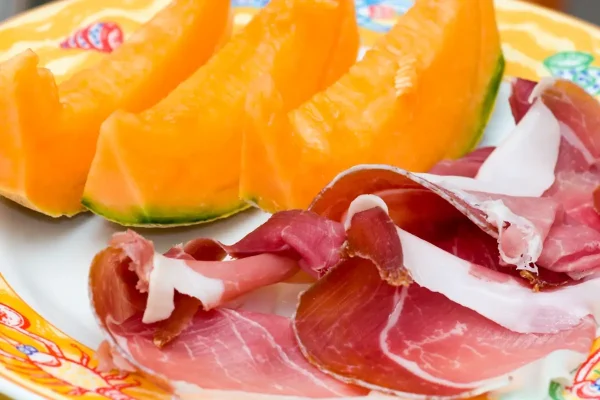
Parmigiano Reggiano is aged two to three years before it is worth eating, and the producers who will walk a group through that are booked well ahead. We arrange the visit, not a shop window.
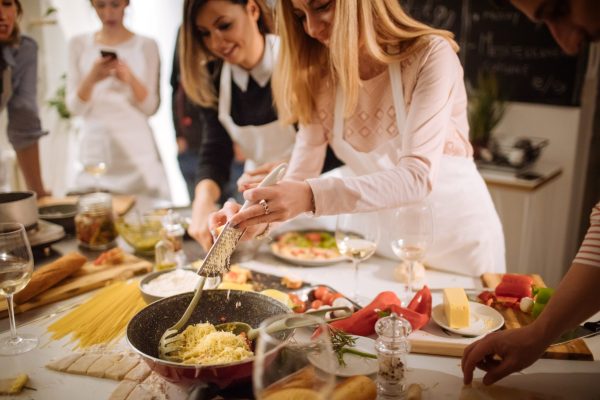
A cooking class stops being a class above about six people. We keep the groups small and hold the kitchens early, because the good ones take one booking a day.
September and October fill first. If your trip depends on the grape harvest or on white truffle season in Alba, nine to twelve months of lead time is what it takes to get the right rooms and the right tables.
Two nights in a wine region gives you one usable day. Three is the floor, and it is the difference between having been there and having understood it.
Best for serious wine travelers, and for anyone who wants to be here in white truffle season.
Piedmont is arguably the most serious eating and drinking region in Italy, and it earns that on range rather than on one famous product. Barolo and Barbaresco come from the Langhe hills, and both are Nebbiolo, the grape that gives them the tar and roses and the tannin that lets them age for decades. The white truffle of Alba drives an autumn season unlike anything else in the country, and vermouth was invented in Turin, which is also where the Negroni was first poured. North of the wine hills the landscape changes completely into the flooded rice country around Vercelli and Novara, the largest rice growing area in Europe, which is where the Arborio and Carnaroli behind every proper risotto are grown. The hazelnut groves that cover these hills gave the world gianduia, the chocolate and hazelnut blend that became the jar now sold in every supermarket on earth.
The meat deserves its own mention. The Piemontese breed of cattle is prized above almost any other in Italy for the quality of its beef, and the local way to eat it is raw, hand cut and barely dressed. It is also no accident that the Slow Food movement began here, in a region that decided early on to defend authentic local flavor against the ultra processed alternative, and then persuaded the rest of the world to do the same. We plan the Langhe around the harvest and the truffle season, and we arrange the cellar and producer visits directly rather than through a booking desk.
Barolo and Barbaresco come from villages you can see from each other, and the Langhe hills they sit on are a World Heritage landscape. Barbera and Dolcetto are what the growers themselves drink midweek.
Alba white truffles run from October into November and the market there is the center of it. The regional dishes, tajarin, agnolotti and the raw veal, exist mostly as a way to carry them.
Best for a short, coastal food leg attached to a longer trip.
Pesto is the thing Liguria is known for, and the Genovese version is the most famous because Genoa was the port and Columbus was its most famous son, but the whole coastal strip makes it and the whole coastal strip is good at it. It is basil and pine nuts and very little else, which is exactly why it depends entirely on the quality of the basil.
Focaccia is the other constant, and it changes from town to town. Most places do theirs with onions, olives or whatever the kitchen has, and it is normal to eat it in the morning with milk. The version from Recco is different enough to be protected: thin, with cheese sealed inside, and made properly only there. Above all of it, the vertical slopes behind the Cinque Terre are terraced for white wine, which tells you how determined the farming here has always been. Nothing about this coast is easy to cultivate and the local answer was to do it anyway. Our specialists build unhurried days along this shore, pairing seaside villages with the small family producers who keep these traditions alive.
Genoese basil, a marble mortar, Ligurian olive oil and Parmesan. A cooking class here is the fastest way to understand why the version sold everywhere else tastes like something different.
Focaccia is a breakfast food in Genoa. Along the Riviera the cuisine turns to anchovies, seafood and the white wine grown on the Cinque Terre terraces, which barely leaves the region.
Best for a mountain food trip, and for pairing eating with the lakes.
Lombardy eats richly, and in the mountains it eats very richly indeed. Polenta taragna is made with corn and buckwheat together, which gives it a strong yellow and black color, then loaded with local butter and cheese into something your doctor is better off not knowing about. Pizzoccheri does much the same job with buckwheat pasta. The cheeses behind both come off high mountain pasture and are aged seriously, three or four years in the case of Bitto, alongside Casera, Latteria and the soft, pungent Taleggio.
The mountain wines are the region’s least known asset. Chiavennasca, Inferno, Sassella, Grumello and Valgella all come off the steep Valtellina terraces and almost none of it leaves Italy. Down on the plain the cooking changes character: cotoletta alla Milanese, nicknamed the elephant ear for its size, cassoeula through the winter, and missultin, the lake fish cured and pressed the way it has been for centuries. It is a region where a single day can carry you from an elegant city lunch to a rustic mountain table, and we design the route so that both feel effortless.
Best for travelers who want alpine cooking and the highest vineyards in Europe.
The Aosta Valley cooks like the mountains it sits in. Fontina is the anchor, melted into everything from polenta to a fondue that bears no resemblance to the Swiss version, and it is joined by cured meats, black bread and wines from some of the highest vineyards in Europe.
The tradition worth traveling for is the grolla, the carved wooden friendship cup with several spouts that is filled with coffee, grappa and spices, set alight and passed around the table until it is empty. Nobody drinks from it alone. It is the clearest possible statement of how this valley thinks about eating together. Our team arranges the guides and transfers that make this remote corner an easy and rewarding stop on a northern itinerary.
Best for a trip that changes completely every thirty miles, from lagoon to hill wine.
The Veneto changes completely every thirty miles. Venice cooks from the lagoon: sarde in saor, eels from Chioggia, and moeche, the soft shell crabs that are only edible during the few weeks a year they molt. Inland it goes another way entirely. Treviso is rabbit country, Padua built its cooking around poultry, and Verona has a long standing horse meat tradition that remains completely normal on menus there and surprises most visitors.
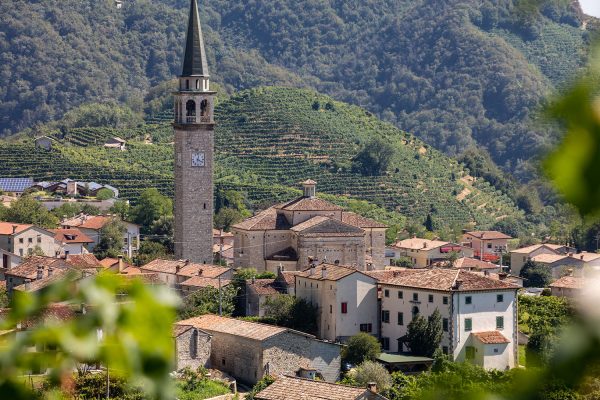
The wine map is just as compartmentalized. Prosecco comes off the hills around Conegliano and Valdobbiadene, with Bigolino inside that zone, Soave is the white from the hills east of Verona, and Valpolicella is the red from the valleys north of it, running up to Amarone. Each has its own producers and its own season, and the drive between them is short. Our specialists pair the art cities with the quiet vineyards, arranging the tastings and the introductions that most visitors never find.
Amarone is made from grapes dried on racks for months near Verona. Prosecco comes off the Conegliano hills an hour north. A wine tasting across both in one trip covers two completely different ideas of what Italian wine is.
Venetian food is fish, rice and bitter greens, not the pasta and tomato most visitors expect. The Rialto market at seven in the morning with a chef is the single best food experience in the city.
Best for a first food trip to Italy, and for anyone who wants producers over restaurants.
It is really two regions with one name. Emilia in the west and Romagna in the east cook differently, and locals will happily explain at length which is better. Emilia gave the world Parmigiano Reggiano, which can legally be made only here because the weather and the ground of this specific stretch of land produce the milk it needs, along with balsamic vinegar aged for decades, culatello, and prosciutto from the hill air around Parma. The fertile plain and the pork farms behind all of it are the reason this became the richest food region in the country.
Bologna sets the table for the rest: gnocchi fritti, tigelle, tagliolini, ravioli and lasagne done the way the city insists on. Romagna leans toward piadina and lard. The hill wines are made to match, young and crisp rather than built to age, and Lambrusco is the honest example, sparkling and refreshing and meant to cut through a plate of cured pork. Our specialists arrange dawn visits to the dairies and cellars and hands on lessons at the table, so you meet the makers behind the icons.
The Parmigiano Reggiano dairies work at dawn and open to visitors who arrange it. Traditional balsamic ages in Modena attics for twelve to twenty five years. Prosciutto di Parma cures in the hills south of the city.
Tagliatelle, tortellini and lasagne are all from here, and they are made by hand every morning. Bologna is the best eating city in Italy and it is ninety minutes from Florence by fast train.
Best for a one base wine week with no repacking.
Tuscany holds the most recognized wine country in the world. Chianti covers the hills between Florence and Siena, while Montepulciano and Montalcino sit further south among the Crete Senesi and the Val d’Orcia, where the medieval towns and the cypress lined roads produce the landscape everyone pictures when they picture Italy. These are working wine regions first and scenery second, which is why the visits are worth arranging properly.
The food runs from one extreme to the other. The Fiorentina is a three inch T bone served deliberately rare, and the game tradition behind it produces wild boar stewed slowly through the winter. At the other end sits some of the best vegetable cooking in Italy: ribollita, pappa al pomodoro, fagioli all’uccelletto, all built from bread, beans and tomatoes because that is what there was. In between come crostini, lardo cured with herbs and spices, and cold cuts made from the parts other regions discard. Every corner of Tuscany has its own variation and will defend it. Our specialists design unhurried days among the vineyards and hill towns, with private cellar visits and long country lunches at the heart of the itinerary.
Chianti Classico runs between Florence and Siena. Brunello comes from Montalcino, Vino Nobile from Montepulciano, and the Super Tuscan wines from the coast at Bolgheri broke the rules on purpose in the 1970s.
The new oil is pressed in November and it is a different product from anything on a shelf. San Gimignano, Siena and the Val d Orcia give you the towns and the landscapes between the tastings.
Best for travelers who want mountain and sea cooking in the same short drive.
Abruzzo runs from high mountains to the Adriatic in under two hours, and it eats like two different places as a result. Up in the pastures the tradition is arrosticini, small skewers of goat grilled over a long narrow brazier and eaten by the handful, the food of shepherds who needed something portable and hot. The same flocks give the region its goat and sheep cheeses, aged in the mountains and almost never seen outside it.
On the coast the tradition is built around the trabocchi, the timber fishing platforms that reach out over the water on stilts and have been catching the same way for generations. Montepulciano d’Abruzzo is the red that goes with all of it, and Sulmona has been making confetti, the sugared almonds that turn up at every Italian wedding, for centuries. It is a region of genuine flavors and warm hospitality, and our team weaves it into itineraries for travelers who want the Italy beyond the postcard.
Best for pizza, the bay fishery and the growing country around Vesuvius.
Campania owes its cooking to a volcano. The ash from Vesuvius made the soil around it extraordinarily fertile, which is why the tomatoes, the citrus and the vegetables from this stretch of land taste the way they do and why the growing barely stops. Come down to the water and the tradition switches to the fishery that has fed the bay for as long as anyone has lived on it.
Naples supplies the rest: pizza as it was invented and still argued over, pizza fritta for the days there was no oven, sfogliatelle and baba for the pastry counter. Inland, mozzarella di bufala is made fresh daily and is a genuinely different product a day later, which is the whole argument for eating it where it is made. Our specialists weave the drama of the coastline together with the farms and producers behind these famous flavors.
Pizza was invented here and the dough is protected by a written standard. Naples also gives you sfogliatella, the Sunday ragu and a street food culture that predates the tourists by centuries.
Tomatoes grown on volcanic soil at the foot of Vesuvius, Lacryma Christi wine from the same slopes, buffalo mozzarella from the plain south of the city, and the lemons and gelato of the Amalfi Coast an hour away.
Best for a vegetable and olive oil trip, and for staying in the countryside rather than a town.
Apulia is the flattest, sunniest and most agricultural corner of Italy, and its cooking is built on vegetables, wheat and olive oil rather than on meat. The region produces more olive oil than any other in the country from groves that in places are a thousand years old, and the pasta is made without egg, orecchiette rolled by hand in the street in Bari on any given morning.
The rest follows from what grows: burrata invented here as a way of using up the scraps of mozzarella, broccoli rabe with the local pasta, bread from Altamura baked in the same shape for centuries, and the heavy Primitivo and Negroamaro reds that used to be shipped north to strengthen other people’s wine before anyone thought to bottle them properly. Our specialists pair the whitewashed towns and the coast with visits to the farms and mills where these staples are still made by hand.
Apulia produces more olive oil than any other region, from groves with trees a thousand years old. The little ear pasta is still shaped by hand by women working on tables in the street in Bari.
Burrata was invented in Andria as a way to use mozzarella scraps. Add the vegetables, the bread of Altamura and the Primitivo and Negroamaro wines, and this is the most vegetable driven cooking in Italy.
Best for pairing a food trip with Matera, and for travelers who want somewhere unvisited.
Basilicata is one of Italy’s least discovered regions, a rugged interior crowned by the ancient cave city of Matera. Its kitchen is honest and deeply rooted, built on the celebrated Pane di Matera, a tall, long keeping bread with a golden crumb, and on hearty lucanica sausage.
The volcanic slopes of Vulture produce the powerful Aglianico del Vulture, one of the south’s finest reds, while the crisp, sun dried peperoni cruschi add a signature crunch to the local table. For travelers seeking something genuinely new, our team builds Basilicata into journeys through the deep south.
Best for bold flavors and a coastline almost nobody plans a food trip around.
Calabria, the toe of the peninsula, is vivid, sun drenched, and boldly flavored. It is the home of the sweet red onions of Tropea, of the fiery spreadable nduja and the chilis that season much of its cooking, and of a swordfish tradition along its two coastlines.
The region also holds a remarkable citrus culture found almost nowhere else, the bergamot and the cedro citron, along with the liquorice and the cedrata that come from them. Our specialists reveal this lesser known corner through its markets and small producers, paired with the local Ciro wines.
Best for the widest range on any single island in Italy, across several bases.
Sicily is a cuisine of its own, shaped by the sea and the sun and by every civilization that ever ruled the island. The fishery is central, from tuna to swordfish and sardines, while sweet ricotta fills the cannoli and the cassata that define Sicilian pastry.
Citrus is everywhere, from blood oranges to lemons, alongside superb olive oil, the pistachios of Bronte, and the salt and capers of the surrounding islands. The wines have their own character too, from the volcanic reds of Etna to Nero d’Avola and fortified Marsala, and we arrange the tastings and market visits that bring the whole island to the table.
Palermo’s markets are the best street eating in the country. Cannoli, cassata and marzipan fruit came out of the convent kitchens, and the granita with a brioche for breakfast is a Sicilian habit worth adopting.
The vineyards on Mount Etna sit on black volcanic soil at high altitude and make reds unlike anything else in Italy. Marsala is on the west coast, and the Arab influence runs through the whole island’s cuisine.
Best for shepherding traditions and island cooking that feels older than the mainland.
Sardinia is an island apart, with traditions that feel older than the rest of Italy. Its shepherds produce the celebrated pecorino sardo and other sheep cheeses, while the coast brings a fine fishery and the prized bottarga, the cured roe grated over pasta.
The island is also the home of mirto, the fragrant myrtle liqueur poured at the end of a meal, of the paper thin carasau bread, and of slow roasted suckling pig, all matched by the robust Cannonau and crisp Vermentino wines. Our team arranges the private access that turns Sardinia’s remoteness into its greatest luxury.
Best as the elegant bookend to a Langhe wine week.
Piedmont’s refined capital of grand cafes, chocolate, and aperitivo culture offers a sophisticated base for the Langhe wine country.
Turin gives the trip its polish, with historic cafes, the chocolate and vermouth traditions, and a refined aperitivo before the drive back into the vineyards. We arrange the vermouth houses, the chocolate workshops and the truffle season visits ourselves, and we time your trip around whichever of the three matters most to you.
The regions above are the raw material. This is what the days look like once we turn them into a trip, and what is arranged before you land.
Not a demonstration room built for groups. A family kitchen, a market walk first, and whatever is good that morning. Pasta by hand in Bologna, pesto in Genoa, pizza in Naples. It is the one activity guests ask to repeat.
The good producers are small, they are not set up for tourism, and they are not taking walk ins. Our specialists arrange the private visits, and you taste with the person who made the wine rather than with a host reading a script. Wine lovers get the cellar, everyone else gets the story.
Around half of each day is guided. The rest is a market, a long lunch, or nothing at all. A food trip where every meal is scheduled turns into work by the third day, and the meals you remember are usually the ones you wandered into.
Rome for the Roman dishes and the artichokes, Florence for the Tuscan kitchen and the Renaissance treasures between meals, Bologna for the pasta, Milan for the risotto and the aperitivo hour, Naples for everything. The highlights and the sights fill the space between the table and the next table.
Lake Como, Lake Garda and the Amalfi Coast at Sorrento and Amalfi are where these itineraries usually finish. Gardens, boats, a hike if you want one, and lighter cooking after a week of Emilia Romagna.
September and October for the grape harvest across almost every region. Late October and November for Alba truffles. November for new olive oil. Emilia Romagna and the cities produce year round and travel well in spring.
Fast trains between the cities, private drivers into the wine country where a tasting and a car do not belong together. Every transfer, timed entry and cellar visit is arranged before you travel, so the only decision left on the day is what to order.
Food and wine travel is decided by timing more than by region. The harvest brings the wine country alive through September and October, white truffle season follows in Piedmont, and spring gives you the markets at their freshest, though the producers worth meeting welcome visitors all year.
We start by asking what you want to taste rather than where you want to go, because the answer usually picks the region for you. Then we make the approaches ourselves: the estates that take one group a day, the cheese and salumi producers who open by arrangement only, the kitchens small enough to actually teach. We pace it at two visits a day with a long lunch between them, never three, and we tell you plainly which names we can hold on your dates instead of substituting quietly later.
Wine lovers will rejoice with a Tuscany Italy wine tour, including premium wines and breathtaking scenery!

Discover the enchanting Chianti wine region and the beautiful medieval towns of San Gimignano and Siena with the comfort of a private driver
Taste the world renowned wine Brunello and enjoy the unparalleled sight of the Tuscan countryside as we tour the wineries of Montalcino.
Tell us what you most want to taste, roughly when you want to travel and how much time you have, and we will come back with a first itinerary built around producers rather than a list of restaurants. Nothing is booked until you have seen the plan.
Name the region if you have settled on one and we will start there. If all you know is that you want to eat and drink your way through Italy, most travelers start exactly there.
Trips 2 Italy has been arranging Italian travel for 23 years, since 2003, and has 253 itineraries published across all 20 Italian regions. Rather talk it over than type it out? Call 713-952-4055 in Houston or 1-866-464-8259 toll free and you will reach a planner, not a call center.
Every one of these is planned privately around what you tell us. Browse the other ways our travelers see Italy.
The autumn harvest and truffle season, roughly September through November, are spectacular, while spring offers fresh markets and comfortable weather. The great producers welcome visitors year round, and we plan around what you most want to experience.
Yes. Private cellar visits, Parmigiano and balsamic producer tours, truffle experiences, and hands on cooking lessons are the heart of these trips, arranged around your interests.
Not at all. We tailor the experiences to your level, whether you are a serious collector or simply love good food and wine, and our guides make everything welcoming and unpretentious.
Yes. Emilia-Romagna and Piedmont pair beautifully, and both connect easily to Tuscany, Venice, and Milan by fast train. We design multi region journeys as a single seamless route.
Yes. Accommodations, private transfers, tastings, and cooking experiences are arranged as one coordinated plan, confirmed before you travel.