A Taste of Piedmont Tour | Vacation Packages for 2025 – 2026
Experience Turin as royal palaces, grand piazzas and chocolate cafés reveal the elegance and history of Italy’s first capital. Starting from $1,644 per person.
Turin Travel Guide Culture History Food and Wine Things to Do Plan My Trip
About this guide: This Turin travel guide was written by the Italian-born travel specialists at Trips 2 Italy, a custom tour operator that has designed hand-crafted Italian vacations since 2003. Every recommendation below reflects the same first-hand knowledge our team draws on when we build a private Turin itinerary around a traveler’s interests, dates, and pace. Read it for your research, then let us translate it into a trip designed entirely around you.
Turin is the Italy of kings. For three centuries the House of Savoy ruled from this city on the Po, and their legacy remains everywhere: a Royal Palace at the city’s heart, a crown of hunting lodges and pleasure palaces around it, and a baroque center laid out with a monarch’s sense of order. In 1861 that dynasty unified Italy, and Turin became the new nation’s first capital, a distinction the city carries with quiet confidence rather than fanfare.
The city anchors the Piedmont region in Italy’s northwest corner, where the Alps stand in a white arc across the horizon and the vineyard hills of the Langhe and Monferrato begin within an hour’s drive. That position gives Turin a rare double character: a grand European capital of arcaded boulevards, gilded cafes, and world-class museums, set within one of Italy’s finest landscapes for wine, truffles, and mountain scenery.
Turin rewards travelers who value substance. The Egyptian Museum holds the most important collection of its kind outside Cairo, the Mole Antonelliana rises over the skyline like an exclamation mark and houses Italy’s national cinema museum, and the city’s chocolate, vermouth, and aperitivo traditions have shaped how the whole country eats and drinks. Yet the crowds that fill Venice and Florence have largely not discovered it, so the city still belongs to the people who live there.
Our specialists have designed Turin itineraries for two decades, for art and history lovers, for food and wine travelers using the city as a gateway to the Langhe, and for families breaking a journey between Milan and the Alps. This guide distills that experience, and every trip we build from it is composed by hand around what you tell us.
Turin sits on the left bank of the Po, Italy’s longest river, at the point where the Alpine foothills meet the great plain of northern Italy. The mountains are not a distant rumor here: on clear days the entire western Alps line the horizon, with Monviso’s pyramid presiding over the view, and the ski valleys that hosted the 2006 Winter Olympics lie within a ninety-minute drive of the center.
The city itself is remarkably legible. Its street plan still follows the grid of the Roman colony of Augusta Taurinorum, extended by baroque planners into long, straight avenues that end in mountain views. East of the center the Po curves beneath a ridge of green hills, where the basilica of Superga crowns the skyline and villas climb among the trees. Parco del Valentino stretches along the riverbank, giving the city center a mile of gardens and water.
The climate follows the mountains’ lead. Summers are warm and long, with river evenings and late light on the arcades, while autumn brings crisp air, golden vineyards an hour away, and the white truffle season that perfumes the whole region. Winters are cold and often clear, with the Alps gleaming above the rooftops and the historic cafes at their most inviting, and spring opens the parks and palace gardens. Each season suits a different trip, and none of them closes the city down.
Autumn is the connoisseur’s answer. From late September through November the Langhe hills an hour south enter harvest and truffle season, the vineyards turn amber and rust, and Turin’s tables fill with the dishes the region does best. Pairing city days among the museums and palaces with countryside days among the vines is, in our experience, the finest version of a Turin trip, and autumn is when that pairing peaks.
Spring and early summer answer with palace gardens in bloom, comfortable walking weather under the arcades, and long evenings for the aperitivo hour in the piazzas. High summer is quieter than in most Italian cities, with generous light and easy access to the great sights. Winter has its own rituals: hot chocolate served in gilded rooms, the Luci d’Artista light installations glowing over the streets through the holidays, and the Alps close enough for a snow day without changing hotels.
When we plan a Turin itinerary, your dates become an instrument. We align countryside excursions with what the vineyards and truffle woods are actually doing, reserve museum guides and palace visits for the hours when the rooms are calm, and time the city days so the cafes, markets, and river walks land where they belong in the rhythm of the trip.
Two full days cover the essential city in comfort: the Royal Palace and its armory, the cathedral and the Chapel of the Holy Shroud, the Egyptian Museum, the Mole Antonelliana, and unhurried time under the arcades and in the historic cafes. Turin’s compact, flat center makes this an easy and pleasurable pace rather than a rushed one.
A third day belongs to the Savoy crown around the city: the Venaria Reale, the vast restored palace and gardens that rank among Europe’s great royal complexes, or the rococo hunting lodge of Stupinigi, or the basilica of Superga with its panorama of city and Alps. A fourth day opens the Langhe wine country around Alba and Barolo, and many travelers find that single day persuades them to plan an entire future trip around the region.
Turin also serves beautifully as a base of four or five nights for northwest Italy, with Milan under an hour away by high-speed rail and the mountains, lakes, and vineyards all within easy reach. Because every Trips 2 Italy itinerary is designed by hand, we weigh Turin against the other chapters of your Italian journey and give the city the nights that serve the whole trip best.
The heart of the city is Piazza Castello, where the Royal Palace, Palazzo Madama, and the royal church of San Lorenzo gather around one vast square. From there Via Roma runs south under monumental arcades to Piazza San Carlo, the elegant square Torinesi call their drawing room, framed by twin baroque churches and some of the city’s most storied cafes. Via Po angles southeast toward the river, its arcades built so the court could walk to the water without ever feeling the rain.
Northwest of Piazza Castello lies the Quadrilatero Romano, the oldest quarter, where the Roman grid fills with artisan shops, wine bars, and small restaurants, and where the Porta Palatina, one of the best-preserved Roman gates anywhere, still stands. Nearby spreads Porta Palazzo, among the largest open-air markets in Europe, a daily theater of produce, cheese, and conversation that shows the city at its least ceremonial.
Across the Po, the hillside neighborhoods climb toward Superga and the Monte dei Cappuccini viewpoint, whose terrace holds the classic panorama of the city against the Alps. South along the river, Parco del Valentino gathers gardens, a castle, and a nineteenth-century recreation of a medieval village, while the San Salvario quarter behind it hums with the evening aperitivo. Where you stay shapes the trip, and matching the quarter to the traveler is one of the first decisions we make together.
On foot, for most of it. The historic center is flat, compact, and threaded with more than twelve miles of arcades, so the walk between any two major sights rarely exceeds twenty minutes and stays covered for much of the way. The grid plan inherited from the Romans makes Turin one of the easiest cities in Italy to navigate, and the arcades turn even a rainy day into a comfortable one.
For everything beyond the center, we arrange private drivers and transfers. The Savoy residences ring the city at distances that make a car the graceful solution, a driver turns a Langhe wine day into pure pleasure since every tasting can be enjoyed, and the same applies to a mountain excursion or an evening return from the hills. Turin’s Porta Nuova and Porta Susa stations connect the city to Milan in under an hour by high-speed rail, and we sequence itineraries so trains handle the city-to-city legs while cars handle the countryside.
Every arrival, departure, and excursion in a Trips 2 Italy itinerary is arranged in advance and supported around the clock. Turin’s own international airport sits twenty minutes from the center, and Milan’s airports lie within comfortable reach, which gives us flexibility in designing how your Italian journey opens and closes. Whichever gateway your flights favor, a driver meets you at arrivals, and the trip begins with a quiet car rather than a queue.
Turin composes beautifully with the rest of northern Italy. Milan lies under an hour east by high-speed rail, the Ligurian coast about two hours south, and Lake Maggiore ninety minutes away, while the Alps rise practically from the city’s edge. That geography lets Turin open an Italian journey with royal grandeur before the itinerary moves toward the lakes, the coast, or the classic cities, or close one with wine country calm after the intensity of Venice, Florence, or Rome.
The occasion shapes the composition. For travelers who plan around the table and the cellar, Turin anchors a wine and culinary journey through Barolo, Barbaresco, and the white truffle country of Alba. Couples fold the city’s opera evenings, gilded cafes, and palace gardens into an Italian honeymoon with a character all its own. And for those composing something larger, Turin becomes a distinguished chapter in a custom trip to Italy designed entirely from what you tell us.
This guide is one of five we have written on the city. Continue with our Turin culture guide, Turin history guide, Turin food and wine guide, and Turin things to do guide, or widen the lens with our Piedmont travel guide to see the region around the city.
Turin deserves more than a template. Since 2003, Trips 2 Italy has designed private Italian vacations one traveler at a time, hand selecting every experience based on what you tell us rather than fitting you into a predefined package. Our Italian-born team plans Turin with the knowledge of people who call Italy home, from the royal galleries of the Savoy palaces to the wine hills of the Langhe an hour beyond the city, and we remain at your side throughout your trip with 24/7 assistance. Tell us how you imagine Turin, and we will craft the itinerary that matches it.
Experience Turin as royal palaces, grand piazzas and chocolate cafés reveal the elegance and history of Italy’s first capital. Starting from $1,644 per person.
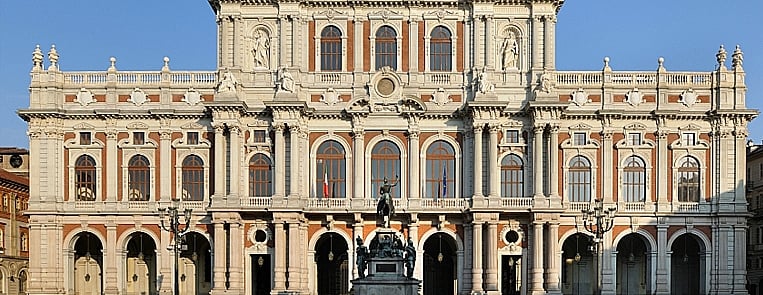
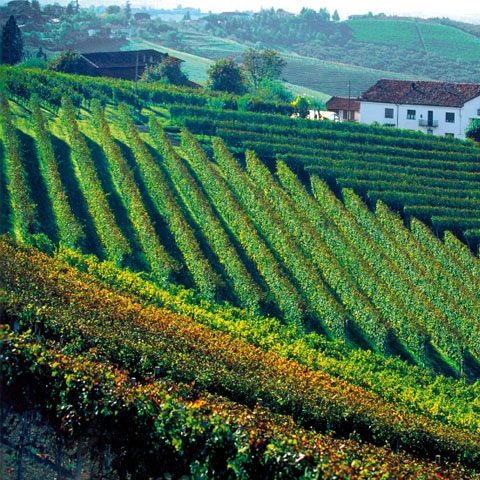
The elegance of Turin combined with the charm of the hills which surround it, are an invitation to those who love art and culture on yet to be discovered
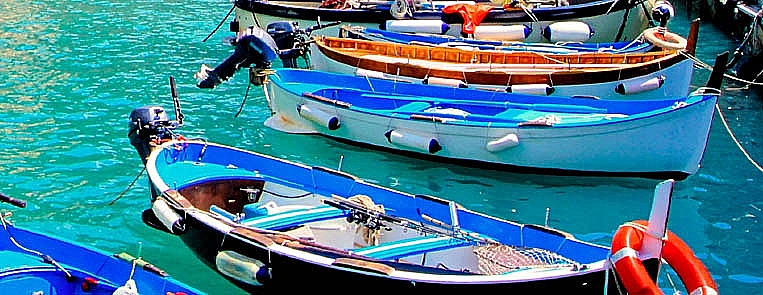
Discover the breathtaking sights of the Italian Riviera and venture through the Italian Alps surrounding Aosta Valley and Piedmont.
Autumn leads the calendar, when the Langhe wine hills an hour away enter harvest and white truffle season and the city’s tables are at their richest. Spring brings palace gardens and easy walking weather, summer offers long evenings with lighter visitor numbers than most Italian cities, and winter pairs gilded cafes and hot chocolate with the Alps close at hand. The specialists at Trips 2 Italy align your dates with what the city and its countryside do best in that season.
Two full days cover the Royal Palace, the Egyptian Museum, the Mole Antonelliana, and the historic center comfortably. A third day opens the Savoy residences such as the Venaria Reale, and a fourth reaches the Barolo and Alba wine country. Turin also works beautifully as a multi-night base for northwest Italy, and we weigh the city against the rest of your journey when we design the itinerary.
Turin offers a density of experience few cities can match: a royal palace complex recognized by UNESCO, the greatest Egyptian collection outside Cairo, a national cinema museum inside one of Europe’s most distinctive towers, and chocolate, vermouth, and cafe traditions that shaped all of Italy. It delivers all of this with a calm, elegant atmosphere that travelers consistently describe as a discovery.
Milan is under an hour away by high-speed train, and the Alpine valleys that hosted the 2006 Winter Olympics begin within a ninety-minute drive of the center. The Langhe wine country around Alba and Barolo lies about an hour south. This position makes Turin a natural gateway for northwest Italy, and we arrange every transfer and connection in advance.
No. The flat, arcaded center is best explored on foot, and for the royal residences, the wine country, and the mountains we arrange private drivers, which lets every tasting be enjoyed and every excursion unfold without navigation. Trains connect Turin swiftly to Milan and beyond, and every transfer in a Trips 2 Italy itinerary is arranged in advance and supported around the clock.
One of the best in Italy. The Langhe and Monferrato hills, home to Barolo, Barbaresco, and Asti, begin within an hour of the city, and Alba’s white truffle market peaks each autumn. Many travelers pair two or three city days with countryside days among the vineyards, either as excursions from Turin or by moving to an estate in the hills for the second half of the stay.