Custom Marche Vacations, Designed Around You
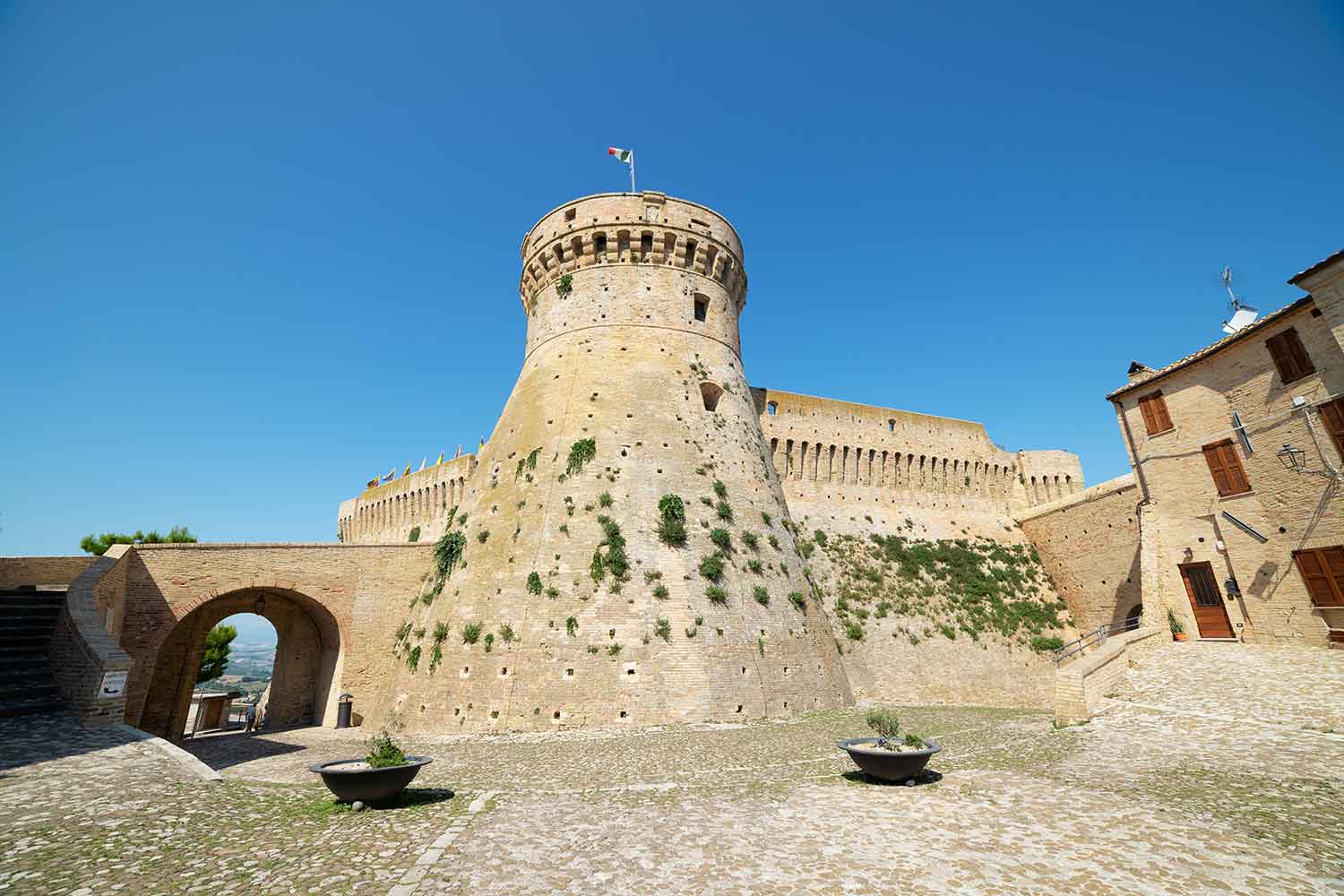
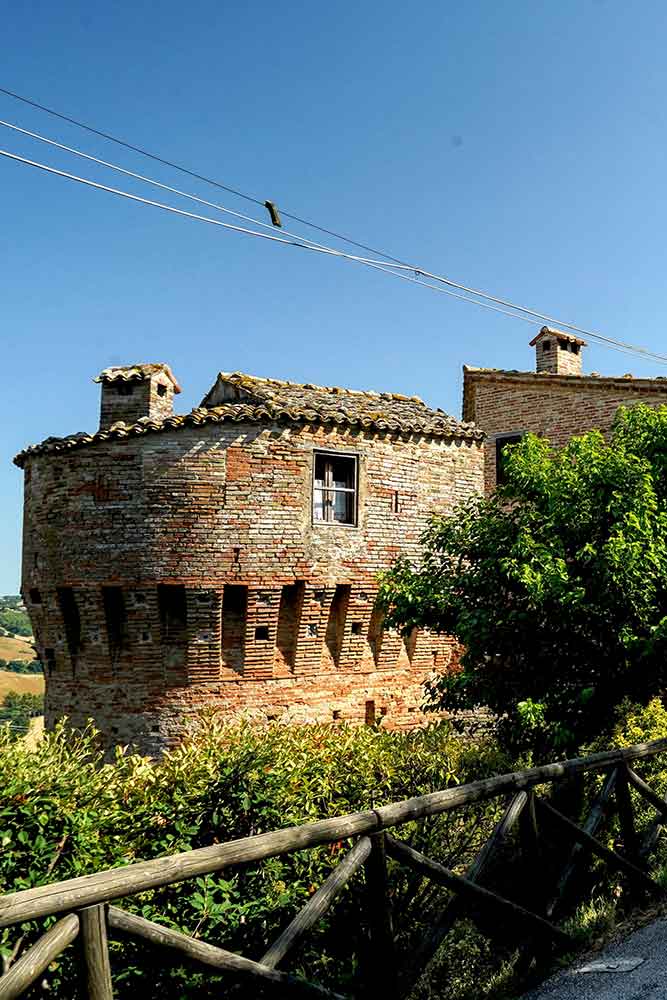
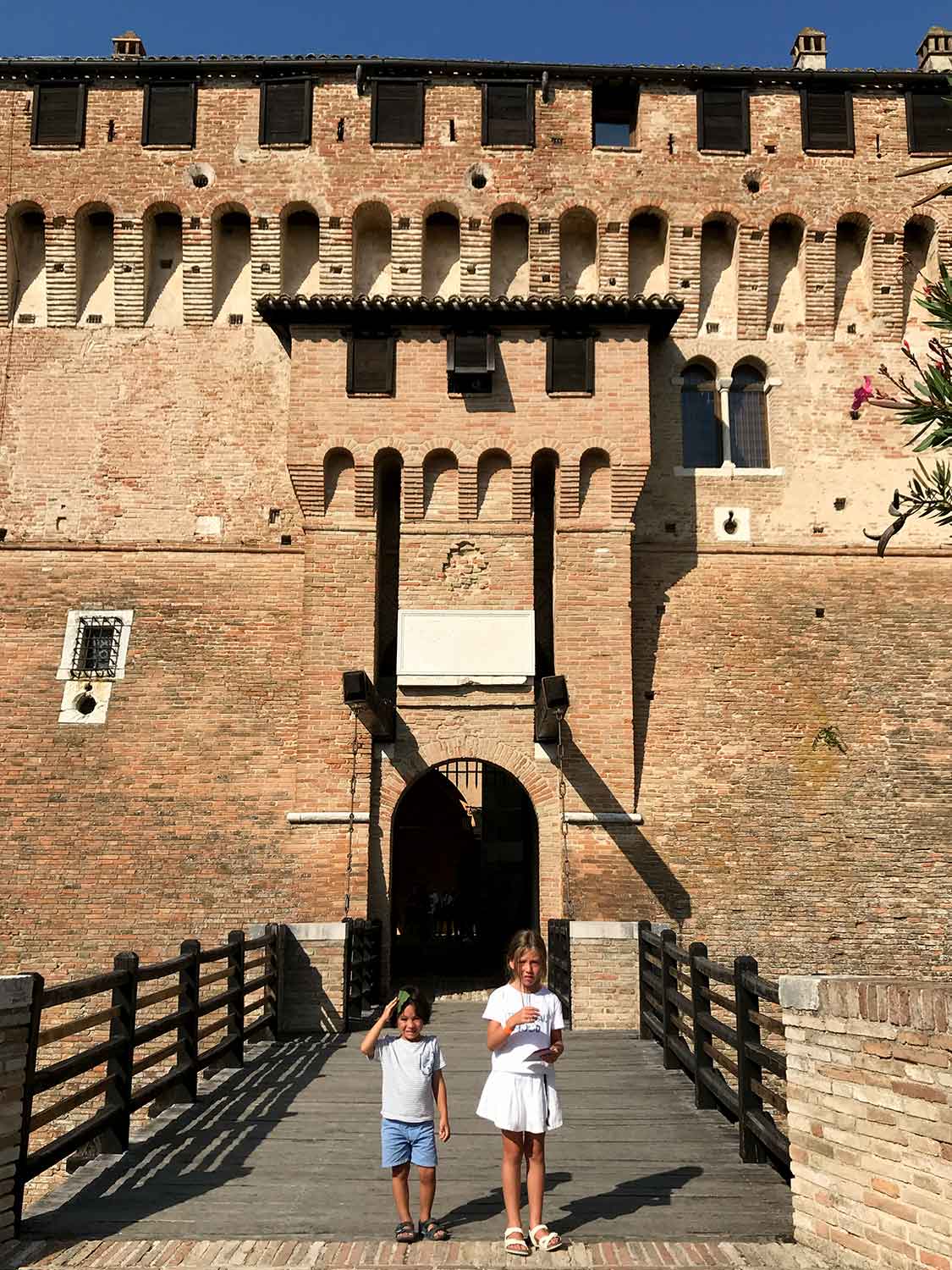
Marche is one of Italy’s best kept secrets, a region of rolling hills, Renaissance towns, dramatic mountains, and a long Adriatic coastline, all with a fraction of the crowds of its famous neighbors. It rewards travelers who want authentic Italy at a gentle pace. Every Marche vacation we design is custom built by our Italy based specialists around your interests. Browse the sample itineraries below, then let us shape one entirely around you.
Why Plan Marche With a Custom Specialist
Most Marche packages sold online are fixed departures on a rigid schedule. We work the opposite way. As a custom tour operator that has designed private Italian vacations for more than twenty years, we begin with a blank page and build your Marche trip from your priorities out, with private local guides, access arranged in advance where it matters, and a daily rhythm with room to breathe. You get the depth of a trip planned by insiders with the ease of having every detail handled for you.
Top Experiences in Marche
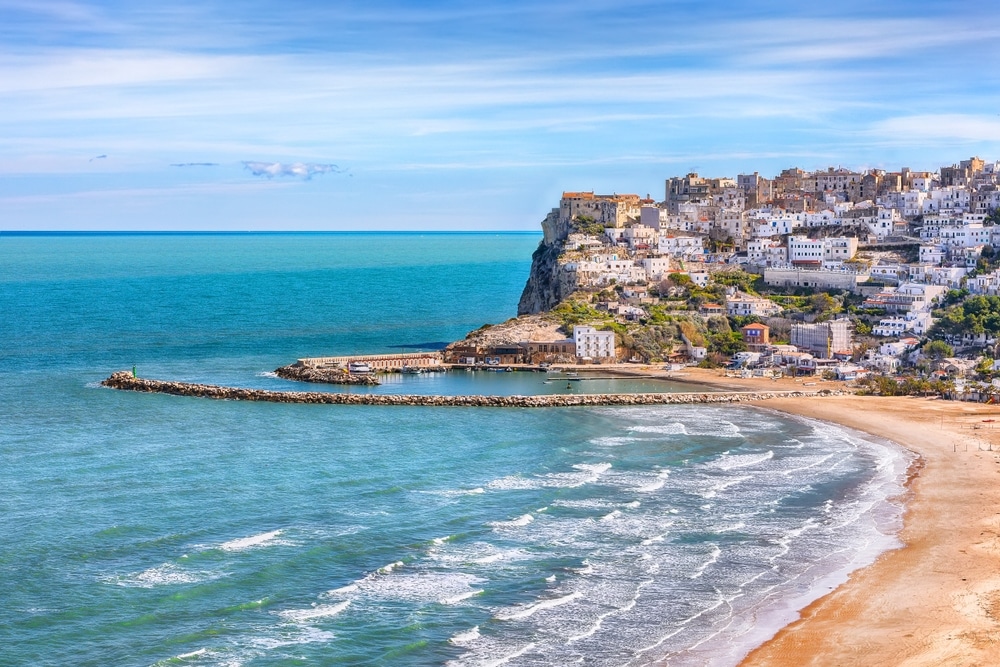
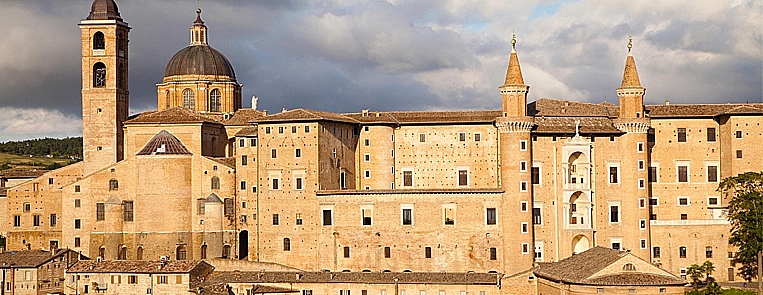
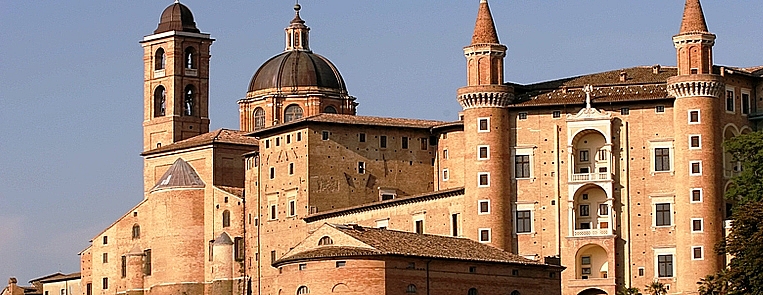
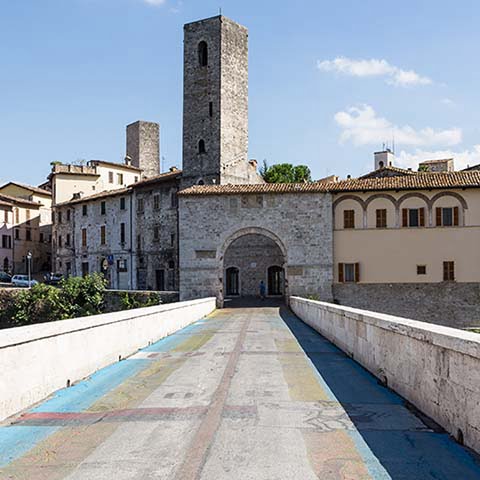
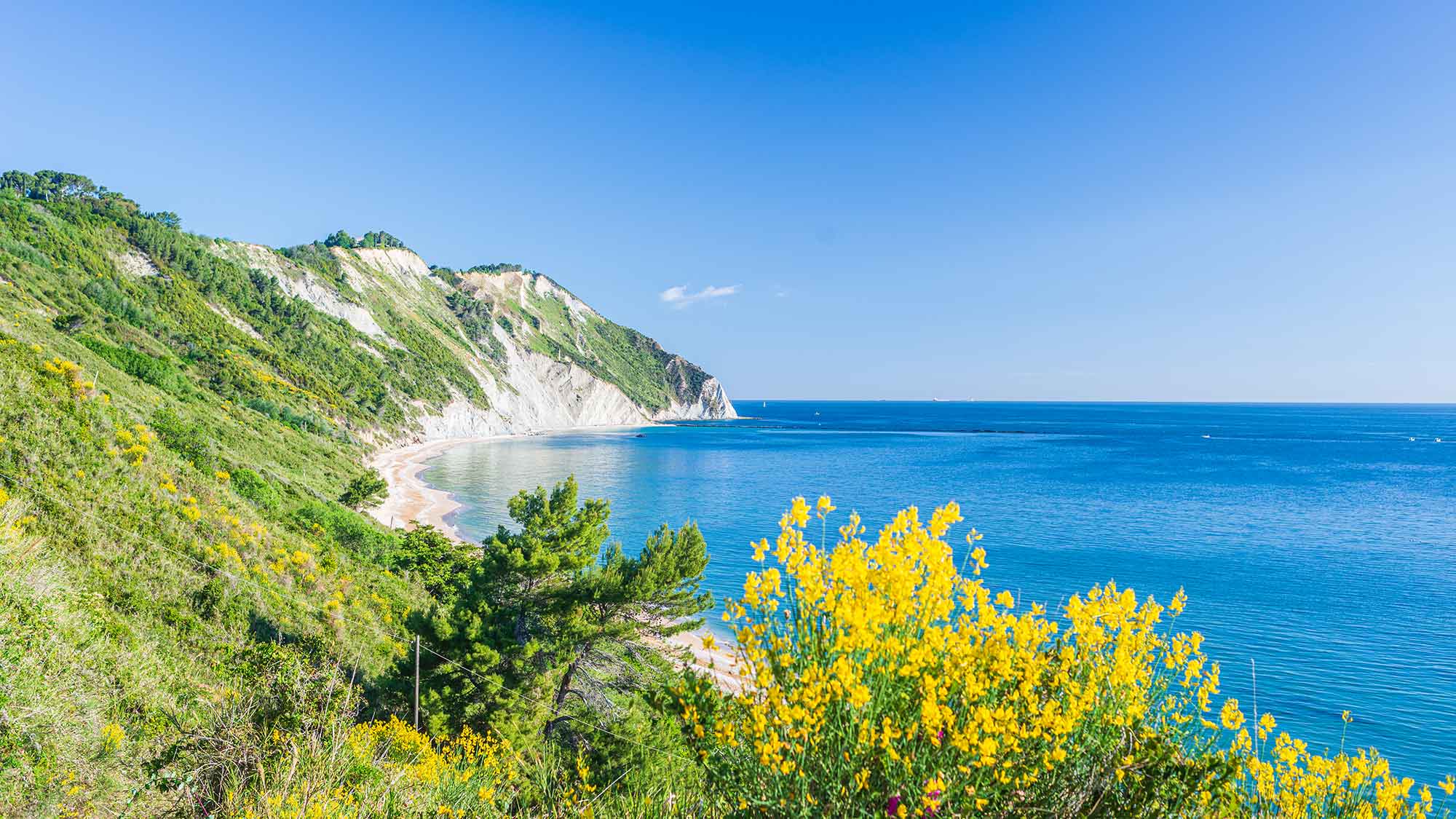
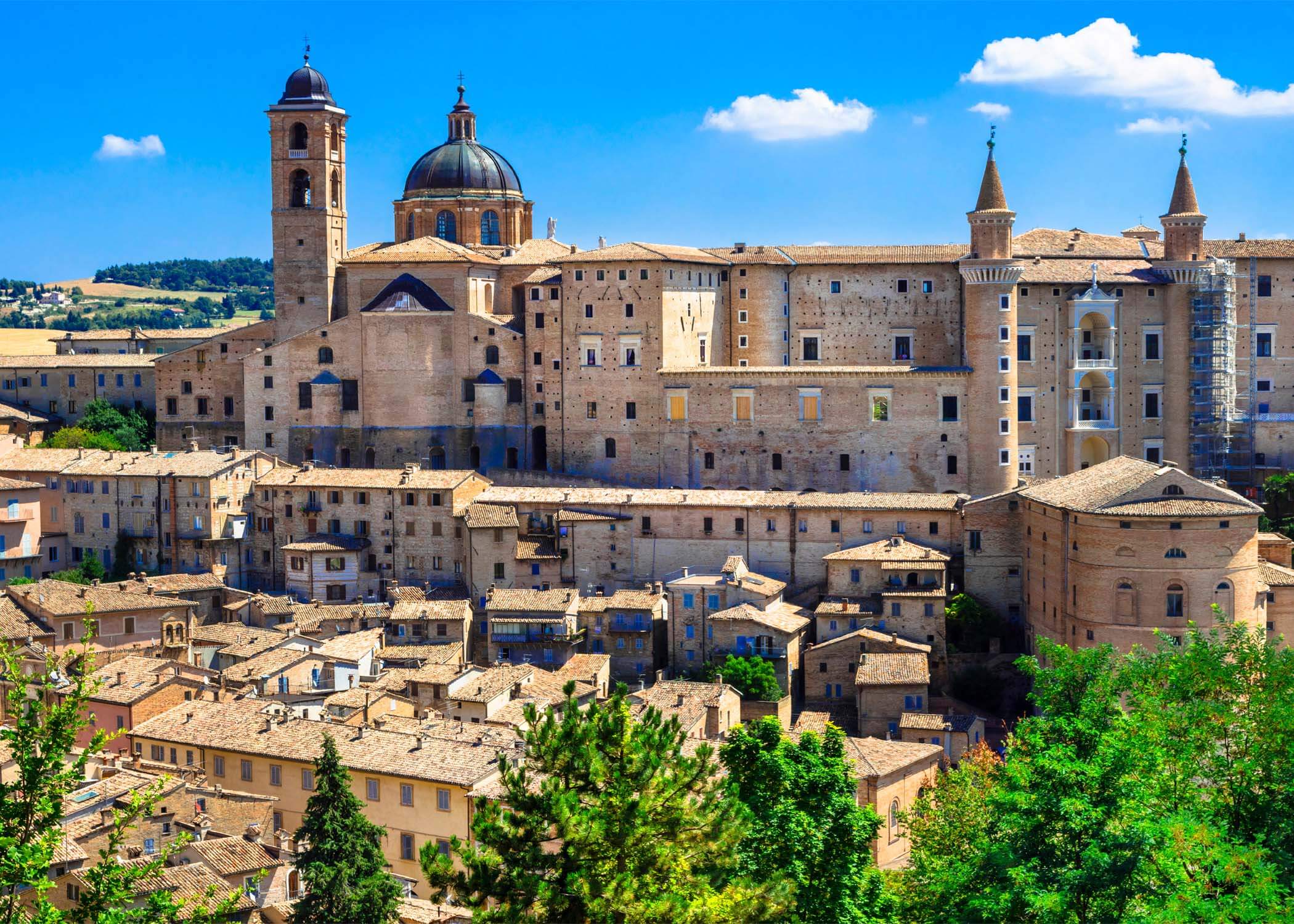
Marche layers art, nature, and coast. Urbino, a jewel of the Renaissance and birthplace of Raphael, crowns its hills with a magnificent ducal palace. The remarkable Frasassi Caves burrow beneath the Apennines, while the Sibillini Mountains offer wild scenery. Ascoli Piceno dazzles with its travertine piazza, and the Conero Riviera brings cliffs and beaches to the Adriatic. With private guides and drivers, this uncrowded region reveals itself at a relaxed pace.
A Sample Marche Itinerary
Picture a base in the hills near Urbino or Ascoli Piceno, dividing your days between Renaissance towns, the Frasassi Caves or the Sibillini Mountains, and the Adriatic coast. This is only a sketch, and your itinerary is reshaped until every day feels right.
Marche for Couples, Families, and Private Groups
Marche shifts its character depending on who is traveling. For couples we lean into its romance and quiet corners, for families we keep younger travelers engaged with the right pacing and hands on experiences, and for multi generational trips and small private groups we balance shared highlights with free time so everyone gets the version of Marche they came for.
Food and Wine in Marche
Marche cooking spans sea and land, from brodetto fish stew and stuffed olives all’ascolana to truffles, cured meats, and the crisp Verdicchio white wine. A Verdicchio tasting, an olive all’ascolana lesson, or a seafood lunch on the coast all bring the region’s food culture to life. We build these experiences around genuine local tradition and the season.
Pairing Marche With the Rest of Italy
Marche pairs naturally with Umbria and Tuscany to the west and with the Adriatic route south. Many travelers add it for an authentic, uncrowded leg. When Marche is one chapter of a longer trip, we design the whole route as a single seamless plan.
Best Time to Visit and How Planning Works
Marche rewards good timing, and the best season depends on the trip you want. Whenever you travel, the planning follows the same path. We begin with a conversation about what matters most to you, design a first draft itinerary for your review, and refine it together until every day feels right before a single reservation is confirmed. From there the logistics are ours to manage.
Marche Vacation FAQs
When you are ready, our specialists will design a Marche vacation built entirely around you. Tell us how you like to travel, who is coming with you, and what you most want to experience, and we will handle the rest from the first draft to the final confirmation. Start planning your custom Marche vacation today.
About this guide: This Marche vacation planning page was written by the Italian born travel specialists at Trips 2 Italy, a custom tour operator that has designed hand crafted Italian vacations for over two decades. It reflects the same first hand knowledge our team draws on when we build a private Marche trip around a traveler’s interests, dates, and pace.