Trentino Alto Adige Travel Guide

HOME » POPULAR ITALIAN DESTINATIONS » ITALIAN TRAVEL GUIDES BY REGION » TRENTINO ALTO ADIGE TRAVEL GUIDE

Trentino Alto Adige Travel Guide        Culture        History        Food and Wine        Things to Do        Plan My Trip

About this guide: This Trentino Alto Adige travel guide was written by the Italian-born travel specialists at Trips 2 Italy, a custom tour operator that has designed hand-crafted Italian vacations since 2003. Every recommendation below reflects the same first-hand knowledge our team draws on when we build a private Trentino Alto Adige itinerary around a traveler’s interests, dates, and pace. Read it for your research, then let us translate it into a trip designed entirely around you.

What Makes Trentino Alto Adige Unlike Anywhere Else in Italy?

Trentino Alto Adige is Italy’s alpine crown, and it belongs to two worlds at once. In its northern half, Alto Adige, also called South Tyrol, road signs read in German and Italian, onion-domed church towers rise over orderly vineyards, and the pastry cases fill with strudel. In its southern half, Trentino, the piazzas, palazzos, and long lunches feel unmistakably Italian. A third voice, the ancient Ladin language, still echoes in the high Dolomite valleys. No other Italian region offers this layered identity.

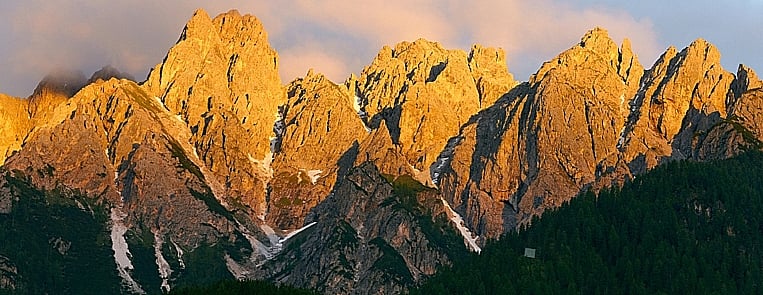
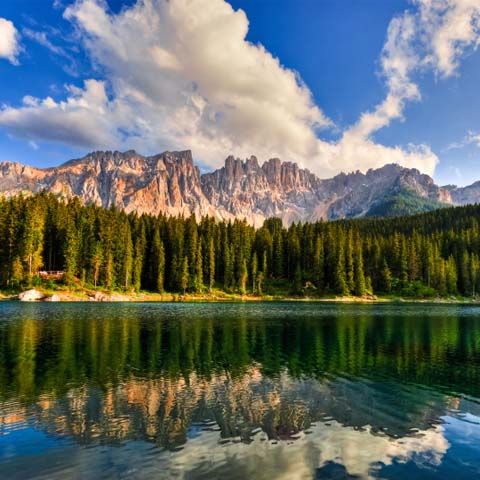
Above it all stand the Dolomites, the pale mountains recognized by UNESCO in 2009 as a World Heritage landscape of exceptional beauty. Their sheer walls and jagged towers glow rose and amber at sunset in the phenomenon locals call enrosadira, a nightly spectacle the Ladin legends explain as the enchanted rose garden of King Laurin. Beneath the peaks spread emerald pastures, larch forests, mirror lakes such as Braies and Molveno, and hundreds of castles guarding the old routes between Italy and the north.

The region rewards every season and every pace: winter travelers ski the vast Dolomiti Superski network, summer travelers walk flowered high meadows and dine in mountain huts, and year-round travelers find spa elegance in Merano, prehistory in Bolzano, and Renaissance history in Trento. Our specialists have designed alpine itineraries here for two decades, and this guide distills what that experience has taught us.

Use it to shape your thinking, then let us shape the trip. Every Trentino Alto Adige vacation we design is composed from what you tell us, hand selected experience by experience, never assembled from a predefined package.

What Is the Geography and Climate of Trentino Alto Adige?

Trentino Alto Adige is Italy’s northernmost region, bordering Austria and Switzerland, and it is almost entirely mountainous. The Adige river, Italy’s second longest, carves the central valley that links its two capitals, Bolzano in the north and Trento in the south, before flowing on toward Verona. East of the valley rise the Dolomites, west rise the glaciated Ortles and Adamello-Brenta groups, and between them run deep side valleys, each with its own dialect, cheese, and skyline: Val Gardena, Alta Badia, Val di Fassa, Val di Non, Val Venosta, and more.

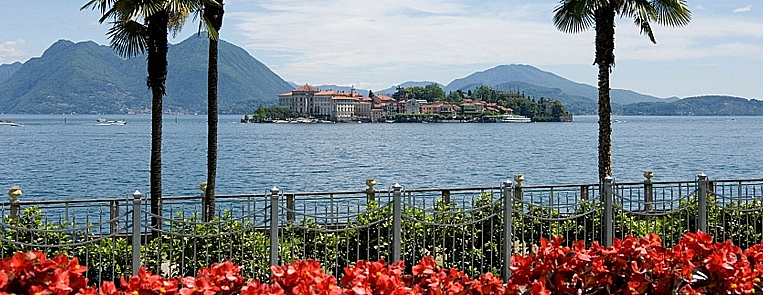
The geography produces striking contrasts within a single day of travel. Palm trees and Mediterranean gardens flourish around Merano and along the northern shore of Lake Garda at Riva del Garda, both sheltered pockets with famously mild microclimates, while glaciers gleam above the Stelvio and apple orchards carpet the valley floors between them. Nearly two thirds of Europe’s apple harvest from a single area comes from these valleys, a fact visible in the endless blossom of April.

Summers in the valleys are warm and bright with refreshing mountain evenings, while the high country stays pleasantly cool, ideal for walking. Autumn brings golden larches, the grape harvest, and remarkably clear light. Winter delivers reliable snow to the highest lift-served terrain in the Dolomites, and spring melts into waterfalls and orchard bloom. Whatever the month, the weather is part of the theater here, and we plan each itinerary around what the mountains are doing.

When Is the Best Time of Year to Visit Trentino Alto Adige?

For walkers and mountain lovers, late June through September is the golden window, when the high trails are open, the alpine huts serve lunch on sun terraces, and the meadows of Alpe di Siusi, Europe’s largest high-altitude pasture, ripple with wildflowers. September and early October add the vendemmia in the vineyards and torggelen season, the beloved autumn ritual of walking between farmhouses for new wine and roasted chestnuts.

Winter transforms the region into Italy’s greatest ski stage. From early December through early April, the Dolomiti Superski network links roughly 1,200 kilometers of immaculately groomed runs across twelve areas, and the mountain villages glow with the Christmas markets of Bolzano, Trento, Merano, and Vipiteno through Advent. Even travelers who never click into skis come for the sleigh rides, market stalls, and candlelit alpine atmosphere.

Spring is the connoisseur’s secret: April apple blossom in the Val di Non, quiet museum mornings in Bolzano and Trento, and the gardens of Merano at their most theatrical. When we plan your dates, we align them with what you want most, whether that is a specific ski circuit, a festival, the blossom, or the mirror-still lakes of early autumn, and we reserve the mountain experiences that require advance arrangements months ahead.

How Many Days Should I Spend in Trentino Alto Adige?

A first meaningful encounter with the region wants five to seven days: a day or two for Bolzano and its remarkable archaeology museum, a day for Trento’s castle and cathedral, a day for Merano’s promenades and gardens, and the remainder in the Dolomites themselves, based in a valley such as Val Gardena or Alta Badia where cable cars lift you into the walking or skiing country each morning.

The mountains reward longer stays generously. A second week opens the western valleys and the Adamello-Brenta nature park around Madonna di Campiglio, the vineyard road south of Bolzano, the quiet farming valleys of Val di Funes and Val Venosta, and unhurried afternoons at the lakes. Alpine travel also benefits from buffer days, since the finest mountain experiences deserve the finest weather, and a well-built itinerary leaves room to move a summit day.

Because every Trips 2 Italy itinerary is built by hand, we weigh your interests, your season, and the other destinations in your Italian journey, then give the mountains the space they deserve rather than the space a standard package allows. Many travelers pair a Dolomites week with Verona, Venice, or the Lakes, and we design the sequence so the alpine chapter lands exactly where your trip needs it.

Which Cities and Valleys Should Anchor Your Itinerary?

Bolzano is the natural gateway, a lively arcaded city where Italian espresso culture and Tyrolean market stalls share the same medieval streets, and where the South Tyrol Museum of Archaeology preserves Ötzi the Iceman, the 5,300-year-old mummy discovered in the region’s glaciers in 1991. Trento answers with Italian Renaissance grandeur: frescoed facades, a monumental cathedral square, and the Buonconsiglio Castle of the prince-bishops who hosted the Council of Trent.

Merano deserves its own chapter. The Habsburg aristocracy, including Empress Elisabeth of Austria, the beloved Sissi, made it Europe’s spa darling in the nineteenth century, and it remains a town of belle epoque promenades, thermal baths, and the extraordinary botanical gardens of Trauttmansdorff Castle. Smaller gems reward a slower pace: Vipiteno’s painted merchant street, Bressanone’s bishop’s palace, Chiusa’s monastery vineyard, and Riva del Garda where the Alps drop straight into Lake Garda.

Then come the valleys, the region’s true anchors. Val Gardena pairs Ladin woodcarving villages with the Sella massif, Alta Badia matches serious skiing with celebrated alpine cuisine, Val di Fassa keeps its Ladin traditions among the Catinaccio towers, Madonna di Campiglio holds court beneath the Brenta Dolomites, and Val di Non hides canyon sanctuaries among its apple orchards. Choosing the right base valley for your style of travel is the single most important decision in the itinerary, and it is one we make together.

Our usual counsel is to combine one city base with one valley base rather than changing hotels nightly. Two or three nights in Bolzano or Merano cover the museums, markets, and gardens at a civilized pace, and four or five nights in a single Dolomite valley let the mountains reveal their moods, sunrise, storm, and alpenglow, from the comfort of one unpacked suitcase. The valleys differ more than their photographs suggest, and matching traveler to valley is a judgment our specialists have refined over hundreds of alpine itineraries.

How Do You Get Around Trentino Alto Adige?

Mountain logistics decide the quality of an alpine vacation, and this is where our work shows most clearly. We arrange private drivers who know the pass roads, the viewpoints worth an unscheduled stop, and the timing that turns the Great Dolomites Road, the historic 1909 route between Bolzano and Cortina, into a day of unfolding drama rather than a navigation exercise. With a driver, every mountain pass becomes scenery and every wine tasting can be enjoyed.

The region’s infrastructure is superb. The Brenner rail corridor links Verona, Trento, and Bolzano swiftly to the rest of Italy, and an exceptionally dense network of cable cars, funiculars, and gondolas lifts travelers from valley towns into the high country in minutes, no hiking boots required for the first thousand meters. In winter, ski shuttles and lift networks like the Sellaronda let skiers orbit an entire massif in a single day.

Every transfer in a Trips 2 Italy itinerary is arranged in advance and supported around the clock, from your arrival, typically through Verona, Venice, Milan, Innsbruck, or Munich, to the morning you depart. In a region where the most beautiful roads climb through dozens of hairpins, thoughtful logistics are not a detail. They are the difference between seeing the Dolomites and being carried through them.

How Do We Weave Trentino Alto Adige Into a Complete Italian Itinerary?

The region connects more gracefully than travelers expect. Verona lies about an hour south of Trento by rail, which places Venice, Lake Garda, and Milan within easy reach, and the Brenner corridor links Bolzano north toward Innsbruck for travelers combining Italy with Austria. The classic pairing sets a Dolomites chapter between the art cities: Venice’s canals, then alpine air and mountain tables, then onward to Milan or the Lakes. The contrast is the point, and we sequence it so each chapter refreshes the last.

The occasion shapes the composition. Couples celebrating a milestone find the region tailor-made for an Italian honeymoon of fireside dinners, mountain spas, and sunrise cable car rides. Active travelers build hiking, skiing, and cycling days into an active trip through Italy. And for those composing something larger, the mountains become a movement in a custom trip to Italy designed entirely from what you tell us.

This guide is one of five we have written on the region. Continue with our Trentino Alto Adige culture guide, Trentino Alto Adige history guide, Trentino Alto Adige food and wine guide, and Trentino Alto Adige things to do guide for the deeper stories behind the landscapes.

Ready to Begin Planning Your Trentino Alto Adige Vacation?

Trentino Alto Adige deserves more than a template. Since 2003, Trips 2 Italy has designed private Italian vacations one traveler at a time, hand selecting every experience based on what you tell us rather than fitting you into a predefined package. Our Italian-born team plans Trentino Alto Adige with the knowledge of people who call Italy home, from the pale towers of the Dolomites to the vineyard terraces of the Adige Valley, and we remain at your side throughout your trip with 24/7 assistance. Tell us how you imagine Trentino Alto Adige, and we will craft the itinerary that matches it.

Explore Our Trentino Alto Adige Vacation Itineraries

Frequently Asked Questions About Traveling to Trentino Alto Adige

Late June through September is ideal for hiking, alpine lakes, and mountain hut dining, while December through early April serves the Dolomiti Superski season and the Christmas markets of Bolzano and Trento. Autumn brings the grape harvest and torggelen traditions, and spring brings apple blossom to the Val di Non. The specialists at Trips 2 Italy align your dates with what the mountains do best in each season.

Five to seven days allows a meaningful first visit: time in Bolzano and Trento, a day for Merano, and several nights in a Dolomite valley such as Val Gardena or Alta Badia. A second week opens Madonna di Campiglio, the wine road, and the quieter farming valleys. Because we build every itinerary by hand, the right length depends on your interests and the rest of your Italian journey.

Both, plus a third language. In Alto Adige, or South Tyrol, German is the first language of most communities and everything is signed bilingually, while Trentino is Italian-speaking, and the high Dolomite valleys preserve Ladin, an ancient Romance language. English is widely spoken in hospitality, and the layered identity is one of the region’s great fascinations rather than an obstacle.

The mountains are best experienced with a private driver, which turns the hairpin pass roads of the Great Dolomites Road into pure scenery and lets every wine tasting be enjoyed. Trains connect Verona, Trento, and Bolzano efficiently, and cable cars lift you from the valley towns into the high country. We arrange every transfer in advance so the logistics disappear into the trip.

The Dolomites lead every list, from Alpe di Siusi and the Sella massif to Lake Braies, followed by Bolzano with Ötzi the Iceman, Trento’s Buonconsiglio Castle, Merano’s gardens and thermal baths, and the castles scattered along the Adige Valley. Trips 2 Italy composes these into an unhurried route with private guides and drivers, matched to your season and pace.

Beautifully. Verona sits about an hour from Trento by rail, placing Venice, Lake Garda, and Milan within easy reach, and Riva del Garda at the lake’s alpine northern tip actually belongs to Trentino. Many of our finest itineraries set a Dolomites chapter between the art cities so mountain air refreshes the journey at its midpoint.