Current Region: Sicily Culture of SicilyHistory of SicilyFood and Wine in SicilyThings To Do in Sicily Map of Italy

Click on a Region or - City to view more information.
Abruzzo
- L'Aquila
Aosta Valley
- Aosta
Apulia
- Brindisi
Basilicata
- Matera
- Potenza
Calabria
- Reggio Calabria
Campania
- Capri
- Naples
- Sorrento And Amalfi Coast
Emilia Romagna
- Bologna
- Modena
- Parma
- Ravenna
- Reggio Emilia
Friuli Venezia Giulia
- Gorizia
- Trieste
Lazio
- Pontine Isles
- Rome
Liguria
- Cinque Terre
- Genoa
- Portofino
- Rapallo
Lombardy
- Bergamo
- Como
- Lake Como
- Mantua
- Milan
- Pavia
Marche
- Ascoli Piceno
- Urbino
Molise
- Campobasso
Piedmont
- Alba
- Asti
- Casale Monferrato
- Lake Maggiore
- Turin
- Vercelli
Sardinia
- Cagliari
Sicily
- Catania
- Palermo
- Taormina
Trentino Alto Adige
- Bolzano
- Trento
Tuscany
- Arezzo
- Florence
- Lucca
- Montalcino
- Montepulciano
- Pisa
- San Gimignano
- Siena
- Volterra
Umbria
- Assisi
- Gubbio
- Perugia
- Spoleto
- Orvieto
Veneto
- Lake Garda
- Padua
- Treviso
- Venice
- Verona
- Vicenza

Culture of Sicily Italy - Travel guide & Information Photo Gallery Catania Taormina Palermo

Culture Of The Region Sicily Of Italy

Whatever your reasons for visiting Sicily (Sicilia), 'll find a fascinating land full of beauty and charm, complexities and contradictions, and medieval splendor. If you want to discover the history and culture of Western civilization by visiting a single place, Sicily (Sicilia) is a perfect choice. Thousands of years of history await your discovery.

The culture of the Siculi (Siculians) and Sicani (Sicanians), from whom the island takes its name, began its development around 5000 BC. By about 2000 BC, three principal languages had developed: Sican (Sicanian) in the western part of the island, Elymian in the northwest, and Sicel (Siculian) in the east. Some evidence of these cultures still exists. For example, the megalithic temple of “Diana” at Cefalù is probably Sicanian in origin.

Sicily Italy, TilesThe Phoenicians began to colonize the area around 900 BC, founding Carthage in North Africa and Mozia, Solunto, and Palermo in Sicily (Sicilia). Recent discoveries indicate that the languages spoken by the native Sicilians were quite similar to both Phoenician and Greek. With the arrival of the Greeks, the three Sicilian civilizations were eventually assimilated into the Greek culture. The Greek’s mythology and folklore asserted the greatest influence on Sicily (Sicilia). Sicily (Sicil's museums are filled with religious artifacts and statues reflecting the impact on their culture. Archimedes, the great mathematician and engineer, was born in Siracusa (Syracuse) in 287 BC.

In addition to the Greek influence on Sicily (Sicilia), certain archaeological discoveries on the island reflect an Egyptian influence; this is not surprising since the Phoenicians often called at Egyptian ports. The Greeks, whose alphabet was influenced by that of the Phoenicians, colonized southern Italy to the extent that at one point there were more Greeks (and possibly more Greek temples) in Sicily (Sicilia) and the areas south of Rome than in Greece itself.

Trip to Italy Travel Planning | Book your Italian Vacation to Sicily Italy Trip to Italy Travel Planning | Book your Vacation Package to Sicily Italy Trip to Italy Travel Planning Information about Culture of Sicily Italy

Ragusa, Sicily Italy - Castello Donna FugataThe Sicilians of today are said to be a “mixed race” descended from early Sicilians (Sicani, Siculi, Elymi), and the peoples who subsequently conquered or colonized Sicily (Sicilia): Phoenicians, Greeks, Carthaginians, Romans, Byzantine Greeks, Saracen Arabs, Normans, and to some extent Longobards, Goths, Angevin French, Aragonese, and Spanish. A number of Sicilians are descended from Albanians who settled in several communities in the sixteenth century.

This heritage of different languages has had some interesting results. The Sicilian language (dialect), for example, has various foreign elements, and the dialect spoken in several towns has some Longobardic phrases and syntax. There were communities settled by Albanians in the fifteenth century where an old form of Albanian is still spoken by some residents. The Inquisition suppressed Islam and Judaism, but many Sicilian surnames are Arabic and Hebrew in origin. The Byzantine Rite churches of the Albanian communities, though Roman Catholic today, are rooted in the Orthodox tradition of Albania.

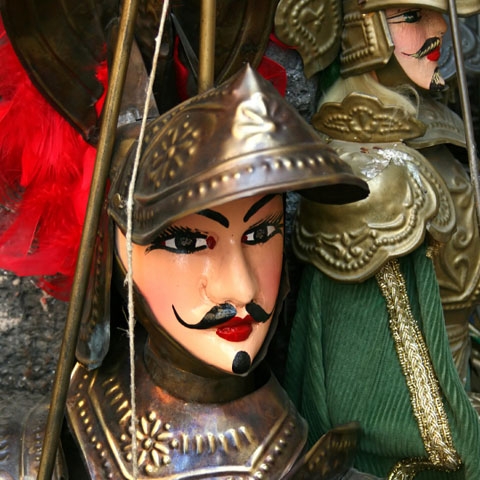
Procida Island, Sicily ItalySicilian traditions range from the aristocratic to the popular, from medieval-style equestrian tournaments to colorful folk festivals. Puppets (and puppet shows) and colorful painted carts represent the isl's medieval past. Several Catholic feasts, with their traditional religious processions, are national or local holidays; however, th's nothing quite as dramatic as the classical plays performed in Greek amphitheaters, and the operas and concerts performed in Sicily (Sicil's splendid opera houses. Milestones like first communions and weddings take on a momentous tone in Sicily (Sicilia), where family life is very important.

No articles at this time

Ski2Italy.com Trips 2 italy reliability report American Society of Travel Agents National Tour Association

Trips 2 Italy Home | About Trips 2 Italy | Contact Trips 2 Italy | Trips 2 Italy FAQ | Why Trips 2 Italy
Site Map | How to make a reservation | Travel Protection Plan | Terms & Conditions | Back to Top

© 2002-2008 Trips 2 Italy, LLC | All rights Reserved | Sicily Italy Culture Trip & Tours Planning Guide