
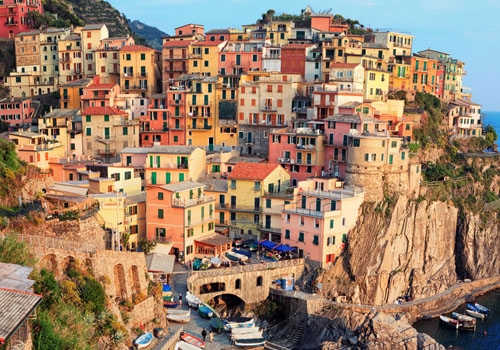
A Taste of the Cinque Terre Tour | Vacation Packages for 2025 – 2026
Experience Rapallo, Cinque Terre and Portofino as seaside villages, coastal trails and Ligurian flavors create the perfect Italian Riviera escape. Starting from $680 per person.
HOME » POPULAR ITALIAN DESTINATIONS » PORTOFINO TRAVEL GUIDE » PORTOFINO FOOD AND WINE GUIDE
Portofino Travel Guide Culture History Food and Wine Things to Do Plan My Trip
About this guide: This guide to the food and wine of Portofino was written by the Italian-born travel specialists at Trips 2 Italy, a custom tour operator that has designed hand-crafted Italian vacations since 2003. Every recommendation below reflects the same first-hand knowledge our team draws on when we build a private Portofino itinerary around a traveler’s interests, dates, and pace. Read it for your research, then let us translate it into a trip designed entirely around you.
Portofino eats in Ligurian, one of Italy’s most distinctive regional languages. This is a cuisine of herbs, olive oil, vegetables, and the sea, shaped by a coast whose steep terraces never supported the cattle and grain of the plains. Basil, pine nuts, chestnuts, anchovies, and the delicate Taggiasca olive carry the kitchen, and the results are fragrant rather than heavy, precise rather than abundant. The full regional table is explored in our Liguria travel guide.
Ligurians perfected the art of intensity from modest means: a sauce pounded from garden basil, a flatbread raised to regional icon, a fish served with little more than oil, lemon, and judgment. In Portofino, that restraint meets one of the most beautiful dining rooms in the world, the harbor itself, and the combination of simple perfection and extraordinary setting defines eating here.
The village table also reflects its gulf. Santa Margherita Ligure is famous for its red prawns, Camogli for its anchovies and its fishing fleet, and the inland valleys behind the coast send down vegetables, cheeses, and herbs. Eating in Portofino rewards a little fluency, and every culinary itinerary we design comes with guidance on what to order where, and in which season it is at its best.
It is also a cuisine best met with a little guidance. Ligurian menus reward travelers who know the canon and its seasons, from spring’s first basil to autumn’s olive harvest, and a briefing from our specialists before the trip turns every menu from a guess into a pleasure. Food is where this coast tells its story most vividly, and we make sure our travelers are fluent enough to hear it.
The gulf sets the menu. Anchovies, the silver currency of the Ligurian kitchen, arrive marinated, fried, or layered with potatoes and herbs. The red prawns of Santa Margherita Ligure are prized along the whole coast, sweet enough to serve raw with oil and lemon. Sea bass, bream, and the day’s mixed catch appear grilled, baked in salt, or in the fritto misto that tastes best a few steps from the boats that landed it.
Classic coastal preparations tell the region’s story. Cappon magro, the extravagant tower of fish and vegetables, began as a way to make salt cod and ship’s biscuit magnificent. Seafood sauces dress the local pastas, and moscardini, the small octopus of the gulf, simmer with tomato and olives. Even the humble bagnun, an anchovy and tomato soup from the fishing towns, carries centuries of working harbor life in a bowl.
We build seafood days around the water itself: a morning on the gulf with a skipper, a look at the small fleet’s landing, and a long lunch above the harbor or in a cove reached by boat. Fine dining flourishes along this coast too, and for travelers who want the gulf’s catch treated with contemporary craft, we reserve the tables that do it best.
Pesto comes first, because this is its home region. Pounded from small-leaf basil, pine nuts, garlic, aged cheeses, and Ligurian olive oil, true pesto alla genovese is a revelation beside its exported imitations, and it belongs on trofie, the hand-twisted pasta of the coast, or trenette with potatoes and green beans in the classic manner.
The flatbreads follow. Focaccia genovese, olive-oil rich and dimpled, is eaten from morning espresso onward, and focaccia di Recco, from the town just across the promontory, is a different marvel entirely: two paper-thin sheets of dough sealed around soft crescenza cheese and baked until molten. Farinata, the chickpea pancake fired in copper pans, completes the trio of Ligurian street classics.
Deeper in the repertoire wait pansoti, herb-filled pasta parcels sauced with walnuts, the vegetable tortes that turn chard and artichokes into celebration food, and stuffed vegetables done the Ligurian way. The through-line is the region’s genius for coaxing richness from gardens and groves, and tasting the canon in its birthplace, dish by dish, is one of the great pleasures of a stay on this coast.
Do not overlook the openers that frame a Ligurian meal: olives from the Taggiasca groves, oil pressed on the terraces above the coast, vegetable tortes sold by the slice, and the anchovies of the gulf served a half dozen ways. A well-composed antipasto here is a geography lesson in miniature, and we make sure our travelers can read it.
The defining ritual is the long harborside lunch, taken without hurry while the boats come and go. Portofino’s dining rooms face the piazzetta and the water, and a meal here is theater in the gentlest sense: the light shifting on the painted facades, the gulf beyond, and no reason on earth to ask for the check. Ligurians treat lunch as the day’s anchor, and the village agrees.
Evening opens with aperitivo. As the day visitors sail off, tables fill in the piazzetta for a glass of chilled Vermentino or a spritz, olives and focaccia alongside, while the harbor turns gold. Dinner follows late and unhurried, and the walk afterward, along the water or up toward San Giorgio under the lights, completes the ceremony as surely as dessert.
The rhythm rewards travelers who adopt it whole. We compose Portofino days so the meals fall where the light is best, reserve the tables that match each evening’s mood, and leave deliberate space in the itinerary for the lunch that refuses to end. On this coast, the table is not a pause in the day’s plan. It is the plan.
The season shapes the table as surely as the tide. Spring brings artichokes, fava beans, and the year’s first basil; summer belongs to tomatoes, seafood salads, and long lunches under awnings; autumn adds mushrooms from the headland’s forests and the olive harvest on its terraces. We time culinary itineraries to this calendar deliberately, because eating with the coast’s rhythm is the whole point of coming.
The gulf has its own appellation: Golfo del Tigullio-Portofino, whose terraced vineyards above the coast produce Vermentino and Bianchetta Genovese whites made for seafood, along with rosés and light reds like Ciliegiolo. These are wines of salt air and steep hillsides, rarely exported in quantity, and drinking them a few miles from their vines is part of their point.
The wider Ligurian cellar deepens the list. Pigato, the region’s other great white, brings herbal richness from the western riviera, and Rossese di Dolceacqua offers the coast’s most distinguished red. Down the coast, the heroic terraces of the Cinque Terre yield their crisp white and the rare amber Sciacchetra, a dried-grape wine that has closed Ligurian feasts for centuries.
We arrange tastings that fit the coast’s scale: small producers on the Tigullio terraces, guided pairings over a long lunch, and cellar visits woven into countryside afternoons. Ligurian wine is intimate rather than industrial, made in quantities the region mostly drinks itself, and meeting it with the people who grow it is exactly the kind of arrangement our specialists have spent two decades earning.
Reading a coastal wine list becomes a pleasure once the geography clicks: whites from terraces you can see from your table, poured young and cold beside the fish they were grown to accompany. Sommeliers along the gulf pour generously by the glass, which makes every dinner a chance to travel the coast without leaving the harbor, and our specialists brief travelers on what to seek out so each evening adds a new hillside.
Portofino contributed its own dessert to the Italian canon: the paciugo, a tall sundae of gelato, syrup, and whipped cream born in the village and still served around the gulf. It is best eaten in the piazzetta with no dignity whatsoever, and it has ended Portofino afternoons for generations of travelers.
The coast’s pastry case runs deeper. Camogli sends its rum-soaked camogliesi, Genoa its pandolce studded with raisins and candied fruit, and the whole region its canestrelli, the flower-shaped shortbread dusted with sugar. Gelato is taken seriously along the gulf, and a cone carried along the harbor walk counts as a complete cultural experience.
The simplest pleasures may be the truest: warm focaccia from a morning bakery, an espresso standing at the bar while the harbor wakes, lemons and basil scenting a market stall, a glass of Sciacchetra with dessert as the lights come on across the water. We design culinary days to include these small ceremonies deliberately, because they are what travelers remember longest.
Coffee deserves its own sentence on this coast. Genoa’s roasting tradition runs deep, the morning espresso beside warm focaccia is a Ligurian institution, and the pairing, salty and bitter and faintly scandalous to visitors from other regions, is precisely how the gulf starts its day. Adopt it once and the morning harbor will taste different forever.
A Trips 2 Italy culinary itinerary begins with how you love food, not with a fixed program. For some travelers that means hands-on: a market morning in Santa Margherita Ligure, then a pesto lesson at the marble mortar and a focaccia session with hosts who have made both their whole lives. For others it means the water, a private boat that ends at a seafood lunch in a cove the road cannot reach.
Because our team is Italian-born and has worked this coast since 2003, the settings are authentic rather than staged: family kitchens in the gulf towns, terraced vineyards above the sea, the abbey cove of San Fruttuoso reached by launch, and the tables where the gulf’s catch meets the region’s whites. Anyone can eat well in Portofino. Eating with the coast’s own rhythm is the version we insist on.
Every culinary journey is composed around your dates and the season, from spring vegetables to the autumn olive harvest on the headland’s terraces, as part of our wine tasting and food tours in Italy. Tell us how you imagine eating in Portofino, and we will build the days around the table.
Portofino deserves more than a template. Since 2003, Trips 2 Italy has designed private Italian vacations one traveler at a time, hand selecting every experience based on what you tell us rather than fitting you into a predefined package. Our Italian-born team plans Portofino with the knowledge of people who call Italy home, from a private launch across the Gulf of Tigullio to a quiet table above the painted harbor, and we remain at your side throughout your trip with 24/7 assistance. Tell us how you imagine Portofino, and we will craft the itinerary that matches it.
Experience Rapallo, Cinque Terre and Portofino as seaside villages, coastal trails and Ligurian flavors create the perfect Italian Riviera escape. Starting from $680 per person.
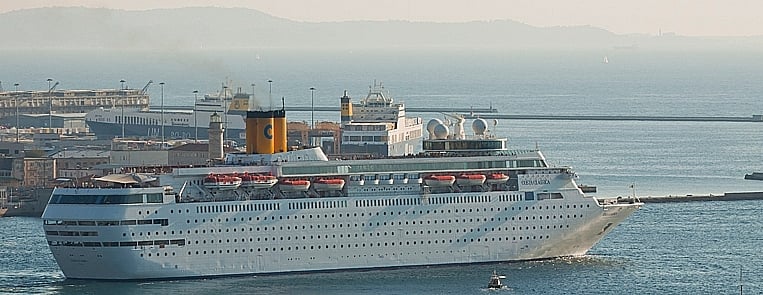
Our Portofino, Santa Margherita and Rapallo tour lets you explore three stunning Ligurian villages, learn about their history and enjoy a relaxing shore excursion during your cruise around Italy
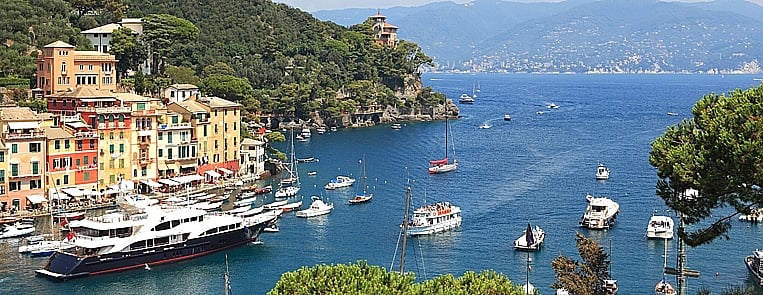
This 8.3-hour Portofino, Santa Margherita Ligure and Pisa tour is an excellent way to visit some of Italy’s most profound historic and cultural areas, all wrapped up in a
Portofino serves the Ligurian canon at its best: pesto alla genovese on trofie or trenette, focaccia in its many forms, anchovies and the gulf’s seafood, pansoti with walnut sauce, and the paciugo, the gelato sundae born in the village itself. The cuisine is fragrant, precise, and built on basil, olive oil, and the day’s catch.
Pesto alla genovese is Liguria’s great sauce, pounded from small-leaf basil, pine nuts, garlic, aged cheeses, and local olive oil. Portofino sits in its home region, where the sauce is a point of identity rather than a menu item, and tasting true pesto here, ideally after a hands-on lesson at the mortar, resets the standard permanently. Trips 2 Italy arranges exactly that experience with hosts in the gulf towns.
Look for the local appellation, Golfo del Tigullio-Portofino, whose Vermentino and Bianchetta Genovese whites are made for the gulf’s seafood, alongside Pigato, the light red Ciliegiolo, and Rossese from the wider region. The Cinque Terre’s whites and the rare amber Sciacchetra complete the coastal list, and we arrange tastings with small producers on the terraces above the sea.
It is the celebrated cheese focaccia of Recco, the town just across the Portofino promontory: two paper-thin sheets of dough sealed around soft crescenza cheese and baked until molten. Protected by an IGP designation, it is worth crossing the headland for, and it pairs perfectly with a chilled Ligurian white.
Yes. We arrange market mornings in Santa Margherita Ligure, pesto lessons at the traditional marble mortar, focaccia baking with local hosts, and long estate lunches on the terraces above the coast. Every experience is private, composed around your dates and pace, and rooted in the gulf’s real food culture rather than a staged classroom.
The paciugo is Portofino’s own dessert, a tall gelato sundae layered with syrup and whipped cream that originated in the village and spread around the Gulf of Tigullio. Eaten at a piazzetta table while the harbor changes color, it is one of the coast’s happiest traditions.