
Positano Food and Wine Guide

HOME » POPULAR ITALIAN DESTINATIONS » POSITANO TRAVEL GUIDE » POSITANO FOOD AND WINE GUIDE

Positano Travel Guide        Culture        History        Food and Wine        Things to Do        Plan My Trip

About this guide: This guide to the food and wine of Positano was written by the Italian-born travel specialists at Trips 2 Italy, a custom tour operator that has designed hand-crafted Italian vacations since 2003. Every detail below reflects the same first-hand knowledge our team draws on when we build a private Positano itinerary around a traveler’s interests, dates, and pace. Read it for your research, then let us translate it into a trip designed entirely around you, set within the wider Campania travel guide we maintain for the region.

What Defines Positano's Coastal Cuisine?

Positano’s food culture grows directly out of its geography: a narrow strip of cultivable land wedged between steep hillsides and open sea, which pushes the local table toward the two resources the town has always had in abundance, citrus and seafood. The cuisine here shares the same Campanian foundation found across Campania’s culinary traditions, built on simple, high-quality ingredients treated with restraint rather than heavy preparation.

That restraint is deliberate. A perfectly ripe tomato, a fish caught that morning, or a lemon grown on a centuries-old terrace does not need elaborate technique to shine, and Positano’s cooking traditions reflect a deep respect for letting a handful of excellent ingredients speak for themselves. Understanding that philosophy changes how a traveler experiences every meal here, from a casual coastal lunch to a more composed evening menu.

This philosophy also shapes how ingredients move from source to table. Much of what appears on a Positano menu was grown or caught within a short distance of where it is served, a pattern of genuinely local sourcing that predates the modern farm-to-table movement by generations. Terraced gardens above town supply vegetables and citrus, while the harbor below supplies fish and shellfish, and the short distance between the two keeps the local table tied tightly to the surrounding landscape rather than to imported convenience.

Understanding this geography also explains some of the subtle differences travelers notice between Positano’s table and the cuisine of neighboring towns along the same coast. Even a short distance away, exposure, elevation, and soil composition shift enough to change what grows best on a given terrace, giving each town along the coast a slightly different culinary emphasis despite sharing the same broader regional traditions. A custom itinerary that includes several coastal towns can highlight these small but genuine distinctions, turning what might otherwise look like a repetitive string of similar meals into a more nuanced exploration of the coast’s food culture.

How Central Is Limoncello to Positano's Identity?

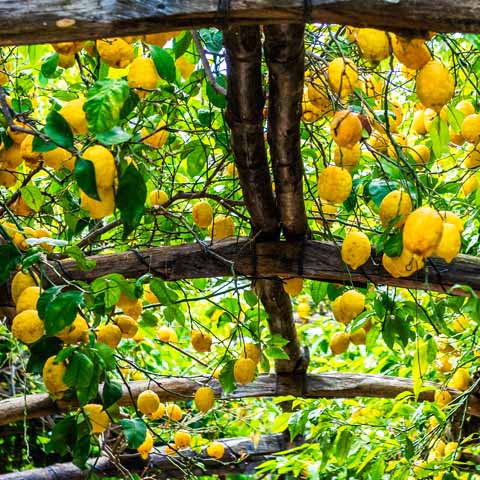
The Sfusato Amalfitano lemon, grown on steep terraced groves that climb the hills above Positano, is the single ingredient most closely tied to the town’s culinary identity. These lemons, prized for their thick fragrant peel and relatively low acidity, are the foundation of limoncello, the bright yellow liqueur that has become synonymous with this coastline around the world.

Traditional limoncello production steeps lemon peel in alcohol over an extended period before blending it with sugar syrup, a process still followed by small producers who tend their own terraces. On a custom itinerary, we can arrange private visits to lemon groves and small-scale producers, giving travelers a direct look at how a single fruit shaped an entire regional tradition, well beyond the bottled versions sold to tourists passing through.

The terraces that support this tradition require serious ongoing labor, with retaining walls, irrigation channels, and shade structures maintained by hand across generations of the same families. Harvest season brings a particular energy to the hillsides above Positano, as workers move between rows collecting fruit that will be pressed, distilled, and bottled within days. Seeing this process firsthand, rather than only tasting the finished product, gives travelers a far deeper appreciation for how much careful agricultural work underlies a drink most people associate simply with a pleasant afternoon on the coast.

What Seafood Traditions Come From the Tyrrhenian Sea?

Positano’s proximity to the Tyrrhenian Sea places fresh seafood at the center of its table, with local fishing traditions still supplying much of what appears on menus around town. Scialatielli ai frutti di mare, a thick hand-cut pasta tossed with a mix of local shellfish, stands as one of the coast’s signature dishes, alongside simply prepared anchovies and octopus cooked in ways that highlight rather than mask their flavor.

This seafood culture connects directly to daily life in Positano, where fishing schedules still shape when certain dishes appear and how they are prepared. A private culinary experience built around this rhythm, rather than a fixed restaurant reservation, lets travelers taste the coast at its freshest, and that kind of flexible, insider-led planning is exactly what we build into our Positano itineraries.

Local fishing techniques passed down through generations still influence what shows up on a plate, from small-boat methods suited to the coast’s rocky shoreline to age-old knowledge of seasonal fish migration patterns along this stretch of the Tyrrhenian. Some preparations, like simply grilled whole fish finished with local olive oil and lemon, exist precisely because they showcase a catch too fresh to need anything more elaborate. Travelers who build a morning around watching boats return to the harbor, followed by a meal built from that same catch, come away with a far more genuine sense of the coast’s food culture than a standard restaurant visit alone could offer.

Shellfish and small fish varieties specific to this stretch of coastline appear in preparations that rarely travel far beyond the region, since their delicate character depends on being cooked within hours of the catch. Older residents still recall a time when the day’s fishing entirely dictated the evening meal rather than the other way around, a dependency that shaped local cooking habits toward quick, minimal preparations suited to genuinely fresh ingredients. That same dependency, though softened today by refrigeration and broader supply chains, still informs how the most respected home cooks and small kitchens along this coast think about seafood preparation.

Which Classic Dishes Define the Positano Table?

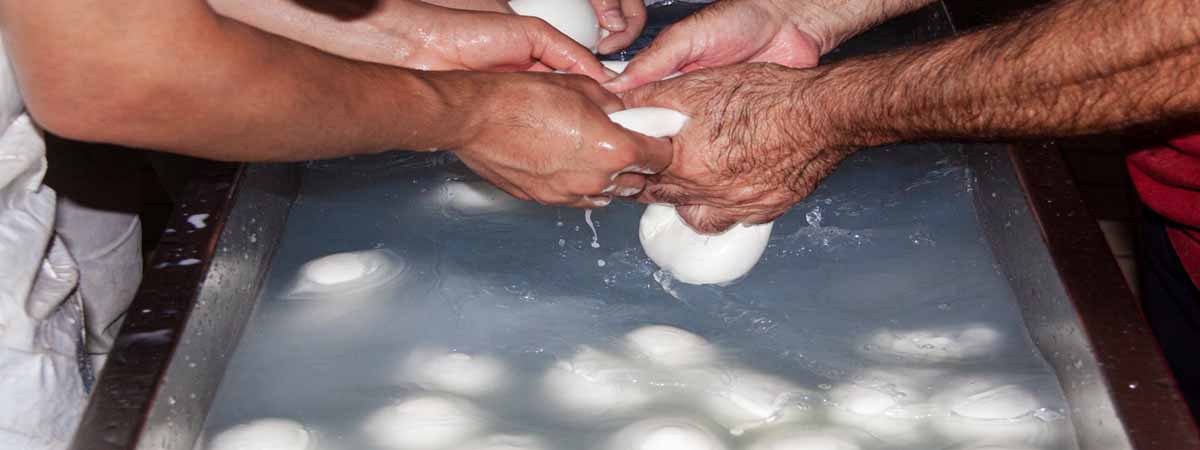
Beyond seafood pasta, a handful of classic preparations recur throughout Positano and the surrounding coast. Caprese salad, made with buffalo mozzarella, sun-ripened tomatoes, and fresh basil, remains a benchmark dish precisely because its simplicity leaves nowhere for mediocre ingredients to hide. Vegetable preparations built around eggplant, zucchini, and peppers grown locally round out a table that leans heavily on what the surrounding land and sea provide.

These dishes appear in countless variations across the coast, and part of the pleasure of eating well in Positano comes from noticing how each version reflects a particular family’s approach or a particular season’s ingredients. We design our food-focused Positano days around this idea, connecting travelers with genuine culinary traditions rather than a single generic sampling menu.

Seasonal produce plays a larger role in shaping the table here than many visitors expect, with certain vegetable and fruit preparations only appearing during specific months tied to the terrace harvest calendar. Bread and simple flour-based preparations, often made using techniques passed down within individual families, round out meals in ways that rarely appear on a typical visitor’s radar. A custom itinerary timed to a particular season, and guided by someone familiar with what is genuinely at its best that month, reveals a far more nuanced version of Positano’s table than a fixed, year-round menu ever could.

What Should Travelers Know About the Wines of the Amalfi Coast?

The Amalfi Coast’s steep, terraced vineyards produce wines under the Costa d’Amalfi DOC designation, with sub-zones including Furore, Tramonti, and Ravello each expressing subtle differences shaped by elevation, sea exposure, and local grape selection. White wines built around Falanghina, Fiano, and Greco grapes tend to show bright acidity and mineral character suited to the coast’s seafood-driven cuisine, while reds built around Piedirosso and Aglianico offer more structure for heartier dishes.

These wines are best understood as a concept worth exploring thoughtfully rather than a list to check off, and a knowledgeable guide or private tasting can reveal how dramatically terrain and microclimate shape a glass poured just a few kilometers from where the grapes were grown. Trips 2 Italy incorporates wine exploration into Positano itineraries as an educational, experience-driven element rather than a simple add-on.

Farming these terraced vineyards is genuinely demanding work, since the same steep slopes that produce such distinctive wines make mechanization largely impossible, leaving most vineyard labor to be done by hand across generations of the same growing families. That labor-intensive reality is part of what makes Amalfi Coast wine production relatively small in volume compared to flatter, more easily farmed regions elsewhere in Italy, and it is part of why a guided tasting experience, ideally with direct access to a grower rather than only a retail list, adds so much context to understanding what makes these wines distinctive.

Because production volumes remain modest, many of the coast’s most interesting wines rarely travel far beyond the region, making a direct visit one of the few reliable ways to taste them properly. Growers along this stretch of coastline often blend inherited techniques with more recent winemaking knowledge, producing wines that reward genuine curiosity rather than a quick single pour. A tasting arranged with real context, ideally standing among the vines themselves, consistently leaves a stronger impression than the same wine sampled at a distance from where it was grown.

What Dining Rituals and Sweets Define Life in Positano?

Aperitivo culture holds a natural place in Positano’s evening rhythm, a moment built around light bites and a glass of local wine or a citrus-based drink, enjoyed while the light softens over the bay. This ritual reflects a broader Italian approach to dining as a paced social occasion rather than a rushed transaction, and it fits naturally into an evening spent exploring town on foot.

On the sweeter side, delizia al limone, a lemon-cream sponge cake specialty closely associated with this stretch of coast, along with classic Campanian sfogliatella pastries, round out a dessert tradition built once again around citrus and craftsmanship. These closing notes to a meal capture the same philosophy that runs through Positano’s cooking overall: quality ingredients, handled with care, allowed to speak for themselves.

Meal structure and timing in Positano follow a rhythm shaped by the Mediterranean climate as much as tradition, with lighter fare favored during the heat of midday and more substantial meals reserved for the cooler evening hours. Extended, unhurried dining is treated as a genuine social occasion rather than an inconvenience, and understanding this pacing helps travelers settle into the local rhythm rather than expecting the faster turnover common elsewhere. A custom itinerary built around this pacing, rather than against it, tends to produce a far more relaxed and memorable culinary experience overall.

How Do We Build Culinary Experiences Into a Positano Itinerary?

Trips 2 Italy designs food and wine experiences in Positano around genuine access rather than generic tastings, arranging private visits to lemon groves, hands-on cooking sessions focused on regional pasta and seafood dishes, and guided wine tastings that explain the terrain behind each glass. Fine dining and wine experiences are treated as concepts to be shaped around a traveler’s own tastes, never as a fixed itinerary item applied the same way to every guest.

This culinary thread often connects naturally to a broader Amalfi Coast food and wine exploration, and travelers frequently pair it with visits to Naples’ celebrated food traditions or Capri’s coastal food and wine culture. Whether the goal is a luxury Italian vacation built around private tastings or a romantic Italy getaway centered on a shared evening meal, our Italian-born team shapes the culinary side of a Positano trip entirely around the traveler in front of us.

Practical logistics matter as much as the experiences themselves when it comes to food and wine planning along this coastline, from timing a lemon grove visit around harvest season to arranging private transport between a vineyard tasting and a coastal cooking class without losing half a day to transit. Trips 2 Italy handles this coordination directly, drawing on established relationships with growers, producers, and instructors along the coast so that a traveler’s culinary day unfolds smoothly rather than around the constraints of public transport schedules or overbooked group experiences.

Seasonality plays a real role in how we sequence these experiences, since a lemon harvest, a grape harvest, and the peak of the summer fishing season do not all fall in the same window. Part of the value we bring as a custom operator is knowing exactly when each experience is at its best and building an itinerary around that reality, rather than presenting every culinary activity as equally available year round. A trip planned this way consistently delivers a more genuine, well-timed version of Positano’s food and wine culture than a fixed, one-size-fits-all tasting circuit.

Ready to Begin Planning Your Positano Vacation?

Positano’s table deserves more than a single meal squeezed between sightseeing stops. Since 2003, Trips 2 Italy has designed private Italian vacations one traveler at a time, hand selecting every experience based on what you tell us rather than fitting you into a predefined package. Our Italian-born team plans Positano’s culinary side with the knowledge of people who understand how a lemon grove, a fishing boat, and a glass of local white wine all belong to the same coastal story, and we remain at your side throughout your trip with 24/7 assistance. Tell us how you imagine Positano, and we will craft the itinerary that matches it.

Explore Our Positano Vacation Itineraries

Frequently Asked Questions About Positano Food and Wine

The Sfusato Amalfitano lemon is the single most iconic ingredient tied to Positano, grown on terraced groves above town and prized for its fragrant peel and relatively mild acidity. It forms the foundation of limoncello and appears throughout the local table, from savory dishes to the coast’s signature desserts.

Genuine limoncello production does take place in and around Positano, with small producers still steeping local lemon peel using traditional methods on family-tended groves. Trips 2 Italy can arrange private visits to these producers as part of a custom itinerary, giving travelers a direct look at the process rather than only the bottled product sold in town.

Scialatielli ai frutti di mare, a hand-cut pasta with mixed local shellfish, stands as one of the coast’s defining seafood dishes, alongside simply prepared anchovies and octopus. Positano’s fishing traditions still shape what appears on the table, and a flexible, insider-led itinerary can help travelers experience seafood at its freshest rather than on a fixed schedule.

White wines from the Costa d’Amalfi DOC, built around Falanghina, Fiano, and Greco grapes, generally pair well with the coast’s seafood-driven cuisine thanks to their bright acidity and mineral character. Reds built around Piedirosso and Aglianico suit heartier dishes, and Trips 2 Italy treats wine exploration as an educational, guided experience rather than a simple checklist.

Delizia al limone, a lemon-cream sponge cake specialty closely associated with this coastline, and classic Campanian sfogliatella pastries are two sweets travelers frequently encounter in and around Positano. Both reflect the same emphasis on quality ingredients and careful craftsmanship found throughout the town’s food traditions.

Yes, Trips 2 Italy regularly arranges private lemon grove visits, hands-on cooking sessions focused on regional dishes, and guided wine tastings as part of custom Positano itineraries. These experiences are shaped around each traveler’s specific interests rather than offered as a fixed, one-size-fits-all tasting menu.

Positano shares the Costa d’Amalfi DOC designation with neighboring towns, but its specific terraces contribute to a broader regional identity rather than a fully separate appellation of its own. Trips 2 Italy can arrange tastings that explain how elevation, sea exposure, and grape selection shape wines from Positano’s immediate surroundings compared to nearby sub-zones like Furore and Tramonti.

Yes, several small producers maintain working lemon terraces near Positano and welcome visitors through private arrangements, particularly outside the busiest summer weeks. Trips 2 Italy coordinates these visits directly with growers, allowing travelers to see the harvest and traditional limoncello production process firsthand as part of a custom itinerary.