
Flavors of Marche Tour 2025 – 2026
Discover the Marche countryside as hands-on cooking, local wines and charming villages create an authentic Italian culinary escape. Starting from $938 per person.
Ascoli Piceno Travel Guide Culture History Food and Wine Things to Do Plan My Trip
About this guide: This Ascoli Piceno travel guide was written by the Italian-born travel specialists at Trips 2 Italy, a custom tour operator that has designed hand-crafted Italian vacations since 2003. Every recommendation below reflects the same first-hand knowledge our team draws on when we build a private Ascoli Piceno itinerary around a traveler’s interests, dates, and pace. Read it for your research, then let us translate it into a trip designed entirely around you.
Ascoli Piceno is the city built of light. Nearly its entire historic center, from its Renaissance squares to its medieval towers and Romanesque churches, is constructed of local travertine, a warm ivory stone that glows gold at sunset and silver under the evening lamps. Few cities anywhere in Italy present such architectural unity, and fewer still remain so genuinely lived in, with the piazzas serving as the salons of daily life exactly as they have for five centuries.
Set in the southern corner of the Marche region, between the Sibillini Mountains and the Adriatic coast, Ascoli guards treasures out of all proportion to its modest fame: Piazza del Popolo, ranked among the most beautiful squares in Italy, a cathedral holding a luminous polyptych by Carlo Crivelli, Roman bridges still carrying footsteps after two thousand years, and dozens of medieval towers that earned it the title of the city of a hundred towers.
This is also a city of appetite and ritual. The stuffed fried olive that conquered Italy, the oliva all’ascolana, was born here, the anisetta liqueur tradition still perfumes its historic cafes, and each summer the Quintana joust fills the streets with fifteenth-century pageantry. Travelers who give Ascoli real time discover the Italy that Italians themselves treasure, and our specialists have spent more than two decades designing journeys that open it properly. Use this guide for your research, then let us hand craft the trip itself.
Ascoli Piceno sits in a river valley in the far south of the Marche, folded into the confluence of the Tronto and Castellano rivers, which wrap the historic center on three sides like a moat. The ancient Via Salaria, the Roman salt road, threaded this valley on its way from Rome to the Adriatic, and the city grew where road and rivers met, about twenty five kilometers inland from the coast.
The setting is dramatic in every direction. To the west rise the Sibillini Mountains, snow streaked into late spring and crowned by Monte Vettore at nearly 2,500 meters, while the wooded plateau of Colle San Marco and the peaks of the Monti della Laga close the southern horizon. Between mountains and sea roll the Ascoli hills, a landscape of vineyards, olive groves, and fortified villages that produces the wines and oils on every table in the city.
The climate follows the geography. Summers are warm and bright, tempered by mountain air in the evenings, winters are crisp with occasional snow dusting the surrounding peaks, and spring and autumn bring long weeks of mild, luminous weather ideal for walking the travertine streets. The Adriatic beaches of San Benedetto del Tronto lie half an hour away, which means a single day can hold mountain views at breakfast and sea air by late afternoon.
The land even supplied the city’s substance. The travertine that built Ascoli was deposited over millennia by the mineral-rich waters of this very valley, quarried from beds the Romans first opened, so that the city is quite literally made of its own landscape. That intimacy between place and material is rare even in Italy, and it explains the uncanny harmony travelers sense within minutes of arriving: the buildings, the paving, the bridges, and the surrounding hills all speak the same warm-toned language.
Summer belongs to the Quintana. The city’s great historical joust runs twice each year, with an evening edition in July and the principal tournament on the first Sunday of August, and the weeks around them fill with processions, flag throwers, and neighborhood feasts. For travelers who want Ascoli at its most theatrical, late July into early August is the season, though arrangements for good vantage points deserve to be made well in advance.
Spring and early autumn are the connoisseur’s choices. From April through June the Sibillini foothills turn green, the mountain meadows of Castelluccio famously bloom in wildflower stripes in late June and early July, and the city’s outdoor cafe life stretches late into the evening. September and October bring the grape harvest to the Ascoli hills, truffle season to the mountain woods, and golden light on the travertine that photographers plan trips around.
Winter is the quiet secret: museums and churches at their calmest, the anisetta ritual at the cafes at its most warming, and the mountain villages dusted with snow. December adds carnival’s opposite number, the glow of holiday lights on travertine, while Ascoli’s carnival itself, one of the liveliest in central Italy, fills the squares with masks and satire in the weeks before Lent. When we design an Ascoli Piceno itinerary, your dates become an instrument: we align festival experiences, harvest visits, and mountain excursions with what the season is actually offering, so the city you meet is the city at its best.
Two full days cover the essential city at the pace it deserves: a morning among the porticoes of Piazza del Popolo and the halls of the Palazzo dei Capitani, an afternoon with the cathedral, the baptistery, and the civic gallery on Piazza Arringo, and unhurried time for the Roman bridges, the medieval lanes of the old quarters, and the towers that punctuate the skyline. The evening passeggiata, when the whole city seems to drift through the squares, is not to be scheduled over.
A third and fourth day transform the visit. They open the Sibillini Mountains for a day among some of central Italy’s most beautiful high country, the lace town of Offida and the wine cellars of the Ascoli hills, and the Adriatic coast for a seafood lunch by the water. This is the radius that makes Ascoli one of the most rewarding bases in the Marche.
Because every Trips 2 Italy itinerary is designed by hand, the right length depends on what the city is doing in your journey. As a discovery within a larger Marche or central Italy itinerary, two nights work beautifully; as a base for mountains, wine country, and coast, four nights repay themselves daily. We weigh your interests and your route, then give Ascoli the space it deserves.
Timing within the day matters as much as the number of days. Ascoli keeps provincial hours: churches close at midday, workshops follow their own rhythms, and the squares are at their most beautiful early and late. We build each day around those rhythms, reserving guided visits for the morning quiet, countryside excursions for the golden middle hours, and the piazzas for the evening, when the city itself becomes the entertainment.
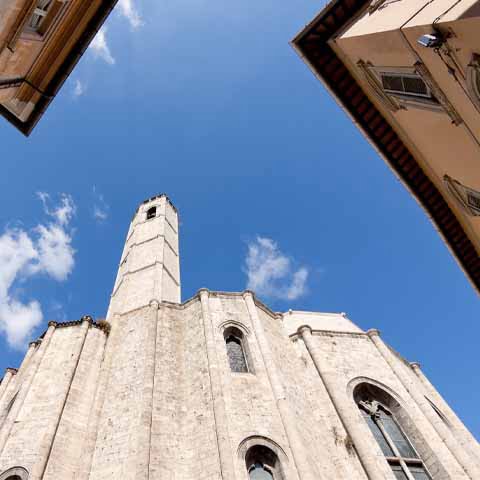
Piazza del Popolo is the city’s masterpiece, a travertine-paved rectangle enclosed by Renaissance porticoes, the battlemented Palazzo dei Capitani del Popolo, and the great church of San Francesco with its elegant Loggia dei Mercanti. Polished by five centuries of footsteps, the paving reflects the buildings like still water after rain, and the square has been called one of the most beautiful in Italy so often that the claim has become simple description.
Piazza Arringo, the city’s oldest square, is its spiritual and civic heart: the Cathedral of Sant’Emidio, whose chapel holds Carlo Crivelli’s radiant 1473 polyptych, the twelfth-century octagonal baptistery beside it, and the Palazzo dell’Arengo, home to one of the finest civic art collections in the Marche. The twin bronze fountains and the long facades make it the stateliest space in the city.
Beyond the squares lie the medieval quarters, laced with the narrow alleys Ascolani call rue, some barely a shoulder’s width across. The riverside districts toward Ponte di Solesta preserve tower houses, Romanesque churches, and workshops in a fabric that has scarcely changed since the thirteenth century, and wandering them without a fixed route is one of the city’s essential pleasures. Our private walking itineraries thread squares, lanes, and viewpoints in a sequence matched to the light.
Within the walls, Ascoli is a city for walking, and it is best experienced that way. The historic center is compact and largely level along the old Roman grid, the distances between the great squares are measured in minutes, and every detour rewards. Comfortable shoes on travertine paving are the only equipment the city asks of its visitors.
The countryside is another matter, and it is where our arrangements earn their keep. The Sibillini valleys, the hill villages, and the wine estates of the Ascoli hills are scattered across ridges and river valleys, so we arrange private drivers who know the panoramic roads, the viewpoints worth an unscheduled stop, and the cellars and farmhouses where a tasting becomes an afternoon. With a driver, mountain and wine country days unfold as pure pleasure rather than navigation.
Reaching Ascoli is straightforward when the logistics are designed well. The city connects to the Adriatic rail line at San Benedetto del Tronto, and Rome lies about three hours away across the Apennines on the route of the ancient Via Salaria. Every transfer in a Trips 2 Italy itinerary is arranged in advance and supported around the clock, from the moment you land in Italy to the morning you depart.
Ascoli rewards travelers who pair it thoughtfully. Within the Marche region it balances Urbino, the Renaissance court city to the north, and the Conero coast, while across the mountains lie Umbria and Rome itself, reached along the old Salaria corridor. Abruzzo’s national parks begin almost at the city’s doorstep, which makes Ascoli a natural hinge between central Italy’s art cities and its wildest landscapes.
The occasion shapes the composition. For couples, travertine squares by lamplight and private wine country evenings fold naturally into an Italian honeymoon that trades famous crowds for genuine romance. For travelers who plan around the table, the city of the oliva all’ascolana anchors a memorable chapter of a wine and culinary journey, and for those composing something larger it becomes a discovery inside a custom trip to Italy designed entirely from what you tell us.
This guide is one of five we have written on the city. Continue with our Ascoli Piceno culture guide, Ascoli Piceno history guide, Ascoli Piceno food and wine guide, and Ascoli Piceno things to do guide, or widen the lens with our Marche travel guide to see the region around the city.
Ascoli Piceno deserves more than a template. Since 2003, Trips 2 Italy has designed private Italian vacations one traveler at a time, hand selecting every experience based on what you tell us rather than fitting you into a predefined package. Our Italian-born team plans Ascoli Piceno with the knowledge of people who call Italy home, from the travertine elegance of Piazza del Popolo to the vineyards of the Ascoli hills, and we remain at your side throughout your trip with 24/7 assistance. Tell us how you imagine Ascoli Piceno, and we will craft the itinerary that matches it.
Discover the Marche countryside as hands-on cooking, local wines and charming villages create an authentic Italian culinary escape. Starting from $938 per person.
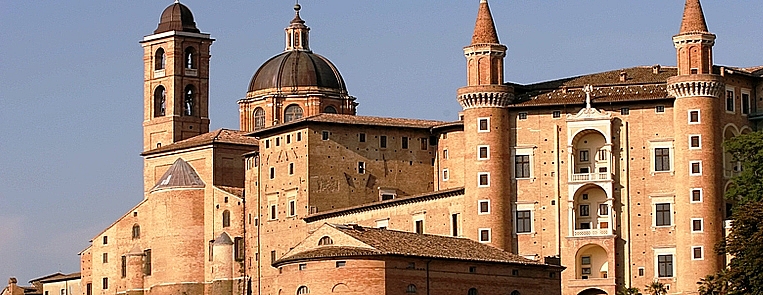
This short tour reach the most suggestive places of the Marche country-side and the flavors of the traditional local recipes.
Ascoli Piceno is celebrated for its historic center built almost entirely of travertine, for Piazza del Popolo, considered one of the most beautiful squares in Italy, for the stuffed fried olives called olive all’ascolana that were invented here, for the Quintana historical joust each summer, and for its medieval towers, Roman bridges, and the Crivelli polyptych in its cathedral.
Ascoli Piceno sits in the southern Marche region of central Italy, at the confluence of the Tronto and Castellano rivers, about twenty five kilometers inland from the Adriatic coast. The Sibillini Mountains rise to the west, the beaches of San Benedetto del Tronto lie half an hour east, and Rome is roughly three hours away across the Apennines.
Two full days cover the historic center at an unhurried pace, including both great squares, the cathedral, the Roman bridges, and the medieval quarters. Four days make Ascoli a superb base, adding the Sibillini Mountains, the lace town of Offida, the wine cellars of the Ascoli hills, and the Adriatic coast. Trips 2 Italy designs the length around your interests and your wider Italian route.
Late spring through early autumn is ideal. July and early August bring the Quintana joust and its processions, late June brings the famous wildflower bloom on the Sibillini plateaus, and September and October offer harvest season in the surrounding wine hills with golden light on the travertine. Winter rewards travelers seeking quiet museums and warming cafe rituals.
Ascoli offers what many travelers say they are searching for: an architecturally magnificent, genuinely lived-in Italian city where daily life still unfolds in the squares. Its travertine center, summer pageantry, celebrated cuisine, and mountain and coastal surroundings reward travelers who want authentic Italy, and Trips 2 Italy weaves it into itineraries precisely for that reason.
The city connects to Italy’s Adriatic rail corridor through San Benedetto del Tronto, and by road it lies about three hours from Rome along the route of the ancient Via Salaria. Trips 2 Italy arranges private transfers and drivers for every leg, so reaching Ascoli and exploring its countryside require no logistics on your part.