
Flavors of Marche Tour 2025 – 2026
Discover the Marche countryside as hands-on cooking, local wines and charming villages create an authentic Italian culinary escape. Starting from $938 per person.
HOME » POPULAR ITALIAN DESTINATIONS » ASCOLI PICENO TRAVEL GUIDE » ASCOLI PICENO FOOD AND WINE GUIDE
Ascoli Piceno Travel Guide Culture History Food and Wine Things to Do Plan My Trip
About this guide: This guide to the food and wine of Ascoli Piceno was written by the Italian-born travel specialists at Trips 2 Italy, a custom tour operator that has designed hand-crafted Italian vacations since 2003. Every recommendation below reflects the same first-hand knowledge our team draws on when we build a private Ascoli Piceno itinerary around a traveler’s interests, dates, and pace. Read it for your research, then let us translate it into a trip designed entirely around you.
Ascoli’s kitchen is written by its position between mountain and sea. From the Sibillini and the Laga foothills come lamb, pork, wild mushrooms, chestnuts, and truffles; from the Tronto valley come the vegetables, the celebrated olives, and the anise that flavors the city’s liqueur; and from the Adriatic, half an hour away, comes the seafood that fills the tables of the coast. It is the cuisine of the southern Marche region at its most generous.
The style is farmhouse abundance refined by centuries of town life. Ascoli was a prosperous provincial capital, and its cooking absorbed both the peasant genius for wasting nothing and the festive extravagance of a city that loves a procession: dishes are layered, stuffed, and above all fried, with a golden crust treated as a birthright. Nowhere else in Italy does frying carry such civic pride.
Eating here rewards guidance, because the best tables announce themselves quietly. Every culinary itinerary we design comes with the fluency the menus assume: which dishes belong to which season, what the fry shop’s paper cone should contain, and why the olive on your plate has a protected name. Our specialists plan these days from first espresso to final anisetta.
The market remains the honest index of the kitchen. Ascoli’s stalls fill with whatever the valley and the mountains are producing that week, from spring’s first vegetables to autumn’s mushrooms and chestnuts, and the city’s cooks build their menus from that daily inventory rather than from a fixed repertoire. Shopping it beside a local cook, tasting as you go, is the single best introduction to Piceno cooking we can arrange, and it makes every meal afterward legible.
Every region of Italy fries something, but only Ascoli turned an olive into a legend. The oliva all’ascolana begins with the Ascolana Tenera, a large, tender, fragrant green olive cultivated in these hills since antiquity and praised at Roman tables. In the nineteenth century, cooks serving the city’s noble households began stoning the olives in a spiral, filling them with a delicate blend of slow-cooked meats, then breading and frying them to a golden crisp.
The result is a two-bite masterpiece: the crunch of the crust, the buttery flesh of the olive, and the savory warmth of the stuffing arriving in sequence. The dish now carries an official protected designation tying it to the authentic olive and the traditional recipe, and in Ascoli it is everywhere, served hot at cafe counters, piled at family celebrations, and handed through fry shop windows in paper cones that perfume whole streets.
Tasting the original in its birthplace is a pilgrimage for Italian food lovers, and we make the experience complete: visits to the groves where the Ascolana Tenera grows, sessions with home cooks who teach the patient spiral cut and the stuffing their grandmothers used, and tastings that compare the true olive with its imitators. One afternoon in an Ascoli kitchen explains why this small dish carries such enormous pride.
The olive is the opening act of the fritto misto all’ascolana, the city’s grand fried platter: stuffed olives, cremini of fried custard whose sweetness plays against the savory, breaded lamb chops, and battered seasonal vegetables, served golden and abundant. It is festival food elevated to daily art, and a properly composed fritto misto is the benchmark by which Ascolani judge a kitchen.
Beyond the fryer, the table turns hearty. Chichi ripieno, the stuffed flatbread filled with tuna, capers, and peppers, is the city’s beloved street food; ciauscolo, the soft, spreadable cured salami of the Marche mountains, opens rustic meals; and pasta arrives as vincisgrassi, the region’s rich layered baked pasta, or hand-cut ribbons with lamb or wild boar sauce. Autumn brings mushrooms and chestnuts down from the Sibillini, along with truffles from the mountain woods.
The pastoral uplands supply pecorino cheeses aged from fresh to sharp, the coast contributes its brodetto fish stew for travelers who make the short trip east, and the sweets keep the anise theme: funghetti, the little anise-scented domes, and ring biscuits made for dipping. We compose tasting days that move from mountain cheese hut to city fry shop to coastal table, a vertical section through one province’s remarkable range.
Fine dining has taken root here as well, with kitchens that rework the Piceno pantry, the protected olive, the mountain lamb, the truffles, the anise, with contemporary technique while keeping the province’s soul intact. We reserve these tables where they suit an itinerary’s rhythm, balancing them against the trattorie and farmhouse kitchens, because the full portrait of Ascoli’s cuisine needs both its Sunday finery and its everyday apron.
Anisetta is Ascoli in a glass: clear, silky, and perfumed with the green anise that farmers have grown in the Tronto valley for centuries. Distillers in the city began refining the liqueur in the mid nineteenth century, and it became the signature of Ascoli’s cafe society, sipped neat as a digestivo, paired with pastry, or married to espresso in the ritual the locals treat as a small daily ceremony.
The tradition belongs to the city’s most elegant rooms. The historic cafes of Piazza del Popolo, with their Art Nouveau mirrors and marble counters, grew up around the anisetta hour, and to take a glass under the porticoes as the square turns gold at dusk is one of the essential Ascoli experiences, equal parts flavor and theater. Poets and film directors have sat at these tables; the scene has barely changed in a century.
We arrange tastings that trace the spirit from field to glass: the anise harvest in late summer, visits with the families who still distill according to guarded recipes, and guided comparisons of anisetta with Italy’s other anise spirits that turn an aperitif into a small education. It is the rare liqueur that carries an entire city’s identity, and it makes a fragrant finale to any culinary day.
The hills between Ascoli and the Adriatic are one of central Italy’s most rewarding and least trumpeted wine countries. The reds answer to Rosso Piceno, a polished blend of Montepulciano and Sangiovese whose finest expression, Rosso Piceno Superiore, comes by law only from the amphitheater of hills in this southern corner of the Marche: supple, dark-fruited wines built for the region’s lamb, cured meats, and fried abundance.
The whites are the modern glory. Pecorino, an ancient mountain grape rescued from near extinction in the 1980s, yields taut, mineral whites of surprising depth, and Passerina answers with a rounder, sunnier style; both reach their peak in the Offida DOCG zone half an hour from the city. Their revival turned this quiet corner into a destination for wine lovers who collect discoveries rather than labels.
The table completes the trilogy with oil. The same hills that grow the Ascolana Tenera for stuffing also press it and its neighbors into fragrant olive oils, and the Falerio DOC whites of the wider province join the local pours on casual tables. A tasting that sets the oils beside the wines, guided by the families who make both, reveals how completely this landscape feeds its city.
Tasting here still means meeting families. Estates are small, the winemaker usually pours, and visits unfold at the pace of conversation rather than tour groups. We arrange cellar afternoons with producers we know personally, from historic farmhouses among the vines to the cooperative towns like Offida where the region’s wine culture concentrates, always with a private driver so every glass can be enjoyed.
A wine day from Ascoli is as scenic as it is delicious. The vineyard hills roll between the Sibillini and the sea, stitched with olive groves and crowned by walled villages, and the classic circuit threads through Offida, whose lace-making tradition and dramatic clifftop church of Santa Maria della Rocca make it far more than a cellar stop. Few wine landscapes in Italy offer such variety within half an hour’s drive.
The rhythm we design is unhurried: a morning cellar visit and vineyard walk while the light is fresh, a long farmhouse lunch where the estate’s wines meet the province’s kitchen, then an afternoon village or a second tasting as appetite allows. Harvest weeks in September and October add the drama of the vendemmia, and spring dresses the rows in green against the still snowy Sibillini.
Because the estates are family scaled, access depends on relationships, and ours have been built over two decades of planning journeys through the Marche. We match producers to your palate, arrange tables at the farmhouses that cook for their own vineyards, and sequence the day so it ends under the porticoes of Piazza del Popolo with an anisetta as the lamps come on. Wine country here is not a product; it is a neighborhood, and we introduce you properly.
A Trips 2 Italy culinary itinerary begins with how you love food, not with a fixed program. For hands-on travelers we arrange market mornings and farmhouse cooking sessions where the olive all’ascolana is stuffed, breaded, and fried under a patient local eye; for hunters of flavor, truffle mornings in the mountain woods and cheese tastings in shepherd country; for wine lovers, cellar days composed around Pecorino, Passerina, and Rosso Piceno Superiore.
The calendar is our co-author. Late summer brings the anise harvest and festival season, autumn the vendemmia, new oil, mushrooms, and truffles, winter the long braises and the quiet cafes, spring the first vegetables that make the fritto misto sing. We time each journey so the table reflects exactly what the hills are producing during your stay.
Every arrangement draws on relationships our Italian-born team has cultivated across the region since 2003: the groves, the distilling families, the fry shops, the winemakers. We weave Ascoli into a complete wine and culinary journey through Italy or design it as a deep single-province immersion, always hand selected from what you tell us. Tell us how you imagine eating in the Piceno, and we will build the days around the table.
Ascoli Piceno deserves more than a template. Since 2003, Trips 2 Italy has designed private Italian vacations one traveler at a time, hand selecting every experience based on what you tell us rather than fitting you into a predefined package. Our Italian-born team plans Ascoli Piceno with the knowledge of people who call Italy home, from the travertine elegance of Piazza del Popolo to the vineyards of the Ascoli hills, and we remain at your side throughout your trip with 24/7 assistance. Tell us how you imagine Ascoli Piceno, and we will craft the itinerary that matches it.
Discover the Marche countryside as hands-on cooking, local wines and charming villages create an authentic Italian culinary escape. Starting from $938 per person.
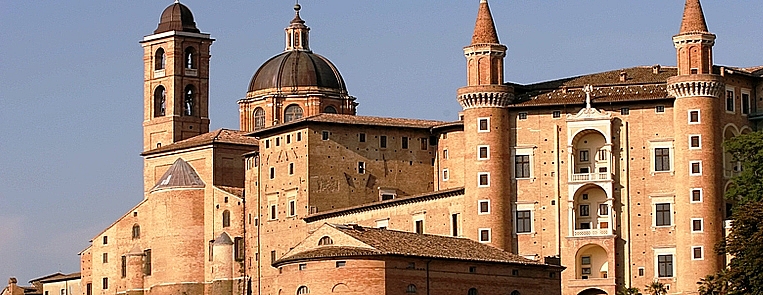
This short tour reach the most suggestive places of the Marche country-side and the flavors of the traditional local recipes.
Ascoli Piceno is the birthplace of the olive all’ascolana, the stuffed, breaded, and fried olive made from the local Ascolana Tenera variety, and of the fritto misto all’ascolana that surrounds it with fried custard cremini, lamb, and vegetables. The city is also known for chichi ripieno stuffed flatbread, ciauscolo spreadable salami, mountain cheeses and truffles, and its anisetta liqueur.
It is a large, tender green olive of the protected Ascolana Tenera variety, stoned in a spiral cut, stuffed with a delicate blend of slow-cooked meats, then breaded and fried until golden. Invented in Ascoli’s kitchens in the nineteenth century, it carries an official protected designation, and tasting the original in its home city is a pilgrimage for Italian food lovers.
Pour the local trinity: Rosso Piceno Superiore, the Montepulciano and Sangiovese blend from the hills around the city, and the white Pecorino and Passerina grapes, which reach their finest expression in the nearby Offida DOCG zone. Trips 2 Italy arranges tastings with family producers where the winemaker pours and the visit unfolds at the pace of conversation.
Anisetta is Ascoli’s anise liqueur, distilled since the mid nineteenth century from green anise grown in the Tronto valley. It is sipped neat as a digestivo, paired with local anise sweets, or combined with espresso in the classic cafe ritual, ideally under the porticoes of Piazza del Popolo in one of the city’s historic Art Nouveau cafe rooms.
Yes, and the stuffed olive is the star of the syllabus. Trips 2 Italy arranges private sessions with local cooks who teach the spiral cut, the traditional meat stuffing, and the frying that makes the olive all’ascolana sing, usually built around a market morning and finishing as a long lunch. Classes are private, personal, and rooted in real family cooking.
September and October are magnificent, combining the grape harvest in the Ascoli hills with mushrooms, chestnuts, and truffles from the Sibillini woods, while late June through August adds festival tables and the anise harvest. Each season rewrites the menu, and we design culinary itineraries around exactly what the province is producing during your dates.