

Milan Rome and Perugia Cultural Travel Package
Discover vibrant Milan, the rolling hills of Umbria, and timeless Rome, where art, history, and culinary delights come together to create unforgettable memories for every traveler. Starting from $6,862
HOME » POPULAR ITALIAN DESTINATIONS » ORVIETO TRAVEL GUIDE » ORVIETO FOOD AND WINE GUIDE
Orvieto Travel Guide Culture History Food and Wine Things to Do Plan My Trip
About this guide: This guide to the food and wine of Orvieto was written by the Italian-born travel specialists at Trips 2 Italy, a custom tour operator that has designed hand-crafted Italian vacations since 2003. Every recommendation below reflects the same first-hand knowledge our team draws on when we build a private Orvieto itinerary around a traveler’s interests, dates, and pace. Read it for your research, then let us translate it into a trip designed entirely around you.
The kitchen of Orvieto is the kitchen of southern Umbria: landlocked, seasonal, and profoundly honest. This is cucina povera raised to quiet mastery, built on olive oil from the slopes around the rock, hand-rolled pastas of flour and water, game and farmyard birds from the oak country, cured pork in the great Umbrian tradition, and the black truffles that perfume the region’s tables through the cold months.
What sets Orvieto apart at the table is the constant presence of its wine. This has been white wine country since the Etruscans pressed grapes into the caves beneath the city, and the local cooking evolved alongside the golden wine of the rock: river fish from the lakes and the Tiber, chicken and rabbit in wine-scented sauces, and dishes built to open a meal that will unfold slowly, glass by glass.
Simplicity here is a discipline, not a limitation. Dishes rarely carry more than a handful of ingredients, which means every ingredient must be excellent, and the market on Piazza del Popolo shows where the excellence comes from: vegetables from the valley gardens, pecorino from the hills, porchetta carved from the whole roast, and oil so fresh it bites the back of the throat.
The settings complete the flavor. Meals in Orvieto are taken in vaulted medieval rooms, in cellars carved from the living tufa, and on terraces with the valley falling away below, so that the landscape you admired all morning reappears, transformed, at lunch. Our culinary itineraries are designed so that every meal reveals another face of the town.
Umbrichelli, known in nearby towns as umbricelli or strangozzi, are the signature pasta of the Orvieto table: thick, irregular strands rolled by hand from nothing more than flour and water, chewy and satisfying, made without egg in the frugal tradition of the Umbrian countryside. The name is a local wink at their resemblance to fat earthworms, and no one in Orvieto has ever considered that a reason not to eat them.
The dressings are a catalog of the region. The simplest is all’arrabbiata style, with tomato, garlic, and a firm hand of chili; richer tables send them out with wild boar ragu simmered in local red wine, with sausage and wild asparagus in spring, or under a snowfall of shaved black truffle in winter. Because the strands are rolled thick, they carry robust sauces the way finer pastas cannot.
Umbrichelli also make the best cooking lesson in town. We arrange hands-on sessions in farm kitchens and cave cellars where a local cook shows how the dough is worked and rolled beneath the palms, and where the reward is a long lunch of your own pasta with the estate’s wine. It is a humble dish, it is beloved, and travelers remember it long after grander meals have faded.
Begin with the town’s oldest tradition: pigeon. For centuries Orvietans raised pigeons in dovecotes carved into the caves and cliff faces, rows of nesting niches that visitors still see on every underground tour, and the bird remains the pride of the local kitchen. Roasted with sage, rosemary, and olives, or braised slowly in wine in the old style, piccione alla leccarda with its dark, bread-thickened sauce is the dish locals name first when asked what to order.
The wider repertoire honors the farmyard and the woods: gallina ubriaca, the drunken hen simmered in local wine; wild boar in rich ragu or braised with juniper; porchetta carved at the market; grilled lamb from the hill pastures; and game through the autumn. Lentils from the Umbrian mountains simmer beside sausage in winter, and spring brings wild asparagus and fava beans down from the countryside.
The cured meats deserve their own chapter, for Umbria’s norcineria tradition raised pork butchery to an art, and a board of prosciutto, capocollo, and wild boar salame with warm bread and new oil is the customary opening of any serious meal on the rock. Pecorino in every stage of age, river fish from Lake Bolsena, and bruschetta baptized in the year’s pressing complete the table.
When we design an Orvieto culinary itinerary, we sequence these discoveries deliberately across trattoria tables, farm kitchens, market stalls, and cellar dinners, so the repertoire unfolds course by course. Fine dining has its place as well, with contemporary Umbrian kitchens reinterpreting pigeon and truffle beautifully, and we reserve the rooms suited to each evening, grand or humble, always with the vaulted ceiling or the valley view that makes the meal complete.
Orvieto is one of the oldest names in Italian white wine. The Etruscans made wine here and fermented it in caves cut into the tufa; medieval popes and Renaissance painters praised the golden wine of the rock, and Luca Signorelli famously negotiated wine as part of his payment for frescoing the San Brizio chapel. When Italy codified its wine laws, Orvieto was among the early denominations, and the DOC today covers the volcanic hills spreading from the cliff toward Lake Bolsena.
The wine is built chiefly on Grechetto and Trebbiano Procanico, grown on soils of volcanic ash and clay that give it structure, minerality, and a gentle almond finish. The heartland vineyards around the rock itself carry the Classico designation, and the modern styles run from bright, dry secco, the everyday glass of the town, through the softer abboccato that carries the tradition of the old sweeter wines.
The denomination’s rarest treasure is its muffa nobile: in misty autumns along the Paglia valley, noble rot concentrates late-harvest grapes into golden dessert wines of honey and apricot, a style produced by a handful of dedicated estates and served proudly with the town’s almond sweets and aged cheeses. Tasting a well-aged noble-rot Orvieto in the cellar where it was born is one of Umbrian wine’s quiet revelations.
We compose wine days with a private driver and estates chosen through long relationship, from historic houses in the Classico hills to small family cellars, so that every glass can be enjoyed and every visit ends at a table. The person pouring is very often the person who made the wine, which is exactly the scale at which Umbrian wine shows best.
Wine and rock are inseparable in Orvieto. The same soft volcanic tufa that let the Etruscans cut wells and tombs lets winemakers cut cellars, and beneath the town and the surrounding hills run galleries where the temperature holds cool and constant the year round, natural conditions for fermenting and aging wine that have been used continuously for some twenty-five centuries.
Several of the caves beneath the historic center still show the equipment of this long history: fermentation basins cut into the rock, niches for amphorae, medieval presses, and channels for must, layered beside the dovecotes and olive mills of the underground city. Tasting Orvieto Classico in one of these spaces, with the marks of Etruscan tools still visible in the walls overhead, collapses the distance between the wine in your glass and the civilization that first made it.
Estates in the countryside carry the tradition forward, aging their best bottlings in tufa galleries beneath the vineyards, and several open their caves to visitors by arrangement. We build these cellar visits into our culinary itineraries with tastings hosted by the families themselves, often paired with a lunch of umbrichelli and pigeon in the vaulted rooms above, an afternoon that joins the town’s geology, history, and table in a single experience no other Italian wine town can quite duplicate.
Orvieto’s bakeries keep the Umbrian sweet tooth honest. Tozzetti, the region’s hazelnut and almond biscuits, arrive with a glass of sweet wine for dipping at the end of any proper meal; ciambelline al vino, ring cookies kneaded with wine and dusted with sugar, fill the shop windows; and autumn brings ciaramicola’s cousins and mosto-sweetened harvest bakes as the vendemmia fills the valley below the rock.
The town’s most curious specialty is savory: lumachelle orvietane, snail-shaped rolls rich with pecorino and pancetta, baked small for the aperitivo hour or large for a market breakfast. Christmas brings panpepato, the dense medieval cake of nuts, honey, pepper, and spice that carries the old spice roads in every slice, and Corpus Christi week fills the pastry cases with feast-day baking in June.
Around the sweets stand the rituals. The morning espresso taken standing, the market circuit on Piazza del Popolo, the aperitivo as the facade catches the last light, and the long Sunday lunch that no one hurries: Orvieto was a founding city of the slow food inspired Cittaslow movement, and its table keeps that faith daily. Meals are events here, not intermissions.
The agricultural calendar completes the picture: the grape harvest through September and October, the olive mills running in November when we arrange frantoio visits and new-oil tastings, truffles down from the woods through winter, and the sagre of the surrounding villages celebrating a single beloved ingredient through summer and autumn. Time an Orvieto stay to the season and the season itself becomes the menu.
A Trips 2 Italy culinary itinerary begins with how you love food, never with a fixed program. For hands-on travelers we arrange market mornings and farmhouse cooking sessions where umbrichelli and the season’s sauces are the curriculum and lunch is the reward. For hunters of rarity we arrange truffle hunts with a trifolau and his dogs in the oak woods, timed to the black winter truffle at its peak, followed by a truffle-focused lunch.
For wine lovers we compose estate days across the Classico hills, with cave-cellar tastings and vertical flights hosted by the families themselves, and for travelers who simply want to eat wonderfully we sequence trattorias, markets, and cellar dinners so each meal reveals a different face of the town. Because our team is Italian-born and has worked these hills since 2003, the doors that open are the real ones: family kitchens, working farms, and producers who rarely receive visitors.
Every culinary journey is composed around your dates and the agricultural calendar, from spring’s wild asparagus to the vendemmia to November’s new oil, as part of our wine tasting and food tours in Italy. Tell us how you imagine eating in Orvieto, and we will build the days around the table.
Orvieto deserves more than a template. Since 2003, Trips 2 Italy has designed private Italian vacations one traveler at a time, hand selecting every experience based on what you tell us rather than fitting you into a predefined package. Our Italian-born team plans Orvieto with the knowledge of people who call Italy home, from the golden facade of the Duomo to the wine cellars carved deep into the volcanic tufa, and we remain at your side throughout your trip with 24/7 assistance. Tell us how you imagine Orvieto, and we will craft the itinerary that matches it.
Discover vibrant Milan, the rolling hills of Umbria, and timeless Rome, where art, history, and culinary delights come together to create unforgettable memories for every traveler. Starting from $6,862
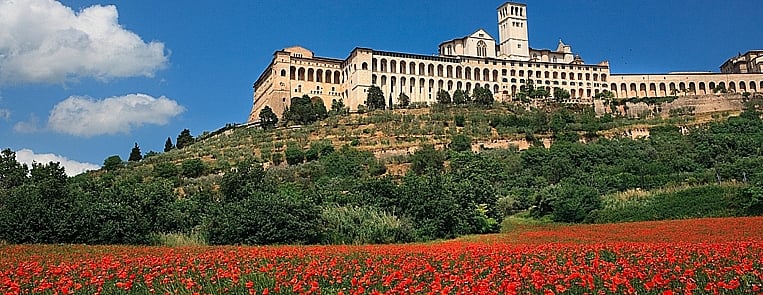
Enjoy the charming Umbria, from the Medieval and Majestic Orvieto to the peaceful Assisi. See the places where St. Francis of Assisi lived.
Orvieto is known for umbrichelli, the hand-rolled flour and water pasta served with wild boar ragu or black truffle, for its centuries-old pigeon dishes such as piccione alla leccarda, for gallina ubriaca simmered in local wine, and for Umbrian staples of porchetta, cured meats, pecorino, lentils, and celebrated olive oil, all shopped daily at the market on Piazza del Popolo.
Orvieto Classico is the historic white wine grown on the volcanic hills in the original heartland around the rock, built chiefly on Grechetto and Trebbiano Procanico. Styles run from bright dry secco through softer abboccato to rare late-harvest muffa nobile dessert wines shaped by noble rot. The Etruscans made wine here first, and the DOC remains one of Italy’s most recognized white wine names.
Yes, and it is one of the town’s defining experiences. Cellars carved into the volcanic tufa beneath the town and the surrounding estates hold cool, constant temperatures year round, and several producers host tastings in galleries their predecessors have used for centuries. Trips 2 Italy arranges private cave-cellar visits hosted by the winemaking families themselves, often paired with lunch.
For centuries Orvietans raised pigeons in dovecotes carved into the caves and cliff faces of the rock, and underground tours still pass walls of nesting niches. The bird remains the pride of the local kitchen, roasted with herbs and olives or braised in the old style as piccione alla leccarda, and tasting it in a vaulted medieval room is a quintessential Orvieto meal.
The grape harvest runs through September and October across the Classico hills, followed by the olive harvest from late October through November, when the mills press the year’s new oil and the tables fill with bruschetta. It is a wonderful season to visit: we arrange estate visits, frantoio tastings, and harvest lunches among the vines with the town glowing on its cliff above.
Yes. We arrange hands-on sessions in farm kitchens and cave cellars where local cooks teach umbrichelli rolled by hand, seasonal sauces, and the region’s home dishes, always ending in a long lunch with the estate’s wines. Market mornings, truffle hunts with a trifolau and his dogs, and cellar dinners can be woven into the same culinary itinerary, composed entirely around your dates and appetites.