Lake Maggiore Food and Wine Guide

HOME » POPULAR ITALIAN DESTINATIONS » LAKE MAGGIORE TRAVEL GUIDE » LAKE MAGGIORE FOOD AND WINE GUIDE

Lake Maggiore Travel Guide        Culture        History        Food and Wine        Things to Do        Plan My Trip

About this guide: This guide to the food and wine of Lake Maggiore was written by the Italian-born travel specialists at Trips 2 Italy, a custom tour operator that has designed hand-crafted Italian vacations since 2003. Every recommendation below reflects the same first-hand knowledge our team draws on when we build a private Lake Maggiore itinerary around a traveler’s interests, dates, and pace. Read it for your research, then let us translate it into a trip designed entirely around you.

What Defines the Cuisine of Lake Maggiore?

Lake Maggiore’s kitchen is written where water meets mountain. The lake itself supplies delicate freshwater fish, the Alpine valleys behind the shore send down butter, cheeses, chestnuts, and game, and the rice plains just to the south provide the grain for the risottos that anchor the local table. It is a cuisine of gentle flavors and precise sourcing, closer in spirit to the north’s refinement than to the boldness of the Mediterranean coast.

The lake’s position within Piedmont shapes everything on the plate. The region that produces white truffles, Nebbiolo wines, celebrated cheeses, and some of Italy’s most disciplined cooking lies directly behind the western shore, and its traditions flow naturally onto lakeside menus alongside the day’s catch.

History seasoned the table as well. The belle epoque brought international hotel kitchens and their polished service to the waterfront, and that inheritance survives in the lake’s easy command of both registers: a fisherman’s lunch of grilled lavarello at noon, a candlelit tasting menu above the water by night. Few destinations move between rustic and refined so gracefully.

Eating well here rewards a little fluency, and we provide it. Every culinary itinerary we design comes with guidance on what to order where and why: which villages take their fish most seriously, which trattorie honor the old lake recipes, and how to read a menu where the proudest dish is often the simplest line on the page.

Which Lake Fish Dishes Should You Try?

The lake’s signature is its fish, and the preparations are deliberately gentle. Lavarello, the fine whitefish of the deep water, arrives grilled with butter and sage or baked with local herbs. Perch is the aristocrat of the tradition: filleted, lightly floured, cooked in butter, and laid over risotto, a dish that belongs to the lakes of the north the way seafood pasta belongs to the coasts.

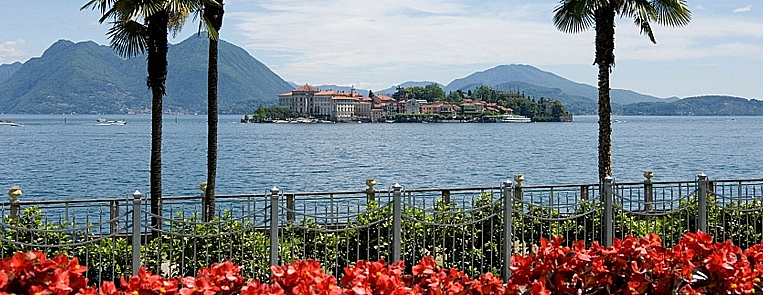
Beyond those two pillars, the repertoire runs to lake trout and char from the colder waters, pike worked into delicate preparations, and traditions of preserving the catch in carpione, a gentle vinegar marinade that predates refrigeration and still appears on honest lakeside tables. On Isola dei Pescatori, fishing families have cooked the day’s catch for visitors for generations, and a long fish lunch on the island remains one of the lake’s essential experiences.

Freshwater fish asks for a lighter hand than the sea’s, and the lake’s cooks have refined that touch over centuries: butter rather than oil, sage and lemon rather than strong sauces, and cooking measured in moments. Travelers accustomed to coastal Italian menus discover a different register here, subtle, clean, and quietly persuasive, and many leave counting a simple plate of grilled lake fish among the best things they ate in Italy.

The finest versions follow the water. We arrange island lunches timed to quiet hours, tables at family-run rooms in the villages where the fish comes off the boats that morning, and tasting menus where the lake’s catch meets contemporary technique. Fish this delicate rewards a kitchen that respects it, and knowing those kitchens is our work.

What Piedmont Classics Reach the Lake's Tables?

Behind the fish runs the deep repertoire of Piedmont. Agnolotti, the region’s little stuffed pasta, appears with roast meat fillings and butter, risottos arrive golden with saffron or laced with local cheese, and autumn brings braises built on Nebbiolo wine alongside polenta from the valley mills. When white truffle season opens in the hills to the south, its perfume reaches the lake’s finer tables as well.

The cheeses deserve their own pilgrimage. The Ossola valleys and Alpine pastures above the lake produce mountain cheeses of real character, gorgonzola’s historic homeland lies just south around Novara, and a lakeside cheese course drawn from within a day’s drive can rival any in Italy. Chestnuts, honey, and mountain butter complete the highland pantry.

The rice deserves special mention, because the plains of Novara and Vercelli just south of the lake grow the carnaroli and other fine varieties that define risotto across Italy. Eating risotto here means eating it at the source, and the local repertoire runs from the perch-crowned lake version to preparations built on local wine, cheese, and the season’s vegetables.

This double identity, lake and mountain, fish and Piedmont abundance, is what makes eating here so rewarding. A single day can move from a waterfront fish lunch to an Alpine cheese tasting to a truffle dinner, and we compose culinary days exactly that way, each course in the landscape that produced it.

What Are the Market and Cafe Rituals of the Lake?

Market day still structures the week in the lake towns. Stalls fill the waterfront squares with vegetables from the microclimate gardens, mountain cheeses, lake fish, flowers, and the roving vendors who have worked the same circuit for decades. The weekly markets of the shore towns are as much social institutions as shopping, and walking one with a local cook is the fastest education in the region’s kitchen.

The cafe ritual runs on belle epoque time. Morning espresso at a waterfront bar, a slow afternoon pastry watching the ferries, and the aperitivo hour as the islands catch the evening light: the lake’s cafes were built for lingering, and the tradition survives beautifully. Stresa’s historic pasticcerie still bake the margheritine, the delicate butter biscuits created in the nineteenth century for a visiting princess of the House of Savoy.

The most celebrated market of all spreads along the Cannobio waterfront each Sunday morning, a tradition centuries old that draws visitors from across the lake and over the Swiss border for its food stalls, flowers, and general good humor. Timed well, it makes the perfect opening act for a day exploring the upper lake.

We build these rituals into itineraries deliberately, because they are where the lake’s daily culture is most accessible: a market morning that becomes a cooking session, an aperitivo timed to the best light on the water, a pastry stop chosen for the recipe it has guarded for a century.

Which Wines Belong on a Lake Maggiore Table?

The lake drinks from the hills of Alto Piemonte, one of Italy’s most compelling wine territories. Here Nebbiolo, the great grape of the region, takes on an Alpine elegance in the historic appellations south and west of the lake: Gattinara and Ghemme lead the family, joined by Boca, Bramaterra, and the wines of the Ossola valleys, all marked by mountain freshness and fine perfume.

The celebrated Langhe country of Barolo and Barbaresco lies a comfortable drive to the south, close enough that a dedicated wine day or an overnight among the vineyards folds naturally into a lake itinerary. Between the two territories, a traveler can taste Nebbiolo in all its voices, from the granite slopes near the mountains to the marl hills of the Langhe.

Alto Piemonte carries a particular romance for wine lovers, because these hills were among Italy’s most celebrated vineyards a century ago, and a new generation of growers is restoring terraced sites the old maps remember. Tasting here means meeting a territory in revival, often with the winemaker pouring, and the wines pair with lake fish with an ease that seems almost planned by geography.

We arrange tastings with producers we know personally, from historic cellars in Gattinara to small family estates rediscovering forgotten vineyards, always with a private driver so every glass can be enjoyed. Paired with the lake’s fish and the mountain cheeses, these wines complete a table that belongs entirely to its landscape.

What Sweets and Dining Rituals Complete the Experience?

The lake’s sweet tooth is refined rather than rich. Margheritine di Stresa lead the tradition, joined by chestnut cakes from the valleys, hazelnut pastries that borrow from Piedmont’s great nut, and the fugascina, the simple crumbly cake of Mergozzo baked for village feasts. Hot chocolate in the Piedmont style, thick and serious, warms the cafes in the cooler months.

Dining on the lake keeps its own courtesies. Lunch is unhurried, dinner begins with the light still on the water, and the finest meals unfold at the pace of the ferries crossing outside the window. Fine dining flourishes here as a concept the lake wears naturally: rooms overlooking the islands where lake fish meets contemporary craft, and wine lists that read like a map of Piedmont.

The aperitivo deserves its own ceremony on this shore. As the light lowers and the islands turn to silhouettes, the waterfront cafes fill for the ritual glass, often a vermouth in homage to Piedmont’s great tradition or a spritz against the sunset, accompanied by small plates that arrive unbidden. It is the lake’s daily theater, and the best seats cost nothing more than arriving at the right hour.

The rule the lake teaches is that setting is an ingredient. The same perch risotto tastes different on a fisherman’s island at noon and on a terrace at dusk, and composing those settings, meal by meal across a trip, is one of the pleasures of our work.

How Do We Craft Culinary Journeys Around Lake Maggiore?

A Trips 2 Italy culinary itinerary begins with how you love food, not with a fixed list of activities. For some travelers that means hands-on: a market morning in a lake town with a local cook, then a class in a real kitchen where the morning’s basket becomes lunch. For others it means the table itself, a progression of fish lunches, cheese tastings, and wine evenings composed across the days.

Because our team is Italian-born and has worked this region since 2003, the settings are authentic rather than staged: island kitchens that have fed travelers for generations, Alpine dairies, family cellars in Gattinara, and, in season, the truffle country to the south. The lake also pairs naturally with a deeper journey into Piedmont’s food landscape, and we design the two as one composition.

Every culinary journey is built around your dates and the season’s calendar, from spring vegetables to autumn truffles and the harvest in the Nebbiolo hills, as part of our wine tasting and food tours in Italy. Tell us how you imagine eating on Lake Maggiore, and we will build the days around the table.

Ready to Begin Planning Your Lake Maggiore Vacation?

Lake Maggiore deserves more than a template. Since 2003, Trips 2 Italy has designed private Italian vacations one traveler at a time, hand selecting every experience based on what you tell us rather than fitting you into a predefined package. Our Italian-born team plans Lake Maggiore with the knowledge of people who call Italy home, from the terraced gardens of the Borromean Islands to the belle epoque promenade of Stresa, and we remain at your side throughout your trip with 24/7 assistance. Tell us how you imagine Lake Maggiore, and we will craft the itinerary that matches it.

Explore Our Lake Maggiore Vacation Itineraries

Frequently Asked Questions About Food and Wine on Lake Maggiore

The lake is known for its freshwater fish, above all perch served over risotto and delicate lavarello with butter and sage, alongside the Piedmont classics that reach its tables: agnolotti pasta, golden risottos from the nearby rice plains, mountain cheeses, chestnuts, and, in autumn, white truffles from the hills to the south. Stresa adds its own sweet signature, the margheritine butter biscuits.

It is the signature dish of the northern lakes: butter-cooked perch fillets laid over a golden risotto, delicate and precise, best eaten within sight of the water that produced it. The versions served on Isola dei Pescatori and in the honest kitchens of the shore villages are among the finest anywhere.

Look to Alto Piemonte, the Nebbiolo territory south and west of the lake: Gattinara, Ghemme, Boca, and Bramaterra offer Alpine elegance, while the Langhe hills of Barolo and Barbaresco lie within reach for a dedicated wine day. Trips 2 Italy arranges tastings with producers we know personally, with a private driver so every glass can be enjoyed.

Yes, and we make the setting the point: a market morning in a lake town with a local cook, followed by a hands-on session in a genuine kitchen where the basket you assembled becomes lunch. Trips 2 Italy arranges private classes rooted in the lake and mountain repertoire rather than a staged classroom.

In autumn, yes. The white truffle country of Piedmont lies within comfortable reach of the lake, and we arrange truffle hunts with a trifolau and his dog followed by truffle-focused lunches, folded into a lake itinerary as a day or overnight excursion during the season.

The island’s fishing families have cooked the day’s catch for visitors for generations, and a long fish lunch there is one of the lake’s essential experiences. We reserve tables at the rooms that honor the old recipes and time the visit so the island is at its calmest.