Palermo Travel Guide

HOME » POPULAR ITALIAN DESTINATIONS » PALERMO TRAVEL GUIDE

Palermo Travel Guide        Culture        History        Food and Wine        Things to Do        Plan My Trip

About this guide: This Palermo travel guide was written by the Italian-born travel specialists at Trips 2 Italy, a custom tour operator that has designed hand-crafted Italian vacations since 2003. Every recommendation below reflects the same first-hand knowledge our team draws on when we build a private Palermo itinerary around a traveler’s interests, dates, and pace. Read it for your research, then let us translate it into a trip designed entirely around you.

What Makes Palermo Unlike Any Other Italian City?

Palermo is Italy at its most layered. Founded by the Phoenicians, ruled in turn by Carthage, Rome, Byzantium, the Arab emirs, and the Norman kings, the capital of the Sicily region wears all of those centuries at once: golden Byzantine mosaics above Arab honeycomb ceilings, baroque oratories a few lanes from souk-like markets, and a street food tradition with a thousand years of history behind it.

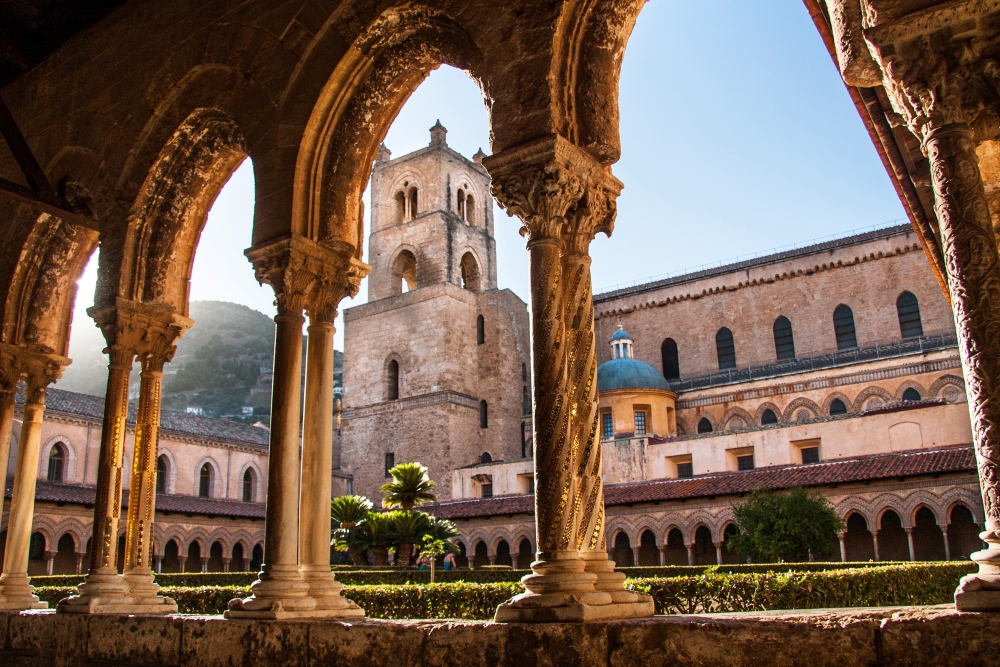
No other European city preserves anything quite like the Arab-Norman monuments that earned Palermo its UNESCO World Heritage inscription. The Palatine Chapel, the cathedral, and the nearby cathedral of Monreale represent a moment in the twelfth century when Latin, Byzantine, and Islamic craftsmen worked side by side for the same kings, and the result still has no parallel anywhere in the Mediterranean.

Yet Palermo’s genius is that its treasures live inside a working city rather than a museum district. The markets of Ballaro and the Capo still roar with the vendors’ sung calls, the evening passeggiata still fills the marble crossroads of the Quattro Canti, and the opera season at the Teatro Massimo still dresses the city in its finest. Palermo rewards travelers who want Italy with its sleeves rolled up.

Our specialists have planned Palermo for art lovers, food travelers, families, and couples for more than two decades. Use this guide to shape your thinking, then let us shape the trip: every Palermo itinerary we design is composed from what you tell us, hand selected experience by experience, never assembled from a predefined package.

What Is the Geography and Climate of Palermo?

Palermo curves around a wide bay on Sicily’s northwestern coast, framed by a ring of mountains and watched over by Monte Pellegrino, the great limestone headland that Goethe called the most beautiful promontory in the world. Behind the city spreads the Conca d’Oro, the Golden Basin, the citrus plain whose orange and lemon groves perfumed Palermo’s wealth for a thousand years.

The historic center is one of the largest in Europe, a dense weave of lanes, courtyards, and piazzas laid out along two great baroque streets, the Cassaro and Via Maqueda, that cross at the Quattro Canti. The sea is never far: the old harbor of La Cala anchors one end of the center, and the beach town of Mondello lies just beyond Monte Pellegrino, fifteen minutes from the cathedral.

The climate is generously Mediterranean. Winters are mild and green, with roses blooming in January and comfortable sightseeing weather through the coolest months. Spring and autumn bring long warm days ideal for markets, mosaics, and coastal excursions, while summer is hot, bright, and lived outdoors, from morning granita to midnight conversation in the piazza. Palermo is a true year-round destination, and we plan itineraries in every season with confidence.

When Is the Best Time of Year to Visit Palermo?

Spring and autumn are the connoisseur’s seasons. From March through May the city enjoys warm light without summer heat, the Conca d’Oro blooms, and the markets fill with artichokes, wild fennel, and the first of the year’s produce. September and October answer with warm seas at Mondello, the grape harvest in the surrounding wine country, and golden late-afternoon light on the Arab-Norman stone.

July belongs to Santa Rosalia. The Festino, held each year around July 14 and 15, is one of the great religious festivals of the Mediterranean, when a monumental triumphal cart carries the city’s patron saint from the Royal Palace to the sea amid fireworks, music, and hundreds of thousands of Palermitans. Experiencing it well requires planning, and it is a spectacle our travelers remember for the rest of their lives.

Winter is Palermo’s quiet privilege: mosaics contemplated in near solitude, opera and concert season at the Teatro Massimo, mild days for market mornings, and the pastry shops at their most theatrical between Christmas and Carnival. February even brings almond blossom to the countryside, the Mediterranean’s first announcement of spring.

Swimmers should note that Mondello’s season runs long, with the sea warm enough for most travelers from late May well into October. When we plan a Palermo itinerary, your dates become an instrument, and we align each day with what the city does best in that season, from festival nights to the quiet hours in the golden chapels.

How Many Days Should I Spend in Palermo?

Three full days is the sensible minimum. One day belongs to the Arab-Norman core, from the Palatine Chapel and the Royal Palace to the cathedral and the churches of the Martorana and San Cataldo. A second day pairs a morning market walk and street food with the baroque oratories and the galleries. The third day is Monreale’s mosaics with an afternoon at Mondello or on Monte Pellegrino.

A fourth and fifth day repay themselves generously: an excursion to the Norman cathedral of Cefalu along the coast, the solitary Doric temple at Segesta, the medieval mountain town of Erice, or simply more time to let the historic center reveal its courtyards, workshops, and smaller churches at walking pace.

The right pace matters as much as the number of days. Palermo is a city of textures rather than checklists, and travelers who leave room for the unplanned hour, a courtyard concert, a pastry shop discovery, a conversation across a market stall, consistently report the richest visits. We build that breathing room into every itinerary deliberately.

Palermo also anchors western Sicily beautifully, and many of our travelers base themselves in the city before continuing to the island’s south and east. Because every Trips 2 Italy itinerary is built by hand, we weigh your interests and the rest of your Sicilian journey, then give Palermo the space it deserves rather than the space a standard package allows.

Which Neighborhoods Define the Historic Center of Palermo?

The old city divides into four historic quarters, the mandamenti, that meet at the Quattro Canti. The Kalsa, whose name comes from the Arabic al-Khalisa, was the fortified seat of the emirs and is now the quarter of palaces and galleries, home to Palazzo Abatellis and a generation of restored courtyards, studios, and gardens running down to the sea.

The Albergheria holds Ballaro, the oldest of the city’s markets, trading on the same ground for roughly a thousand years, with the Royal Palace and the Palatine Chapel on its western edge. The Capo quarter wraps its own market lanes behind the Teatro Massimo, while the Loggia, the old merchant quarter around the harbor, keeps the Vucciria market and the finest of the Serpotta oratories.

Beyond the four historic quarters stretches the elegant nineteenth-century city: Via Liberta’s tree-lined avenue, the Politeama and Massimo theaters anchoring their grand squares, and the Liberty-style villas of the Belle Epoque. The English Garden and the promenade of the Foro Italico add green and sea air to a city that knows how to stroll.

Each quarter has its own character, and where you stay shapes the trip: a palace apartment in the Kalsa, a grand hotel near the Politeama, or a quiet courtyard behind the cathedral each produce a different Palermo. Matching the base to the traveler is one of the first decisions we make together, because in this city the walk home at night is part of the itinerary.

How Do You Get Around Palermo?

The historic center is best experienced on foot. The great monuments stand within a walkable square mile along the Cassaro and Via Maqueda, and the lanes between them are where Palermo actually happens: market stalls, ballatoi balconies, street shrines, and the sudden baroque facade at the end of an alley. We design walking days with expert guides who read this city fluently, paced for unhurried travelers.

For everything beyond the center, we arrange private drivers. Falcone Borsellino airport lies about thirty-five minutes west of the city, and a private transfer turns arrival day into a gentle introduction along the coast. Monreale sits in the hills a short drive above the city, Mondello just beyond Monte Pellegrino, and Cefalu, Segesta, and the wine country all within easy day-trip range by car.

A practical note on rhythm: the old city is at its most vivid in the morning and again in the evening, while the early afternoon rewards a long lunch, a museum interior, or a rest in the shade like a local. We pace walking days around that Mediterranean logic, so travelers meet Palermo when it is performing rather than napping.

Every transfer in a Trips 2 Italy itinerary is arranged in advance and supported around the clock, from the moment you land in Sicily to the morning you depart. Palermo’s energy is part of its charm, and thoughtful logistics are what let our travelers enjoy that energy rather than manage it.

How Do We Weave Palermo Into a Complete Sicilian Itinerary?

Palermo is the natural gateway to western Sicily and the ideal opening chapter of a full Sicilian journey. From the capital, itineraries flow naturally to Cefalu’s Norman cathedral, the temples of Segesta and Agrigento, the salt pans of Trapani, and on to the island’s east: Taormina beneath Mount Etna, the baroque cities of the southeast, and Siracusa. We sequence the island so each day builds on the last.

The occasion shapes the composition. For travelers who plan around the table, Palermo’s markets and street food open an Italian culinary journey like nowhere else in the country. For a romantic escape, we balance the city’s grandeur with coastal evenings as part of an Italian honeymoon. And for those composing something larger, Palermo becomes a movement in a custom trip to Italy that may pair Sicily with Rome, the Amalfi Coast, or the north.

This guide is one of five we have written on the city. Continue with our Palermo culture guide, Palermo history guide, Palermo food and wine guide, and Palermo things to do guide, or widen the lens with our Sicily travel guide to see the island around the capital.

Ready to Begin Planning Your Palermo Vacation?

Palermo deserves more than a template. Since 2003, Trips 2 Italy has designed private Italian vacations one traveler at a time, hand selecting every experience based on what you tell us rather than fitting you into a predefined package. Our Italian-born team plans Palermo with the knowledge of people who call Italy home, from the golden mosaics of the Palatine Chapel to the market lanes of Ballaro and the curve of the beach at Mondello, and we remain at your side throughout your trip with 24/7 assistance. Tell us how you imagine Palermo, and we will craft the itinerary that matches it.

Explore Our Palermo Vacation Itineraries

Frequently Asked Questions About Traveling to Palermo

Spring and autumn offer warm light, comfortable temperatures, and the markets at their best, while July brings the spectacular Festino di Santa Rosalia and winter offers mild weather, quiet mosaics, and the opera season at the Teatro Massimo. Palermo rewards every season, and the specialists at Trips 2 Italy align your dates with what the city does best in that season.

Three full days covers the essentials: the Arab-Norman monuments, a market morning with street food, the baroque oratories, and an excursion to Monreale with time at Mondello. A fourth or fifth day opens Cefalu, Segesta, and Erice. Because we build every itinerary by hand, the right length depends on your interests and the rest of your Sicilian journey.

Palermo anchors western Sicily beautifully, with Monreale, Mondello, Cefalu, Segesta, and the Trapani coast all within easy reach, and it pairs naturally with the island’s east in a complete Sicilian itinerary. Trips 2 Italy designs the full sequence, with private drivers and every transfer arranged in advance.

The Arab-Norman monuments inscribed by UNESCO, above all the Palatine Chapel and the cathedral of Monreale, the historic street markets of Ballaro, the Capo, and the Vucciria, one of the world’s great street food traditions, the Teatro Massimo opera house, and the beach at Mondello beneath Monte Pellegrino.

Not within the city, where the historic center is best explored on foot. For Monreale, Mondello, and day trips along the coast, we arrange private drivers who know the roads and the timing, so every excursion unfolds without navigation or parking concerns and every arrival is timed well.

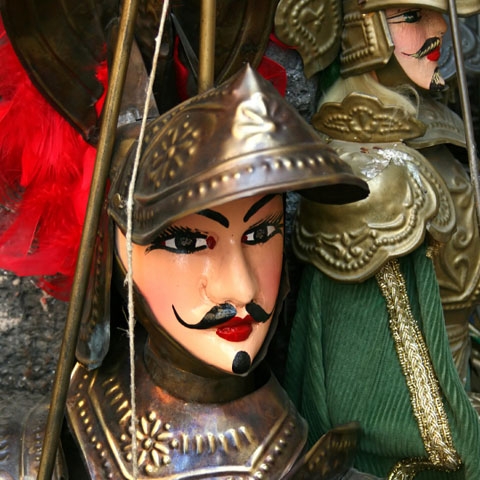
Very much so. Puppet theaters, street food tastings, beach afternoons at Mondello, golden mosaics that hold a child’s attention like storybooks, and short walking distances make the city rewarding for every generation. We compose family itineraries so history and art arrive as adventure rather than obligation.