
Italian Peninsula and Sicily 17 Day Escorted Tour | Vacation Packages for 2025 – 2026
Explore Rome, Florence, Venice and Sicily as art, history and breathtaking landscapes create the ultimate Italian journey. Starting from $6,404 per person.
HOME » POPULAR ITALIAN DESTINATIONS » PADOVA TRAVEL GUIDE » PADOVA FOOD AND WINE GUIDE
Padova Travel Guide Culture History Food and Wine Things to Do Plan My Trip
About this guide: This guide to the food and wine of Padova was written by the Italian-born travel specialists at Trips 2 Italy, a custom tour operator that has designed hand-crafted Italian vacations since 2003. Every recommendation below reflects the same first-hand knowledge our team draws on when we build a private Padova itinerary around a traveler’s interests, dates, and pace. Read it for your research, then let us translate it into a trip designed entirely around you.
Cucina padovana is the cooking of a rich agricultural plain that has fed a market city for eight centuries. Its foundations are the farmyard and the field: celebrated poultry raised on the surrounding farmland, thick hand-drawn pasta, rice from the low country, beans and greens from the market gardens, and the polenta that anchors the whole Veneto table. It is generous, seasonal cooking, refined over centuries of feeding students, pilgrims, and merchants alike.
The city’s position shaped its flavors. Padova sits at the heart of the Veneto, close enough to Venice to have absorbed its spice trade and its love of sweet and sour, yet firmly rooted in the mainland’s farms, so the table balances lagoon influence with the produce, poultry, and game of the plain and the hills. The Euganean Hills to the southwest add olive oil, honey, cherries, and wine from volcanic soils.
Eating well here rewards a little fluency, and we provide it. The menus of the Veneto are a dialect: what the kitchen is proud of is seasonal, local, and often the least adorned line on the page. Every culinary itinerary we design comes with guidance on what to order where and why, so that the city’s true table, not a tourist’s version of it, is the one you meet.
Begin with bigoli, the thick, rough-surfaced whole wheat noodle drawn through a hand press called a bigolaro, built to carry the city’s signature sauce: a slow ragu of duck, ragu d’anatra, that belongs to Padova the way carbonara belongs to Rome. The city’s poultry pride runs deeper still, for the gallina padovana, the crested hen raised here for centuries, stars in elegant boiled and roasted preparations, and duck, goose, and guinea fowl fill out the farmyard repertoire.
The seasons bring their own icons. Spring means risotto with the wild hops shoots called bruscandoli and the prized white asparagus of nearby Bassano folded with eggs; winter means bollito misto with its sauces, hearty soups of beans and radicchio, and the bitter crimson radicchio of the Veneto grilled or stirred into risotto. Baccala alla vicentina and other creamed salt cod dishes cross freely from the neighboring provinces, and polenta arrives beside nearly everything.
The cheese board tells the same story of place. Grana Padano, born on this plain and aged into crystalline sweetness, heads the table, joined by Asiago from the mountain plateau to the north and fresh farm cheeses from the Euganean slopes, with the hills’ own honey and quince preserves alongside. Prosciutto from Montagnana, cured at the edge of the province, holds its own beside Italy’s more famous hams.
This is farmhouse cooking raised to civic pride, and it is best met in the old osterie under the arcades, where the wine is local, the portions are honest, and the menu changes with the market twenty steps away. We match travelers to the tables that fit each evening, from convivial wine bars to refined dining rooms reinterpreting the padovano repertoire with contemporary craft.
It beats under the Palazzo della Ragione. Every morning except Sunday, Piazza delle Erbe and Piazza della Frutta fill with stalls of fruit, vegetables, flowers, and herbs on either side of the great medieval hall, a market that has met on this exact spot since the Middle Ages. It is one of Italy’s most authentic daily markets, run for Padovans rather than visitors, and it remains the single best introduction to what the region actually eats.
The ground floor of the palazzo itself holds the covered market corridors known as the Sotto il Salone, where butchers, cheesemongers, bakers, salumerie, and wine merchants have traded for centuries. Here are the crested hens and the duck for the ragu, wheels of Grana Padano born on this plain, mountain cheeses from the Dolomite foothills, prosciutto from the Euganean slopes of Montagnana, and the horse and donkey salumi that mark the old padovano taste.
A market morning here, walked with a local cook who shops these stalls daily, is among the most rewarding food experiences we arrange in the Veneto. It ends properly at a bar counter with a mid-morning espresso or a first small glass, the basket full, and the day’s menu written by the season. Anyone can visit a market; being introduced to one is a different pleasure entirely.
The spritz began as an Austrian habit in the nineteenth century Veneto, when imperial soldiers and clerks asked for local wine lightened with a spray of water. The Veneto’s cities each evolved the ritual in their own direction, and Padova gave the modern version its defining ingredient: the bitter orange aperitif created here in 1919 by two brothers whose family name now travels on the drink around the world.
In its home city the spritz is not a cocktail but a civic institution. As the workday closes, the squares around the Palazzo della Ragione and the university fill with students, professors, and professionals holding the orange glass, plates of small snacks moving between them, and the conversation running until dinner. Watching Piazza delle Erbe turn from market to aperitivo over a single day is watching the city’s whole social metabolism.
We build the aperitivo hour into Padova itineraries deliberately, matched to each traveler: a classic counter under the arcades, a table with a view of the palazzo as the light turns, or a private introduction to the wider family of Veneto aperitifs and the small plates, cicchetti among them, that accompany them. It is the easiest ritual in Italy to join and one of the most telling.
Padova’s wine country is volcanic. The Euganean Hills, rising green and conical from the plain southwest of the city, carry the Colli Euganei DOC on mineral-rich soils that give the wines a character unlike anywhere else in the Veneto. Reds built on Merlot and the Cabernets have thrived here since the nineteenth century, joined by distinctive whites from Garganega, Moscato, and the local Serprino, the hills’ own lightly sparkling answer to Prosecco.
The summit of the appellation is golden: Fior d’Arancio, the orange-blossom Moscato Giallo of the hills, holds DOCG rank in sparkling, still, and luscious dried-grape versions, and it makes one of Italy’s most charming pairings with the region’s almond sweets. The hills are also olive oil and honey country, and their vineyard lanes wind between hermitages, castles, and Petrarch’s own village of Arqua Petrarca.
The hills wear their volcanic origins openly. Vineyards climb the slopes of ancient cones, dry stone terraces hold olives above the vines, and the soils shift from marl to trachyte within a single estate, which is why neighboring wines can taste so distinct. Growers here often farm small parcels their families have held for generations, and the conversation in the cellar is as memorable as what is poured.
A wine day here is intimate rather than industrial: family estates receive visitors by arrangement, tastings happen at the family table or on terraces facing the vineyards, and lunch stretches under the pergola. The wider Veneto adds Prosecco’s hills, Soave, and Valpolicella within day-trip reach, and with a private driver every tasting can be enjoyed while the hill roads become scenery. These visits run on relationships, and ours have been built over two decades.
Padova’s sweet tooth is scholarly and ancient. The city’s signature cake, the pazientina, layers almond paste, sponge soaked in liqueur, and zabaione cream into a confection once reserved for the nobility, and the dolce del Santo, an almond-filled pastry sold around the basilica, feeds pilgrims as it has for generations. Zaletti, the cornmeal and raisin biscuits of the Veneto, arrive with dessert wine, and autumn brings chestnut sweets and the honeyed jujube fruits of Arqua Petrarca.
The cafe completes the picture. Padova’s cafe culture, crowned by the neoclassical rooms of the historic Caffe Pedrocchi at the city’s heart, has fueled students and revolutionaries alike since the nineteenth century, and the local mint-laced coffee tradition born in those rooms is still served with ceremony. Espresso at the counter, a pastry mid-morning, and a leisurely cup after the market remain fixed points of the Padovan day.
Around these rituals runs the Veneto’s dining rhythm: the long Sunday lunch, the aperitivo hour, dessert wine with biscuits rather than heavy courses, and the conviction that a meal is a conversation with a beginning, middle, and end. Fine dining flourishes here too, from refined rooms in the historic center to estate tables in the hills, and we reserve the settings suited to each evening of an itinerary.
A Trips 2 Italy culinary itinerary begins with how you love food, not with a fixed menu of activities. For some travelers that means hands-on: a market morning under the Palazzo della Ragione with a cook who shops it daily, then a class in a real kitchen where bigoli are drawn through the press and the morning’s basket becomes lunch. For others it means the cellar road, tasting through the volcanic wines of the Euganean Hills with the families who make them.
Because our team is Italian-born and has worked these cities since 2003, the settings are authentic rather than staged: the covered market stalls Padovans actually trust, osterie where the duck ragu has simmered the same way for decades, estate tables in the hills, and the aperitivo counters where the spritz was born. We sequence the days so city markets, hill vineyards, and long lunches complement rather than repeat one another.
Every culinary journey is composed around your dates and the season’s calendar, from spring asparagus and bruscandoli to the vendemmia and the olive harvest in the hills, as part of our wine tasting and food tours in Italy. Padova pairs beautifully with Venice and Verona in a wider Veneto table, and we compose the whole journey from what you tell us. Tell us how you imagine eating in Padova, and we will build the days around the table.
Padova deserves more than a template. Since 2003, Trips 2 Italy has designed private Italian vacations one traveler at a time, hand selecting every experience based on what you tell us rather than fitting you into a predefined package. Our Italian-born team plans Padova with the knowledge of people who call Italy home, from Giotto’s frescoed chapel to the thermal hills beyond the city walls, and we remain at your side throughout your trip with 24/7 assistance. Tell us how you imagine Padova, and we will craft the itinerary that matches it.
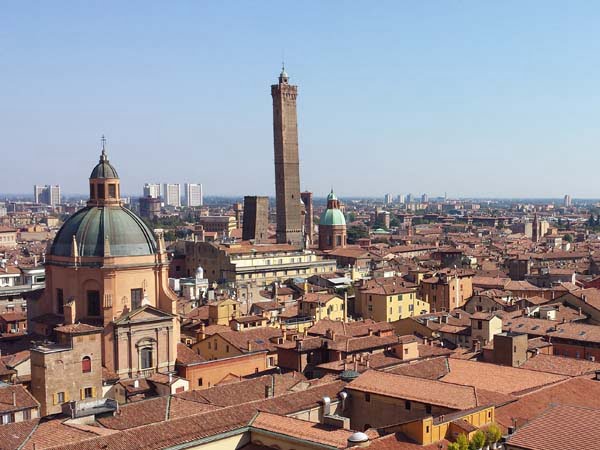
Explore Rome, Florence, Venice and Sicily as art, history and breathtaking landscapes create the ultimate Italian journey. Starting from $6,404 per person.
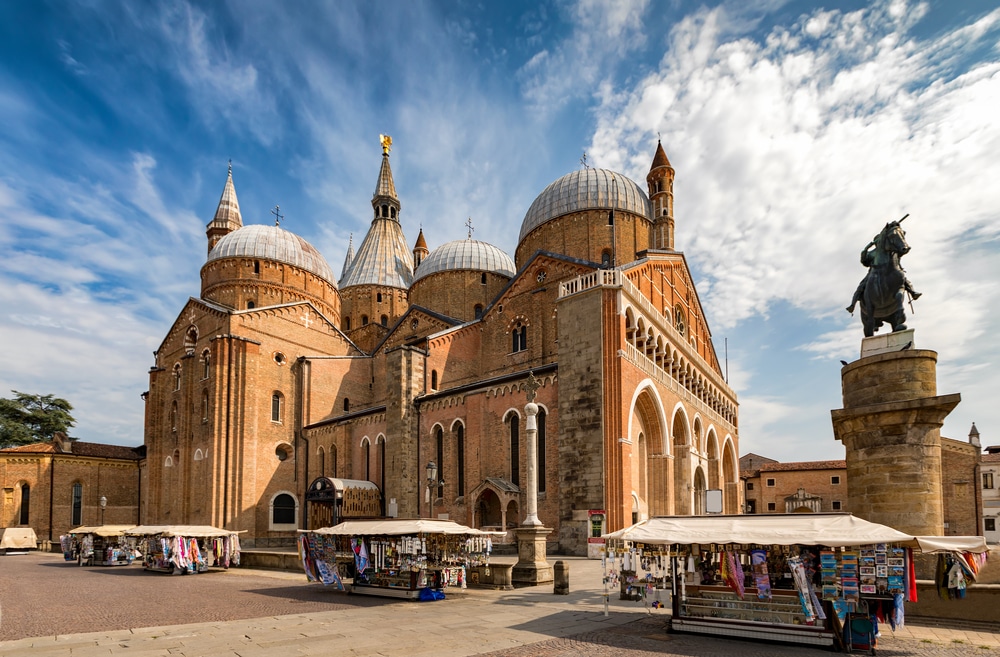
Experience Florence, Padua and Venice as art, canals and timeless beauty welcome you to Italy’s most enchanting cities. Starting from $1080 per person.
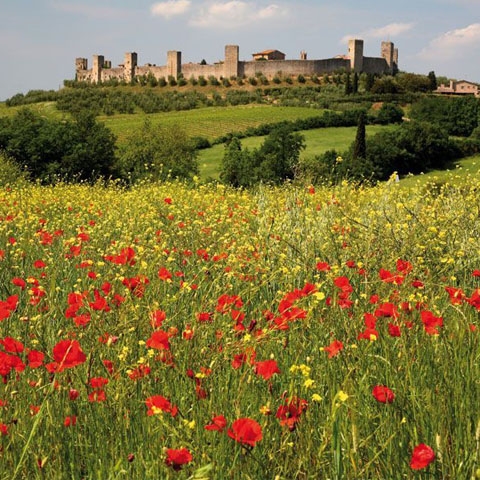
Experience Rome, Florence, Venice and Tuscany as art, history and rolling landscapes create the ultimate Italian journey. Starting from $898 per person.
Padova is celebrated for bigoli pasta with duck ragu, the crested gallina padovana hen, risotto with wild hops shoots in spring, grilled Veneto radicchio, polenta, and sweets like the layered pazientina cake and the almond dolce del Santo. The daily markets around the Palazzo della Ragione remain the heart of the city’s table.
Bigoli is the Veneto’s signature pasta: a thick, rough-surfaced noodle traditionally drawn through a hand press called a bigolaro, whose texture is built to hold slow sauces. In Padova it classically carries a rich duck ragu, and we arrange hands-on classes where travelers draw the pasta themselves before sitting down to the result.
The spritz ritual was born across the Habsburg-era Veneto, when Austrian soldiers lightened local wine with a spray of water, and Padova created its defining modern ingredient: the bitter orange aperitif launched here in 1919. The evening spritz in Piazza delle Erbe and Piazza della Frutta remains the city’s great social ritual.
The volcanic Euganean Hills produce the Colli Euganei DOC: structured reds from Merlot and the Cabernets, whites from Garganega and Moscato, the gently sparkling Serprino, and the golden Fior d’Arancio DOCG from orange-blossom Moscato. Trips 2 Italy arranges private tastings with family estates in the hills, with a driver so every glass can be enjoyed.
It is among the most authentic daily markets in Italy. Piazza delle Erbe and Piazza della Frutta have traded every morning for centuries beneath the Palazzo della Ragione, whose ground floor corridors, the Sotto il Salone, hold historic butchers, cheesemongers, and wine merchants. A guided market morning with a local cook is one of the best food experiences we arrange in the Veneto.
Yes. We arrange market mornings followed by hands-on sessions in authentic kitchens, where travelers learn bigoli, seasonal risotto, and the sweets of the padovano repertoire, as well as estate lunches and tastings in the Euganean Hills. Each experience is private, composed around your dates, and rooted in real Veneto home cooking rather than a staged classroom.