
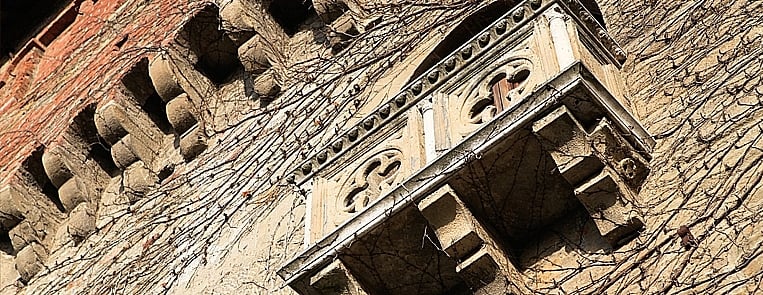
Tagliolo Castle with Wine Tasting
For the ultimate taste of Italy, this 6-hour tour offers the chance to explore Tagliolo Castle and enjoy an Italian wine tasting with some of the area’s finest vintages
HOME » POPULAR ITALIAN DESTINATIONS » CASALE MONFERRATO TRAVEL GUIDE » CASALE MONFERRATO FOOD AND WINE GUIDE
Casale Monferrato Travel Guide Culture History Food and Wine Things to Do Plan My Trip
About this guide: This guide to the food and wine of Casale Monferrato was written by the Italian-born travel specialists at Trips 2 Italy, a custom tour operator that has designed hand-crafted Italian vacations since 2003. Every recommendation below reflects the same first-hand knowledge our team draws on when we build a private Casale Monferrato itinerary around a traveler’s interests, dates, and pace. Read it for your research, then let us translate it into a trip designed entirely around you.
The table of Casale Monferrato is the table of eastern Piedmont at its most authentic: a farm cuisine refined by a court city, built on the meeting of three landscapes. From the Monferrato hills come wine, hazelnuts, orchard fruit, and the white truffle; from the Po plain to the north come the rice of Vercelli and river traditions; and from the city’s own history as a capital comes a pastry and cafe culture out of proportion to its size.
This is cooking that has never needed to perform for visitors, which is exactly its virtue. The osterie of Casale and the villages around it serve the Monferrato canon because their regulars would accept nothing else: hand-pinched agnolotti, carne cruda dressed with local oil, rabbit and guinea fowl braised in Barbera, fritto misto alla piemontese on celebration days, and bagna cauda when the weather turns, the great communal rite of warm anchovy and garlic sauce with the last vegetables of the garden.
What travelers notice first is the seriousness. Meals in the Monferrato unfold in unhurried courses, wine is discussed with the gravity other regions reserve for politics, and the year is measured in harvests: cherries and herbs in spring, peaches and vegetables through summer, grapes, truffles, and mushrooms in the golden months, cardoons and braises in the fog season. Eating here is a calendar, and we design culinary days in Casale to land on exactly the right page of it.
Every Italian pastry lover knows the shape: a golden, ridged, gently curved biscuit, rich with butter, eggs, and vanilla. The krumiri were born in Casale Monferrato in 1878, created by the pastry maker Domenico Rossi, and tradition holds that their distinctive bend honors the upswept moustache of King Victor Emmanuel II, who had died that year. From a small-city confection they rose to national fame, collecting honors from the royal house itself.
The recipe remains deliberately simple and jealously guarded in its details: fine flour, butter, eggs, sugar, and vanilla, piped through a ridged nozzle and baked to a deep gold. The result is a biscuit that shatters cleanly, perfumed and substantial, made for dipping into caffe latte at breakfast, into sweet zabaglione in the afternoon, or into a glass of the local moscato or malvasia after dinner.
In Casale the krumiri are not a souvenir but a daily ritual, and the historic pastry rooms of the center still bake them in the traditional way. We arrange visits that take travelers behind the counter to watch the dough piped and baked by hand, followed by a guided tasting that sets the krumiri among Piedmont’s great pastry tradition of hazelnut cakes, amaretti, and bunet. It is a small experience that travelers remember with disproportionate fondness, which is the Monferrato in miniature.
Begin with agnolotti, the supreme pasta of Piedmont, little envelopes filled with roasted meats and herbs, served with butter and sage or the roasting juices themselves. In the Monferrato they share the table with tajarin, thin golden egg noodles that exist to carry shaved truffle, and with risotto in every seasonal variation, for the rice paddies of the Po plain begin at the city’s edge and Casale cooks rice with a confidence born of proximity.
The main courses are a lesson in patient cooking. Brasato al Barbera braises beef slowly in the local wine, rabbit alla monferrina simmers with herbs and peppers, and the grand fritto misto alla piemontese, a festival of crisp sweet and savory morsels, still appears at family celebrations. The salumi board is led by muletta, the Monferrato’s own soft-textured cured salame, joined by robust local cheeses from the hills and the nearby mountain valleys.
Autumn crowns everything with the white truffle. The woods of the Monferrato yield the same prized Tuber magnatum celebrated around Alba, and the truffle fairs of the hill towns near Casale, led by historic market centers like Moncalvo and Murisengo, draw connoisseurs who prefer their truffle hunting without crowds. A truffle lunch in a village osteria, the perfume rising as the shavings fall over hand-cut tajarin, is among the great eating experiences of northern Italy.
Rice deserves its own word at the Casale table. With the paddies of the Vercellese beginning just across the Po, the local risotto tradition runs deep and seasonal: with Barbera and sausage in the cold months, with herbs and vegetables in spring, with truffle shaved over a pale golden mantecatura in autumn. Panissa, the hearty rice and bean dish of the rice country, crosses the river onto Monferrato menus as well, a reminder that Casale eats from two landscapes at once.
Barbera is Piedmont’s most beloved everyday great wine, and the Monferrato is its homeland. The hills around Casale grow Barbera del Monferrato in every register, from vivid, faintly frothing versions made for the osteria table to structured superiore bottlings aged into serious depth, and the vineyard landscape that produces them is part of the UNESCO World Heritage inscription that recognizes this as one of the world’s great wine cultures.
The local pride, though, is Grignolino del Monferrato Casalese, a pale, perfumed, gently tannic red that Italians call an anarchist of a grape: demanding to grow, impossible to imitate, and utterly local to these hills. Around it gathers a court of distinctive neighbors, from the aromatic red Ruche of Castagnole Monferrato to the sweet, rose-scented Malvasia di Casorzo, along with Freisa, Cortese, and the region’s fine traditional-method sparkling wines from the high Monferrato.
Tasting here is personal in a way large wine regions cannot match. Estates are family-run, the winemaker usually pours, and appointments matter, which is where our arrangements earn their keep. We compose Barbera country days around your palate: a morning cellar visit and vineyard walk, a long lunch on a panoramic terrace, an afternoon tasting in a village enoteca, each element hand selected rather than drawn from a standard circuit.
Beneath the houses of the Monferrato Casalese hides an underground architecture found nowhere else on earth. The infernot are small cellar chambers carved entirely by hand into the Pietra da Cantoni, the compact pale sandstone of these hills, dug by farming families over winters of patient labor through the eighteenth, nineteenth, and early twentieth centuries. They have no light and no ventilation, hold a naturally perfect temperature, and were created for a single purpose: to cradle the family’s most precious bottles.
What lifts them from cellars to art is the carving. Many infernot are sculpted with astonishing care, with vaulted ceilings, spiral stairs, carved tables, bottle niches shaped to the centimeter, and decorative flourishes that turn storage rooms into stone chapels of wine. UNESCO recognized them in 2014 as a core component of the Vineyard Landscape of Piedmont, and the villages of Cella Monte, Rosignano Monferrato, Sala, Vignale, Camagna, and Fubine preserve superb examples, interpreted by the ecomuseum of the Pietra da Cantoni.
Most infernot remain private, beneath family homes, which makes visiting them a matter of relationships rather than tickets. We arrange visits with the owners themselves, often ending with a tasting of the estate’s Barbera or Grignolino beside bottles laid down generations ago, and travelers consistently rank the experience with Italy’s great cultural encounters. It is wine culture at its most intimate: a room carved by hand, underground, purely for the love of what the hills produce.
Our Monferrato days are built by hand around the table. We arrange private tastings at family estates in the Barbera and Grignolino hills, vineyard walks timed to the season, harvest experiences in the golden weeks of autumn, and truffle hunts in the Monferrato woods with a trifolau and his dog, followed by lunches where the morning’s finds arrive over tajarin.
In the city, we compose market mornings with a local cook, krumiri and pastry experiences behind historic counters, and aperitivo evenings that trace Piedmont’s vermouth and wine bar culture through Casale’s palaces and porticoes. Cooking classes in farmhouse kitchens teach the gestures of agnolotti and bagna cauda, and for celebrations we arrange private dinners in memorable settings, from castle halls to panoramic terraces above the vineyards.
Because the Monferrato remains a region of families rather than corporations, access depends on relationships our Italian-born team has cultivated since 2003. Every element is hand selected from what you tell us about your tastes, and the result can anchor an entire Italian food and wine journey or form the countryside chapter of a broader itinerary. Either way, you will eat and drink as a guest of the Monferrato, not as a customer of it.
Beyond the krumiri, the sweet tradition runs deep. Bunet, the dense chocolate and amaretto custard of Piedmont, closes meals across the Monferrato, hazelnut cake appears wherever the tonda gentile hazelnut grows, and autumn brings chestnut sweets and pears baked in Barbera. The historic cafes of the center serve these with the unhurried ceremony of a region that considers the pause as important as the pastry.
The aperitivo is Casale’s daily theater. Piedmont invented vermouth, and the early evening hour fills the piazzas with glasses of it, alongside Grignolino by the glass and the gentle sparkle of the high Monferrato’s classic-method wines, accompanied by little plates of salumi, cheese, and savory pastries. Joining the ritual under the porticoes, as the passeggiata flows past, is the fastest way to feel like a temporary citizen of the city.
Fine dining has also found the Monferrato. A new generation of chefs works the region’s ingredients, from paddy rice to hill truffles, into tasting menus served in restored palaces and panoramic dining rooms, and wine lists here treat Barbera and Grignolino with scholarly devotion. We reserve these tables as part of our culinary itineraries, balancing starred ambition with the osterie where the canon lives, so that a Casale food journey holds both the tradition and its future.
Casale Monferrato deserves more than a template. Since 2003, Trips 2 Italy has designed private Italian vacations one traveler at a time, hand selecting every experience based on what you tell us rather than fitting you into a predefined package. Our Italian-born team plans Casale Monferrato with the knowledge of people who call Italy home, from the Romanesque narthex of Sant’Evasio to the infernot cellars carved beneath the Monferrato hills, and we remain at your side throughout your trip with 24/7 assistance. Tell us how you imagine Casale Monferrato, and we will craft the itinerary that matches it.
For the ultimate taste of Italy, this 6-hour tour offers the chance to explore Tagliolo Castle and enjoy an Italian wine tasting with some of the area’s finest vintages
Rich architecture and history, fine gastronomy and wine, and splendid landscapes are all part of this mini tour off the beaten path in the Piedmont and Val d’Aosta regions.
Casale is the home of krumiri, the curved golden biscuits created in 1878, and its table leads with agnolotti, tajarin with white truffle, risotto from the nearby Vercelli rice country, brasato al Barbera, fritto misto alla piemontese, bagna cauda, and the local muletta salame, finished with bunet and hazelnut sweets.
Barbera del Monferrato leads, from lively everyday bottlings to structured superiore wines, joined by the pale and proudly local Grignolino del Monferrato Casalese, aromatic Ruche from nearby Castagnole Monferrato, sweet Malvasia di Casorzo, Freisa, and fine traditional-method sparkling wines. The vineyard landscape itself carries UNESCO World Heritage recognition.
Yes, and it is the region’s signature wine experience: hand-carved underground cellar chambers in the pale Pietra da Cantoni stone, recognized by UNESCO, hidden beneath village houses at Cella Monte, Rosignano, Vignale, and their neighbors. Because most are private, Trips 2 Italy arranges visits directly with the owning families, usually paired with a tasting of the estate’s wines.
The Monferrato woods yield the same prized white truffle celebrated around Alba, and the hill towns near Casale, including Moncalvo and Murisengo, hold historic truffle fairs each autumn. Trips 2 Italy arranges private truffle hunts with a trifolau and his dog, followed by lunches where the morning’s finds are shaved over hand-cut pasta.
Krumiri are Casale Monferrato’s signature biscuits, created in 1878 and curved, by tradition, in homage to King Victor Emmanuel II’s moustache. Rich with butter, eggs, and vanilla, they are baked in the historic pastry rooms of the city center and eaten dipped in coffee, zabaglione, or sweet wine; a visit behind the counter makes a delightful morning.
Exceptionally so, and with a calm the famous wine regions cannot offer. Family estates pour Barbera and Grignolino for you personally, infernot visits add a dimension found nowhere else in the world, and the UNESCO hills deliver panoramic tasting days without a single tour bus. It rewards travelers who want wine country as a way of life rather than an attraction.