
Positano Culture Guide

HOME » POPULAR ITALIAN DESTINATIONS » POSITANO TRAVEL GUIDE » POSITANO CULTURE GUIDE

Positano Travel Guide        Culture        History        Food and Wine        Things to Do        Plan My Trip

About this guide: This guide to the culture of Positano was written by the Italian-born travel specialists at Trips 2 Italy, a custom tour operator that has designed hand-crafted Italian vacations since 2003. Every recommendation below reflects the same first-hand knowledge our team draws on when we build a private Positano itinerary around a traveler’s interests, dates, and pace. Read it for your research, then let us translate it into a trip designed entirely around you, woven into the wider Campania travel guide we maintain for the region.

What Defines Positano's Cultural Character?

Positano rises from the Tyrrhenian Sea in tiers of pastel houses, terraced lemon groves, and narrow stepped lanes, and that vertical geography shaped a culture built around closeness, light, and improvisation. Space is precious on a cliff, so daily life folds inward: kitchens open onto tiny terraces, chapels tuck into rock faces, and neighbors share stairways as freely as streets. That intimacy carries through everything visitors sense here, from the pace of conversation to the way a private guide can walk you from one family workshop to the next in minutes. It is a compact culture with an outsized identity, and it sits at the heart of the wider Campania travel guide we maintain for travelers exploring this stretch of southern Italy.

Centuries of trade along this coastline layered in Greek, Roman, Byzantine, and Arab-Norman influences, visible today in the town’s color palette, its domed churches, and its taste for citrus and ceramics brought by seafaring contact with North Africa and the eastern Mediterranean. Positano absorbed these currents without losing its own identity, and that layered inheritance is exactly what a well-designed cultural itinerary should surface rather than skim past. We build our Positano trips to reveal those layers deliberately, pairing a morning at a ceramics atelier with an afternoon in a Byzantine-influenced chapel so the connections become visible rather than abstract.

That same vertical layout still shapes how residents gather today. Long before paved roads reached the town, footpaths and mule trails connecting the upper hillside hamlets down to the harbor served as the main social arteries, and locals still speak of the town in terms of those old routes rather than modern addresses. Communal terraces and small piazzas tucked between staircases function as informal meeting points, where neighbors pause to talk on their way to the water or the market. Understanding this layout helps travelers read the town correctly: what looks like a maze of steps to a first-time visitor is, to residents, a set of familiar shortcuts shaped by generations of daily movement between home, church, harbor, and grove.

How Has Ceramics Craft Shaped Positano's Identity?

Hand-painted majolica ceramics are one of the coast’s most recognizable crafts, and Positano’s workshops carry the tradition forward in small ateliers tucked along the town’s steep lanes. Artisans still throw, glaze, and fire pieces using techniques passed through generations of the same families, favoring motifs drawn directly from the surrounding landscape: lemons, sea waves, climbing bougainvillea, and geometric Mediterranean patterns that echo the region’s wider decorative traditions found across Campania’s cultural traditions.

What makes this craft worth experiencing rather than simply photographing is the access a private visit can unlock. Standing in a workshop while a piece takes shape on the wheel, asking questions directly of the artisan, and commissioning a custom design that reflects your own trip are experiences we build into our Positano itineraries specifically. Trips 2 Italy arranges these introductions personally, drawing on relationships our Italian-born team has cultivated with local makers, so a ceramics visit becomes a genuine cultural exchange rather than a transaction at a shop counter.

The craftsmanship itself follows a patient, layered process. Clay sourced from regional suppliers is shaped by hand or on a wheel, left to dry slowly in the coastal air, then fired, painted with mineral-based glazes, and fired again to set the color permanently. Apprentices traditionally learned by watching and repeating a master’s brushstrokes for years before being trusted with a finished piece, a training model many of the town’s workshops still follow in some form. Visitors with a genuine interest in the craft can go well beyond browsing finished pieces, commissioning custom tile murals, table settings, or decorative panels that carry a personal design back home as a lasting piece of the trip itself.

What Is Moda Positano and Why Does It Still Matter?

In the 1960s and 1970s, Positano became an unlikely fashion capital when a wave of international visitors mixed with local tailors and shopkeepers to create what became known as Moda Positano: loose linen shirts, flowing dresses, and hand-stitched sandals designed for Mediterranean heat and cliffside living. The look traveled home with those early visitors and became a lasting reference point in European and American resort fashion, giving this small fishing town an outsized influence on how the world still pictures Italian summer style.

That legacy is not a museum piece. Small ateliers in town continue to hand-craft linen garments and leather sandals using the same principles that made the style famous, treating clothing as a living local tradition rather than a souvenir line. On a custom Positano itinerary, we can arrange private time with a local tailor or sandal maker, giving travelers a chance to understand the craftsmanship behind a look that continues to define the town’s identity decades after it first took shape.

Color and pattern choices from this era remain instantly recognizable: bright lemon motifs, sea-inspired blues and whites, and hand-block printed florals that mirror the surrounding landscape rather than abstract design trends borrowed from elsewhere. That visual language spread well beyond Positano itself, quietly influencing resortwear collections from major fashion houses in the decades that followed, even as the original ateliers stayed small and independent. Many of the town’s most respected tailoring workshops are still run by descendants of the families who helped define the look originally, giving today’s visitors a chance to connect with the same creative lineage rather than a modern reinterpretation of it.

Where Do Art and Architecture Meet Along the Cliffs?

Positano’s cubic, pastel-colored houses stack against the cliffside in a style architects call vernacular Mediterranean, adapted over centuries to steep terrain through hidden staircases, shaded courtyards, and terraces that double as living space. At the center of town, the majolica-tiled dome of the Church of Santa Maria Assunta anchors the skyline, and inside it holds a Byzantine icon of the Black Madonna, tied to a local legend of how the town itself came to be named and settled.

The particular quality of light along this coast has drawn painters, writers, and photographers for generations, and that same light rewards a slower, more deliberate visit than a typical day trip allows. Travelers with a genuine interest in art and architecture often pair a Positano stay with time exploring Capri’s own artistic traditions, and we design multi-stop itineraries that let both places breathe rather than rushing between them.

Much of the town’s architectural intelligence is easy to miss without someone pointing it out. Thick stone walls and small, deep-set windows keep interiors cool through the summer heat, while terraces and loggias are oriented to capture sea breezes and afternoon shade rather than direct sun. Small belvedere viewpoints tucked between buildings, often no larger than a single room, were built purely to frame a view of the bay, a habit of the town’s builders that still rewards anyone willing to wander a few steps off the main path. A knowledgeable guide can lead travelers to these quieter architectural details that most visitors walk past entirely.

What Festivals and Celebrations Define the Positano Year?

Beneath its resort surface, Positano keeps a genuine village calendar. The feast of the town’s patron saint, Sant’Antonino, is celebrated each February with a procession through the narrow streets and communal gatherings that draw residents rather than tourists, while Ferragosto in mid-August brings fireworks over the bay and a shared sense of celebration that marks the peak of the Italian summer.

Christmas brings its own distinct traditions, with elaborate presepe nativity scenes built into terraces and stairways across town, and the wider region’s cultural calendar, including Naples’ deep cultural roots, offers complementary celebrations worth building into a shoulder-season itinerary. Travelers who visit outside the height of summer often come away with a far more authentic sense of Positano as a living community, and we deliberately design some of our custom trips around these calendar moments rather than only the busiest weeks of the year.

Preparation for these celebrations often matters as much as the events themselves. Families spend days ahead of major feast days preparing traditional dishes together, decorating shared spaces, and coordinating with neighbors on processional routes that wind down toward the marina. Winter months, quieter and far less crowded than summer, reveal a different rhythm entirely, one built around small gatherings rather than large public spectacle. Travelers who experience Positano during one of these lower-season windows often describe it as feeling like an entirely different, more personal place than the one shown in typical summer photographs.

Music and shared song often accompany these celebrations, with older residents still able to lead traditional verses tied to specific feast days or seasonal moments. These are not staged performances designed for visitors but genuine community customs, which is precisely why witnessing them typically requires either fortunate timing or a guide with real local relationships rather than a general tour schedule. Trips 2 Italy’s Italian-born team maintains exactly those relationships, allowing travelers with a genuine interest in this side of Positano to experience it respectfully rather than as an outside spectator.

How Do Craft and Daily Life Still Shape Positano?

Away from the postcard views, Positano’s daily rhythm still runs on fishing schedules, handwork, and the labor of the lemon terraces that climb the hills above town. Embroidery and lacework, historically done by women in doorways and small workshops, remain part of the town’s textile identity, while folk music rooted in the wider Campanian tarantella tradition still surfaces at family celebrations and seasonal gatherings.

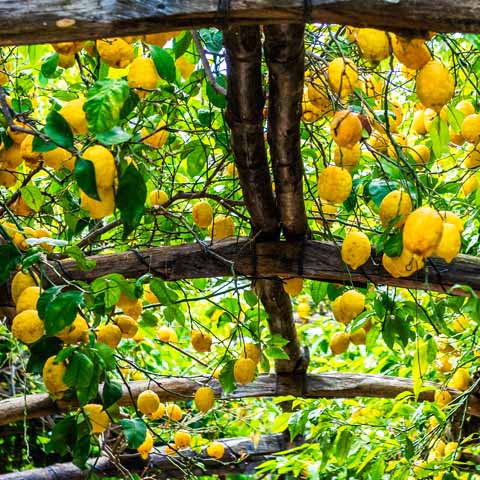
The terraced lemon groves above Positano are as much a cultural landscape as an agricultural one, tended by the same families for generations and shaping everything from the town’s cuisine to its sense of seasonal rhythm. A knowledgeable private guide can translate these living traditions for visitors in ways that go well beyond typical sightseeing, and that kind of interpretation is exactly what we build into every custom Positano itinerary.

Fishing traditions add another layer to this everyday culture. Small wooden boats, built in styles passed down through generations of local boatbuilders, still head out from Positano’s harbor each morning, guided by knowledge of currents and fishing grounds that families have refined over decades. That same expertise now supports private boat excursions along the coastline, giving travelers a chance to see Positano from the water while benefiting from a local captain’s inherited sense of the sea, an experience that connects directly back to the town’s working maritime identity rather than treating the coastline as scenery alone.

Even the town’s relationship with its own lemon terraces carries a layer of craft rarely recognized by first-time visitors. Building and maintaining the dry-stone retaining walls that hold each terrace in place is itself a specialized skill, refined over generations and still practiced by a small number of local craftsmen today. These walls do far more than support a grove; they represent an entire engineering tradition adapted specifically to this coastline’s steep terrain, and understanding that craft adds real depth to what might otherwise look like simple agricultural scenery from a passing viewpoint.

How Does Positano's Culture Connect to the Wider Amalfi Coast?

Positano’s culture makes the most sense in dialogue with its neighbors rather than in isolation. Trips 2 Italy designs itineraries that weave Positano together with the Amalfi Coast’s broader artistic heritage, allowing travelers to see how ceramics, architecture, and festival traditions echo and diverge from one town to the next along the same dramatic coastline.

Because our team is Italian-born and plans every trip from scratch, we can shape this cultural thread around the kind of journey you are building, whether that means a luxury Italian vacation centered on private access to artisans and hidden chapels, a romantic Italy itinerary built around golden-hour viewpoints and quiet cultural detours, or an Italian honeymoon experience where Positano’s layered history becomes part of the celebration itself.

Part of the value we add as a custom operator lies in the logistics behind these connections: arranging a private driver and boat combination that lets a traveler experience a ceramics workshop in Positano in the morning and a cultural site along the coast by afternoon, without the friction of public transit schedules or crowded ferry terminals. That kind of seamless, timed access is difficult to arrange independently, and it is precisely where an Italian-born planning team with established relationships along this coastline makes the most difference in how a cultural itinerary actually unfolds day to day.

Ready to Begin Planning Your Positano Vacation?

Positano’s culture deserves more than a passing glance from a tour bus window. Since 2003, Trips 2 Italy has designed private Italian vacations one traveler at a time, hand selecting every experience based on what you tell us rather than fitting you into a predefined package. Our Italian-born team plans Positano with the knowledge of people who call this coastline home, weaving ceramics workshops, hidden churches, and seasonal festivals into a single narrative, and we remain at your side throughout your trip with 24/7 assistance. Tell us how you imagine Positano, and we will craft the itinerary that matches it.

Explore Our Positano Vacation Itineraries

Frequently Asked Questions About Positano Culture

Positano is best known for hand-painted majolica ceramics and for the linen and leather craftsmanship behind Moda Positano, the resort style that emerged from the town in the 1960s and 1970s. Both traditions are still practiced today in small family-run ateliers, and Trips 2 Italy arranges private introductions to these artisans as part of custom Positano itineraries, giving travelers direct access to working workshops rather than only retail storefronts.

Yes, Positano’s most recognizable architectural landmark is the Church of Santa Maria Assunta, topped with a majolica-tiled dome and home to a Byzantine icon of the Black Madonna tied to local founding legend. Beyond that centerpiece, the town’s vernacular cliffside architecture, with its pastel houses, hidden staircases, and terraced courtyards, has drawn painters and photographers for generations, and our itineraries include time to explore both.

Positano celebrates the feast of its patron saint, Sant’Antonino, each February with a procession and community gathering, and marks Ferragosto in mid-August with fireworks over the bay. Christmas brings elaborate presepe nativity displays built into the town’s terraces and stairways. Trips 2 Italy can design custom trips timed around these celebrations for travelers who want an authentic sense of local life beyond the peak summer season.

Positano shares the broader Campanian layering of Greek, Roman, Byzantine, and Arab-Norman influence with its neighbors, but expresses it through its own vertical geography, ceramics tradition, and fashion history rather than duplicating what Capri or Naples offer. Trips 2 Italy frequently designs multi-stop itineraries that let travelers experience these distinct cultural identities together rather than treating any single town in isolation.

A knowledgeable private guide changes a Positano visit substantially, translating details that are otherwise easy to miss: the legend behind the town’s Byzantine icon, the family history behind a particular ceramics motif, or the seasonal rhythm of the lemon terraces above town. Trips 2 Italy’s Italian-born team builds these interpretive layers into every custom itinerary rather than leaving cultural context to chance.

Shoulder seasons, particularly spring and early autumn, tend to reveal Positano’s cultural life most clearly, since local festivals, workshop schedules, and everyday routines are easier to witness without peak summer crowds. Trips 2 Italy designs custom itineraries around these quieter windows for travelers who want a genuine sense of the town’s community life alongside its well-known scenery.