Abruzzo Culture Guide

HOME » POPULAR ITALIAN DESTINATIONS » ITALIAN TRAVEL GUIDES BY REGION » ABRUZZO TRAVEL GUIDE » ABRUZZO CULTURE GUIDE

Abruzzo Travel Guide        Culture        History        Food and Wine        Things to Do        Plan My Trip

About this guide: This guide to the culture of Abruzzo was written by the Italian-born travel specialists at Trips 2 Italy, a custom tour operator that has designed hand-crafted Italian vacations since 2003. Every recommendation below reflects the same first-hand knowledge our team draws on when we build a private Abruzzo itinerary around a traveler’s interests, dates, and pace. Read it for your research, then let us translate it into a trip designed entirely around you.

What Defines the Culture of Abruzzo?

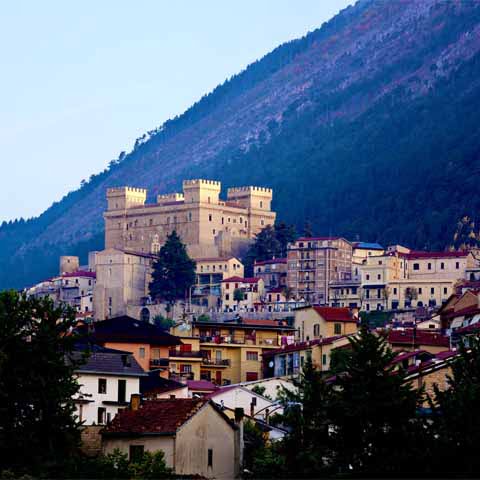
Abruzzese culture was shaped by shepherds, stone, and distance. For centuries the region lived by the transumanza, the great seasonal movement of flocks between mountain pastures and southern plains, and that pastoral economy stamped everything: the fortified hill villages, the cuisine of lamb and sheep’s cheese, the wool and craft traditions, and a character Italians describe with the phrase forte e gentile, strong and gentle.

The mountains kept Abruzzo apart, and apartness preserved it. While coastal Italy absorbed wave after wave of fashion, the high valleys held their festivals, dialects, costumes, and devotions with remarkable fidelity. The result today is one of Italy’s most intact traditional cultures, not performed for visitors but simply continued, in villages where the sheep bells, the bread ovens, and the saints’ processions still keep the old calendar.

What makes this culture so rewarding for travelers is its openness. Abruzzo has little practice treating guests as crowds, so a visitor who arrives with curiosity is met with genuine welcome: a cellar door opened, a chair added to the table, a craft explained at the workbench. The itineraries we design are built to place travelers inside that welcome, village by village.

The visitor feels the continuity quickly. A single Abruzzese day can pass from a Romanesque abbey through a shepherd’s pasture to a village festival and end at a table where the recipes predate the nation itself. Culture here is not a subject to study before the trip; it is the medium the whole trip takes place in, and we plan every itinerary from inside it.

How Did the Transumanza Shape Abruzzese Life?

Twice each year for over two thousand years, hundreds of thousands of sheep moved along the tratturi, the broad grass drovers’ roads that ran from the Abruzzo highlands to the plains of Puglia. The greatest of them, the Tratturo Magno, stretched roughly 150 miles from L’Aquila to Foggia. In 2019 UNESCO recognized the transumanza as intangible cultural heritage of humanity, honoring a practice that still continues on a smaller scale today.

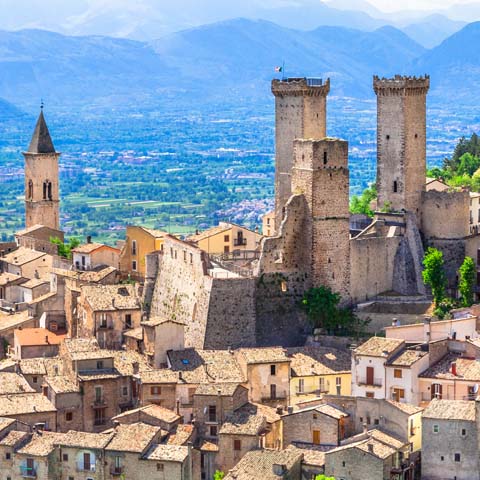
The wool economy built Abruzzo’s finest things. It financed L’Aquila’s basilicas and merchant palaces, raised fortified wool villages like Santo Stefano di Sessanio, which the Medici acquired for its precious carfagna wool, and strung watchtowers like Rocca Calascio along the routes. It also carried culture in both directions, as shepherds returned from the south each spring with songs, stories, and devotions that wove the Adriatic seaboard into one pastoral civilization.

Travelers can still walk stretches of the tratturi, visit working sheepfolds where pecorino and ricotta are made the old way, and meet the families keeping the practice alive. We arrange these encounters with the shepherds and cheesemakers themselves, timed to the season’s work, because no museum explains Abruzzo half as well as an afternoon in a high pasture with the people who still live its founding story.

What Art and Architecture Distinguish Abruzzo?

Abruzzo’s signature architecture is Romanesque, austere and deeply moving. The abbey of San Clemente a Casauria, founded in 871 and rebuilt in the twelfth century, presents one of Italy’s great sculpted portals and a carved pulpit of astonishing refinement. San Giovanni in Venere pairs its Romanesque-Gothic church with an olive-ringed headland above the Trabocchi Coast, and Santa Maria di Collemaggio in L’Aquila, with its pink and white checkerboard facade, is the region’s spiritual heart.

The earthquake of 2009 tested L’Aquila’s patrimony, and the restoration that followed became one of Europe’s great conservation stories. Collemaggio has been returned to its luminous medieval clarity, palace courtyards and churches have reopened year by year, and visitors today walk a capital where scaffolding gives way street by street to recovered beauty. Watching a city rebuild itself with such care is itself a cultural experience.

Beyond the monuments, Abruzzo keeps a quieter artistic tradition: frescoed hermitages hidden in the Majella cliffs, where the hermit pope Celestine V once prayed, painted ceilings in village churches, and the maiolica of Castelli, whose ceramics adorned royal tables across Europe. We pair travelers with art historians and local scholars who read these works fluently, and who open doors, from restoration sites to hermitage chapels, that travelers rarely find alone.

Which Festivals and Traditions Fill the Abruzzese Calendar?

Abruzzo’s most famous rite is among Italy’s most ancient. On the first of May, the village of Cocullo honors Saint Dominic by draping his statue with living snakes and carrying it in procession, a ceremony whose roots reach back to the serpent goddess of the pre-Roman Marsi. It is one of Europe’s most extraordinary surviving festivals, and experiencing it well requires local knowledge and careful timing.

L’Aquila keeps the Perdonanza Celestiniana each August, the forgiveness celebration instituted by Pope Celestine V in 1294, when the holy door of Collemaggio opens amid processions in medieval dress; UNESCO lists it as intangible heritage. Sulmona stages the Giostra Cavalleresca, a Renaissance joust ridden in its main square each July, while villages across the region fill summer and autumn with sagre dedicated to saffron, chestnuts, truffles, and new wine.

These celebrations are windows into the region’s soul, and they reward planning. We track the Abruzzese festival calendar year-round and fold processions, jousts, and village feasts into itineraries as part of our entertainment and festival experiences in Italy, arranging the vantage points, the local hosts, and the table afterward so the festival becomes the trip’s centerpiece rather than a lucky accident.

The village sagre deserve special mention for travelers who want Abruzzo at its most unguarded. These feasts, dedicated to a single beloved ingredient in its season, from the saffron of Navelli to chestnuts, truffles, and new wine, fill mountain squares with long tables, local cooks, and multigenerational celebration. Our specialists track the sagra calendar across the region and route itineraries through the ones worth planning a day around.

Which Craft Traditions Still Live in Abruzzo?

Sulmona’s confetti are the region’s sweetest craft. Since the fifteenth century the town’s workshops have coated almonds in sugar and composed them into flowers, sheaves, and bouquets, and the tradition of giving confetti at weddings and celebrations spread from here across Italy. Visiting a historic confetti house, watching the copper basins turn, and learning the language of the colors is one of Abruzzo’s most charming cultural hours.

The mountains keep harder crafts. Castelli, a village beneath the Gran Sasso, produced maiolica so fine that its painted ceramics entered royal collections across Europe, and its workshops and ceramics museum continue the tradition today. Scanno’s goldsmiths still work the presentosa, the filigree star pendant given in love, and Taranta Peligna weaves the wool blankets, the tarante, that once traveled with every shepherd.

This is where our insider access matters most. We arrange studio visits with master confectioners, ceramicists, goldsmiths, and weavers, often in workshops that do not advertise, including hands-on sessions where travelers learn the first gestures of a craft from the people who have practiced it for decades. Buying an Abruzzese craft is easy; meeting the hands that make it, in the room where it happens, is the version we insist on.

One practical note serves every craft lover: the finest workshops keep village hours and family calendars, not retail ones, so the memorable visits are arranged rather than stumbled upon. Build the crafts you care about into the itinerary first and the route around them, which is exactly the order in which we compose a culture-focused Abruzzo journey.

What Is Daily Life Like in Abruzzo?

Daily life in Abruzzo still follows the mountain clock. Mornings belong to the bar and the bread oven, midday to a serious lunch that no appointment is allowed to shorten, and evening to the passeggiata, when whole villages drift into their piazzas to trade news as the light turns gold on the peaks. On the coast the rhythm shifts toward the sea, with fishermen’s mornings and long summer dinners over the water.

The agricultural year still sets the deeper calendar: lambing in spring, the climb to the high pastures in June, the vendemmia in the vineyards in September and October, the saffron picked at dawn on the Navelli plain in late October, and the olive harvest and pig butchering that carry villages into winter. Even Abruzzesi who live in Pescara’s apartment blocks keep one foot in a home village and return for its festival without fail.

The deepest travel experiences here come from stepping inside these rhythms rather than observing them: a morning in a village bakery, an afternoon in the pasture with a shepherd, a harvest lunch at a family winery. Our Italian cultural tours are composed of exactly these hours, arranged through relationships and timed to the life of the place.

How Do We Open Abruzzese Culture to Our Travelers?

Abruzzo’s culture is generous, but it does not advertise. The confetti master’s back room, the shepherd’s summer sheepfold, the hermitage reached by a cliff path, the festival seat among the contrada families rather than the onlookers: these open through relationships, not tickets, and relationships are what two decades of working this region have given us.

Because our team is Italian-born and has planned journeys here since 2003, we compose Abruzzese culture from the inside: village lunches in homes rather than venues, craft demonstrations at the workbench, conversations with the restorers rebuilding L’Aquila, and festival days arranged with the people who stage them. These are not options selected from a list; they are arrangements composed for each traveler based on what they tell us.

That method matters more in Abruzzo than almost anywhere in Italy, because the region’s finest cultural moments are invisible from the road. Travelers who experience them consistently tell us the same thing afterward: that Abruzzo gave them the Italy they had been looking for all along, the one where they were guests rather than visitors.

Ready to Begin Planning Your Abruzzo Vacation?

Abruzzo deserves more than a template. Since 2003, Trips 2 Italy has designed private Italian vacations one traveler at a time, hand selecting every experience based on what you tell us rather than fitting you into a predefined package. Our Italian-born team plans Abruzzo with the knowledge of people who call Italy home, from the high meadows of Campo Imperatore to the trabocchi of the Adriatic shore, and we remain at your side throughout your trip with 24/7 assistance. Tell us how you imagine Abruzzo, and we will craft the itinerary that matches it.

Explore Our Abruzzo Vacation Itineraries

Frequently Asked Questions About Abruzzese Culture

The transumanza is the ancient seasonal movement of sheep flocks between Abruzzo’s high pastures and the southern plains, practiced for over two thousand years along grass drovers’ roads called tratturi and recognized by UNESCO as intangible cultural heritage in 2019. Travelers can walk stretches of the routes, visit working sheepfolds, and meet shepherding families, encounters Trips 2 Italy arranges directly with the people who keep the tradition alive.

Each first of May, the village of Cocullo carries a statue of Saint Dominic draped with living, harmless snakes through its streets, a rite descended from the serpent cults of the ancient Marsi people. It is one of Europe’s most extraordinary surviving festivals, and we arrange the timing, access, and local hosts that let travelers experience it properly.

Confetti are the sugared almonds Sulmona has produced since the fifteenth century, composed by hand into flowers and bouquets and given at Italian weddings and celebrations ever since. The town’s historic workshops still turn almonds in copper basins, and a visit to a confetti house is one of Abruzzo’s most delightful cultural experiences.

Beyond Sulmona’s confetti, the village of Castelli produces maiolica ceramics that once graced royal tables across Europe, Scanno’s goldsmiths work the filigree presentosa pendant, and Taranta Peligna still weaves traditional shepherds’ wool blankets. Trips 2 Italy arranges visits with master artisans in their workshops, including hands-on sessions for travelers who want to learn.

Instituted by Pope Celestine V in 1294, the Perdonanza is L’Aquila’s annual forgiveness celebration each late August, when the holy door of the Basilica of Collemaggio opens amid medieval processions. UNESCO lists it as intangible cultural heritage, and it remains the city’s proudest tradition.

Yes, with the right introductions. English is less widespread than in Italy’s famous regions, which is part of Abruzzo’s authenticity, so we pair travelers with bilingual guides and hosts who translate not just language but context, turning a village festival or a shepherd’s afternoon into a story you can enter rather than watch.