
Capri Food and Wine Guide

HOME » POPULAR ITALIAN DESTINATIONS » CAPRI TRAVEL GUIDE » CAPRI FOOD AND WINE GUIDE

Capri Travel Guide        Culture        History        Food and Wine        Things to Do        Plan My Trip

About this guide: This guide to the food and wine of Capri was written by the Italian-born travel specialists at Trips 2 Italy, a custom tour operator that has designed hand-crafted Italian vacations since 2003. Every recommendation below reflects the same first-hand knowledge our team draws on when we build a private Capri itinerary around a traveler’s interests, dates, and pace. Read it for your research, then let us translate it into a trip designed entirely around you.

What Defines the Cuisine of Capri?

Caprese cooking is the Mediterranean reduced to essentials: the morning’s catch, the garden’s vegetables, the lemon tree by the kitchen door, olive oil, and extraordinary tomatoes. It belongs to the great kitchen of the Campania region, the homeland of pasta, mozzarella, and the tomato’s finest expressions, but the island edits that abundance down to what a boat can land and a terraced garden can grow.

The defining tension of the island’s table is between the fisherman and the farmer. From the sea come anchovies, squid, and the prized pezzogna, the local sea bream, cooked simply in acqua pazza with tomatoes and herbs. From the gardens of Anacapri come zucchini, eggplant, herbs, and the lemons that perfume everything from pasta to dessert. The genius of Caprese cooking is refusing to complicate either.

It is also a cuisine best eaten where it was invented: on a terrace above the water, at a long lunch that respects no schedule. Every culinary itinerary we design for Capri is built around these hours, with guidance on what each kitchen does best and tables reserved for the moment when the light and the menu are both at their peak.

Do not mistake simplicity for sameness. The island’s kitchens range from grandmothers’ recipes served under a pergola to tasting menus of genuine ambition, and the same handful of ingredients supports both. What unites every Caprese table is the conviction that the lemon, the tomato, and the morning’s catch need respect more than they need invention.

Was the Insalata Caprese Really Born on Capri?

Yes, and the island considers it a point of honor. The insalata caprese, the tricolor plate of tomato, mozzarella, and basil dressed with olive oil, takes its very name from the island, born in Caprese kitchens in the early twentieth century and made internationally famous in the 1950s when it charmed the celebrated guests of the island’s dolce vita years. What conquered the world as a simple salad began as Capri’s edible flag.

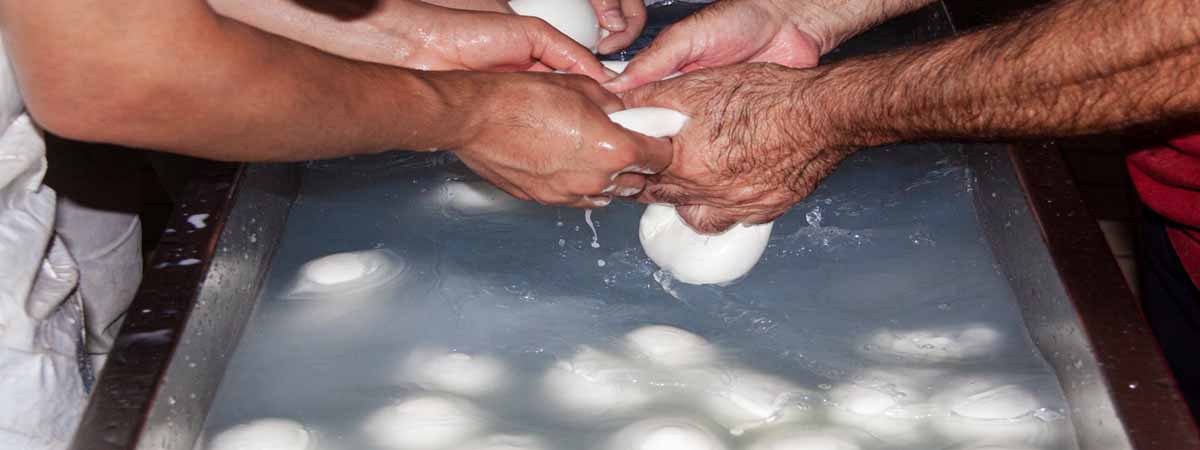
Eating it at the source is a different experience from any imitation. The tomatoes are grown in volcanic Campanian soil, the mozzarella di bufala arrives fresh from the mainland’s buffalo herds each morning, and the basil is picked steps from the table. The dish has no technique to hide behind, which is exactly the point: it is a test of sourcing, and on Capri the sourcing is the tradition.

The caprese is also the perfect introduction to how the island eats: cold, bright, generous, and built for a terrace at noon. We often begin a culinary day with a caprese tasting that compares tomato varieties and mozzarella styles, because once travelers understand this one plate, the rest of the island’s menu explains itself.

What Classic Dishes Should You Try on Capri?

Begin with ravioli capresi, the island’s beloved pasta: delicate pillows filled with caciotta cheese and marjoram, sauced with fresh tomato and basil. Marjoram is the signature; it grows wild on the island’s heights and gives the dish a perfume found nowhere else. Every Caprese family guards its own version, and tasting it in a kitchen that has made it for generations is one of the island’s essential food memories.

From the sea, look for linguine allo scoglio heaped with the day’s shellfish, spaghetti with sea urchin in the warm months, and pezzogna all’acqua pazza, the local bream poached with cherry tomatoes, garlic, and parsley. Anacapri contributes the island’s great peasant dish, totani e patate, squid stewed with potatoes until both are infused with each other, a recipe born of the upper town’s farming and fishing life.

The vegetable side of the table deserves equal attention: stuffed zucchini flowers, eggplant parmigiana in the Campanian manner, and the simple grilled vegetables of the summer garden. The rhythm of the seasons decides everything, and we time culinary itineraries accordingly, because the island’s kitchen, like the island itself, changes character with the calendar.

Ordering well is a learnable art, and we teach it before you land. A briefing from our specialists on the island’s dishes and their seasons turns every menu from a guess into a pleasure, and on Capri the rule is reliable: the proudest line on the menu is usually the simplest one, whatever the sea and the garden offered that morning.

What Are Torta Caprese and the Island's Sweet Traditions?

The torta caprese is the island’s second gift to the world’s table: a dense, dark cake of chocolate and almonds made entirely without flour, with a cracked sugar-dusted crust and a moist interior. Island legend credits its invention to a baker’s happy mistake in the 1920s, when a forgotten measure of flour produced perfection instead of failure. However it began, it is now the required ending of a Caprese meal, ideally with an espresso or a small glass of limoncello.

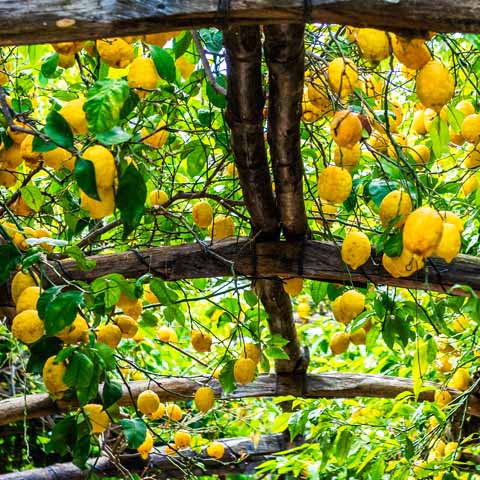
The lemon rules every other sweet on the island. There is a white chocolate and limoncello variation of the torta caprese, lemon granita scraped icy and fragrant in the summer heat, delizia al limone in the great Campanian pastry tradition, and lemon sorbet served in the fruit’s own frozen shell. The island’s lemons, grown on pergolas in terraced gardens, are large, sweet-skinned, and intensely aromatic.

Sweetness on Capri follows the day’s structure: granita in the afternoon heat, pastry with morning coffee, torta caprese and limoncello after dinner as the Piazzetta begins its evening performance. We build tastings of all three moments into culinary days, often with the bakers and gelato makers themselves explaining their craft between servings.

For travelers who bake, the torta caprese is also the island’s most portable lesson. Learning it in a Caprese kitchen, hands in the almond flour while the story of the fortunate mistake is told for the thousandth delighted time, sends you home with a recipe that carries the island in it. It is the souvenir our culinary travelers mention most.

What Wines and Liqueurs Does Capri Pour?

Capri holds one of Italy’s smallest and most surprising wine denominations. Capri DOC white, blended chiefly from Falanghina and Greco grapes grown on the island’s few terraced vineyards, is crisp, saline, and made in quantities so limited that drinking it on the island is practically the only way to drink it at all. A small production of Piedirosso-based red completes the island’s own cellar, and family vineyards around Anacapri keep the tradition alive.

The wider list is Campania’s, one of Italy’s most exciting wine regions: volcanic whites like Falanghina, Fiano di Avellino, and Greco di Tufo that pair brilliantly with the island’s seafood, and Aglianico reds of real stature, led by Taurasi, for the evening’s heartier plates. A Caprese wine list is a tour of volcanic soils, and the island’s sommeliers pour it with pride.

Limoncello is the island’s liquid signature, and Capri claims a share of its very invention, which the island disputes cheerfully with Sorrento and Amalfi. Made from the zest of local lemons steeped in spirit with sugar, served ice cold after dinner, it is the taste of the island in a glass. We arrange visits to lemon gardens and family producers where travelers see the pergolas, peel, and process behind the bottle, a world away from any airport souvenir.

What Is the Dining Ritual Like on Capri?

The island’s great meal is lunch by the water. Whether at a beach club at Marina Piccola with the Faraglioni in view or in a garden shaded by lemon pergolas in Anacapri, the Caprese lunch is long, cold-wine bright, and completely unhurried, often flowing from noon well into the afternoon swim that follows. Building at least one such lunch into every Capri day is, in our experience, non-negotiable.

Evening begins in the Piazzetta with an aperitivo as the square fills, then moves to dinner on the terraces, where the island’s kitchens range from faithful family cooking to fine dining of genuine ambition, with tasting menus that reinterpret Caprese tradition through contemporary technique. The island rewards both moods, and the wise itinerary alternates them.

What every table shares is the view and the pace. Meals here are staged like the island itself, with the sea as backdrop and no act rushed. We reserve the rooms and terraces suited to each evening of an itinerary, matched to the occasion, the party, and the hour when each terrace is at its finest, because on Capri the table and the timing are inseparable.

The season shapes the ritual too. In high summer, dinner starts late and the terraces glitter past midnight; in the gentler months, lunch stretches longer and the evening turns intimate, a table under lemon trees with the island nearly to yourselves. Both versions are wonderful, and knowing which one your dates will deliver is part of how we set expectations and design the days.

How Do We Craft Culinary Experiences on Capri?

A Trips 2 Italy culinary itinerary on Capri begins with how you love food. For hands-on travelers, we arrange private cooking sessions in island kitchens where ravioli capresi and torta caprese are taught by the people who grew up making them, with lunch as the homework. For tasters, we compose progressive days: a caprese and mozzarella morning, a lemon garden visit with limoncello at the source, a seaside lunch, and an evening tasting of Campanian wines.

The island’s small scale is a culinary gift. Within a single unhurried day, travelers can meet a fisherman at Marina Grande, walk a terraced vineyard above Anacapri, watch granita being scraped, and end with dinner above the lights of the bay. Because our team has worked with the island’s producers, boatmen, and kitchens since 2003, the settings are authentic rather than staged, and the people are hosts rather than performers.

Capri also anchors magnificent eating journeys through the wider region, from the pizza of Naples to the mozzarella of the buffalo farms to the vineyards of the volcanic hills, as part of our wine tasting and food tours in Italy. Tell us how you imagine eating on Capri, and we will build the days around the table.

Ready to Begin Planning Your Capri Vacation?

Capri deserves more than a template. Since 2003, Trips 2 Italy has designed private Italian vacations one traveler at a time, hand selecting every experience based on what you tell us rather than fitting you into a predefined package. Our Italian-born team plans Capri with the knowledge of people who call Italy home, from the Piazzetta’s quiet morning hours to a private boat gliding beneath the Faraglioni, and we remain at your side throughout your trip with 24/7 assistance. Tell us how you imagine Capri, and we will craft the itinerary that matches it.

Explore Our Capri Vacation Itineraries

Frequently Asked Questions About Food and Wine on Capri

The insalata caprese was born here and carries the island’s name to the world, joined by ravioli capresi filled with caciotta and wild marjoram, totani e patate from Anacapri, pezzogna all’acqua pazza from the day’s catch, and the flourless chocolate and almond torta caprese. The cuisine is defined by the meeting of the fisherman’s boat and the farmer’s terraced garden.

The island’s signature dessert: a dense, moist cake of dark chocolate and almonds made without flour, said to have originated with a baker’s fortunate mistake in the 1920s. It ends most Caprese meals, ideally alongside an espresso or an ice-cold limoncello, and a lemon and white chocolate variation honors the island’s other flagship flavor.

Capri shares the claim to limoncello’s invention with its neighbors across the water, and the island’s version, made from the zest of lemons grown on terraced pergolas, is superb. Trips 2 Italy arranges visits to lemon gardens and family producers where travelers taste limoncello at its source rather than from a shop shelf.

Yes, in tiny quantities. Capri DOC whites, based on Falanghina and Greco grapes from the island’s few terraced vineyards, are crisp and saline, and a small Piedirosso red completes the denomination. Because so little leaves the island, drinking it on a Caprese terrace is essentially the only way to taste it.

Yes, and it is one of the island’s most personal experiences. We arrange private sessions in island kitchens where travelers learn ravioli capresi, torta caprese, and the dishes of the Caprese home table from cooks who grew up with them, followed by the lunch they have made together.

The island’s essential meal is a long lunch by the water, at Marina Piccola with the Faraglioni in view or under lemon pergolas in Anacapri, followed by an evening that begins with an aperitivo in the Piazzetta. Trips 2 Italy reserves the terraces and tables suited to each day of an itinerary, timed to the hours when each setting is at its finest.