Agrigento Culture Guide

HOME » POPULAR ITALIAN DESTINATIONS » AGRIGENTO TRAVEL GUIDE » AGRIGENTO CULTURE GUIDE

Agrigento Travel Guide        Culture        History        Food and Wine        Things to Do        Plan My Trip

About this guide: This guide to the culture of Agrigento was written by the Italian-born travel specialists at Trips 2 Italy, a custom tour operator that has designed hand-crafted Italian vacations since 2003. Every recommendation below reflects the same first-hand knowledge our team draws on when we build a private Agrigento itinerary around a traveler’s interests, dates, and pace. Read it for your research, then let us translate it into a trip designed entirely around you.

What Defines the Culture of Agrigento?

Agrigento’s culture is a conversation across twenty-six centuries. Founded by Greeks, ruled in turn by Carthaginians, Romans, Byzantines, Arabs, and Normans, the city carries each layer visibly: Doric temples on the ridge, Arab street patterns in the old town, Norman stone in the cathedral, and a dialect and table that remember all of them. Few places in Sicily, itself the most layered island in the Mediterranean, compress so much inheritance into so small a compass.

The defining thread is the Greek one. Agrigentines grow up in sight of the temples, and the ancient city, Akragas, remains a living point of pride rather than a fenced-off relic. The philosopher Empedocles, who theorized the four elements, was born here; the poet Pindar praised the city’s beauty; and the annual festival calendar still climaxes among the ancient sanctuaries themselves.

The second thread is literary. Luigi Pirandello, the Nobel laureate who rewired modern theater, was born on the city’s coastal edge, and his questions about masks, identity, and the selves we perform feel strangely at home in a town that has worn so many names: Akragas, Agrigentum, Kerkent, Girgenti, Agrigento. Understanding that layered identity is the key to the city, and it is exactly what our cultural itineraries are designed to unlock.

How Does Ancient Greek Identity Shape Agrigento's Art?

The masterworks of Akragas fill the Pietro Griffo Regional Archaeological Museum, one of Sicily’s great collections. Its centerpiece is a telamon, a colossal stone giant nearly eight meters tall that once helped carry the entablature of the Temple of Olympian Zeus, reassembled indoors where its scale can silence a room. Around it gather the Ephebe of Agrigento, a severe and beautiful marble youth from the fifth century BC, and cases of red-figure kraters that rank among the finest Greek vases outside Athens.

The art extends beyond the museum. In the church of Santa Maria dei Greci, the fluted columns of a Doric temple to Athena surface inside the walls like a photograph developing, the clearest place in the city to see one civilization built directly into another. Down in the valley, the reconstructed corner of the Temple of Castor and Pollux has become the city’s emblem, and the sanctuaries themselves, seen in raking light, remain the greatest artworks Agrigento owns.

We pair travelers with licensed archaeologist guides who read this art fluently, sequence museum and valley so each explains the other, and arrange the quiet hours when the telamon and the temples can be contemplated rather than photographed over shoulders. For travelers with deep classical interests, we compose entire southern Sicily itineraries around the Greek thread, from Agrigento to Selinunte and Segesta.

What Architecture Defines the City Above the Temples?

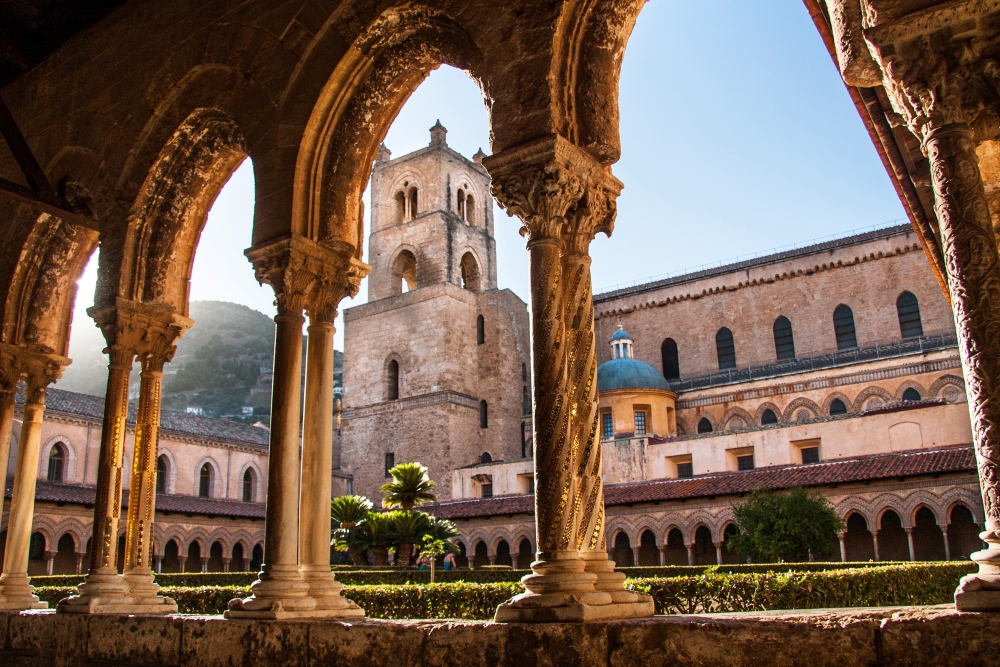
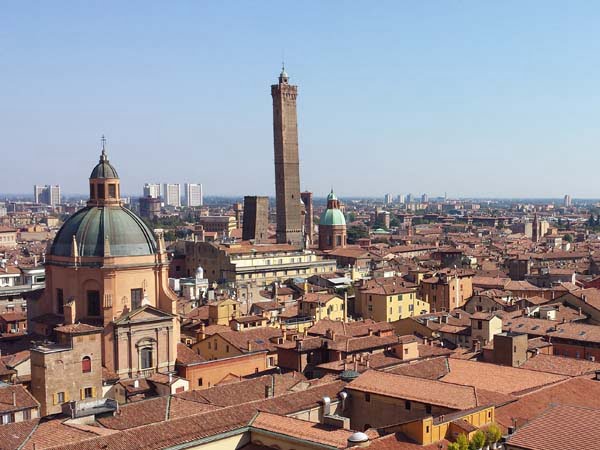
Medieval Agrigento, the town the Arabs called Kerkent and the centuries knew as Girgenti, climbs its hill in tight, stepped lanes that still follow the street logic of a North African medina. At its crown stands the Cathedral of San Gerlando, founded by the Normans in the eleventh century, with a broad staircase, a Gothic-Renaissance interior, and a bell tower gazing over the roofs to the distant sea.

The hill town’s finest surprises are smaller. Santa Maria dei Greci keeps its Greek temple bones; the abbey church of San Nicola, down near the valley, shelters a Roman sarcophagus whose carved myth of Phaedra moved travelers on the Grand Tour to tears; and the Monastero di Santo Spirito, founded by Cistercian nuns in 1290, pairs a serene cloister with a chapter house of Arab-Norman elegance. The Via Atenea, the long main street, adds the palazzi and theaters of the nineteenth century, including the jewel-box Teatro Pirandello.

We design walking mornings through this vertical town with guides who unfold its layers building by building, arrange entry to cloisters and chapels that casual visitors miss, and time the walk so it ends with almond sweets at the monastery gate. The hill town explains the valley: the same city, still climbing away from the sea it once ruled.

Who Was Luigi Pirandello and Why Does He Matter Here?

Luigi Pirandello was born in 1867 in a farmhouse called Caos, on a bluff above the sea just outside Agrigento, and he carried the name’s irony all his life, calling himself a son of Chaos. His plays and novels, Six Characters in Search of an Author above all, dismantled the comfortable idea of a single fixed self, and in 1934 they earned him the Nobel Prize in Literature. He remains the most influential Italian dramatist of the modern age.

His birthplace is now an intimate house museum, kept among olive and almond trees with the sea beyond, and his ashes rest beneath a solitary pine on the grounds, one of the most quietly moving literary sites in Italy. In town, the Teatro Pirandello stages his work in the very community whose faces and contradictions he transcribed, and the surrounding countryside still looks like the setting of his short stories.

For travelers drawn to the literary thread, we arrange visits to Caos with guides who read Pirandello well, performances at the theater when the calendar allows, and drives through the writer’s landscape toward Porto Empedocle, the harbor town whose name honors the city’s ancient philosopher. Agrigento rewards travelers who meet it through its writer: he is the bridge between the ancient masks of the Greek theater and the modern ones we all wear.

The literary coast does not end with Pirandello. Porto Empedocle was also the childhood home of Andrea Camilleri, whose Inspector Montalbano novels turned this stretch of southern Sicily into beloved fictional territory for readers around the world, and the province’s light, harbors, and hill towns fill his pages recognizably. Devotees of either writer find that a single well-planned coastal drive reads like an anthology.

Which Festivals Fill Agrigento's Calendar?

The queen of the calendar is the Sagra del Mandorlo in Fiore, the Almond Blossom Festival, held each February when the orchards around the temples flower. Folklore ensembles from across the world dance and play through the streets and down into the Valley of the Temples, where the closing ceremonies unfold before the Temple of Concordia amid clouds of blossom. It is Sicily’s gentlest great festival, a celebration of early spring that turns archaeology into a stage.

The festival’s origins are touchingly modern: begun in the 1930s as a celebration of the early Sicilian spring, it grew into an international folklore gathering dedicated to friendship among peoples, with a torch of peace lit each year before the Temple of Concordia. For photographers and travelers of a romantic disposition, the pairing of pink-white blossom with honey-colored Doric stone is among the most beautiful sights the Italian calendar produces.

July belongs to San Calogero, the dark-skinned hermit saint whose statue is carried through ecstatic crowds while devotees toss loaves of bread toward it, a festa of genuine, unstaged intensity that has run for centuries. Holy Week brings solemn processions through the hill town, and summer adds open-air performances in the valley and concerts along the coast, the ancient sanctuaries doubling as the most dramatic backdrop in southern Italy.

Festivals reward planning more than any other experience: the right vantage, the right evening, the right local table afterward. We track Agrigento’s calendar year-round and build trips around it as part of our entertainment and festival experiences in Italy, so that travelers arrive not merely during a festival but inside it.

Which Craft and Folk Traditions Survive in Agrigento?

The province’s sweetest tradition is conventual. At the Monastero di Santo Spirito, the nuns have made almond and pistachio confections behind the grille for more than seven centuries, and buying a tray of their cuscusu dolce through the monastery’s turning window is a transaction unchanged since the Middle Ages. The almond itself, harvested from the groves that surround the temples, remains the emblem of local craft, pressed into marzipan fruits, brittle, and the milk-white granita of summer mornings.

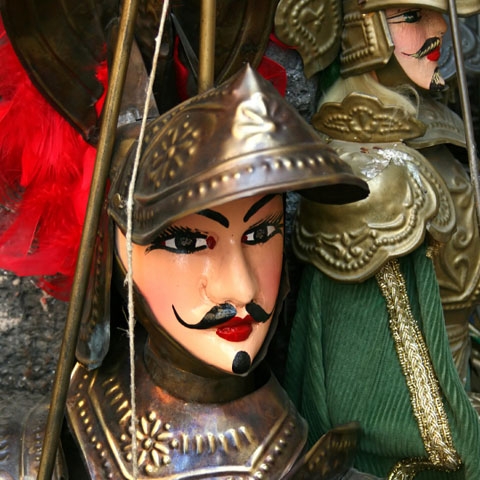
Sicily’s folk arts flourish here as well. The opera dei pupi, the traditional puppet theater of paladins and Saracens recognized by UNESCO, still performs its clashing knights for delighted audiences, and the painted cart, the carretto siciliano, survives in workshops and museum collections whose colors influenced everything from island ceramics to high fashion. Nearby Sciacca adds one of Sicily’s oldest ceramic traditions, its glazed ware bright with the same palette.

We arrange encounters that keep these crafts human: a puppet performance explained from the wings, a pastry session built around the almond, a ceramicist’s workshop in Sciacca where the wheel never stopped turning. Souvenirs can be bought anywhere; watching the hands that make them, in the rooms where they work, is the version of Agrigento we prefer to offer.

These traditions survive because families kept them through generations when no audience was watching, and meeting the keepers is half the reward. The puppeteer who voices forty knights, the pastry nun’s lay assistants who measure almond paste by feel, the ceramicist whose glazes follow recipes older than the unification of Italy: each encounter turns a craft from a display case into a conversation, and conversations are what travelers remember.

What Is Daily Life Like in Agrigento?

Agrigento lives along the Via Atenea. In the early evening the long, stone-paved street fills for the passeggiata, the unhurried social promenade that remains southern Sicily’s favorite institution: families, students, and elders drifting between espresso bars and pastry counters while the light turns gold at the street’s western mouth. Mornings belong to the markets, where the fishing fleet’s catch from the coast meets the interior’s vegetables, cheeses, and oil.

The rhythm is seasonal in a way northern cities have forgotten. Summer moves life down to San Leone, where dinner starts late and the promenade runs along the sea; winter draws it back up the hill into the lanes and the warm bars; February belongs to the blossom, and autumn to the olive harvest in the countryside. Around the city, villages keep the older cadence of church bell and market day.

The deepest cultural experiences here are simply hours of this life, entered with the right introductions: a market morning with a local cook, an evening passeggiata that ends at a family pastry shop, a village festa found at the right moment. Our Italian cultural tours are composed of exactly such hours, arranged through relationships our Italian-born team has kept for two decades.

Ready to Begin Planning Your Agrigento Vacation?

Agrigento deserves more than a template. Since 2003, Trips 2 Italy has designed private Italian vacations one traveler at a time, hand selecting every experience based on what you tell us rather than fitting you into a predefined package. Our Italian-born team plans Agrigento with the knowledge of people who call Italy home, from the Doric temples of the ancient valley to the white curve of the Scala dei Turchi, and we remain at your side throughout your trip with 24/7 assistance. Tell us how you imagine Agrigento, and we will craft the itinerary that matches it.

Explore Our Agrigento Vacation Itineraries

Frequently Asked Questions About Agrigento's Culture

Agrigento is known for the Greek heritage of ancient Akragas, crowned by the Valley of the Temples and the treasures of the Pietro Griffo Archaeological Museum, for the legacy of Nobel laureate Luigi Pirandello, and for living traditions such as the Almond Blossom Festival, the feast of San Calogero, and the almond confections of the Santo Spirito monastery.

The Sagra del Mandorlo in Fiore takes place in February, when the almond orchards around the temples bloom. International folklore groups perform through the town and the Valley of the Temples, with closing ceremonies before the Temple of Concordia. Trips 2 Italy arranges festival-season itineraries well in advance, since the blossom weeks are Agrigento’s most sought-after.

Yes. The writer’s birthplace at Caos, just outside Agrigento, is a house museum set among olive and almond trees above the sea, with his ashes resting beneath a pine on the grounds. We pair the visit with a literary guide and, when the season allows, a performance at the Teatro Pirandello in the historic center.

The opera dei pupi is Sicily’s traditional puppet theater, in which armored marionette knights act out the chivalric epics of Charlemagne’s paladins. Recognized by UNESCO as intangible cultural heritage, it survives in performances across the island, and Trips 2 Italy arranges shows with behind-the-scenes visits for travelers curious about the craft.

Absolutely. The hill town keeps the Norman cathedral of San Gerlando, the church of Santa Maria dei Greci built over a Doric temple, the thirteenth-century Monastero di Santo Spirito with its almond-pastry tradition, and the elegant Via Atenea with its evening passeggiata. A guided morning here completes the picture the valley begins.

Almond sweets from the Santo Spirito monastery, marzipan fruits, Sciacca ceramics, and pieces inspired by the painted Sicilian cart all carry genuine local heritage. We prefer to connect travelers with the makers themselves, arranging workshop visits where the purchase comes with the story of the hands behind it.