Catania Culture Guide

HOME » POPULAR ITALIAN DESTINATIONS » CATANIA TRAVEL GUIDE » CATANIA CULTURE GUIDE

Catania Travel Guide        Culture        History        Food and Wine        Things to Do        Plan My Trip

About this guide: This guide to the culture of Catania was written by the Italian-born travel specialists at Trips 2 Italy, a custom tour operator that has designed hand-crafted Italian vacations since 2003. Every recommendation below reflects the same first-hand knowledge our team draws on when we build a private Catania itinerary around a traveler’s interests, dates, and pace. Read it for your research, then let us translate it into a trip designed entirely around you.

What Defines the Culture of Catania?

Catania’s culture was forged in catastrophe and answered with theater. After the earthquake of 1693 destroyed the city, Catania rebuilt itself grandly in the black stone of the volcano that shadows it, and that gesture still defines the local character: exuberant, fatalistic, quick-witted, and devoted to living well in the present. Among the cities of Sicily, Catania is the extrovert, a place of markets, music, and street life conducted at full volume.

The volcano is the culture’s silent partner. Etna gives the city its building stone, its vineyard soils, its snow for granita in centuries past, and its sense of proportion: when your neighbor is the highest active volcano in Europe, human plans stay humble and appetites stay keen. Catanesi call the mountain ‘a muntagna, simply the mountain, and speak of it the way other cities speak of a founding family.

Layered beneath the baroque swagger is one of the oldest urban stories in the West: Greek colony, Roman city, Byzantine and Arab and Norman crossroads, and home since 1434 to Sicily’s first university, which still fills the center with students and keeps the city’s conversation young. Nothing here is preserved behind glass. Catania’s culture is a life being lived loudly, and the itineraries we design are built to place travelers inside it.

Catania is also a literary capital. Giovanni Verga, the master of Italian verismo, was born here in 1840 and set his greatest work along this coast, including I Malavoglia among the fishing families of Aci Trezza. Federico De Roberto chronicled the city’s aristocracy in The Viceroys, and Vitaliano Brancati satirized its passions a century later. Reading Catania’s writers, or walking the streets with someone who knows them, adds a dimension no monument can supply.

How Did Baroque Architecture Become Catania's Signature?

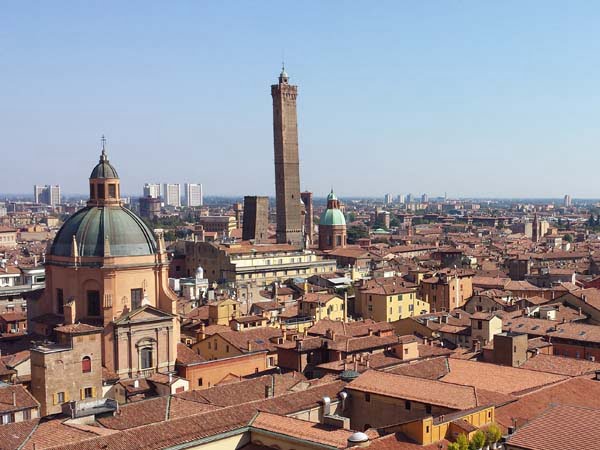
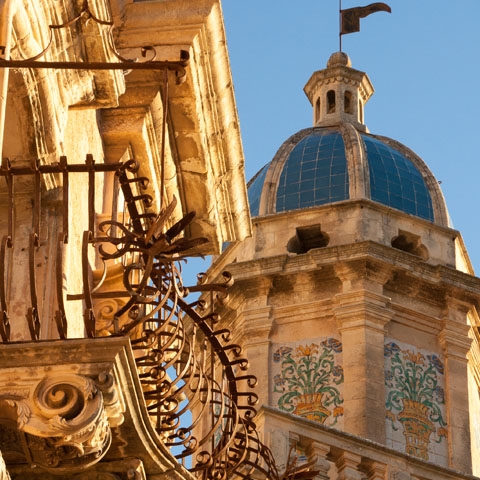
The rebuilding of Catania after 1693 was one of the great acts of urban imagination in European history. Under the direction of the Duke of Camastra and, above all, the architect Giovanni Battista Vaccarini, the city was redrawn with wide straight streets and generous piazzas, both beautiful and practical in a land of earthquakes, then dressed in a baroque of startling originality: black volcanic stone striped and framed with white limestone, so the whole city reads like an engraving.

The masterpieces gather closely. Vaccarini’s cathedral facade and his lava-stone elephant fountain command Piazza del Duomo, the Basilica della Collegiata lifts its concave front above Via Etnea, and Via dei Crociferi strings four churches and a monumental arch along a few hundred feet of stone, the most concentrated baroque street in Sicily. UNESCO recognized the ensemble in 2002 as part of the late baroque towns of the Val di Noto.

Reading this architecture with a specialist transforms it. We arrange walks with architectural historians who unfold the rebuilding street by street, from the earthquake’s scars to Vaccarini’s solutions, and where access allows we open courtyards, terraces, and monastery interiors that casual visitors never see. The Benedictine Monastery of San Nicolo l’Arena alone, one of the largest in Europe, rewards a full guided morning.

Why Is Catania Called the City of Bellini?

Vincenzo Bellini was born in Catania in 1801, in an apartment travelers can still visit, and the city has never stopped claiming him. The composer of Norma, La Sonnambula, and I Puritani carried the long Sicilian melodic line into the opera houses of Milan and Paris, and his early death at thirty-three fixed him forever as the city’s romantic genius. His remains rest in the cathedral, steps from the piazza that bears his music’s spirit.

The Teatro Massimo Bellini, inaugurated in 1890 with a performance of Norma, is his monument: a gilded horseshoe of a house whose acoustics rank among the finest in Italy and whose season still turns the city out in its best dress. Even the table honors him, for pasta alla Norma, Catania’s signature dish, was named in tribute to his greatest opera.

For travelers who love music, we compose Catania evenings around the Bellini: performance tickets in the right seats, and where the calendar allows, backstage perspectives that bring the house’s history to life as part of our entertainment and festival experiences in Italy. An aria in the theater named for the composer, in the city that raised him, is one of Sicily’s great cultural moments.

The Bellini pilgrimage is easily made. The composer’s birthplace on Piazza San Francesco is preserved as the Museo Belliniano, keeping his scores, portraits, and personal effects in the rooms where he was raised, and the Giardino Bellini and Piazza Bellini extend the homage across the city. February brings his memory into the concert season, and the theater’s own museum spaces reward visitors between performances.

What Does the Festival of Sant'Agata Mean to Catania?

Every February 3 through 5, Catania gives itself entirely to its patron saint. The Festival of Sant’Agata is counted among the largest religious festivals in the world, drawing hundreds of thousands into the streets as the saint’s silver reliquary bust is carried through the city on the fercolo, hauled by ranks of devotees in white votive dress, preceded by the candelore, the towering carved candle-machines of the old guilds, swaying through the crowds.

The festival compresses everything Catanese into three days: baroque spectacle, genuine devotion, endurance, neighborhood pride, and food, from the little breast-shaped cassatelle called minne di Sant’Agata to street stalls working through the night. The climb of the fercolo up the steep Via San Giuliano, in the small hours, is among the most electric moments in Italian religious life.

Experiencing Sant’Agata well requires knowledge and planning: where to stand for the processions, when the candelore pass, which balconies and terraces open to guests, and how to weave rest and meals through a festival that never sleeps. We arrange those days far in advance for travelers who want to witness it, and we design quieter February itineraries around the festival’s edges for those who prefer the city’s energy at one remove.

Which Craft and Market Traditions Still Live in Catania?

Catania’s markets are its living folklore. La Pescheria, the fish market behind Piazza del Duomo, opens every working morning in a roar of auction cries, swordfish laid out like trophies, and vendors whose banter is a performance polished over generations. The Fera ‘o Luni market around Piazza Carlo Alberto sprawls through produce, spices, and household theater on a scale that recalls the city’s Arab trading centuries.

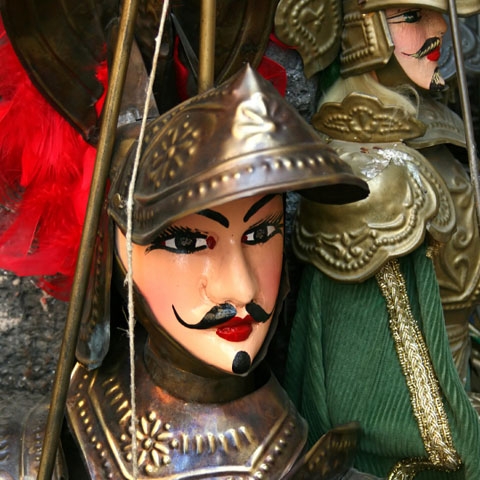
The island’s craft traditions remain close at hand. The Sicilian puppet theater, the opera dei pupi recognized by UNESCO as a masterpiece of intangible heritage, still stages the battles of paladins and Saracens for local audiences, and workshops around the city carve lava stone, work ceramics from nearby Caltagirone, and paint the carts and iconography that carry Sicilian popular art forward.

This is where insider access matters most. We arrange market mornings led by cooks who shop these stalls daily, visits to puppet workshops and family studios where the masters demonstrate their craft, and encounters with the artisans keeping lava-stone carving and ceramic painting alive. Watching a craftsman work the same black stone that built the cathedral explains Catania better than any monument.

The Fera ‘o Luni itself deserves a morning: open every day but Sunday on Piazza Carlo Alberto, it is one of Sicily’s oldest markets, its name a dialect memory of the Monday fairs of centuries past. Produce, cheese, spices, and household goods sprawl across the square in a scene that connects directly back to the city’s Arab market centuries, and its vendors are as theatrical as any stage in Catania.

What Is Daily Life Like in Catania?

The Catanese day begins early and deliciously. Mornings belong to the markets and to breakfast rituals taken seriously: granita with a warm brioche in the warm months, espresso standing at the bar in all of them. Midday brings the serious lunch, the late afternoon slows into conversation, and the evening gathers the whole city into the passeggiata along Via Etnea, with Etna itself closing the vista like a stage backdrop.

The university, founded in 1434 as Sicily’s first, keeps the center young. Students fill the courtyards of the old monastery, the piazzas around Teatro Bellini hum late into the night, and the city’s calendar mixes opera seasons, festivals, and neighborhood saints’ days into a rhythm where high culture and street culture share the same tables.

The deepest travel experiences here come from stepping inside these rhythms rather than observing them: a market morning beside a local cook, an evening passeggiata timed to the light on the black facades, a granita taken where the Catanesi take theirs. Our Italian cultural tours are composed of exactly these hours, arranged through relationships and timed to the life of the place.

No account of Catanese daily life is complete without the chioschi, the ornate drink kiosks that punctuate the piazzas. At their marble counters, generations have paused for seltz al limone e sale, the sparkling lemon and salt refreshment that is the city’s signature, or for tamarind and mandarin syrups mixed to order. They are open from morning until deep into the night, tiny institutions where the whole city crosses paths.

How Do We Open Catania's Culture to Our Travelers?

Catania’s culture is generous, but its best rooms open by relationship rather than by ticket. A baroque street becomes a different experience beside an architectural historian who can read the rebuilding in its stones. The fish market becomes a feast when a cook leads the way and the morning ends at a table. An opera evening deepens when the house’s own story is told by someone who knows it intimately.

Because our team is Italian-born and has worked these connections since 2003, we plan Catania from the inside: monastery visits with the right guide, festival vantage points arranged months ahead, puppet theater evenings, studio doors that do not advertise, and tables where the conversation is as memorable as the food. These are not options selected from a list. They are arrangements composed for each traveler based on what they tell us.

That method matters especially in a city whose greatness is performed daily rather than displayed in museums. Travelers who first come to Catania for the volcano or the baroque return, almost always, for the life of the place, and our work is to make sure they meet it properly the first time.

Ready to Begin Planning Your Catania Vacation?

Catania deserves more than a template. Since 2003, Trips 2 Italy has designed private Italian vacations one traveler at a time, hand selecting every experience based on what you tell us rather than fitting you into a predefined package. Our Italian-born team plans Catania with the knowledge of people who call Italy home, from the baroque facades of Via dei Crociferi to the vineyards climbing Etna’s slopes, and we remain at your side throughout your trip with 24/7 assistance. Tell us how you imagine Catania, and we will craft the itinerary that matches it.

Explore Our Catania Vacation Itineraries

Frequently Asked Questions About the Culture of Catania

Catania is celebrated for its UNESCO-listed black lava baroque architecture, rebuilt after the 1693 earthquake, for the composer Vincenzo Bellini and the opera house that bears his name, for the Festival of Sant’Agata each February, and for market life led by La Pescheria fish market. It is Sicily’s most theatrical and extroverted city.

The principal celebrations run February 3 through 5 each year, with processions of the saint’s reliquary, the towering candelore, and hundreds of thousands of devotees filling the streets day and night. Experiencing it well requires vantage points and arrangements made far in advance, which is exactly what Trips 2 Italy secures for travelers planning around it.

Bellini was Catania’s greatest son, born in the city in 1801 and composer of Norma, La Sonnambula, and I Puritani before his death at thirty-three. His birthplace is a museum, his tomb rests in the cathedral, the Teatro Massimo Bellini opened in 1890 with Norma in his honor, and even pasta alla Norma carries his opera’s name.

After the earthquake of 1693 destroyed the city, Catania rebuilt using the material Etna provides in abundance: volcanic lava stone, paired with white limestone detailing. The resulting black-and-white baroque, planned with wide anti-seismic streets and designed largely by Giovanni Battista Vaccarini, earned the center its UNESCO World Heritage recognition.

Yes. The opera dei pupi, recognized by UNESCO as a masterpiece of intangible heritage, is still performed in Catania, staging the chivalric battles of paladins and Saracens. We arrange performances and workshop visits where the puppet masters demonstrate their craft, an experience travelers of every generation remember.

Wonderfully so. Puppet theater, market mornings, the elephant fountain, castle visits, and the ever-present drama of the volcano hold children’s attention naturally, and we compose family itineraries so art and tradition arrive as adventure. Catania’s street life is itself a spectacle that requires no tickets at all.