
Naples Food and Wine Guide

HOME » POPULAR ITALIAN DESTINATIONS » NAPLES TRAVEL GUIDE » NAPLES FOOD AND WINE GUIDE

Naples Travel Guide        Culture        History        Food and Wine        Things to Do        Plan My Trip

About this guide: This guide to the food and wine of Naples was written by the Italian-born travel specialists at Trips 2 Italy, a custom tour operator that has designed hand-crafted Italian vacations since 2003. Every recommendation below reflects the same first-hand knowledge our team draws on when we build a private Naples itinerary around a traveler’s interests, dates, and pace. Read it for your research, then let us translate it into a trip designed entirely around you.

What Defines Neapolitan Cuisine?

Neapolitan cooking is the most influential city kitchen in the world. Pizza, spaghetti with tomato, mozzarella, espresso culture: much of what the planet understands as Italian food was perfected in this one city and the fertile volcanic countryside of the Campania region around it. Yet the world’s copies only sharpen the pleasure of tasting the originals at their source.

The foundation is superb raw material handled with conviction. Tomatoes grown in volcanic soil in the shadow of Vesuvius, mozzarella di bufala from the plains of Campania, anchovies and clams from the bay, durum wheat pasta from the historic mills of the region, and olive oil and lemons from the peninsula’s terraces meet a culinary intelligence sharpened by centuries of feeding a vast, demanding city.

It is also a cuisine of the street and the family table rather than the palace. Naples eats standing up and sitting down with equal seriousness, from the fried dough of the friggitoria eaten from paper to the long Sunday ragu that simmers for the better part of a day. Every culinary itinerary we design moves between those registers deliberately, because together they are the whole portrait of the city.

Eating here rewards a little fluency, and we provide it. Every culinary itinerary we design comes with guidance on what to order where and why, because the Neapolitan menu is a dialect: what the kitchen is proud of is seasonal, local, and often the least adorned line on the page. Travelers briefed by our specialists eat a different city than travelers guessing.

Why Is Naples the Birthplace of Pizza?

Pizza was born in the lanes of Naples, where street ovens fed the working city long before the dish had a name abroad. The margherita’s legend dates to 1889, when a Neapolitan pizzaiolo honored Queen Margherita with a pie in the colors of the new Italian flag: tomato, mozzarella, and basil. True pizza napoletana remains a precise art, its soft, blistered crust born of slow-risen dough and a fierce wood-fired oven measured in seconds.

The craft is now formally recognized: UNESCO inscribed the art of the Neapolitan pizzaiuolo on its list of intangible cultural heritage in 2017, acknowledging what the city always knew, that the twirl of the dough and the discipline of the oven are culture in the fullest sense. Eating pizza in Naples is therefore a heritage experience, and the difference from every version elsewhere announces itself in the first bite.

We build pizza into itineraries the way other cities merit museum time: tastings across the historic quarters, sessions at the oven where a master pizzaiolo teaches the stretch and the bake, and the street ritual of pizza fritta, the folded, fried cousin born in the lean postwar years. In its birthplace, pizza is not fast food. It is the city’s autobiography, served hot.

What Are the Classic Dishes of Naples?

Begin with the two great Sunday sauces. Ragu napoletano simmers whole cuts of meat in tomato for the better part of a day until the sauce turns dark and velvet, while la Genovese, despite its name a purely Neapolitan invention, melts onions and beef into a golden richness served over ziti. Both are acts of patience the city regards as moral achievements.

The sea supplies the weekday brilliance: spaghetti alle vongole in its definitive form, impepata di cozze, fried anchovies, and the fritto misto of the bay. The garden answers with parmigiana di melanzane, friarielli greens sauteed with garlic and chili, and pasta e patate con provola, the humble potato pasta crowned with smoked cheese that Neapolitans name among their deepest comforts. Buffalo mozzarella from the Campanian plains arrives at the table still weeping milk.

Then comes the street. The cuoppo, a paper cone of fried seafood or vegetables, the pizza a portafoglio folded in quarters for walking, taralli biscuits with almonds and pepper, and the friggitoria repertoire of crocche and arancini make Naples one of the great street food cities of the world. We arrange market and street food walks with cooks who grew up on these flavors, so every stop comes with its story.

The through-line is seasonality without apology: artichokes and fava beans in spring, tomatoes at their volcanic peak in summer, the fish of the bay year-round, and the great baked dishes as the year turns cool. We time culinary itineraries to this calendar deliberately, because the difference between eating in Naples and eating with Naples is the season.

What Is the Espresso and Pastry Culture of Naples?

Naples takes coffee as seriously as any city on earth. The Neapolitan espresso is short, dark, and intense, served scalding in a heated cup, often preceded by a glass of water to clear the palate. Around it has grown a whole liturgy: the morning counter ritual, the debate over the cuccuma, the old flip coffee pot, and the caffe sospeso, the suspended coffee paid forward anonymously for a stranger, a Neapolitan institution of everyday grace.

The pastry case is equally storied. The sfogliatella comes in two persuasions, the crackling, shell-shaped riccia and the tender frolla, both filled with warm ricotta scented with candied citrus and cinnamon. The baba, soaked in rum syrup, arrived with the Bourbon court’s French pastry chefs and never left. At Easter the city bakes pastiera, the wheat and ricotta tart perfumed with orange blossom, and Christmas brings struffoli, honeyed dough pearls heaped like treasure.

The finest introduction is simply a morning of counters: espresso and sfogliatella in the centro storico, a second stop in Chiaia, a debate about which quarter does it best. We compose pastry and coffee mornings with local gourmets who narrate the history in each bite, and travelers discover that in Naples even breakfast has a bibliography.

Fine dining flourishes here too, from rooms above the bay reimagining the classics with contemporary craft to celebrated tables in the old palaces, and we reserve the rooms suited to each evening of an itinerary. Grand or humble, the Neapolitan table shares one rule: it will not be hurried, and it rewards travelers who accept those terms completely.

Which Wines Grow in the Shadow of Vesuvius?

The volcano is a vineyard. On the slopes of Vesuvius, vines have grown in mineral-rich volcanic ash since antiquity, and the wines called Lacryma Christi, the tear of Christ, remain the city’s own: reds from the Piedirosso grape, whites from Coda di Volpe, both carrying a smoky, mineral signature no other soil can copy. Tasting them on the mountain itself, with the bay below, is among the most atmospheric wine experiences in Italy.

The wider region completes the cellar. Campania’s ancient grapes produce some of southern Italy’s most distinguished wines: Falanghina, bright and coastal, the noble whites Fiano di Avellino and Greco di Tufo from the inland hills, and Taurasi, the powerful Aglianico red that ages like a southern Barolo. Many of these varieties are the same the Greeks and Romans planted, which makes a Campanian tasting a form of time travel.

We arrange estate visits on Vesuvius and in the Irpinian hills through relationships built over two decades, with tastings led by the winemaking families themselves and long lunches among the vines. With a private driver handling the volcanic roads, a wine day becomes pure pleasure, and it pairs naturally with Pompeii or Herculaneum, whose frescoes celebrate the very vineyards you drink from.

Reading a Campanian wine list becomes a pleasure once the geography clicks: ancient grapes speaking in the accents of volcano, coast, and inland hills. The city’s sommeliers pour generously by the glass, which makes every dinner a chance to travel the region without leaving the table, and our specialists brief travelers on what to seek so each evening adds a new hillside.

What Food Experiences Reward Travelers in Naples?

Start where the city shops. The Pignasecca, the oldest street market in Naples, stages the full theater of the Neapolitan table every morning, fishmongers, fruit stalls, and friggitorie side by side, and walking it with a cook who shops there daily turns spectacle into understanding. From there, a hands-on class in a family kitchen makes lunch out of the morning’s basket.

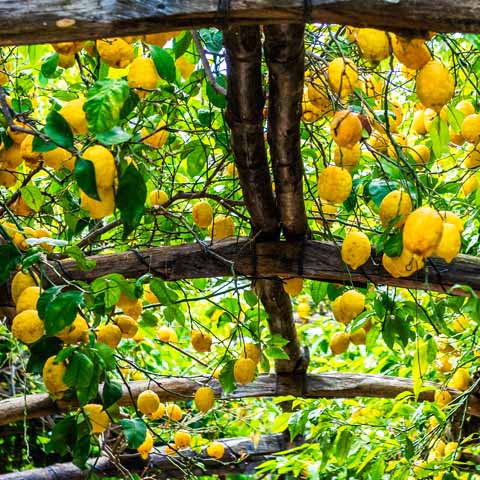
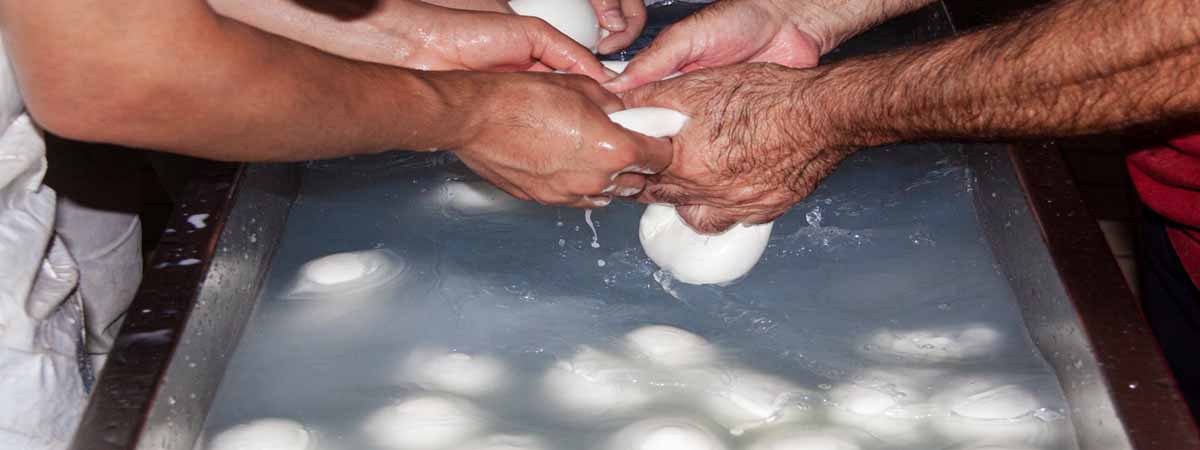
Beyond the city, the buffalo mozzarella dairies of the Campanian plains open their doors for morning visits, where travelers watch the day’s curd stretched and knotted by hand and taste mozzarella minutes old, still warm. Pair the dairy with a tomato farm in season, or with a limoncello terrace on the peninsula, and the day becomes a portrait of why this region feeds Italy’s imagination.

For travelers who plan whole journeys around the table, Naples anchors the south of any wine tasting and food tour of Italy: pizza at its source, volcanic vineyards, street food mornings, and pastry counters, each arranged with the people who actually make the food. We hand select every experience from what you tell us about how you love to eat.

How Do We Craft Culinary Journeys Through Naples?

A Trips 2 Italy culinary itinerary begins with how you love food, not with a fixed menu of activities. For some travelers that means hands-on: a market morning in the Pignasecca, then a pizza acrobatics session at the oven, then a family kitchen where the ragu secrets come with the stirring. For others it means the table: a progression of the city’s great dishes composed across neighborhoods and days, from street cone to fine dining room.

Because our team is Italian-born and has worked this region since 2003, the settings are authentic rather than staged: working dairies, family wineries on the volcano, the market stalls our cooks actually trust, and the pastry counters where the sfogliatella debate is settled daily. Anyone can eat well in Naples by accident. Eating brilliantly, in the right order, with the stories attached, is a designed experience.

Every culinary journey is composed around your dates and the season’s calendar, from spring artichokes to the tomato harvest to the vendemmia on Vesuvius, and it travels well: the same itinerary can flow south to the Amalfi Coast’s lemon terraces or across the bay to the island tables of Ischia. Tell us how you imagine eating in Naples, and we will build the days around the table.

Ready to Begin Planning Your Naples Vacation?

Naples deserves more than a template. Since 2003, Trips 2 Italy has designed private Italian vacations one traveler at a time, hand selecting every experience based on what you tell us rather than fitting you into a predefined package. Our Italian-born team plans Naples with the knowledge of people who call Italy home, from the Greek lanes of the centro storico to the vineyards on the slopes of Vesuvius, and we remain at your side throughout your trip with 24/7 assistance. Tell us how you imagine Naples, and we will craft the itinerary that matches it.

Explore Our Naples Vacation Itineraries

Frequently Asked Questions About Food and Wine in Naples

Naples is the birthplace of pizza and the home of ragu napoletano, spaghetti alle vongole, parmigiana di melanzane, buffalo mozzarella, and a celebrated street food tradition of fried cuoppo cones and pizza a portafoglio. Its pastries, led by the sfogliatella and rum-soaked baba, and its intense espresso culture complete one of the world’s great city kitchens.

Distinctly. True pizza napoletana uses slow-risen dough blistered in seconds in a fierce wood-fired oven, producing a soft, fragrant crust unlike any version abroad, and the craft of the Neapolitan pizzaiuolo is recognized by UNESCO as intangible cultural heritage. Trips 2 Italy arranges tastings across the historic quarters and hands-on sessions with master pizzaioli at the oven.

The signature Neapolitan pastry, filled with warm ricotta scented with candied citrus and cinnamon, made in two styles: the crackling, shell-shaped riccia and the tender shortcrust frolla. Eaten warm at a marble counter beside an espresso, it is the city’s definitive breakfast.

Begin with Lacryma Christi del Vesuvio, red and white wines grown in volcanic ash on the slopes of Vesuvius, then explore Campania’s ancient varieties: crisp Falanghina, the noble whites Fiano di Avellino and Greco di Tufo, and the powerful Aglianico reds of Taurasi. We arrange tastings with winemaking families on the volcano and in the Irpinian hills.

Yes, and the settings make the experience: pizza sessions at a working wood-fired oven, family kitchens where the Sunday ragu is taught with its stories, and market mornings in the Pignasecca that become lunch. Trips 2 Italy composes these hands-on days privately, matched to your appetite and pace.

The suspended coffee, a Neapolitan tradition in which a customer pays for two espressos and leaves one for a stranger in need. It captures the city’s everyday generosity, and learning the espresso ritual at a historic counter, glass of water first, cup scalding, is one of the smallest and best cultural experiences Naples offers.