
Piazzas in Italy: A Journey From Timeless Icons to Hidden Gems
In Italy, the “piazza” or town square, is far more than a mere architectural feature or a convenient crossroads. It is the living, breathing heart of every Italian city, town, and village, and a place where the rhythms of daily life pulse in harmony with centuries of tradition, transformation, and community. The piazza is where history and humanity intertwine, where the monumental grandeur of the past becomes the familiar backdrop for the present.
To enter an Italian piazza is to step into a living narrative, one that has been unfolding for generations. These spaces have witnessed the rise and fall of empires, the triumphs and struggles of communities, and the quiet beauty of everyday existence. Emperors once paraded here in triumphal splendor. Orators have raised their voices to inspire crowds. Artists and poets have drawn endless inspiration from the play of light across ancient stones. But the true magic of the piazza lies in its ability to make the extraordinary feel personal and the everyday feel significant.
Why Is the Piazza the Heart of Italian Life?
Every piazza is a stage, and every day brings a new act. In the morning, the square comes alive with vendors and shopkeepers, the air fragrant with fresh bread and ripe fruit. Children chase pigeons across sunlit cobblestones, while elders gather on benches to share stories and wisdom. As the day unfolds, the piazza becomes a place of commerce, conversation, and chance encounters. It is where friendships are kindled, romances blossom, and the bonds of community are quietly renewed.
Perhaps the most beloved ritual is the evening passeggiata, when the light softens and the square fills with the gentle hum of voices. Families, friends, and couples stroll arm in arm, exchanging greetings and savoring the simple joy of being together. The piazza glows with laughter, music, and the clinking of glasses from bustling cafés. Here, time seems to slow, allowing for moments of reflection, celebration, and connection that linger long after the sun has set.
Yet, the piazza is not only a place of joy and gathering; it is also a space of resilience and memory. It has stood firm through wars, revolutions, and natural disasters, bearing silent witness to the courage and endurance of the Italian people. Each stone is steeped in stories, from jubilant festivals to solemn processions, from impassioned rallies to quiet vigils. The piazza is the keeper of collective memory, a place where personal stories become part of the shared heritage of a community.
In every corner of Italy, from the smallest village to the grandest city, the piazza remains the soul of public life. It is where Italy’s past and present meet, where tradition is honored and new memories are made. Whether bustling with the energy of a market or bathed in the tranquil beauty of twilight, the piazza is a living testament to the enduring spirit, warmth, and artistry of Italian culture and a true celebration of life, in all its vibrant colors.
Origins and Evolution: The story of the Italian piazza is, at its core, the story of Italy itself. Its roots stretch back to ancient Rome, where the forum was the beating heart of every city and a space for debate, trade, worship, and celebration. These early forums were more than marketplaces; they were arenas of democracy, justice, and social exchange. As centuries passed and empires rose and fell, the concept of the central square evolved, shaped by shifting powers and changing tastes.
During the Middle Ages, piazzas began to take on new forms, often springing up in front of cathedrals or town halls, reflecting the growing influence of the Church and local governments. The Renaissance ushered in an era of urban planning, where symmetry, proportion, and beauty became guiding principles. Architects like Brunelleschi and Michelangelo transformed the piazza into a canvas for artistic expression, surrounding these open spaces with harmonious palaces, grand fountains, and intricate sculptures. The Baroque period added theatrical flair such as sweeping staircases, ornate facades, and fountains that danced with water and light.
Today, each piazza is a living palimpsest, bearing traces of every era it has survived. The stones beneath your feet may have seen Roman senators, medieval merchants, Renaissance artists, and modern-day revelers. Every piazza is a unique reflection of its city’s spirit that’s been shaped by centuries of change and continuity.
Community Life: If the piazza’s architecture is its body, then the people are its soul. The true magic of the Italian square is how it draws the community together, day after day, generation after generation. From the first light of dawn, the piazza awakens with life as market vendors set up their stalls, the aroma of fresh bread and coffee mingles in the air, and early risers gather for an espresso before work.
Throughout the day, the square is a crossroads for every walk of life. Children play in between fountains, their laughter echoing off ancient walls. Elderly residents sit in the shade, recounting stories as they watch the world go by. Friends gather at outdoor tables, sharing news, laughter, and the latest gossip over glasses of wine or cups of gelato. Lovers stroll hand in hand, weaving through the crowd, while artisans display their crafts and musicians fill the air with song.
The piazza is the original social network as an open forum where everyone belongs, regardless of age, background, or status. It is here that the pulse of Italian life can be most keenly felt in the warmth of human connection, the comfort of routine, and the spontaneous joy of shared experience.
Architectural Marvels: Italian piazzas are as visually diverse as the regions they inhabit, each one an architectural masterpiece in its own right. In some towns, the square is enclosed by medieval towers and labyrinthine alleys, their stones weathered by centuries of sun and rain. In others, it opens onto sweeping Renaissance palaces, their facades adorned with elegant arches and decorative cornices. Baroque piazzas dazzle with dramatic staircases, exuberant fountains, and churches crowned with domes that catch the afternoon light.
At the heart of many squares, statues of saints, poets, or civic heroes stand as silent sentinels, are reminders of the values, achievements, and aspirations of the community. Every detail, from the paving stones to the ironwork of lampposts, is a testament to the Italian passion for beauty, harmony, and craftsmanship. But beyond their visual splendor, these spaces are designed for people. Benches invite conversation, fountains offer refreshment, and wide, open spaces encourage movement and interaction. The architecture of the piazza is not just to be admired, it is to be lived in.
Cultural Traditions: Few rituals capture the essence of Italian life quite like the passeggiata. As the afternoon fades and the heat of the day softens, the piazza transforms into a living theater. Families, friends, and neighbors emerge from their homes, dressed in their best, to stroll through the square. Greetings are exchanged, stories are shared, and the cares of the day melt away in the golden light of evening.
This daily promenade is more than a walk; it is a celebration of community, a reaffirmation of belonging, and a chance to see and be seen. The piazza becomes a stage for life’s small dramas and joys, such as a child’s first steps, a reunion between old friends, a budding romance. The ritual of the passeggiata is a thread that weaves together generations, connecting past and present in a shared experience of beauty and togetherness.
Events and Festivals: Throughout the year, the piazza’s role as the community’s stage comes vividly to life. Open-air concerts fill the night with music, while art exhibitions transform the square into a gallery under the stars. Religious processions wind through the crowds, their solemnity balanced by the joyful chaos of street festivals, carnivals, and holiday markets.
Political rallies and public speeches echo the square’s ancient function as a forum for civic debate. Seasonal fairs bring color, flavor, and excitement, filling the piazza with laughter, lights, and the irresistible aromas of local specialties. Whether it’s the thunder of hooves during Siena’s Palio, the pageantry of Venice’s Carnival, or the quiet beauty of a Christmas market, the piazza is always at the center as Italy’s enduring engine of social and cultural life.
Which Iconic Piazzas Should Be on Every Italy Itinerary?
Italy’s iconic piazzas are more than architectural marvels; they are the soul of the nation, each one a vibrant canvas where centuries of art, power, and tradition converge. These legendary squares, whether nestled in the heart of ancient Rome, shimmering along the canals of Venice, or standing proud amid the Renaissance splendor of Florence, have witnessed the unfolding of history on a grand scale. Here, the spirit of Italy comes alive where emperors have been crowned, masterpieces unveiled, revolutions sparked, and timeless rituals carried on beneath the open sky. To wander through these celebrated piazzas is to trace the footsteps of generations, immersing yourself in the living heritage and enduring beauty that define the Italian experience.
What Makes Piazza Navona in Rome a Baroque Masterpiece?
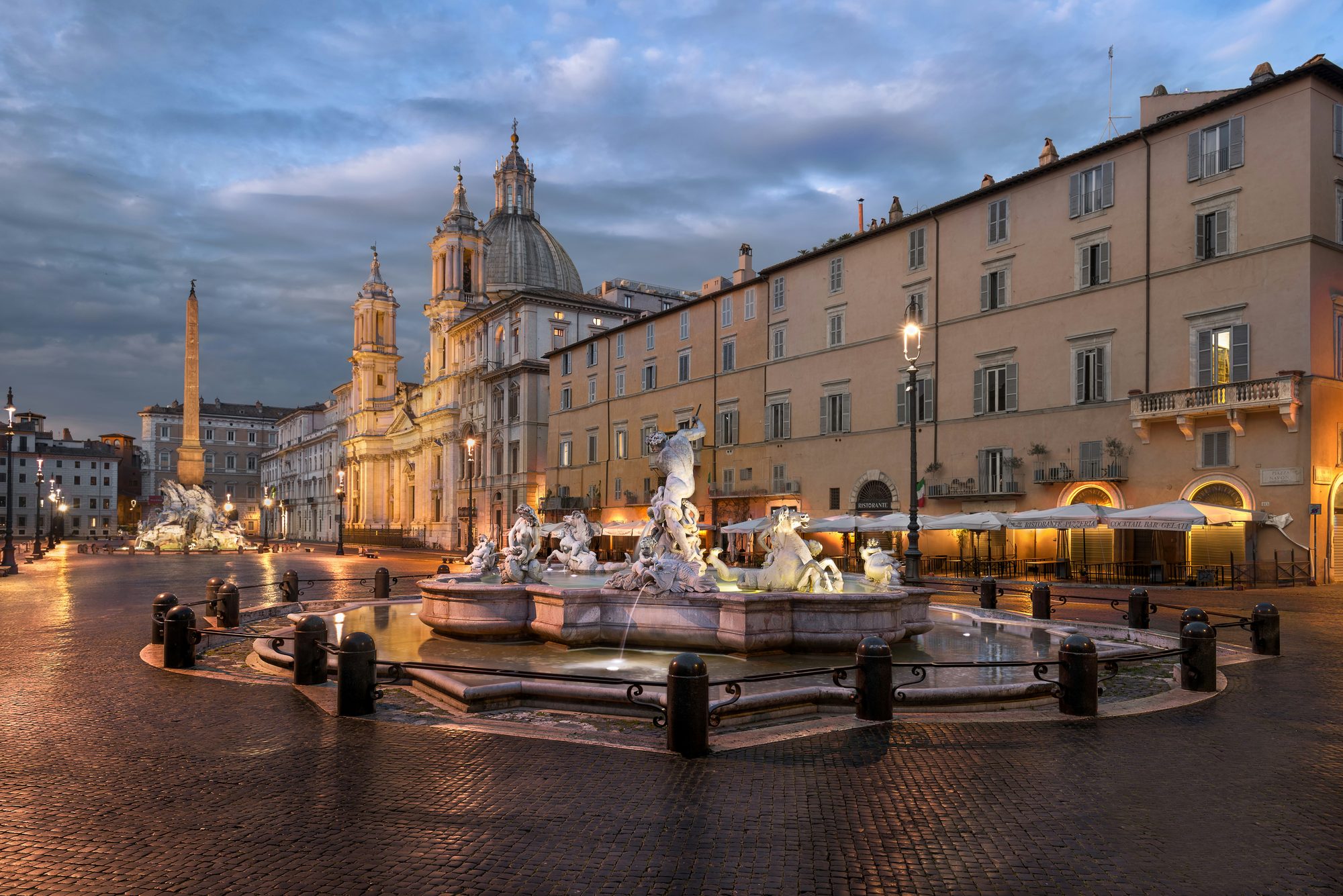
Step into Piazza Navona and you’re instantly swept into a living tapestry where Rome’s ancient soul and Baroque brilliance intertwine. Once the roaring heart of the Stadium of Domitian, this iconic square still echoes with centuries of spectacle in its unique, elongated oval a direct inheritance from the days when 30,000 Romans gathered for thrilling athletic games.
Today, Piazza Navona dazzles as a masterpiece of art, architecture, and everyday Roman life. At its vibrant core stands Bernini’s Fontana dei Quattro Fiumi (Fountain of the Four Rivers), a breathtaking swirl of marble and imagination. Each river god, which represents the Nile, Ganges, Danube, and Rio de la Plata, emerges in dramatic motion, surrounded by exotic creatures and lush details that celebrate the global curiosity of the Baroque era. Rising above, an ancient Roman obelisk pierces the sky, a striking symbol of the city’s eternal legacy.
Across from Bernini’s theatrical creation, the Church of Sant’Agnese in Agone commands attention with its graceful curves and soaring dome, the work of Borromini and Rainaldi. Here, the playful rivalry between Rome’s greatest architects is frozen in stone, their visions forever locked in a silent, magnificent dialogue. Framing the square, elegant palazzi in warm ochre and terracotta hues bask in the sunlight, their facades bearing witness to centuries of Roman stories.
Yet, it’s the vibrant pulse of daily life that truly defines Piazza Navona. For generations, this has been a beloved gathering place which hosts lively festivals, bustling markets, and public celebrations that bring Romans and visitors together. In summer, the square comes alive with artists sketching, musicians serenading, and the joyful hum of conversation. Come winter, the Christmas market transforms the piazza into a wonderland of twinkling lights and festive cheer.
How Did Michelangelo Shape Piazza del Campidoglio in Rome?
Crowning the Capitoline Hill, the most storied of Rome’s seven hills, Piazza del Campidoglio stands as a breathtaking testament to vision, renewal, and the enduring dialogue between past and present. Conceived by Michelangelo in the 16th century, this Renaissance masterpiece transformed a neglected medieval outpost into the very heart of civic pride and artistic ingenuity.
Michelangelo’s genius is evident in every line and angle. Breaking from tradition, he designed the square with a striking trapezoidal plan, drawing visitors’ eyes inward and upward. The harmonious symmetry, accentuated by graceful balustrades and rhythmic paving patterns, creates a sense of order and invitation. His bold decision to orient the piazza toward St. Peter’s Basilica, where rather than the ancient Roman Forum bridges Rome’s pagan origins with its Christian destiny, weaving centuries of history into a single, unified vision.
Ascending the broad, gently sloping Cordonata staircase, you feel the deliberate dignity Michelangelo intended as an ascent not just in elevation, but in spirit. At the piazza’s center, the imposing equestrian statue of Marcus Aurelius commands attention. This bronze marvel, miraculously preserved from antiquity, embodies ideals of enlightened leadership and has watched over the city through centuries of change.
Framing the square are three elegant palaces, each with its own story. The Palazzo Senatorio, with its stately façade and ancient foundations, serves as Rome’s city hall and a living symbol of governance and resilience. Flanking it, the Palazzo dei Conservatori and Palazzo Nuovo house the Capitoline Museums, whose galleries overflow with treasures of ancient Roman sculptures, Renaissance paintings, and artifacts that chronicle the city’s epic journey through time.
Piazza del Campidoglio is more than an architectural gem, it’s a stage for history. Here, papal processions, civic ceremonies, and public celebrations have unfolded against a backdrop of marble and sky. The piazza’s elevated position offers sweeping, panoramic views of the Roman Forum below and a daily reminder of Rome’s layered legacy and ceaseless capacity for reinvention.
To linger here is to witness Michelangelo’s dream realized that a space where the grandeur of antiquity and the optimism of the Renaissance meet, inviting all who visit to reflect on Rome’s timeless spirit of beauty, renewal, and civic pride.
Why Is Pisa's Piazza dei Miracoli Called the Square of Miracles?
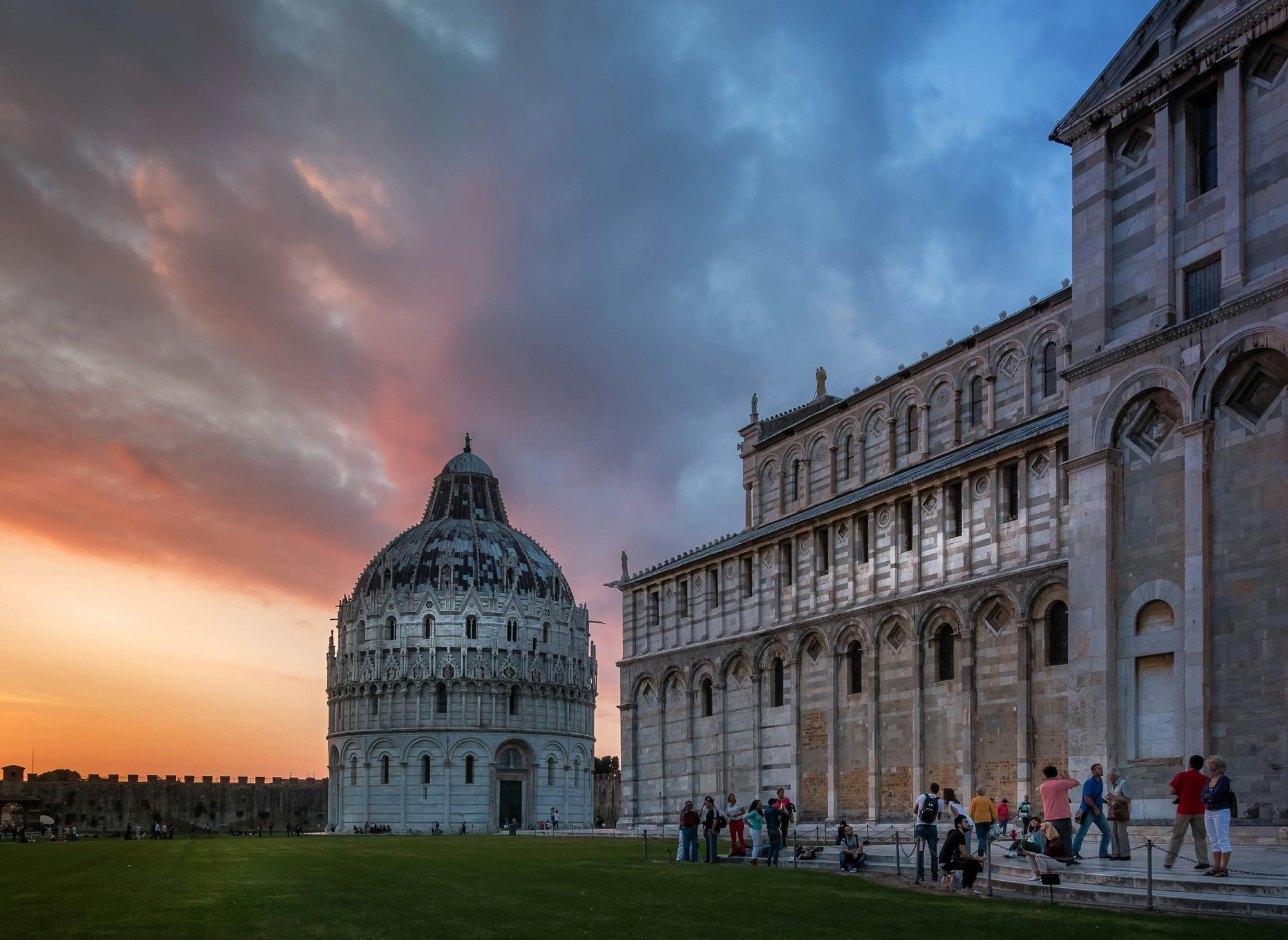
Step onto the emerald lawns of Pisa’s Piazza dei Miracoli and you’re instantly transported into a realm where faith, ingenuity, and artistic daring converge beneath the Tuscan sky. Few places on earth command such awe at first glance, but here, four architectural wonders stand in harmonious dialogue, their marble forms glowing against the vibrant green, echoing centuries of spiritual aspiration and civic pride.
At the heart of the piazza rises the Primatial Metropolitan Cathedral of the Assumption of Mary, begun in 1064 as a bold declaration of Pisa’s power and ambition. Its luminous facade, woven with intricate arches, slender columns, and glistening mosaics, reflects the city’s storied ties to distant lands and a crossroads of Mediterranean culture and commerce. Step inside, and you’re enveloped by a world of Byzantine-inspired mosaics, gilded ceilings, and the masterful pulpit sculpted by Nicola Pisano, whose artistry bridges classical antiquity and the blossoming Renaissance.
Beside the cathedral, the Baptistery’s pure white curves and soaring dome create a sense of serene grandeur. As the largest baptismal church in Italy, it is renowned not only for its size but for its miraculous acoustics. Each note sung beneath its dome lingers and multiplies, transforming a single voice into a celestial chorus. It’s an experience that blurs the line between the earthly and the divine, a living metaphor for the unity of faith and creativity.
No visitor can resist the magnetic pull of the Leaning Tower, Pisa’s world-famous Campanile. Intended as the cathedral’s bell tower, its unintended tilt has captivated the imagination for centuries. What began as a structural flaw has become a global symbol of resilience, curiosity, and the enduring human spirit, which is a monument that embraces imperfection and triumphs over adversity. The climb to the top rewards the adventurous with sweeping views over Pisa and the rolling Tuscan landscape beyond.
Completing this sacred ensemble is the Camposanto Monumentale, a tranquil cloister said to be built upon soil brought from Golgotha during the Crusades. Within its marble walls, delicate frescoes, which few have faded, others miraculously preserved, tell timeless stories of life, death, and redemption, inviting quiet reflection amid the hush of history.
More than a collection of monuments, Piazza dei Miracoli is a living testament to the medieval dream of reaching for the heavens, of crafting beauty that defies the centuries. It’s a place where every stone speaks of devotion, innovation, and the enduring quest to leave a mark upon the world and invite all who visit to pause, marvel, and believe in miracles.
Why Is Piazza San Marco Called Europe's Drawing Room?
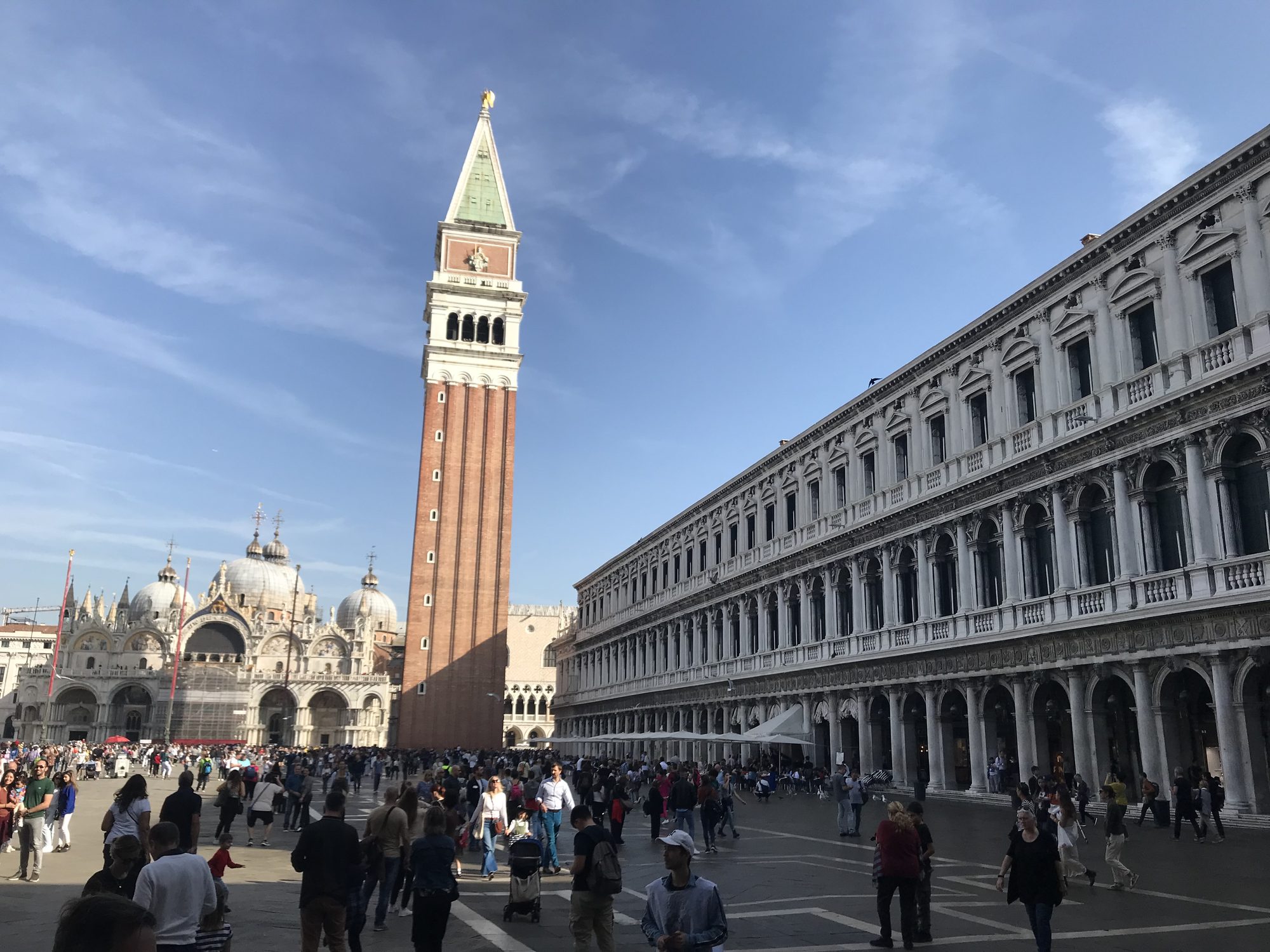
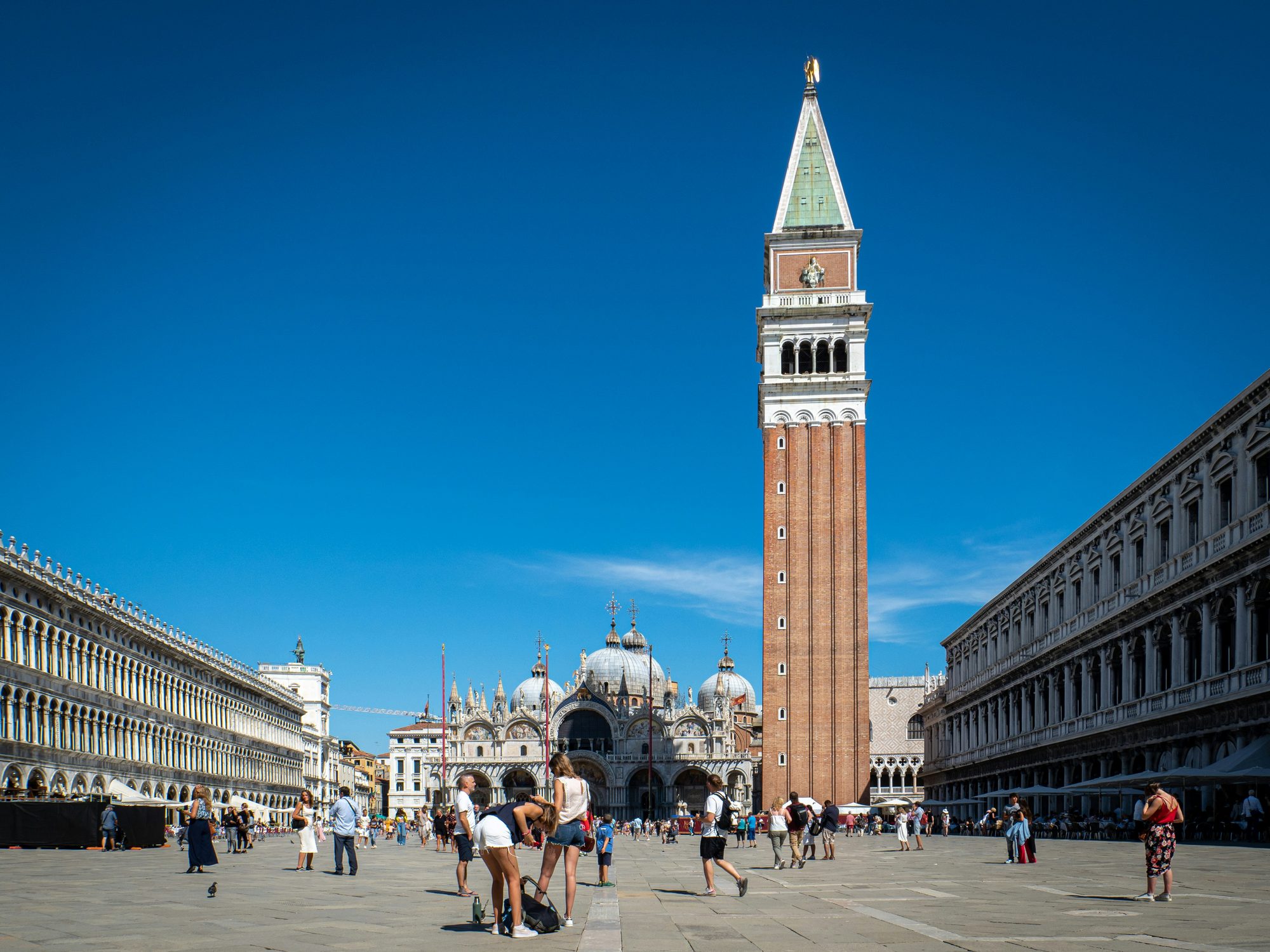
Piazza San Marco is Venice’s luminous stage where centuries of history, artistry, and human drama unfold beneath the open sky. Often called “the drawing room of Europe,” this grand square is the city’s beating heart, a place where the wonders of East and West converge and where every stone seems to echo with stories of splendor and intrigue.
At its core stands the Basilica di San Marco, a dazzling fusion of Byzantine opulence and Venetian ambition. Its five onion domes soar above the city, their gilded mosaics and intricate marble inlays shimmering in the ever-changing light. The facade is a living tapestry where each arch, statue, and glinting glass tile is a testament to Venice’s centuries as a maritime superpower, its treasures amassed through bold trade, exploration, and devotion. Step inside, and you’re enveloped by a golden glow of mosaics unfurling biblical tales, marble floors rippling like the lagoon itself, and the relics of saints whispering of faith and fortune.
Beside the basilica rises the Campanile, the square’s iconic bell tower. Once a lighthouse for returning sailors and a sentinel against the threat of fire or invasion, today it offers panoramic views of Venice’s rooftops and the endless blue of the lagoon. Its bells still toll across the city, marking the hours and weaving together the daily rhythms of Venetian life.
On either side of the square, the Procuratie Vecchie and Nuove form graceful arcades, their elegant facades framing the piazza in stately harmony. These were once the offices and residences of Venice’s most powerful magistrates but now, beneath their arches, world-famous cafés like Caffè Florian and Gran Caffè Quadri invite you to linger where poets, artists, and revolutionaries once gathered, sipping coffee and watching the world drift by.
The Torre dell’Orologio, with its brilliant blue and gold clock face, presides over the square’s entrance. Each hour, bronze Moors strike the bell, and the mechanical parade of figures above reminds all who gather here of time’s passage and the city’s enduring pageantry.
Piazza San Marco has long been the stage for Venice’s grandest spectacles, from the masked revelry of Carnival to the solemn processions of doges and dignitaries. In moments of “acqua alta,” when the lagoon rises and the square is transformed into a shimmering mirror, visitors wade across wooden walkways, the scene both surreal, poetic and a living reminder of Venice’s delicate beauty and resilience.
Even today, the piazza pulses with life when orchestras serenade guests at candlelit tables, pigeons wheel in playful flocks, and the soft murmur of voices blends with the echo of footsteps on ancient stones. Here, the magic of Venice is distilled, timeless, enchanting, and forever inviting you to pause, look up, and become part of its extraordinary story.
Why Is Piazza della Signoria Florence's Open-Air Gallery?
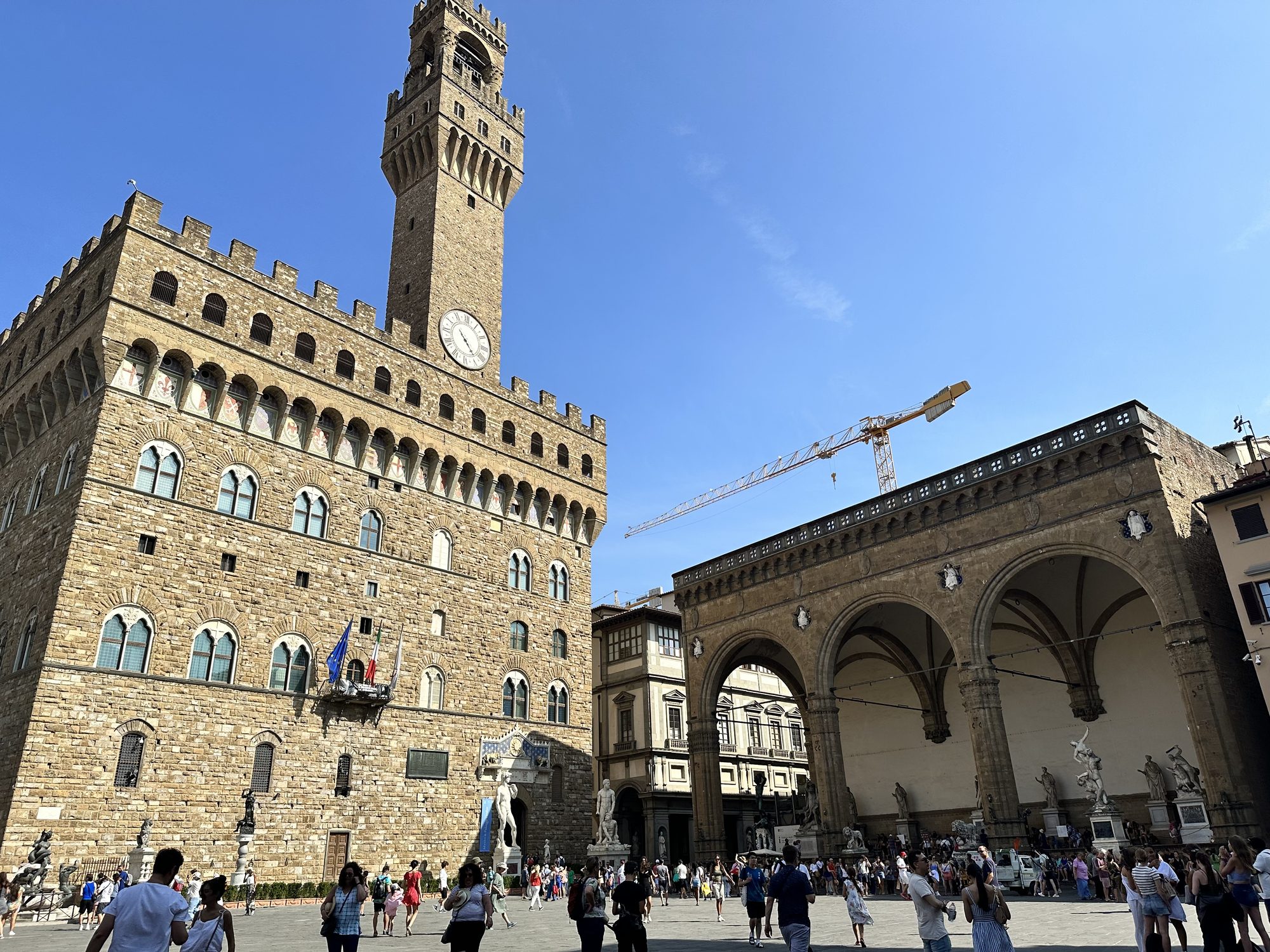
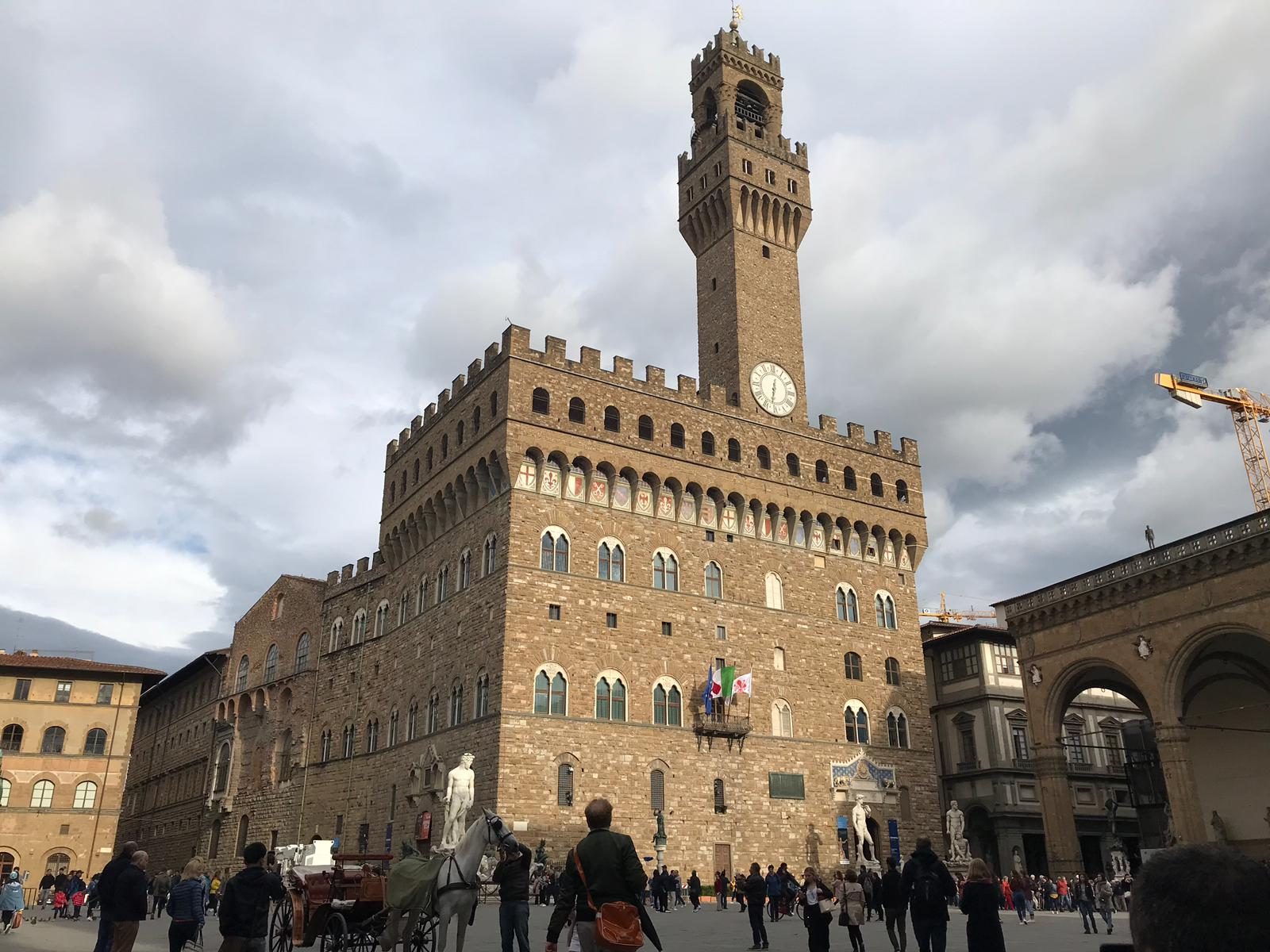
In the very heart of Florence, Piazza della Signoria unfolds as a living stage where the city’s political intrigue, artistic genius, and civic pride have played out for centuries. Every stone and sculpture in this storied square seems to pulse with the energy and ambition that fueled the Renaissance, making it a place where history and art converge in the open air.
Dominating the piazza is the formidable Palazzo Vecchio, its fortress-like walls and soaring crenellated tower standing as enduring witnesses to Florence’s turbulent past. Once the seat of the Florentine Republic and later the private residence of the Medici, the palazzo embodies both the city’s fierce independence and the grandeur of its most powerful family. Its facade, adorned with coats of arms and centuries-old inscriptions, whispers tales of secret councils, bold decrees, and the ever-shifting balance of power.
Yet, it’s the square’s unique role as an open-air museum that truly sets it apart. The Loggia dei Lanzi, with its graceful arches and elegant columns, shelters a breathtaking collection of Renaissance and Mannerist masterpieces. Here, Benvenuto Cellini’s Perseus with the Head of Medusa gleams in bronze, a dramatic testament to Florentine artistry and myth. Nearby, Giambologna’s Rape of the Sabine Women twists upward in a stunning display of movement and emotion, while the chilling beauty of these sculptures invites contemplation from every angle.
Standing sentinel before the Palazzo Vecchio is a replica of Michelangelo’s David, originally unveiled here in 1504 as a bold symbol of the city’s defiance and love of liberty. Though the original now resides in the Accademia, this faithful reproduction continues to inspire awe, reminding visitors of Florence’s enduring spirit.
The Fountain of Neptune, crafted by Bartolomeo Ammannati, anchors the square with its striking marble figures and shimmering water is a celebration of Florence’s maritime ambitions and its connection to the wider world. Not far away, the powerful equestrian statue of Cosimo I de’ Medici, sculpted by Giambologna, proclaims the might and vision of the dynasty that shaped Florence’s destiny.
Over the centuries, Piazza della Signoria has been the backdrop for grand festivals, impassioned public debates, and even somber executions, each event leaving an indelible mark on the city’s collective memory. Today, the square is alive with the rhythms of daily life where artists sketch under the Tuscan sun, street musicians fill the air with melody, and Florentines and travelers alike gather to savor the vibrant spirit of their city.
What Makes Piazza del Campo the Soul of Siena?
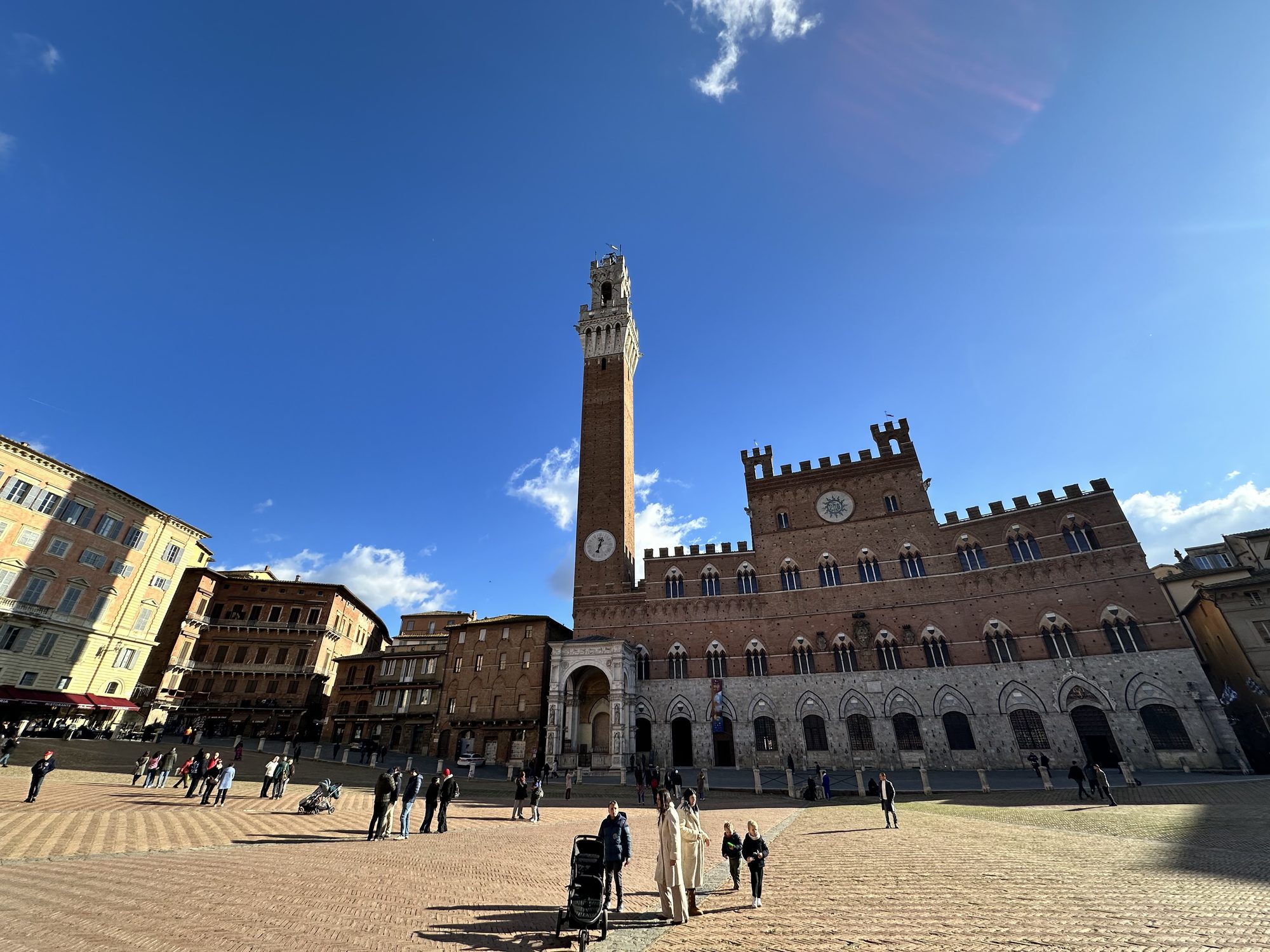
Piazza del Campo is the beating heart of Siena with a masterpiece of medieval urban planning that radiates harmony, community, and centuries-old tradition. Its unique shell-shaped design, gently fanning out from the Palazzo Pubblico like the unfolding petals of a flower, is both visually stunning and deeply symbolic. Conceived in the 13th century as a gathering place for all citizens, the square embodies Siena’s enduring devotion to civic unity and shared identity.
The Campo’s subtle slope and warm red brick paving create a natural amphitheater, drawing both locals and visitors toward the majestic Palazzo Pubblico. This elegant Gothic palace, with its crenelated facade and soaring Torre del Mangia, dominates the square. Its silhouette etched against the Tuscan sky. Step inside and you’re greeted by frescoed halls that are true treasures of Sienese art, including Ambrogio Lorenzetti’s famous “Allegory of Good and Bad Government,” a vivid reminder of the city’s ideals and aspirations.
Rising beside the palazzo, the Torre del Mangia offers a breathtaking ascent. Climb its narrow steps and you’re rewarded with sweeping, panoramic views. Siena’s honey-hued rooftops, the rolling hills of the Val d’Orcia, and the patchwork of vineyards that define the region. From this vantage point, the city’s medieval soul feels both intimate and infinite.
Twice each summer, the Piazza del Campo is utterly transformed by the Palio which is Siena’s legendary bareback horse race. This electrifying event, rooted in medieval ritual, is far more than a competition; it is a living testament to the city’s passion, pride, and fierce neighborhood rivalry. For days, the square vibrates with anticipation as banners flutter, drums echo through winding streets, and processions of costumed participants parade past cheering crowds. When the race begins, the Campo becomes a cauldron of color and emotion, as riders representing the city’s contrade thunder around the track in a heart-stopping burst of speed and tradition.
Yet, even outside the fevered days of the Palio, the Campo pulses with everyday life. Students sprawl on the sun-warmed bricks, couples share gelato on the steps, and friends gather at outdoor cafés to savor the city’s gentle rhythms. The square’s harmonious proportions and welcoming spirit have inspired poets, painters, and travelers for generations, making it not just a public space, but the very soul of Siena itself as a place where history, community, and beauty are forever intertwined.
What Gives Piazza San Carlo in Turin Its Baroque Elegance?
Step into Piazza San Carlo and you’re enveloped by an air of refined elegance where an open-air salon where Turin’s aristocratic spirit and everyday life intertwine beneath grand arcades and golden light. Laid out in the 17th century, this stately square is the city’s beating heart, a place where history, art, and the rituals of Turinese life have played out for generations.
Originally conceived as a stage for royal processions and public gatherings, Piazza San Carlo’s harmonious proportions and sweeping symmetry reflect the ambitions of the House of Savoy. The square is flanked by twin Baroque churches, Santa Cristina and San Carlo Borromeo, whose ornate facades stand as sentinels at the southern end, their bell towers rising above the rooftops in perfect balance. Beneath the arcades, elegant cafes and boutiques beckon, their interiors rich with gilded mirrors and the scent of freshly ground coffee.
At the center of the piazza, the equestrian statue of Emanuele Filiberto, cast in bronze in 1838, commands attention. The Duke of Savoy is depicted sheathing his sword as a gesture of peace after battle, and his presence is a proud reminder of Turin’s pivotal role in Italian history. Locals affectionately call this monument “Caval ‘d Brons,” and it’s a favorite meeting spot for friends and lovers alike.
Yet, Piazza San Carlo is more than a triumph of architecture; it’s a living canvas for Turinese life. In the morning, the square is peaceful, bathed in soft light as early risers sip bicerin, a decadent blend of coffee, chocolate, and cream at historic cafes like Caffè San Carlo and Caffè Torino. By afternoon, the arcades fill with shoppers and students, their footsteps echoing on centuries-old stones. Come evening, the piazza glows with the warm chatter of aperitivo hour, when glasses clink and laughter drifts beneath the colonnades.
Throughout the year, Piazza San Carlo hosts open-air concerts, art exhibitions, and festive markets that draw crowds from across the city and beyond. Framed by palazzi in soft shades of cream and gold, Piazza San Carlo is a masterpiece of urban harmony and a place where the grandeur of the past and the vibrancy of the present coexist in perfect balance.
Why Is Piazza del Plebiscito the Grand Stage of Naples?
Step into Piazza del Plebiscito and you’re greeted by a vast, sun-drenched expanse where Naples’ spirited soul and centuries of history converge. Framed by sweeping colonnades and the domed majesty of the Basilica di San Francesco di Paola, this monumental square is the city’s open-air theater and a place where grand ceremonies, everyday encounters, and the pulse of Neapolitan life unfold beneath the southern sky.
Conceived in the early 19th century as a tribute to King Joachim Murat, and later named for the 1860 plebiscite that unified Naples with the Kingdom of Italy, Piazza del Plebiscito has always been a stage for civic pride and public celebration. Its harmonious semicircle embraces visitors, with the stately Royal Palace anchoring one side and the church’s neoclassical columns unfurling in a graceful arc opposite. The symmetry is striking, yet softened by the gentle bustle of locals and travelers who cross the piazza at all hours.
At the heart of the square, there are two equestrian statues, Charles III of Spain and Ferdinand I, who stand sentinel as their bronze forms catch the golden light as the day unfolds. Children dart around them, playing games that echo between the stones, while musicians and street performers add a soundtrack unique to Naples that’s lively, passionate, and just a bit unpredictable.
Yet, Piazza del Plebiscito is more than a showpiece of Neapolitan grandeur, it’s a living canvas for the city’s daily rituals. In the morning, the square is serene, kissed by the soft glow of early sun as locals stroll from the nearby Galleria Umberto I or pause for a quick espresso at a corner cafe. By afternoon, the space fills with a lively parade of students, artists, and families, their voices mingling with the distant hum of Vespas and the aroma of fresh sfogliatelle from nearby bakeries. As evening falls, the piazza transforms into a gathering place for concerts, open-air festivals, and impromptu celebrations. It’s wide stones reflecting the twinkle of city lights and the laughter of friends reunited.
Surrounded by palazzi in warm hues of ochre and cream, Piazza del Plebiscito is a masterpiece of urban drama and a place where Naples’ grand past and vibrant present meet in a perfect, sunlit embrace.
Which Lesser-Known Piazzas in Italy Are Worth the Detour?
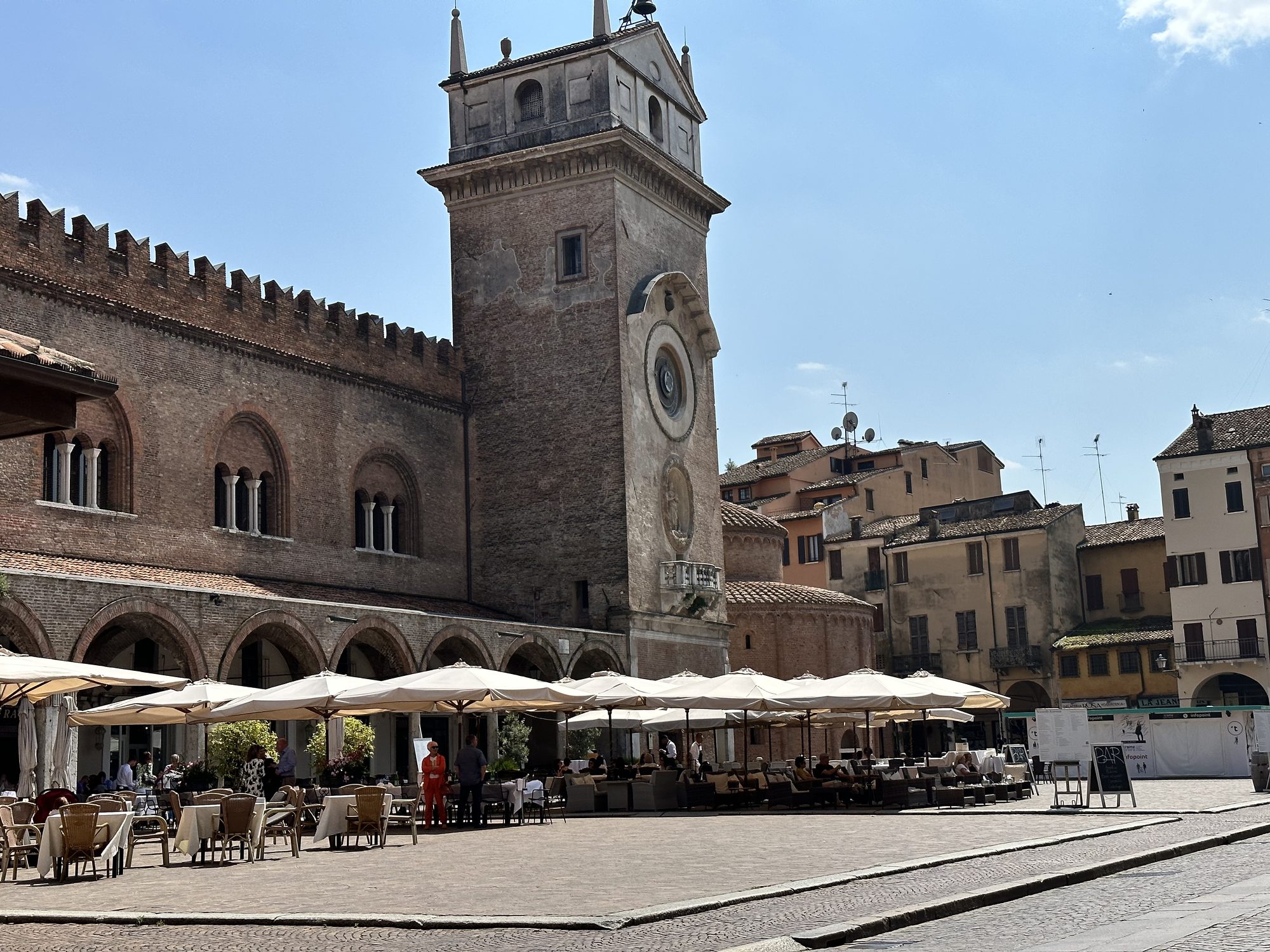
While Italy’s famous squares often capture the headlines, the country’s lesser-known piazze are just as captivating, each one offering its own unique blend of character, history, and authentic charm. Whether nestled in medieval hill towns, lively coastal villages, or vibrant neighborhoods in celebrated cities like Verona, Amalfi, and Palermo, these piazzas invite you to experience Italian life up close. Some buzz with energy and local festivities, while others provide a more laid-back atmosphere, but all are rich with centuries-old traditions, friendly gatherings, and the unmistakable spirit of community. Discovering these hidden or lesser-explored piazzas reveals the heart of Italy, where stories are shared, culture thrives, and the beauty of everyday moments truly shines.
Why Do Architects Admire Piazza Vecchia in Bergamo?
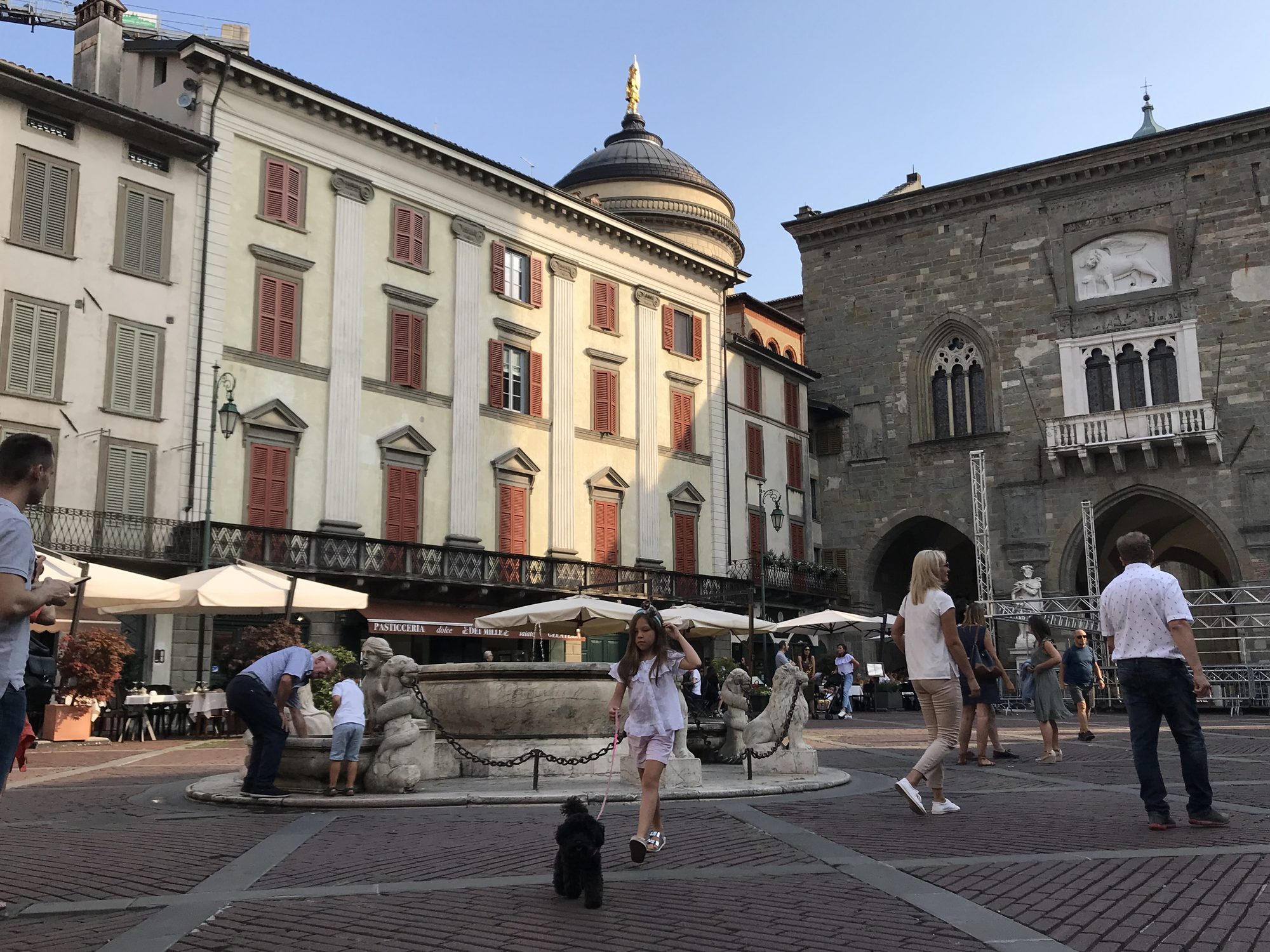
Tucked within the winding stone streets of Bergamo’s storied Citta Alta, Piazza Vecchia radiates a rare blend of Renaissance harmony and old-world tranquility. Laid out in the 15th century, this perfectly proportioned square is the beating heart of Bergamo’s upper town, a place where the ideals of order, beauty, and civic pride have been lovingly preserved for generations.
As you step onto the smooth paving stones, you’re greeted by a tableau of refined architecture. The square’s harmonious facades are a testament to Renaissance ideals framing the space in a gentle embrace, their pale stone glowing softly in the Lombard sunlight. At the center, the elegant Contarini Fountain anchors the piazza with its sculpted lions and sphinxes, a graceful Venetian gift that whispers of Bergamo’s centuries under the wing of La Serenissima. The gentle trickle of water and the protective gaze of the stone guardians invite moments of quiet reflection and wonder.
Dominating one side is the Palazzo della Ragione, its arched portico and airy loggia recalling the city’s proud days as a free commune. Here, public debates and civic decisions once shaped Bergamo’s destiny, the echoes of democracy lingering beneath the vaulted ceilings. Rising above, the Campanone is Bergamo’s ancient civic tower marks the passing of each evening with one hundred solemn tolls, a tradition that once signaled the closing of the city gates and now connects the present to centuries of communal life.
On the opposite side, the Biblioteca Civica Angelo Mai stands as a sanctuary of knowledge. Within its stately halls, precious manuscripts and rare volumes rest in quiet splendor, embodying Bergamo’s enduring love of learning and culture. The library’s presence lends the square an air of intellectual gravitas, balancing its visual grace with the weight of history and scholarship.
Yet, Piazza Vecchia is never merely a relic of the past. By day, the square hums with life as locals and travelers linger at sun-dappled café tables, savoring espresso or aperitivi while basking in the tranquil atmosphere. Children chase pigeons across the stones, and the laughter of friends mingles with the distant peal of bells. As evening falls, the surrounding hills blush with golden light, and the piazza transforms into a serene stage for conversation, contemplation, and community.
Praised by architects from Le Corbusier to the present day for its perfect proportions and timeless beauty, Piazza Vecchia remains a living symbol of Bergamo’s spirit where history, artistry, and daily life blend seamlessly in a space that invites all who enter to pause, breathe, and be inspired.
What Makes Piazza delle Erbe in Verona So Colorful?
Piazza delle Erbe pulses with the vibrant spirit of Verona, a city where centuries of history, art, and daily life blend in a dazzling mosaic. Once the bustling Roman forum, this storied square has been the city’s marketplace and social crossroads for over two thousand years, its stones worn smooth by the footsteps of merchants, nobles, and dreamers alike.
Today, the piazza dazzles the senses with its kaleidoscope of colors and architectural styles. On one side, medieval houses adorned with faded frescoes and flower-filled balconies stand as silent storytellers, their facades whispering tales of Veronese families and Renaissance intrigue. Opposite, the ornate Baroque Palazzo Maffei commands attention, its rooftop lined with statues of Greek gods who are silent guardians gazing out over the ever-changing scene below.
Soaring above it all is the Torre dei Lamberti, a medieval tower whose panoramic heights offer breathtaking views of Verona’s rooftops, church spires, and the Adige River winding through the city. From this lofty perch, the square’s lively rhythm unfolds like a painting in motion: market stalls brimming with seasonal flowers, glistening fruits, and the irresistible aromas of local delicacies such as freshly baked focaccia, tangy cheeses, and sweet candied almonds.
At the very heart of the piazza stands the ancient fountain of Madonna Verona, its statue a graceful survivor from Roman times. The gentle splash of water mingles with the laughter of children, the chatter of vendors, and the melodic lilt of passing conversations, creating a soundtrack as timeless as the city itself.
Piazza delle Erbe is more than a marketplace, it’s a living stage where past and present intertwine. Here, every corner reveals a new surprise: a hidden alleyway, a centuries-old pharmacy, a sunlit café perfect for people-watching. The square has witnessed the rise and fall of empires, the poetry of Dante, the passion of star-crossed lovers, and the everyday rituals that define Veronese life.
Why Is Piazza dei Signori Verona's Noble Heart?
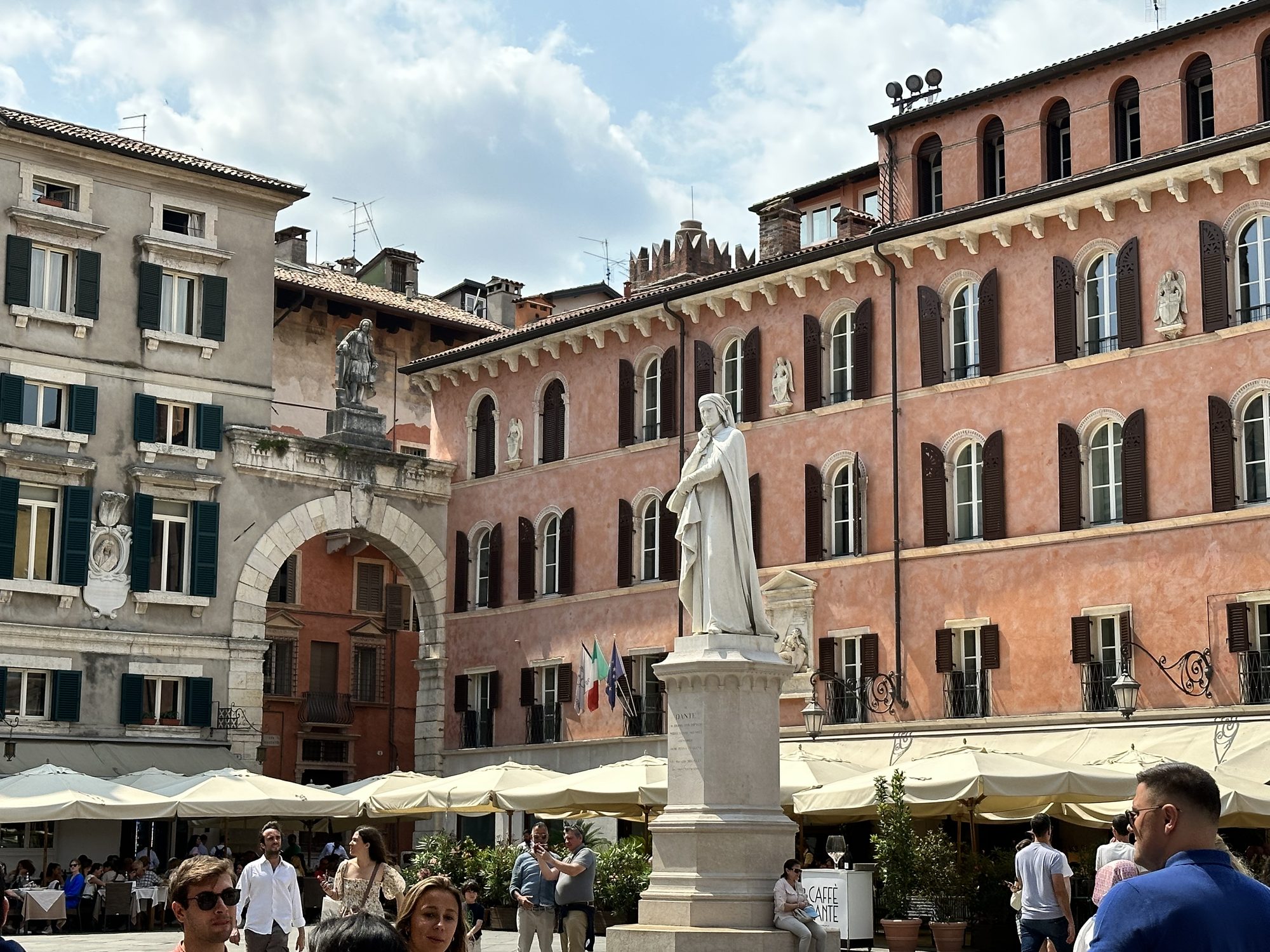
Just steps away from the lively bustle of Piazza delle Erbe, Piazza dei Signori offers a striking contrast a haven of elegance and quiet grandeur at the very core of Verona’s historic center. For centuries, this refined square has been the stage for the city’s political life and noble ambitions, its harmonious proportions and stately architecture reflecting the dignity of Verona’s ruling elite.
Enclosed by a graceful ensemble of Renaissance and medieval palaces, the piazza radiates a sense of timeless order. The Palazzo della Ragione, with its imposing brick facade and arched windows, once served as Verona’s courthouse and seat of civic authority and a silent witness to the judgments and debates that shaped the city’s destiny. Opposite, the Loggia del Consiglio stands as a masterpiece of Renaissance design, its airy arcades and ornate statues honoring the great minds and leaders of Verona’s storied past.
At the heart of the square stands the solemn figure of Dante Alighieri, cast in white marble. Exiled from Florence, the poet found sanctuary in Verona, and his statue here is both a tribute to his genius and a symbol of the city’s enduring hospitality to artists and thinkers. The presence of Dante imbues the square with an air of reflection and literary pride, inviting visitors to pause and contemplate the city’s rich cultural legacy.
Piazza dei Signori has borne witness to the ebb and flow of power dynasties rising and falling, princes and poets crossing its stones, and the rhythms of civic life unfolding against a backdrop of refined beauty. Today, its arcades shelter lively cafés and artisan shops, while the square itself transforms throughout the year: hosting vibrant cultural festivals, open-air concerts, and gatherings that bring Veronese together in celebration of their shared heritage.
What Makes Prato della Valle in Padua So Monumental?
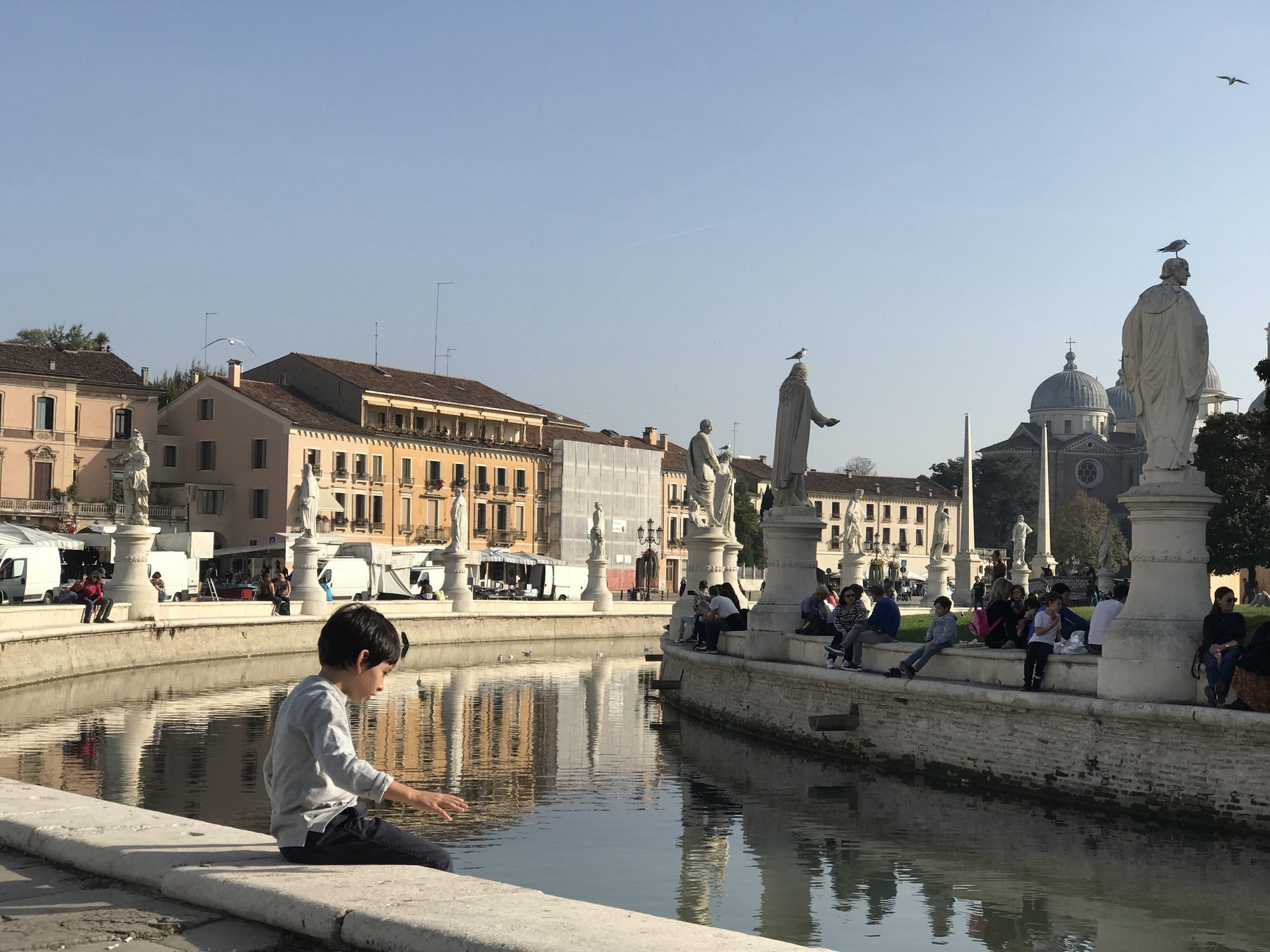
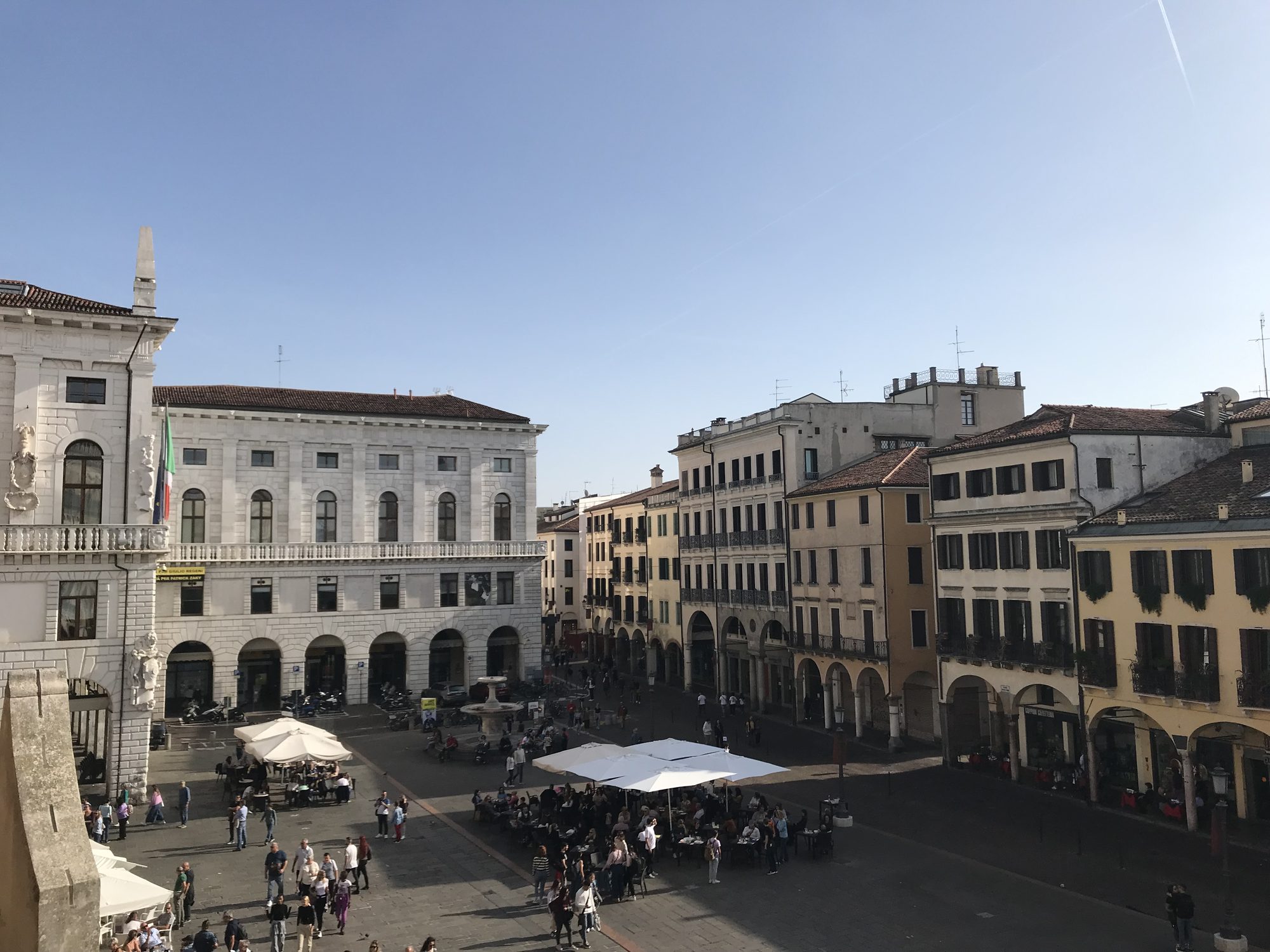
Prato della Valle unfolds like a living canvas at the heart of Padua and a breathtaking expanse that marries monumental grandeur with a sense of serene intimacy. As one of Europe’s largest public squares, its vast elliptical form is both awe-inspiring and welcoming, inviting visitors to linger, stroll, and savor the city’s timeless rhythms.
Encircling the square is a graceful canal, its waters reflecting the sky and the stately procession of 78 statues that line its banks. Each stone figure stands as a silent tribute to Padua’s illustrious sons and daughters: scholars who shaped the Renaissance, artists whose visions endure, and statesmen who guided the city’s destiny. Together, they form an open-air hall of fame, embodying centuries of intellectual curiosity and cultural achievement.
At the heart of Prato della Valle lies the Isola Memmia, a verdant island shaded by ancient trees and accessed via four elegant bridges. Here, the gentle rustle of leaves mingles with the laughter of children and the quiet conversations of friends enjoying a picnic or a leisurely afternoon. The island’s peaceful paths and shaded benches offer a tranquil retreat, even as the grand scale of the square stretches out in every direction.
Throughout the year, Prato della Valle pulses with life, hosting vibrant festivals, bustling markets, and open-air concerts that draw crowds from near and far. On weekends, the square fills with the aroma of fresh produce, flowers, and street food, while evenings often bring music and celebration beneath the stars. Despite its monumental size, the square’s gentle contours and lush greenery create intimate spaces for reflection, making it a cherished haven for both locals and visitors.
Why Is Piazza Maggiore the Soul of Bologna?
Piazza Maggiore is the vibrant soul of Bologna and a grand, open space where the city’s past and present converge in a lively celebration of community, culture, and civic pride. Since the 13th century, this square has been the stage for Bologna’s most significant events, its stones worn smooth by centuries of footsteps, processions, and daily rituals.
Framed by a harmonious ensemble of medieval and Renaissance architecture, the piazza tells the ongoing story of Bologna’s rise to prominence. The majestic Basilica di San Petronio, with its vast, unfinished façade, anchors one side of the square. Intended to rival even St. Peter’s in Rome; its incomplete marble cladding stands as a powerful symbol of both ambition and the ever-changing fortunes of the city. Step inside, and you’re greeted by soaring Gothic vaults, luminous stained glass, and the world’s longest meridian line, which is a testament to Bologna’s blend of faith, science, and artistry.
To one side, the Palazzo d’Accursio presides over the square with stately confidence. Once the seat of the city’s government, this palace is a treasure trove of history as its grand halls are adorned with frescoes, its walls lined with centuries of civic memory. Today, it houses the city’s art collections and offers panoramic views from its clock tower, inviting visitors to see Bologna from a new perspective.
At the border of Piazza Maggiore, the Fountain of Neptune commands attention as a masterpiece of Renaissance sculpture by Giambologna. The bronze god, trident raised, is surrounded by playful cherubs and sea creatures, symbolizing Bologna’s prosperity and its vital role as a crossroads of trade and ideas. The gentle splash of water and the gleam of bronze catch the changing light, adding a sense of movement and vitality to the scene.
But it is the daily life of Piazza Maggiore that truly defines its spirit. Students from the world’s oldest university lounge on the steps, their laughter mingling with the melodies of street musicians performing beneath the sheltering porticoes. Locals gather at outdoor cafés for lively conversation, while families stroll across the square, savoring gelato or pausing to admire the ever-changing cast of artists, performers, and market stalls.
As evening falls, the piazza glows with a golden warmth, its historic facades illuminated against the night sky. The square becomes a living room for the entire city and a place where generations come together to celebrate, protest, or simply bask in the energy of Bologna’s communal heart. Here, history is not just preserved but lived and renewed every day, making Piazza Maggiore a true embodiment of the city’s welcoming, creative, and ever-evolving spirit.
What Makes Piazza del Duomo in Siracusa So Striking?
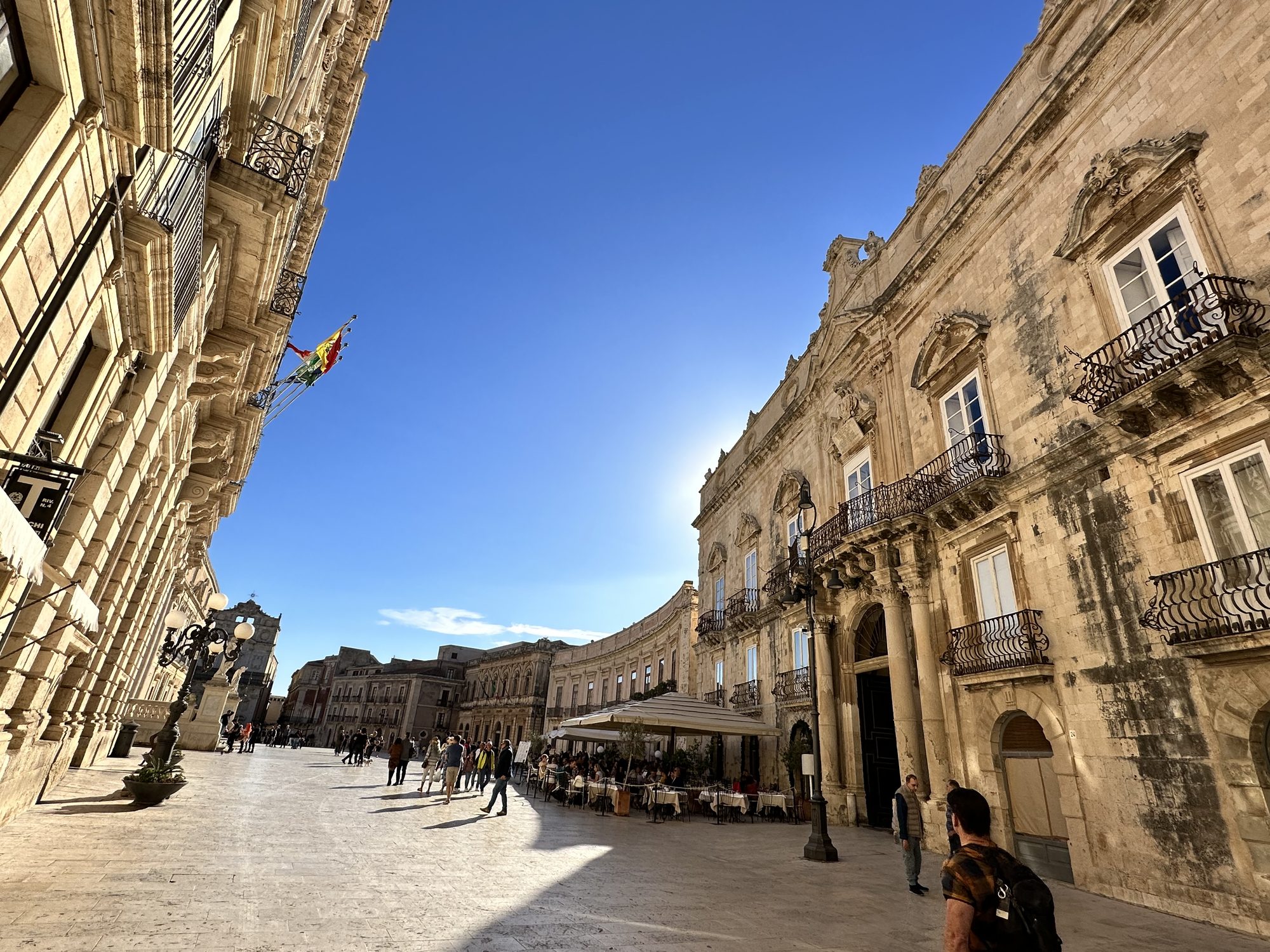
Nestled at the heart of Ortigia, the ancient, sun-drenched island core of Siracusa, Piazza del Duomo is a radiant stage where centuries of history, faith, and artistry converge. The square’s luminous Baroque façades shimmer beneath the Sicilian sky, while beneath the surface, echoes of Greek antiquity resonate in every stone.
At the center stands the majestic Cathedral of Siracusa, a living palimpsest of faith and transformation. Its imposing columns, once the proud supports of a grand Doric temple dedicated to Athena, still stand sentinel along the nave, their weathered fluting a tangible link to the city’s Greek origins. Over the centuries, this sacred space has evolved by layering early Christian, Norman, and Baroque influences into a seamless whole. Step inside, and you’ll find a sanctuary where pagan and Christian symbols coexist, where shafts of golden light illuminate ancient stone and intricate stuccoes alike.
The square itself is framed by a procession of elegant palazzi, their creamy façades adorned with wrought-iron balconies, trailing bougainvillea, and the soft patina of centuries. Each building tells its own story: the Palazzo Beneventano del Bosco, once a center of nobility and diplomacy; the Archbishop’s Palace, echoing with ecclesiastical power; and the understated grace of the Palazzo Vermexio, seat of civic pride.
Adding to the artistic richness, the Church of Santa Lucia alla Badia graces one end of the piazza. Its simple exterior belies the treasure within: Caravaggio’s haunting “Burial of Saint Lucy,” a masterpiece that draws pilgrims and art lovers alike, the chiaroscuro brushstrokes reflecting the city’s own dramatic past.
By day, Piazza del Duomo glows in the brilliant Sicilian sun, its stones radiating warmth and inviting visitors to linger at shaded café tables, sipping granita or espresso while the life of Ortigia unfolds around them. As evening falls, the square is transformed and bathed in golden light; it becomes a stage for music, laughter, and celebration. Locals and travelers gather for open-air concerts, festive processions, or simply the timeless ritual of the evening stroll, their voices mingling with the distant sound of church bells and the gentle sea breeze.
Piazza del Duomo is more than an architectural marvel, it is a living testament to Siracusa’s layered history and enduring spirit. Here, the sacred and the secular, the ancient and the modern, come together in an harmonious embrace. To stand in this square is to witness the ongoing dialogue between past and present, to feel the heartbeat of a city where faith, art, and community have shaped a legacy of beauty and belonging.
Why Is Piazza del Duomo the Heart of Amalfi?
Cradled between the dramatic cliffs and the shimmering blues of the Tyrrhenian Sea, Piazza del Duomo is the vibrant heart of Amalfi, a place where centuries of faith, culture, and coastal splendor converge. The square unfurls like a theatrical stage, its energy and beauty magnified by the soaring staircase and striking striped façade of the Cathedral of St. Andrew.
Ascending the grand staircase, you’re met by the cathedral’s bold geometric patterns in green, white, and gold is an architectural embrace that draws the gaze heavenward. The church’s bronze doors, cast in Constantinople and brought to Amalfi in the 11th century, are a tangible echo of the town’s maritime glory days, when Amalfi was a powerful republic and crossroads of Mediterranean trade. Step inside, and you’re greeted by a treasure trove of sacred art, gilded ceilings, and the tranquil Cloister of Paradise, where slender columns and Moorish arches enclose a peaceful garden and a sanctuary of reflection amidst the bustle.
The square itself is a lively tableau, pulsing with the rhythms of local life. Sun-dappled cafes spill onto the piazza, their tables alive with conversation, laughter, and the clink of glasses filled with limoncello. Shops tucked beneath ochre arcades tempted with ceramics, handmade paper, and sweet sfogliatella. The air is perfumed with the scent of lemon and salty sea breeze, punctuated by the peal of church bells that mark the passage of time and tradition.
Piazza del Duomo is far more than a scenic postcard; it is the living soul of Amalfi’s religious and social life. Here, grand processions wind down the steps during feast days, their colorful banners and solemn chants weaving ancient ritual into the fabric of daily existence. Festivals transform the square into a stage for music, dance, and community celebration, while on quieter days, locals and travelers alike gather to savor gelato, share stories, or simply watch the world drift by.
To linger in Piazza del Duomo is to experience the very essence of the Amalfi Coast where a blend of drama and devotion, history and hospitality, all set against a landscape of breathtaking natural beauty. It’s a place where every moment feels touched by the magic of the sea and the enduring spirit of Amalfi.
How Did Palladio Shape Piazza dei Signori in Vicenza?
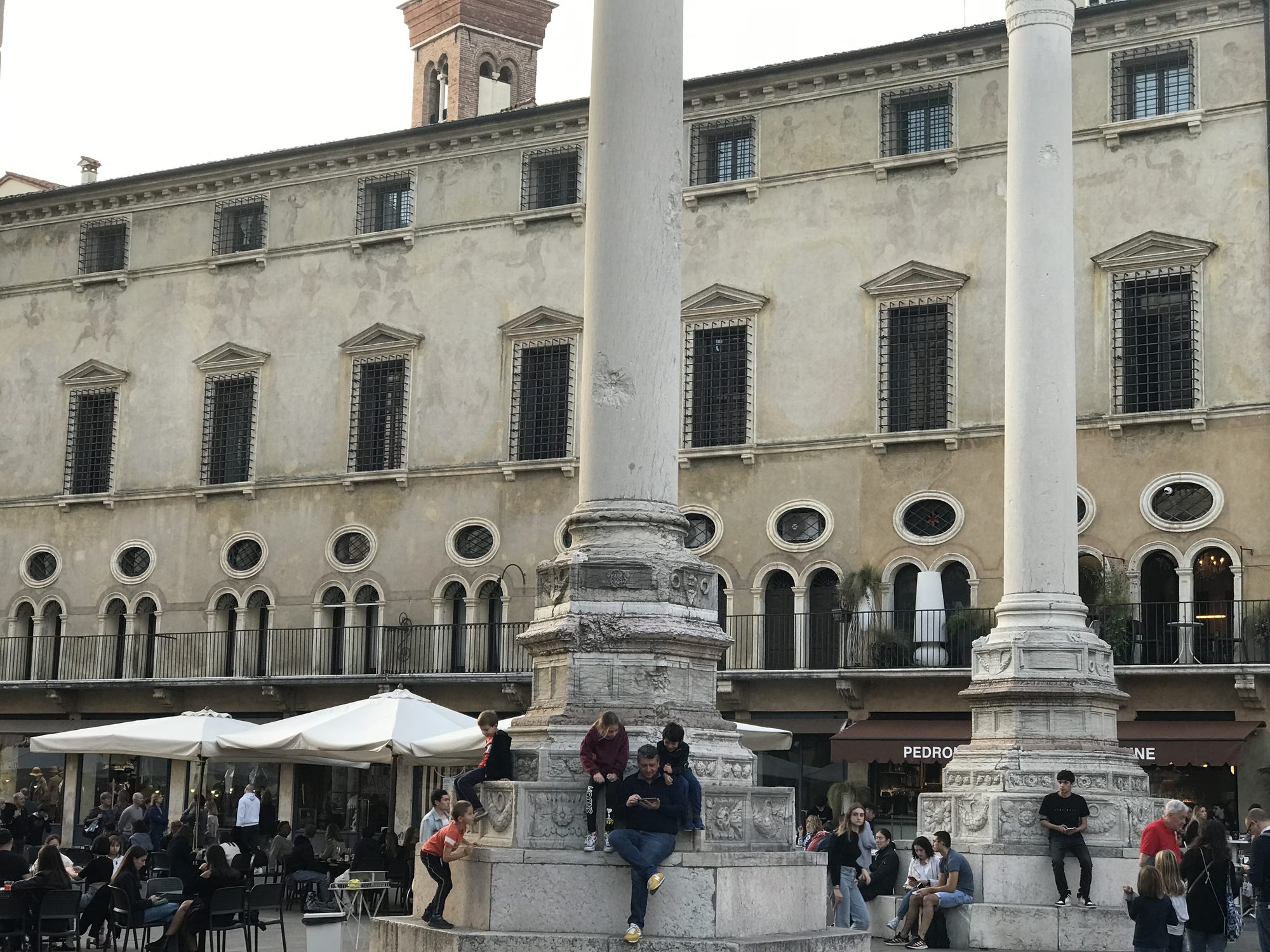
In the heart of Vicenza, Piazza dei Signori unfolds as a luminous canvas of Renaissance grace and a living testament to the city’s devotion to beauty, order, and civic life. Framed by elegant palazzi and crowned by the architectural genius of Andrea Palladio, the square invites both locals and visitors to linger, reflect, and become part of its timeless rhythm.
Dominating the scene is Palladio’s Basilica, its gleaming white marble loggias and rhythmic arches embodying the ideals of classical harmony and humanist thought. The structure’s soaring proportions and refined symmetry are a masterclass in Renaissance architecture, transforming what was once a medieval town hall into a beacon of Vicenza’s artistic spirit. Beneath its arcades, the interplay of light and shadow shifts throughout the day, highlighting intricate details and inviting quiet contemplation.
Rising alongside the basilica, the slender Torre Bissara keeps watch over the square, its clock face and musical chimes marking the passage of time. The gentle peal of bells drifts through the piazza, mingling with the laughter of children, the melodies of street musicians, and the lively chatter from bustling cafés. At its feet, statues of Venetian lions and local heroes stand sentinel, silent reminders of Vicenza’s proud history as a steadfast ally of the Venetian Republic, an era when the city flourished as a crossroads of culture, commerce, and innovation.
The piazza’s harmonious proportions create a natural gathering place, and throughout the year, it pulses with the energy of daily life and celebration. Markets fill the air with the scents of fresh bread, flowers, and local delicacies, while open-air concerts and cultural festivals transform the square into a stage for music, art, and community spirit. As dusk falls, the marble façades blush in the golden light, and the square takes on a magical glow, drawing people together to savor the beauty and conviviality that define Vicenza.
Piazza dei Signori is more than a showcase of architectural brilliance it is the living heart of Vicenza, a space where past and present intertwine. Its enduring balance and elegance are not just a tribute to Palladio’s vision, but a reflection of the city’s ongoing commitment to civic pride, artistic heritage, and the simple joys of gathering in the open air.
Why Is Piazza Pretoria in Palermo Called the Square of Shame?
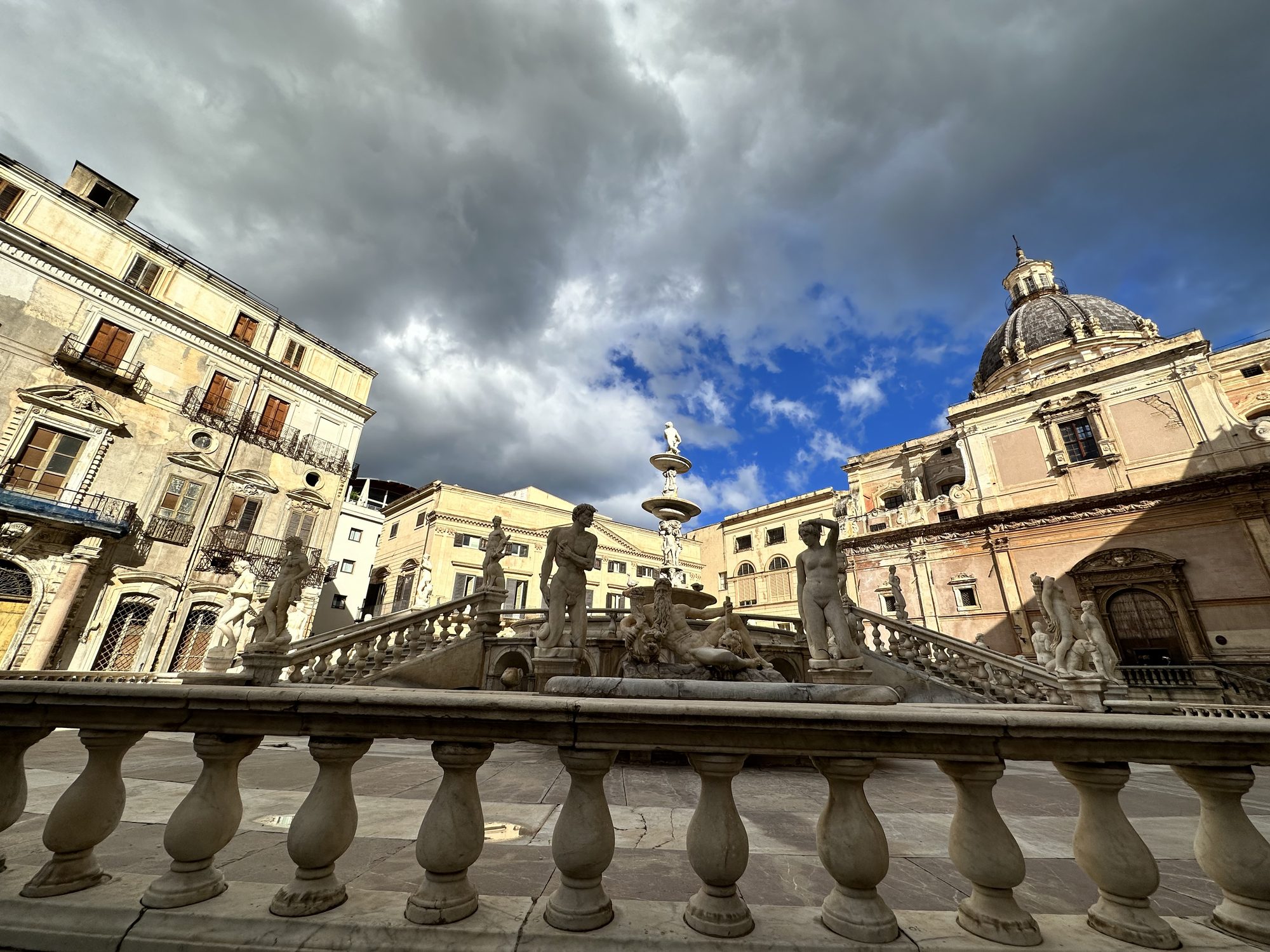
Piazza Pretoria, locally dubbed the “Square of Shame” (Piazza della Vergogna), stands at the heart of Palermo as a captivating tableau of beauty, controversy, and layered history. This enigmatic space is dominated by the magnificent Fontana Pretoria, a swirling masterpiece of marble imported from Florence in the 16th century. The fountain’s dramatic tiers are adorned with a striking array of nude statues of gods, nymphs, and mythical creatures whose unabashed sensuality once shocked the city’s pious citizens and earned the square its infamous nickname.
Encircling the piazza, grand palazzi and the dignified Church of Santa Caterina bear silent witness to centuries of Sicilian transformation. Their facades, weathered by the sun and time, reveal layers of Baroque, Renaissance, and medieval influence, each telling a story of conquest, adaptation, and resilience. The juxtaposition of sacred and secular, of austere church walls and exuberant sculpture, creates a visual and emotional tension that lingers in the air.
Piazza Pretoria has always been a space of contrasts. In the past, the fountain’s naked figures were seen as symbols of scandal and moral rebellion and an affront to the city’s conservative values and the convent nuns who once gazed upon them from their cloistered windows. Yet over time, what was once a source of outrage has become a celebrated emblem of Palermo’s bold spirit and artistic heritage. Today, the Fontana Pretoria is admired not only for its technical brilliance and Renaissance elegance, but also as a symbol of the city’s willingness to embrace both controversy and beauty.
By day, the square pulses with life: the gentle splash of water mingles with the chatter of locals, the footsteps of visitors, and the distant toll of church bells. Street musicians and artists add color and vibrancy, while the scent of Sicilian pastries and espresso drifts from nearby cafés. As the sun sets, the marble statues glow with a warm, golden light, and the square transforms into a gathering place for evening strolls and quiet reflection.
Piazza Pretoria is more than a monument or a meeting place. It is Palermo itself in miniature: passionate, contradictory, and utterly unforgettable. Its story is one of transformation, where shame has given way to splendor, and controversy has blossomed into a unique expression of Sicilian identity and resilience.
What Is the Lasting Allure of Italy's Piazzas?
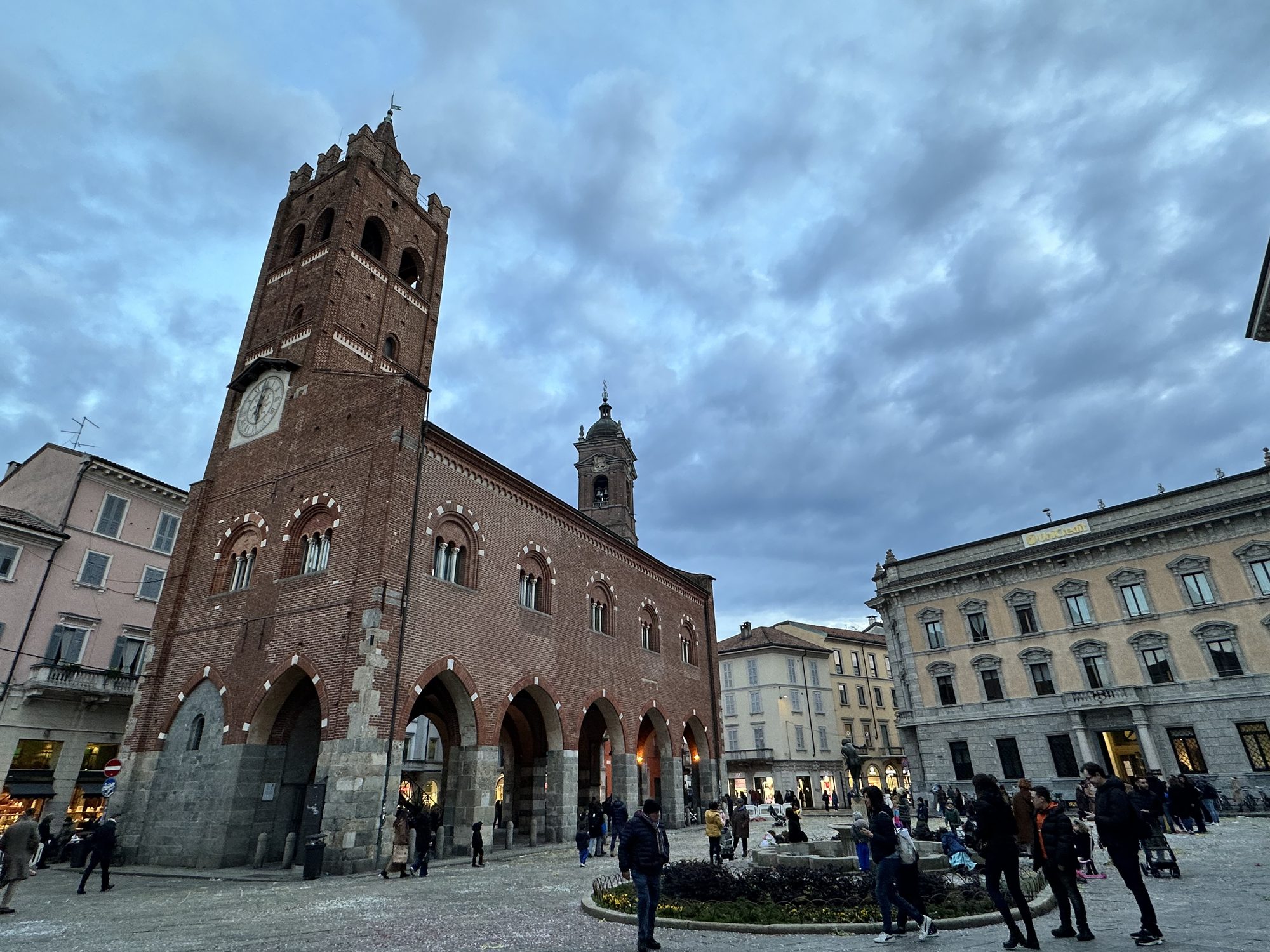
From the grandeur of Rome’s Piazza Navona to the harmonious elegance of Vicenza’s Piazza dei Signori, Italy’s piazzas are far more than open spaces, they are the beating hearts of their cities, living testaments to centuries of artistry, ambition, and community. Each square tells its own story, shaped by the rise and fall of empires, the genius of architects and artists, and the daily rituals of generations.
Strolling through these piazzas, you encounter the full sweep of Italian history: the layered stones of ancient forums, the soaring domes and towers of the Renaissance, the vibrant markets and festivals that still animate city life. Here, the past is never far away as it is woven into the present, alive in the laughter of friends gathered at a café, the echo of church bells, the splash of a fountain, or the lingering notes of a street musician at dusk.
Yet, what truly sets Italy’s piazzas apart is their enduring spirit of community. These spaces invite locals and visitors alike to slow down, savor the moment, and become part of the city’s ongoing story. Whether you’re witnessing a festival in Siena, sipping bicerin in Turin, or simply watching the world go by in Palermo, you are participating in a tradition that stretches back through the ages and is a celebration of beauty, connection, and the simple joys of everyday life.
In the end, to experience Italy’s piazzas is to experience the soul of Italy itself: passionate, welcoming, and forever alive with possibility. No matter where your journey takes you, these timeless squares will linger in your memory, inviting you to return to the heart of Italian life.
Questions Travelers Ask About Italy's Piazzas
What is a piazza in Italy?
A piazza is an Italian town square, but it is far more than an open space. It is the gathering place of every city, town and village, where markets, festivals, conversation and civic life have unfolded for centuries against a backdrop of churches, palaces and fountains.
What are the most famous piazzas in Italy?
Among the most celebrated are Piazza Navona and Piazza del Campidoglio in Rome, Piazza dei Miracoli in Pisa, Piazza San Marco in Venice, Piazza della Signoria in Florence, Piazza del Campo in Siena, Piazza San Carlo in Turin and Piazza del Plebiscito in Naples.
Which lesser-known piazzas in Italy are worth visiting?
Piazza Vecchia in Bergamo, Piazza delle Erbe and Piazza dei Signori in Verona, Prato della Valle in Padua, Piazza Maggiore in Bologna, Piazza del Duomo in Siracusa and in Amalfi, Piazza dei Signori in Vicenza and Piazza Pretoria in Palermo all reward travelers who look beyond the headline sights.
What is the passeggiata?
The passeggiata is the evening stroll that brings Italians into the piazza as the heat of the day softens. Families, friends and neighbors walk, greet one another and share stories, and it remains one of the best ways for travelers to feel the rhythm of an Italian town.
When is the Palio di Siena held in Piazza del Campo?
The Palio is run twice each summer, traditionally on July 2 and August 16, when riders representing Siena's contrade race bareback around Piazza del Campo. The days before the race fill the city with processions, drums and banners.
Why is Piazza Pretoria in Palermo called the Square of Shame?
The square is dominated by the Fontana Pretoria, a 16th century marble fountain made in Florence. Its nude statues of gods, nymphs and mythical creatures shocked the city's pious citizens, and locals nicknamed it Piazza della Vergogna, the Square of Shame.
How can I build famous piazzas into a custom Italy trip?
Since 2003 our specialists have designed custom itineraries that pair the great piazzas of Rome, Florence and Venice with quieter squares in towns such as Bergamo, Verona, Vicenza and Siracusa, with time to linger in each at the hours when locals fill them.
Related Pages
- Architectural and Historical Sites of Italy: Custom tours built around Italy’s great monuments and historic centers.
- Italian Cities: Guides to the cities behind Italy’s most famous squares.
- The Palio di Siena: The horse race that transforms Piazza del Campo each summer.
- Turin Travel Guide: The Savoy capital and Piazza San Carlo.
- Naples Travel Guide: Piazza del Plebiscito and the life of Naples.
- Vicenza Travel Guide: Palladio’s city and Piazza dei Signori.
Ready to Explore the Piazzas of Italy?
Tell us which cities and squares you dream of, from Piazza Navona to the hidden piazzas of Bergamo and Siracusa, and we will build an itinerary that lets you linger in each one. Call us at 713-952-4055 or start planning online.