
Opera in Italy: An Insider's Guide to the Great Stages, Seasons and Festivals
Opera in Italy is not a night out added to the end of a sightseeing day. It is the reason many of our travelers choose a city, a season and even the shape of an entire itinerary. The art form was born here, the great composers wrote here, and the theaters that premiered their work still raise the curtain every season. Sitting in a gilded box at La Scala, or under the stars as the Verona Arena falls silent before the overture, is one of the most memorable experiences Italy offers.
Trips 2 Italy has designed custom Italy vacations since 2003, and opera trips are some of our favorite requests. Over more than 20 years we have learned which performances are worth building a trip around, which theaters reward a guided visit by day as well as a performance by night, and how to pair an evening at the opera with the food, wine and quiet luxury that make the rest of the journey feel effortless. This guide walks through the great stages, the summer festivals and the seasons, so you can decide where your own opera journey should begin. When you are ready, our specialists can plan a custom Italy opera vacation around the performances you most want to see.
Why Is Italy Considered the Home of Opera?
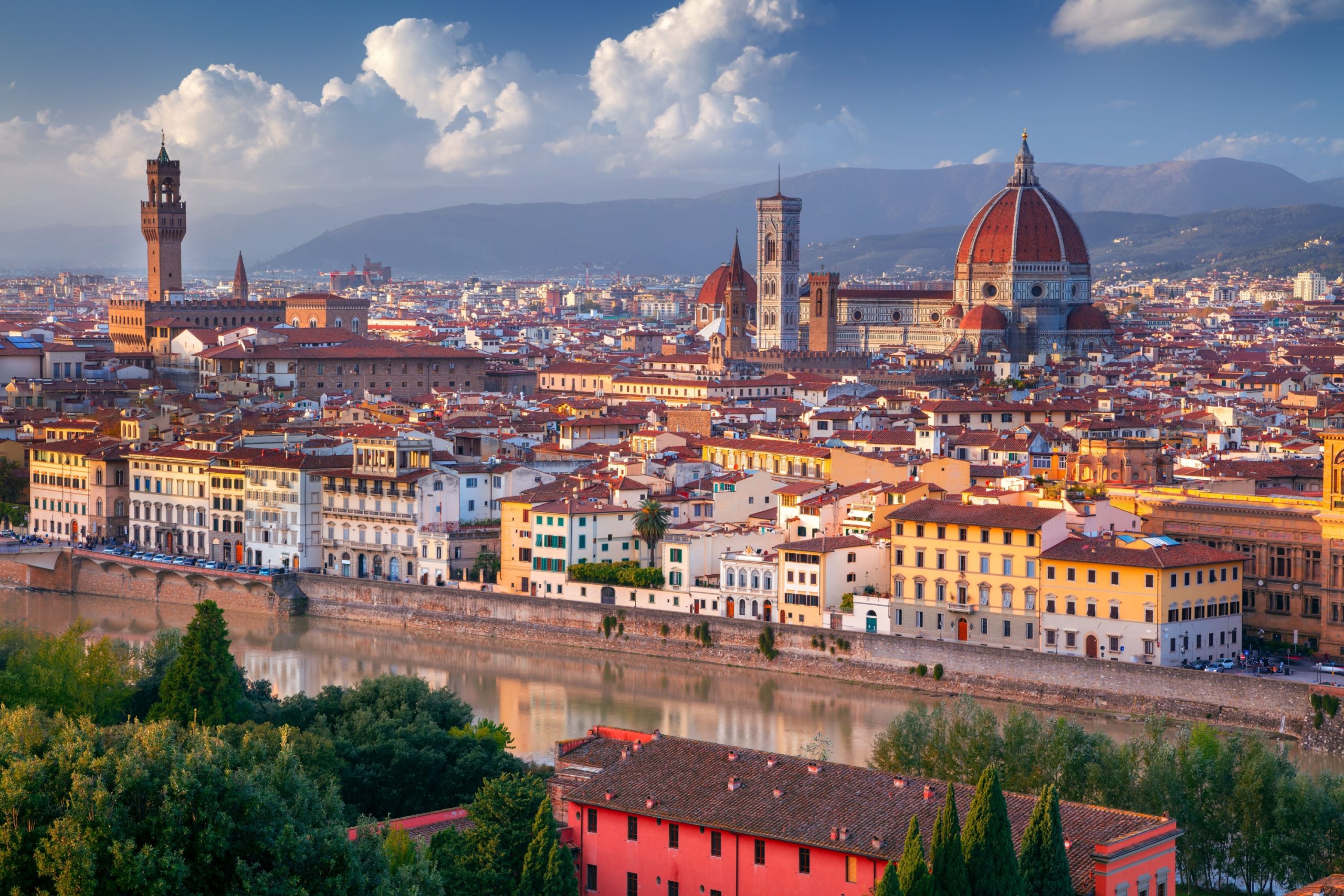
Opera began in Florence around the year 1600, when a circle of poets, musicians and scholars known as the Florentine Camerata set out to revive the sung drama of ancient Greece. Their experiments produced the first works we now call operas, and within a few decades the form had spread to Venice, where the world’s first public opera houses opened their doors to paying audiences rather than only to court guests.
From there the story runs through almost every corner of the country. Monteverdi in Mantua and Venice, Rossini from Pesaro, Bellini from Catania, Donizetti from Bergamo, Verdi from the countryside near Parma and Puccini from Lucca: the composers whose names fill opera programs around the world grew up in the same towns and regions our travelers visit today. That is part of what makes opera in Italy so rewarding. You are not only hearing the music, you are standing where it was written.
If you are new to Italian opera, a handful of classics will carry you through most seasons: Giuseppe Verdi’s La Traviata, Rigoletto and Aida; Giacomo Puccini’s La Bohème, Tosca and Madama Butterfly; Gioachino Rossini’s The Barber of Seville, with its famous Figaro; and Gaetano Donizetti’s Lucia di Lammermoor. Hearing any of them in the theater where it premiered, or in the composer’s hometown, brings a passion and grandeur to the performance that no recording can match.
Travelers who enjoy this kind of layered history often begin in Florence, the cradle of Renaissance culture, where the city’s music, art and architecture all tell the same story of reinvention. A morning in the Uffizi and an evening concert in a historic church make a natural prelude to the grand stages further north.
What Makes an Evening at La Scala in Milan So Special?
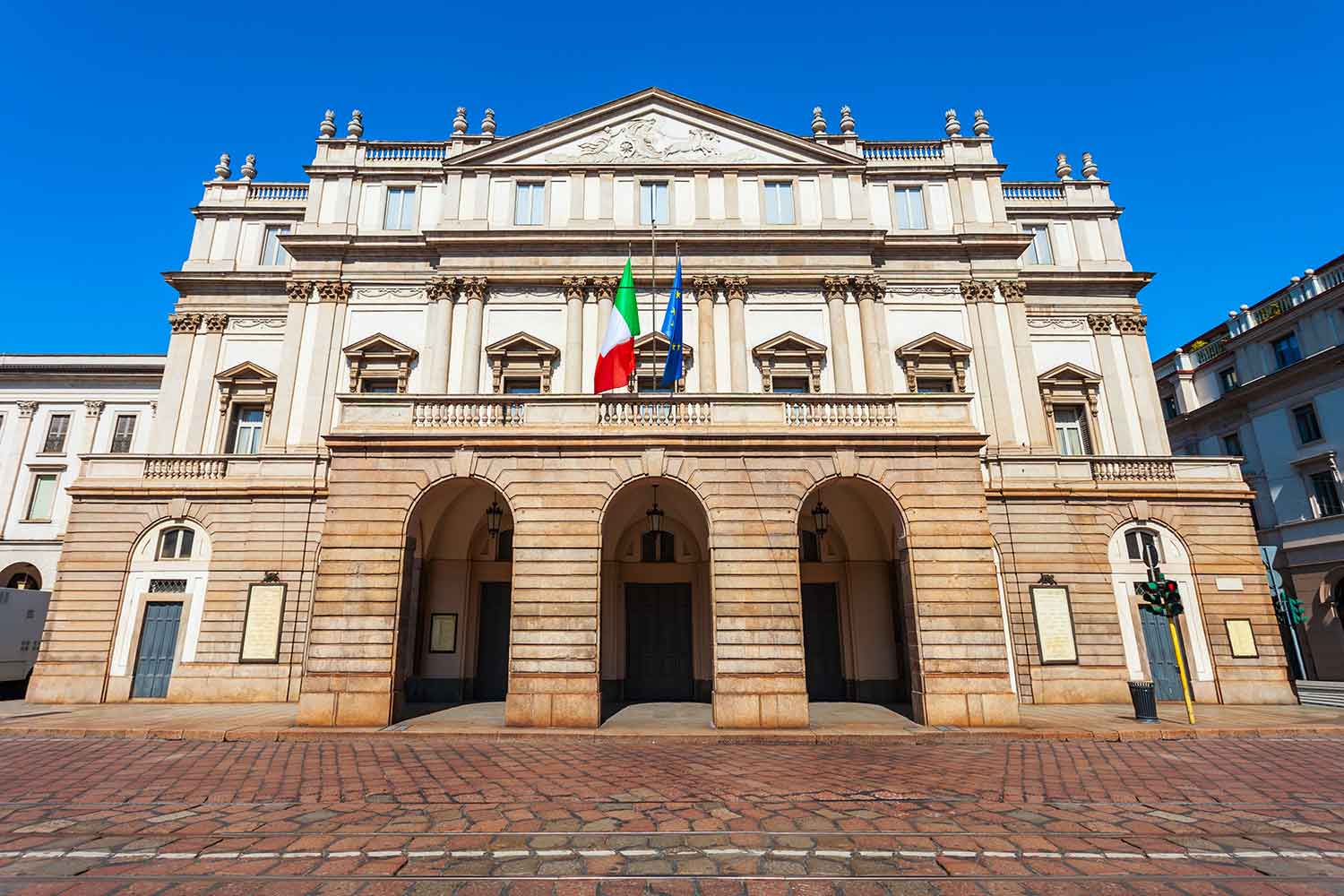
Teatro alla Scala opened in 1778 and remains the most famous opera house in the world. Verdi premiered several of his masterpieces here, Puccini’s Madama Butterfly and Turandot had their first performances on this stage, and the house’s orchestra and chorus are among the finest anywhere. The season traditionally opens on December 7, the feast of Sant’Ambrogio, Milan’s patron saint, and that opening night is one of the great social events of the Italian year.
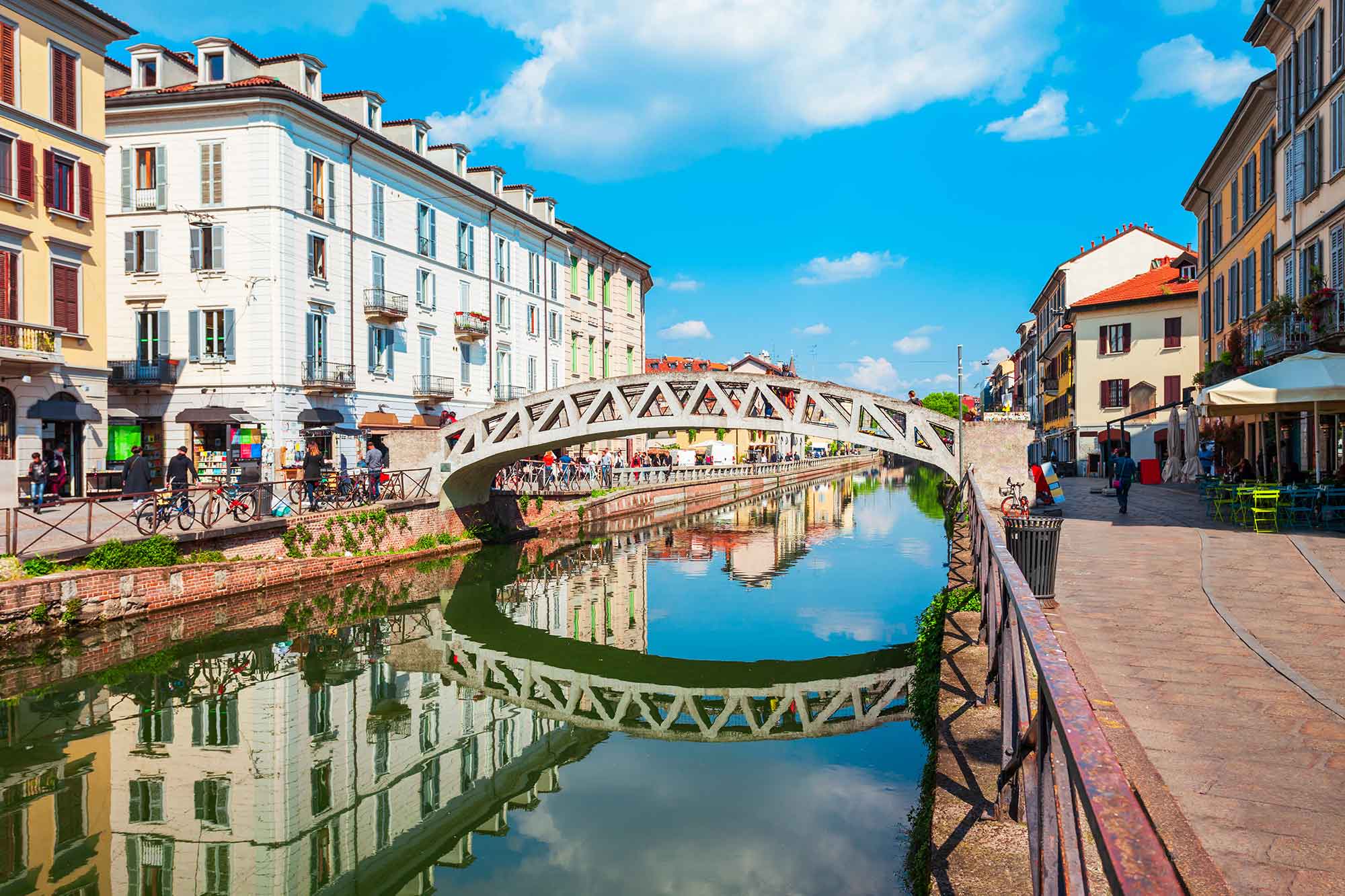
What our travelers remember most is the atmosphere: the red velvet tiers, the hush as the lights dim, and the sense that the city itself has dressed for the evening. We like to pair a performance with a private morning visit to the theater museum, when the auditorium is often visible from the boxes and you can see the stage being prepared for the night ahead. For a full picture of the city, our guide to Milan culture and its creative life covers the design districts, galleries and neighborhoods that surround the theater.
Milan rewards a stay of three or four nights. An evening at La Scala, a day for the Last Supper and the Duomo rooftops, and time for the boutiques and aperitivo bars of Brera make a balanced plan. Travelers who already know they want the city can explore our custom Milan vacation packages as a starting point and then tailor every detail.
Why Do Opera Lovers Plan a Trip Around La Fenice in Venice?
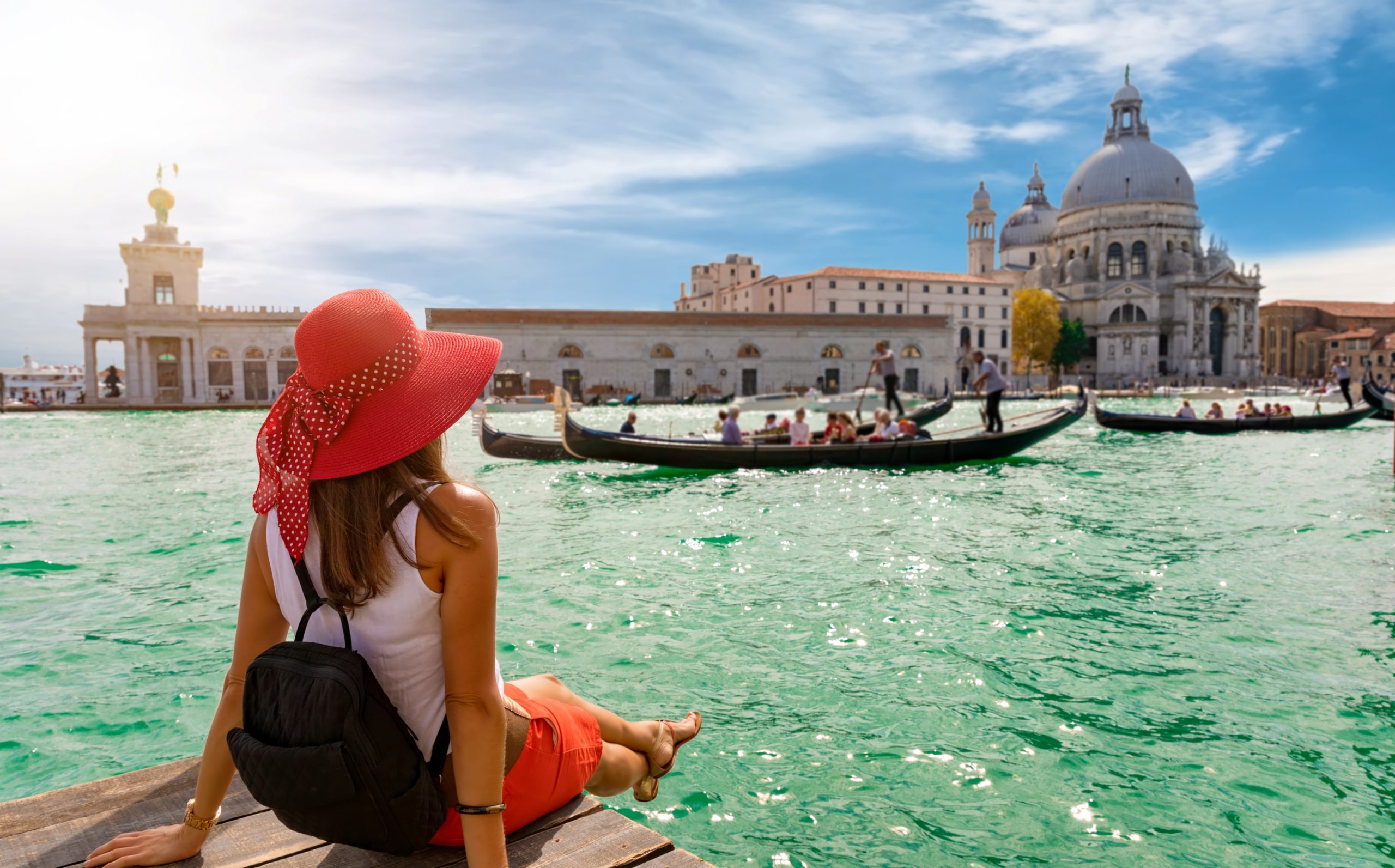
Venice gave the world its first public opera house in 1637, and the city’s love affair with the art form has never faded. Teatro La Fenice, whose name means the phoenix, has risen from fire more than once, most recently reopening in 2003 after a meticulous reconstruction that restored every gilded detail. Verdi premiered Rigoletto and La Traviata here, and the house remains one of the most intimate and beautiful theaters in Europe.
Arriving for a performance by water taxi, stepping out onto a quiet campo and walking the last few minutes through lantern-lit lanes is part of the magic. La Fenice is also home to a celebrated New Year’s Concert on January 1, broadcast across Italy and one of the most sought-after events of the winter calendar.
Venice is a city that reveals itself slowly, so we encourage at least three nights. Our guide to Venetian culture and traditions explores the music, glassmaking, festivals and island life that give the city its character beyond the famous postcard views.
What Is It Like to See Opera at the Verona Arena?
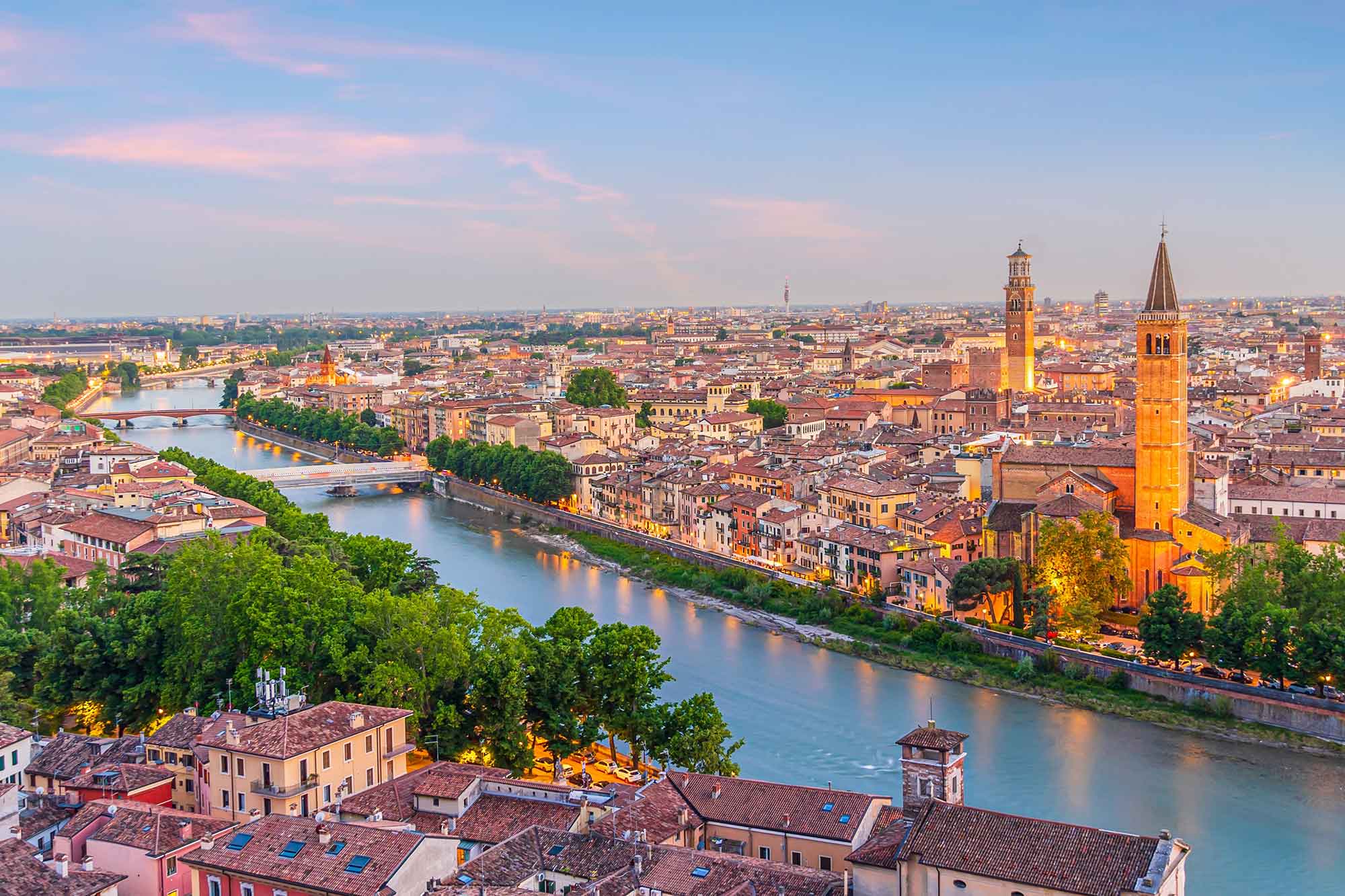
Nothing else in the opera world compares to a summer night in the Verona Arena. The Roman amphitheater, built in the first century, seats thousands of spectators on its ancient stone tiers, and the Arena di Verona Opera Festival has staged grand productions there every summer since 1913. The season usually runs from June into early September, with lavish productions of Aida, Carmen, Nabucco and Turandot that use the full scale of the arena.
The tradition we love most happens just before the music starts. As dusk falls, the audience lights small candles across the stone steps, and the whole amphitheater glows. It is a moment our travelers describe for years afterward. We recommend reserved seating in the lower sections for comfort and sound, and a relaxed late dinner afterward in one of the piazzas nearby, since performances often finish close to midnight.
Verona itself deserves a full day. Our Verona culture guide covers the Roman heritage, the medieval squares and the wine country of Valpolicella just outside town, which makes a perfect afternoon before an evening performance.
Where Can You Hear Opera Under the Stars in Rome?
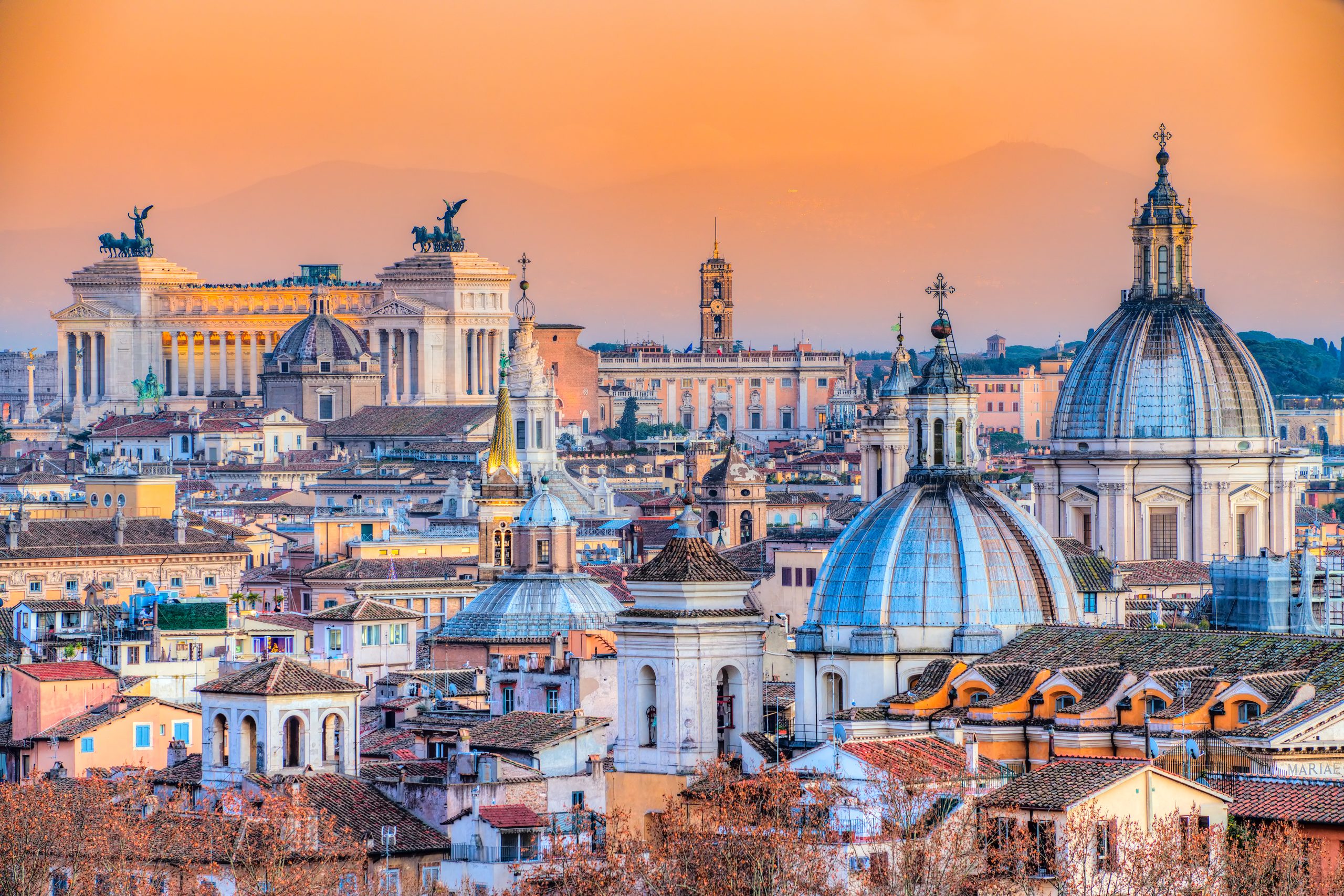
Rome is not always the first city travelers associate with opera, but its summer season is one of the most atmospheric in Italy. The Teatro dell’Opera di Roma moves outdoors each summer to the ruins of the Baths of Caracalla, where performances unfold against the floodlit walls of an ancient Roman bath complex. Puccini’s Tosca, set in Rome and premiered at the city’s opera house in 1900, feels especially powerful when you have walked the same churches and palaces where its acts take place.
During the winter season, the main opera house near Termini hosts a full program of opera and ballet, which pairs beautifully with the slower, more local feel of Rome outside the summer months. We often combine an evening performance with a private early morning visit to the Vatican or a guided walk through the Rome that inspired Tosca.
For travelers mapping out the Eternal City, our Rome culture guide brings together the art, music and neighborhood life that make the capital so rewarding to explore at an unhurried pace.
Which Summer Opera Festivals Are Worth Building a Trip Around?
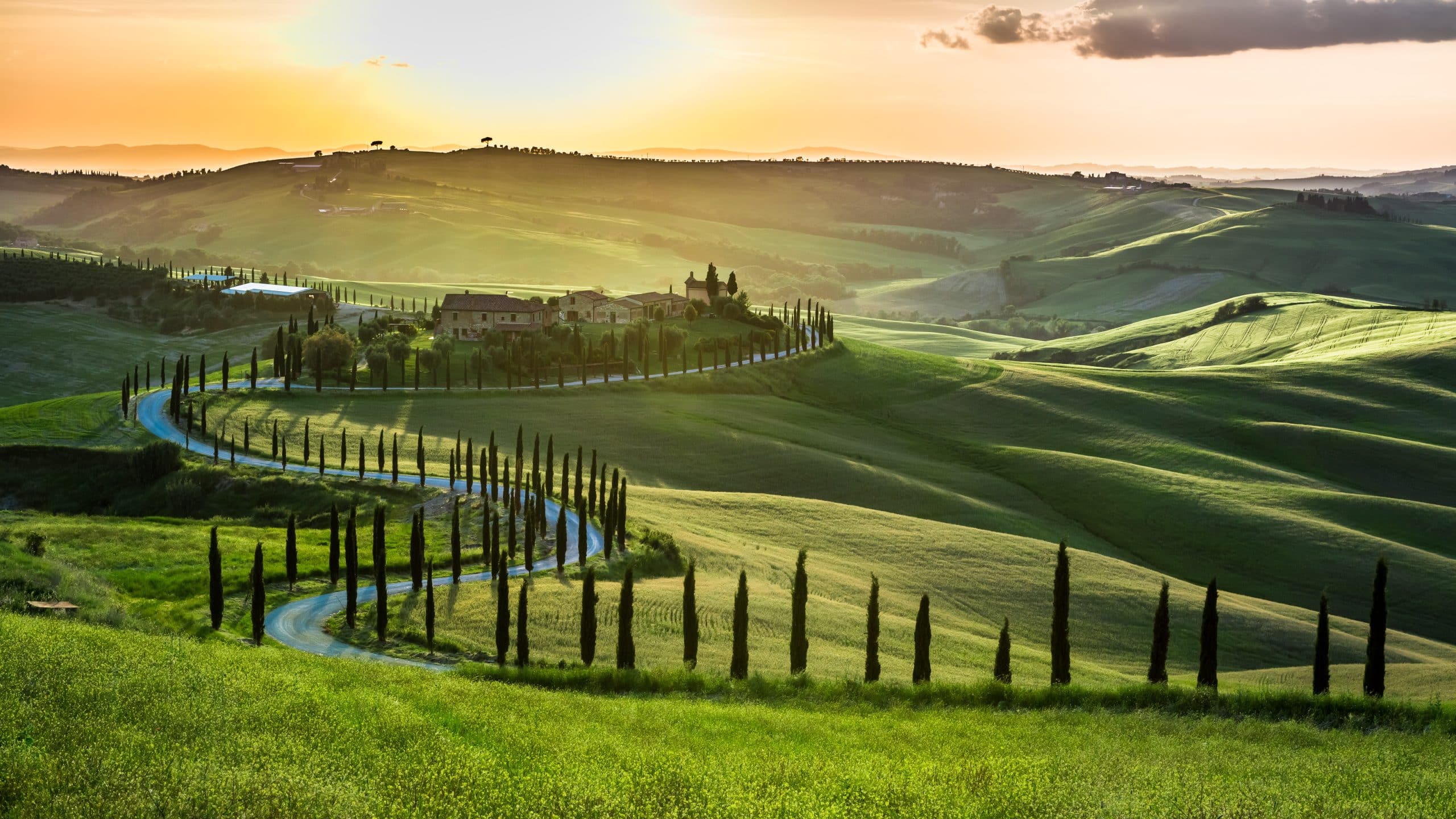
Beyond the great city houses, Italy’s summer festivals offer some of the most personal ways to experience opera. Three stand out for our travelers.
The Puccini Festival at Torre del Lago
Each July and August, Puccini’s operas are performed in an open-air theater on the shore of Lake Massaciuccoli, steps from the villa where he lived and composed. Watching La Bohème as the sun sets over the water where Puccini went hunting is unforgettable. It pairs naturally with time in nearby Lucca, his birthplace, and our Lucca culture guide explains why this walled city is one of Tuscany’s most graceful bases.
The Rossini Opera Festival in Pesaro
Every August, Rossini’s hometown on the Adriatic coast hosts a festival devoted to his work, attracting singers and audiences from around the world. Days on the beach and evenings at the theater make it a relaxed and elegant summer combination, and the region around it is explored in our guide to the culture of Le Marche.
The Verdi Festival in Parma
Held each autumn, usually from late September into October, the festival celebrates Verdi in the city’s Teatro Regio and in the countryside where he was born. Parma’s legendary food culture makes this a favorite for travelers who love both music and the table.
What About Opera in Naples and Palermo?
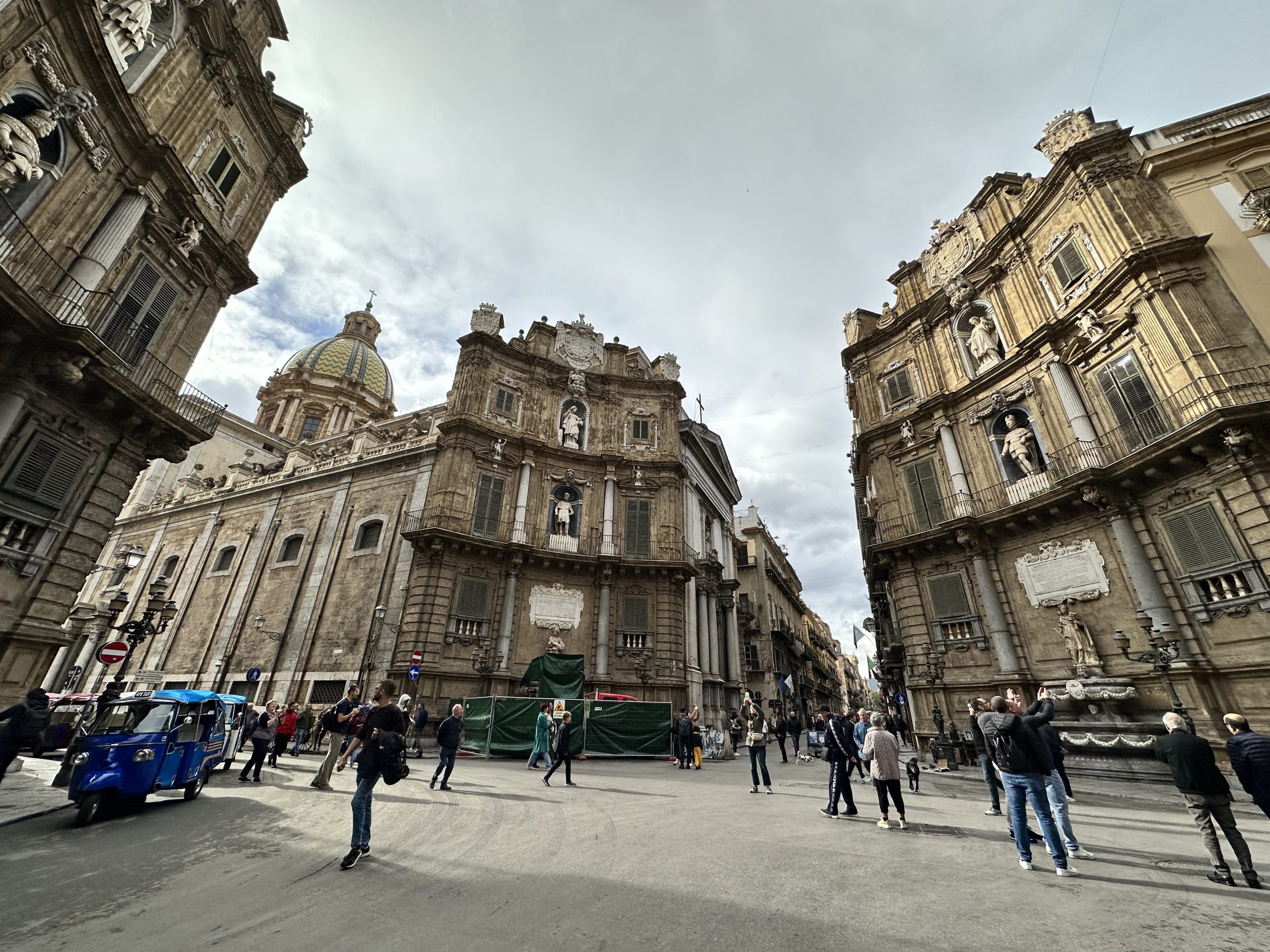
Southern Italy holds two of the most magnificent theaters in the country. Naples’ Teatro di San Carlo opened in 1737 and is the oldest continuously active opera house in Europe, decades older than La Scala. Its red and gold auditorium is breathtaking, and a guided visit by day is worthwhile even if your schedule does not line up with a performance. Naples was one of the great capitals of eighteenth century music, and the city’s love of song still runs through its streets. Our Naples culture guide captures that energy.
In Sicily, Palermo’s Teatro Massimo is the largest opera house in Italy and one of the largest in Europe. Its grand staircase and neoclassical facade dominate the square in front of it, and its season mixes opera, ballet and concerts. We often build Palermo into a wider Sicily itinerary, with time in the markets, the Norman palaces and the coast. Our Palermo culture guide is a good place to begin.
How Do Our Specialists Plan an Opera Trip to Italy?

The best opera trips start with the calendar. Season programs are usually announced months in advance, and the most popular productions, opening nights and festival weekends are the first to be reserved. Once we know the performances you want to see, we build the rest of the journey around them so that each evening at the theater feels like the highlight of a well paced day rather than a rush across town.
For many travelers that means choosing two or three opera cities and connecting them by private driver or first class train, with time for wine country, art and long lunches in between. A classic route might begin with La Scala in Milan, continue to Verona for the Arena, and finish in Venice at La Fenice. Another might pair Rome and the Baths of Caracalla with Tuscany and the Puccini Festival. Each trip is designed privately, never as a group tour, and each detail reflects how you like to travel.
We also take care of the details that make an opera evening relaxed: seats chosen for sight lines and sound, transfers timed for the final curtain, and a late table reserved nearby. If you are deciding whether to plan an opera trip yourself or work with a specialist, our article on what changes when an Italy travel expert builds your trip explains the difference. You can also reach our team directly at 713-952-4055.
When Is Opera Season in Italy?
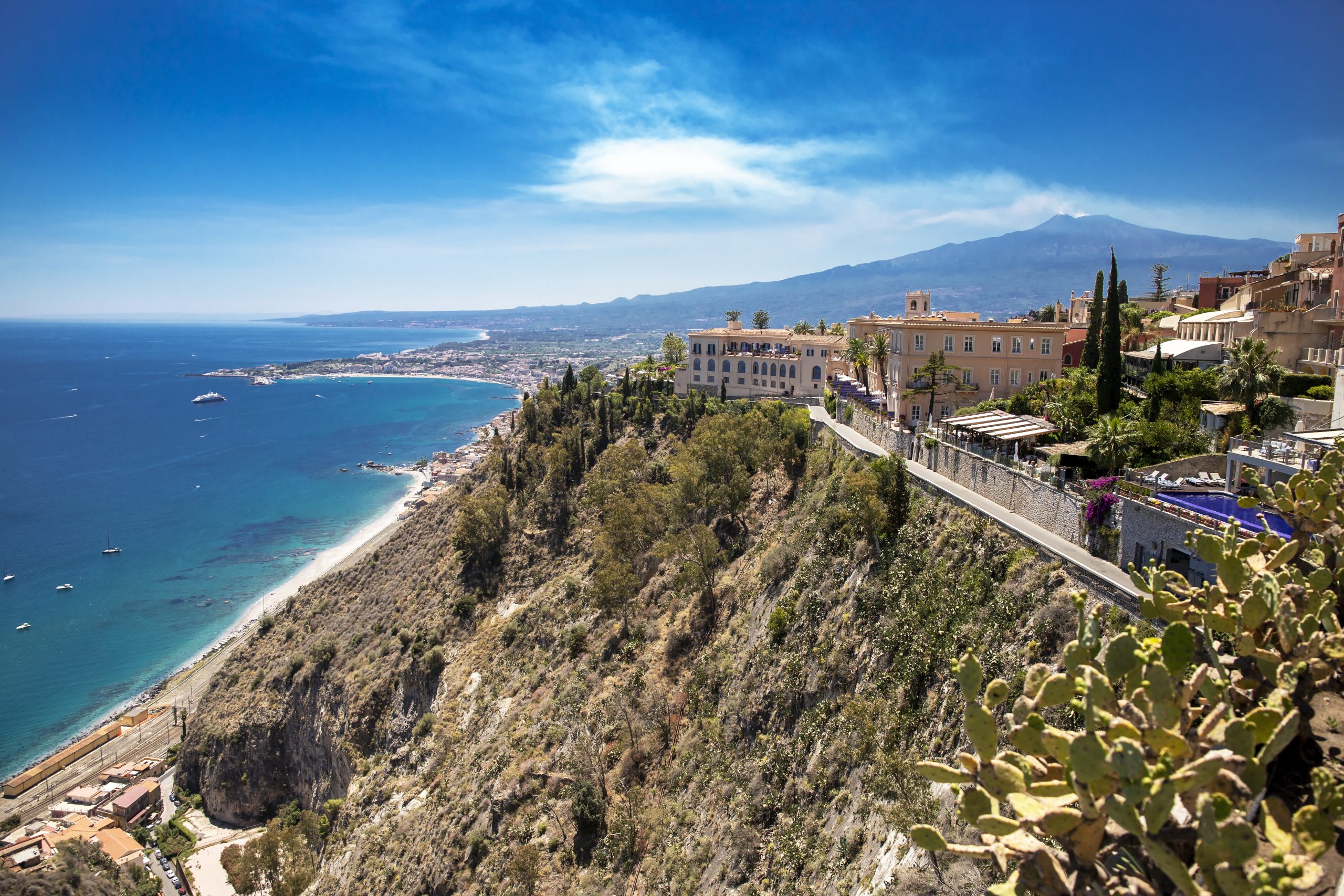
Italy offers opera in every season, which means the right time to go depends on the experience you want.
Winter, from December to March
This is the heart of the indoor season. La Scala opens on December 7, La Fenice welcomes the new year with its famous concert, and the great city houses present their most ambitious productions. Cities are calmer and more local, and an opera evening is a natural way to spend a crisp night. Our specialists can share which productions are scheduled for the months you are considering.
Spring, from April to June
Spring brings the end of the winter seasons and the first festival performances, including the Maggio Musicale Fiorentino in Florence, one of Italy’s oldest music festivals, with mild weather that suits combining cities and countryside.
Summer, from late June to early September
Summer belongs to the open air: the Verona Arena, the Baths of Caracalla in Rome, the Puccini Festival and the Rossini Opera Festival. Evenings are warm, performances start late, and the settings are as memorable as the music.
Autumn, from late September to November
Autumn brings the Verdi Festival in Parma and the start of new seasons in several houses, along with the harvest in wine country. For travelers who love music and food in equal measure, it is a beautiful time to go.
Questions Travelers Ask Us Most
What is the most famous opera house in Italy?
Teatro alla Scala in Milan is the most famous opera house in Italy and arguably the world. It opened in 1778 and premiered works by Verdi and Puccini. Teatro La Fenice in Venice, Teatro di San Carlo in Naples and Teatro Massimo in Palermo are also celebrated stages worth building a trip around.
When does the Verona Arena opera festival take place?
The Arena di Verona Opera Festival usually runs from June into early September. Performances begin after dusk in the Roman amphitheater, and many productions finish close to midnight, so we plan relaxed days and late dinners around them.
Do I need to dress up for the opera in Italy?
For indoor performances at houses such as La Scala and La Fenice, elegant evening wear is customary, and opening nights are especially formal. Outdoor festivals like the Verona Arena are more relaxed, though smart casual clothing is still the norm. We share the right guidance for each performance when we plan your trip.
How far in advance should I plan an opera trip to Italy?
We recommend planning six to twelve months ahead for opening nights, popular productions and festival weekends. Season programs are usually announced months in advance, and the best seats are reserved early. Our specialists can begin planning as soon as the program is published.
Can you combine opera with other experiences on an Italy vacation?
Yes. Most of our opera trips combine performances with wine country, art cities, coastal stays or culinary experiences. A route from Milan to Verona to Venice, or from Rome to Tuscany, lets you enjoy world class opera in the evenings and Italy's other pleasures by day.
Is there opera in Italy during the summer?
Summer is one of the best times for opera in Italy. The Verona Arena, the Baths of Caracalla in Rome, the Puccini Festival at Torre del Lago and the Rossini Opera Festival in Pesaro all stage open air or festival performances between late June and early September.
Related Pages
Continue planning with these guides from our Italy specialists:
Ready to Plan Your Opera Journey Through Italy?
Tell us which stages you dream of, whether that is opening night at La Scala, candlelight in the Verona Arena or Puccini by the lake, and our Italy specialists will design a private itinerary around the performances that matter most to you. We have been crafting custom Italy vacations since 2003. Start planning online or call us at 713-952-4055.