
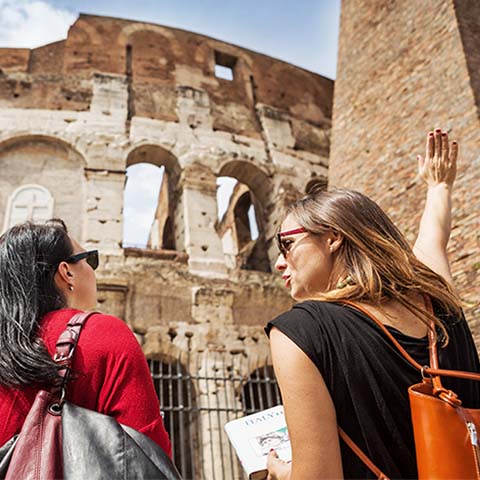
Rome, Venice and Florence Your Way 8 Days / 7 Nights
See Italy’s three iconic cities your way on an 8-day guided journey. Explore the Colosseum, the Vatican, and Florence’s cathedrals, then glide through Venice by gondola. Private driver, premium
Florence Travel Guide Culture History Food and Wine Things to Do Plan My Trip
About this guide: This Florence travel guide was written by the Italian-born travel specialists at Trips 2 Italy, a custom tour operator that has designed hand-crafted Italian vacations since 2003. Every recommendation below reflects the same first-hand knowledge our team draws on when we build a private Florence itinerary around a traveler’s interests, dates, and pace. Read it for your research, then let us translate it into a trip designed entirely around you.
Florence is the city where the modern Western imagination was invented. Within one square mile rise Brunelleschi’s dome, still the largest masonry dome ever raised, the Uffizi’s unmatched Renaissance galleries, Michelangelo’s David, and the goldsmiths’ bridge of the Ponte Vecchio. UNESCO recognized the entire historic center as a World Heritage Site in 1982, and the honest surprise for most travelers is how compact it all is: nearly everything that changed the history of art stands within a twenty-minute walk of everything else.
The city is the capital of the Tuscany region, and it wears that role the way it always has, as the market town, treasury, and stage of the hills around it. The Chianti wine country begins minutes beyond the last city gate, Fiesole watches from its Etruscan hilltop, and the Arno river runs through the center exactly as it does in the backgrounds of the paintings upstairs in the Uffizi.
Florence is also a living city of craftsmen, cooks, and fiercely proud neighborhoods, not a museum with streets. The Oltrarno’s workshops still gild, bind, and stitch by hand, the trattorie still argue about the correct thickness of a bistecca, and the evening passeggiata still ends with gelato in a piazza that has hosted the same ritual for centuries.
Our specialists have designed Florence itineraries for more than two decades, for first-time visitors, art scholars, honeymooners, and families breaking the journey between Rome and Venice. This guide distills what that experience has taught us, and every trip we build from it is composed by hand around what you tell us.
Florence lies in a bowl of hills on the Arno river, roughly midway between Italy’s northern cities and Rome. The historic center occupies the river’s north bank around the Duomo, while the Oltrarno, literally the far side of the Arno, climbs south toward the Boboli Gardens and the terraces of Piazzale Michelangelo. Six bridges stitch the two halves together, with the medieval Ponte Vecchio, rebuilt in 1345 and lined with jewelers’ shops, at the center of them all.
The hills define the city’s horizon and its pleasures. Fiesole, the Etruscan town that predates Florence itself, sits twenty minutes above the northern rooftops with Roman theater ruins and sweeping views. To the south and west spread the vineyards and olive groves of Chianti, close enough that a wine estate lunch fits comfortably between a morning gallery visit and an evening in the city.
The climate follows the Tuscan pattern: hot, bright summers in the river valley, mild and luminous springs and autumns, and short winters that turn the city quiet and golden. The surrounding hills catch a breeze the center does not always share, which is one reason Florentines have retreated to countryside villas since Medici times, and one reason we often pair city days with countryside evenings when we design a Florence stay.
The river deserves its own mention. The Arno gave Florence its trade, its floods, and its most painted views, and the embankment walks between the bridges remain among the city’s finest free pleasures, especially in the hour before sunset when the Ponte Vecchio’s windows catch the light. Rowers still pull their sculls beneath the arches each morning, a reminder that the postcard is also somebody’s neighborhood.
Spring and autumn are the connoisseur’s seasons. April, May, September, and October bring warm light, comfortable walking weather, and the countryside at its best, with the vendemmia filling the Chianti hills each September and the olive harvest following in November. These are the months we most often recommend for travelers whose dates are flexible, and the months when early museum reservations matter most.
Summer belongs to the calendar of spectacle. June brings the Calcio Storico, the costumed sixteenth-century football matches fought in Piazza Santa Croce, culminating on June 24, the feast of San Giovanni, Florence’s patron saint, when fireworks rise over the Arno. Evenings stay long and warm, and the surrounding hills offer cool refuge from the afternoon heat.
Winter is the insider’s Florence. From November through February the great galleries return to a measured pace, the Christmas markets glow in Piazza Santa Croce, and the seasonal kitchen turns to ribollita, game, and new olive oil. Whatever your dates, we tune the itinerary to what the city is actually doing that month, from Easter’s Scoppio del Carro, the exploding cart ceremony outside the Duomo, to the opera season, so the season works for you rather than against you.
Whatever the season, the practical rule of Florence is that the calendar rewards foresight. Dome climbs, Uffizi entries, and the finest countryside experiences are reserved weeks or months ahead, and the city’s signature events shape hotel availability around them. Because we watch this calendar professionally, we can tell you honestly what your preferred dates will feel like on the ground, and design the itinerary so the season becomes an asset.
Three full days cover the essential city in comfort: one for the Duomo complex and the historic core, one for the Uffizi and the David with unhurried time between them, and one for the Oltrarno, the Pitti Palace, and the sunset panorama from Piazzale Michelangelo. Squeezing that into less time is possible, but Florence’s density is exactly why it deserves pacing; the city rewards travelers who alternate masterpieces with long lunches.
A fourth and fifth day transform the visit. One day belongs to the Chianti hills, tasting Sangiovese at family estates half an hour from your hotel, and another to the surrounding region: Siena, San Gimignano, Lucca, or Pisa, each an easy excursion with a private driver. Art lovers often use an extra day for the quieter museums, the Bargello, San Marco, and the Medici Chapels, that most first visits never reach.
Florence also serves beautifully as a base of five or six nights for exploring northern Tuscany without changing hotels. Because every Trips 2 Italy itinerary is designed by hand, we weigh Florence against the other chapters of your Italian journey and give the city the nights that serve the whole trip best.
Where you sleep shapes the trip as much as how long you stay. A room near the Duomo puts the icons at your door and the morning city at its emptiest, the Oltrarno offers artisan streets and neighborhood evenings, and a hillside villa above the city adds gardens and views at the small logistical distance a private driver erases. Matching the base to the traveler is one of the first judgments our specialists make.
The historic core around the Duomo and Piazza della Signoria holds the icons: the cathedral and its dome, Giotto’s bell tower, the Baptistery with Ghiberti’s gilded doors, the Palazzo Vecchio, and the Uffizi at the river’s edge. Via de’ Calzaiuoli and the surrounding lanes carry the city’s elegant shopping life between them, and the replica David stands watch where the original stood for centuries.
Eastward, the Santa Croce quarter gathers around its great Franciscan basilica, where Michelangelo, Galileo, and Machiavelli are buried, and keeps a leather-working tradition centuries old. To the northwest, the San Lorenzo district was the Medici family’s own neighborhood, home to their parish church, the Medici Chapels, and the food stalls of the Mercato Centrale.
Across the river, the Oltrarno is many travelers’ favorite Florence: the artisan quarter of Santo Spirito and San Frediano, where workshops of gilders, bookbinders, and goldsmiths open onto quiet streets, with the Pitti Palace and Boboli Gardens anchoring its eastern edge and the lanes of San Niccolo climbing toward Piazzale Michelangelo. Where you stay shapes the trip, and matching the quarter to the traveler is one of the first decisions we make together when planning.
On foot, almost entirely. The historic center is compact, largely closed to traffic, and arranged so one landmark leads naturally to the next; no walk between the major sights takes more than twenty minutes. The one climb worth planning is the walk or short drive up to Piazzale Michelangelo and the Romanesque church of San Miniato al Monte above it, where the whole city composes itself into the classic postcard view.
For everything beyond the walkable core, we arrange private drivers and transfers. A driver turns a Chianti day into pure pleasure, since every tasting can be enjoyed while the cypress-lined roads become scenery, and the same applies to excursions to Siena, San Gimignano, or the coast. Florence’s Santa Maria Novella station connects the city by high-speed rail to Rome in about ninety minutes and to Venice in a little over two hours, and we sequence itineraries so trains serve the city-to-city legs while cars handle the countryside.
Arrivals are equally simple. Florence has its own airport minutes from the center, and the gateways of Rome, Milan, and Bologna sit within comfortable reach, which gives us flexibility in designing how your Italian journey opens and closes. Every transfer in a Trips 2 Italy itinerary is arranged in advance and supported around the clock, so the logistics disappear into the trip.
Florence may be the most natural anchor in all of Italian travel. Rome lies about ninety minutes south by high-speed rail, Venice a little over two hours north, Bologna under forty minutes away, and the whole of Tuscany spreads from the city’s edge. That geography lets Florence serve as the graceful middle movement of the classic first journey to Italy, the place where the pace slows and the countryside enters the story.
The occasion shapes the composition. Florence pairs candlelit terraces and countryside evenings into an Italian honeymoon as romantic as any in Europe. For travelers who plan around the table and the cellar, the city anchors a wine and culinary journey through the Chianti hills at its doorstep. And for those composing something larger, it becomes a chapter in a custom trip to Italy designed entirely from what you tell us.
This guide is one of five we have written on the city. Continue with our Florence culture guide, Florence history guide, Florence food and wine guide, and Florence things to do guide, or widen the lens with our Tuscany travel guide to see the region around the city.
Florence deserves more than a template. Since 2003, Trips 2 Italy has designed private Italian vacations one traveler at a time, hand selecting every experience based on what you tell us rather than fitting you into a predefined package. Our Italian-born team plans Florence with the knowledge of people who call Italy home, from the corridors of the Uffizi to the Chianti hills at the city’s doorstep, and we remain at your side throughout your trip with 24/7 assistance. Tell us how you imagine Florence, and we will craft the itinerary that matches it.
See Italy’s three iconic cities your way on an 8-day guided journey. Explore the Colosseum, the Vatican, and Florence’s cathedrals, then glide through Venice by gondola. Private driver, premium
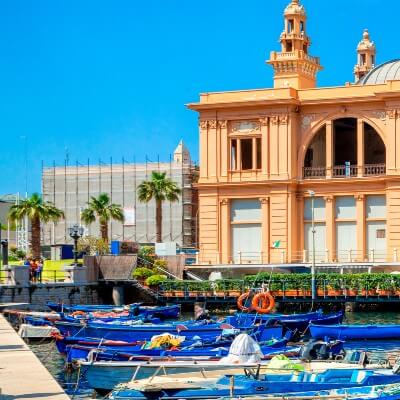
A romantic 12-day journey through southern Italy featuring charming towns, candlelit piazzas, ancient wonders, and breezy seaside escapes from Lecce to Bari, with experiences designed for unforgettable moments together. Starting from $7,844 per person
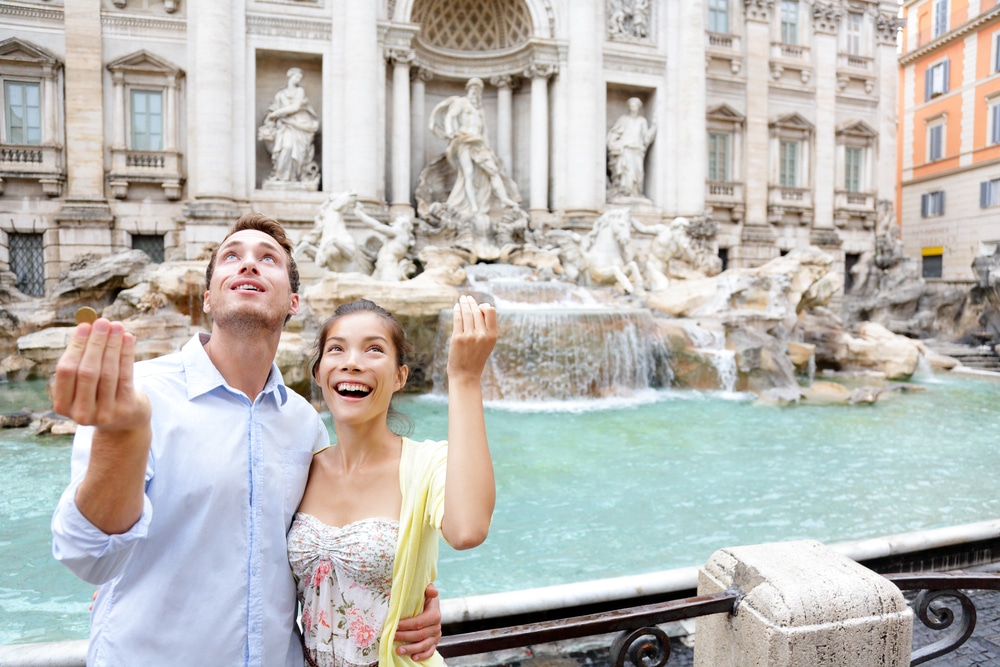
Embark on an unforgettable 11-day honeymoon through northern Italy, where each destination reveals a new chapter of romance and discovery. From Venice’s enchanting canals and timeless artistry, to the
Spring and autumn offer the finest balance of warm light, comfortable walking weather, and the countryside in full glory, with the grape harvest coloring the Chianti hills each September and October. Summer adds the Calcio Storico and the fireworks of San Giovanni on June 24, while winter brings quiet galleries and the season of new olive oil. The specialists at Trips 2 Italy align your dates with what the city does best in that moment.
Three full days cover the essentials in comfort: the Duomo complex, the Uffizi, the David, and the Oltrarno with its palace, gardens, and sunset viewpoint. A fourth and fifth day open the Chianti wine country and day trips to Siena, San Gimignano, or Pisa. Florence also works beautifully as a multi-night base for northern Tuscany.
Yes, and well ahead in high season. Timed entries to the Uffizi and the Accademia are among the first arrangements we make for any Florence itinerary, along with early-hours access and expert guides where the dates allow. Trips 2 Italy secures these reservations as part of every custom trip so travelers meet the masterpieces at the right hour rather than in the longest line.
Almost completely. The historic center is compact and largely closed to traffic, and no walk between the major sights takes more than about twenty minutes. For the Chianti hills, Siena, and other excursions we arrange private drivers, which turns the countryside roads into scenery and lets every wine tasting be enjoyed.
High-speed trains reach Florence from Rome in about ninety minutes and from Venice in a little over two hours, arriving at Santa Maria Novella station a short walk from the Duomo. This position makes Florence the natural middle chapter of the classic Italian journey, and we arrange every rail leg and transfer in advance.
Easily. The Chianti Classico zone begins about thirty minutes from the city, and a day among its family estates, castle cellars, and hilltop villages is the most requested excursion in our Florence itineraries. Trips 2 Italy arranges the estates, the tastings, the long countryside lunch, and the private driver who makes the day effortless.