
Italian Artisan Crafts: The Traditions Italy Refuses to Forget
The materials, methods, and regional stories behind seven enduring Italian craft traditions
In 1291, the Republic of Venice ordered the city’s glass furnaces to move across the lagoon to the island of Murano. The decision is often remembered as a response to the danger of fire, but it also reveals something about the value Venice placed on its makers. Glassmaking was more than a local trade. It was a source of prestige, wealth, and influence, and the knowledge behind it was guarded accordingly. More than seven centuries later, Murano’s furnaces remain part of the island’s identity.
Across Italy, similar relationships developed between a place and the skill practiced there. Florence became associated with leatherworking, Como with silk, and Deruta with hand-painted ceramics. Cremona earned an international reputation for violin making, Burano for needle lace, and the Amalfi area for handmade paper. These traditions grew from local resources, commercial opportunity, and generations of accumulated knowledge. Over time, the craft became inseparable from the character of the town.
Why Do Italy's Artisan Crafts Still Matter to Travelers?
The workshops were never isolated from the wider world. Their products traveled along trade routes, entered the homes of wealthy patrons, supplied courts and religious institutions, and helped shape the economies of entire communities. Guilds regulated standards and protected professional interests. Families passed techniques from one generation to the next, while apprentices learned through observation, repetition, and years of practice. A recognizable style emerged not simply because artisans followed a pattern, but because a community developed a shared understanding of materials and methods.
For visitors, this history offers another way to approach Italy’s best-known destinations. The country’s artistic heritage is often encountered through churches, palaces, archaeological sites, and museums. Yet the character of a place is also shaped by the work that has been practiced there for generations. The movement of glass through a furnace, the careful finishing of leather, or the carving of a violin connects a traveler to the commercial, social, and artistic histories that shaped local life.
Encountering a traditional craft does not replace a destination’s familiar landmarks. It adds another dimension to them. It can offer a more tangible understanding of regional history and change the pace of a day. Rather than moving from one sight to the next, visitors have an opportunity to pause, observe a process, ask questions, and understand why a particular skill took root in a community.
The seven traditions that follow are distinct in their materials and techniques, but they share a common thread: each tells a story about the relationship between people, place, and work. They also show why Italy’s craft heritage is best understood not only by looking at finished objects, but by discovering where and how they are made.
How Did Murano Become the Home of Venetian Glassmaking?
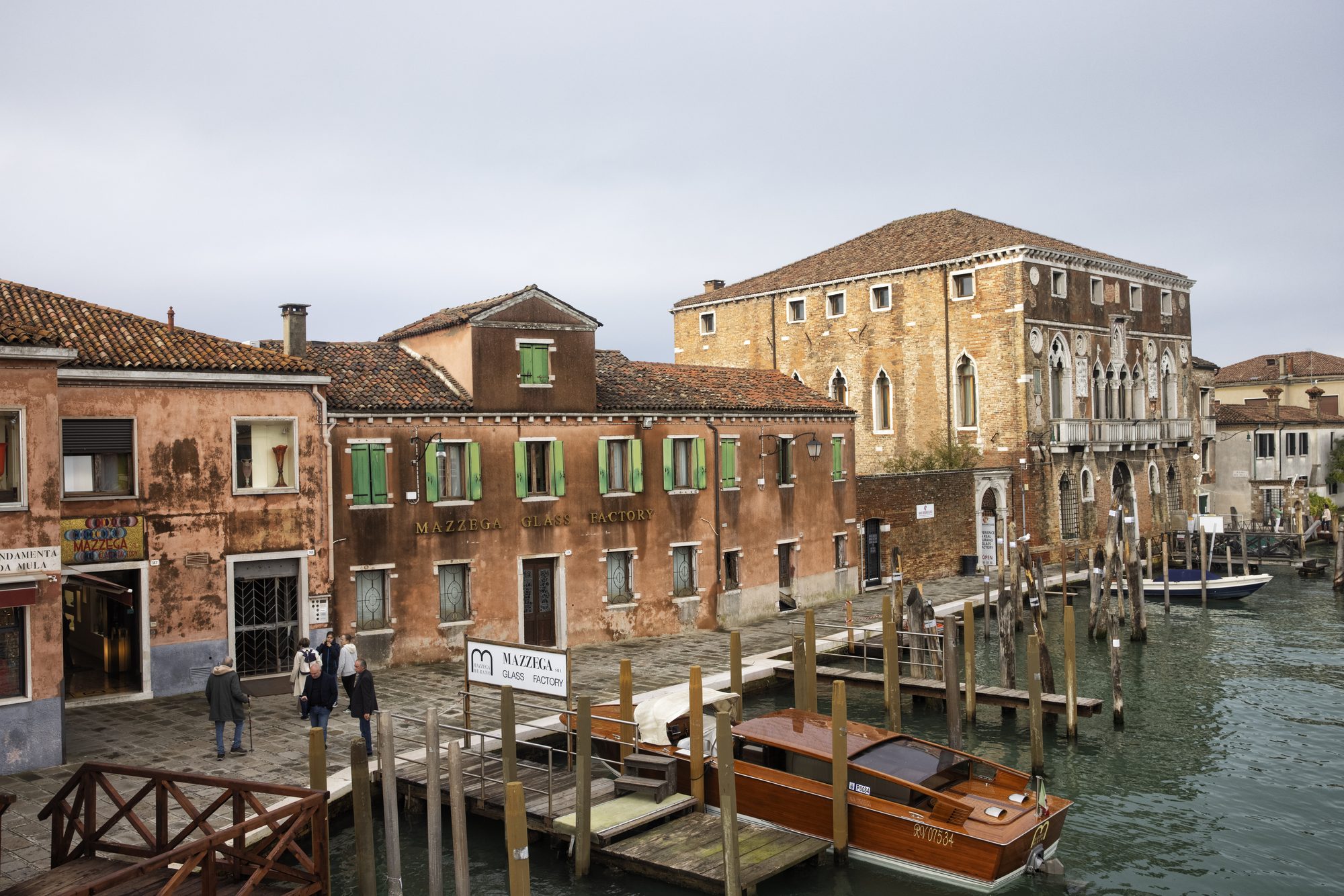
The Venetian decree of 1291 is usually explained by fire. Furnaces burned for long periods and reached intense temperatures, while much of medieval Venice consisted of closely packed buildings, many constructed with timber. Moving the furnaces to Murano reduced a serious risk to the city. The relocation also placed an important industry on an island where its activity could be more closely observed and controlled. Glassmakers enjoyed considerable prestige, but their knowledge was treated as a valuable state asset. They were generally forbidden to leave Venetian territory, and tradition holds that their daughters could marry into noble families, an unusual privilege that reflects the status attached to the trade.
The concentration of glassmaking on Murano encouraged specialization and innovation. In the mid-fifteenth century, Angelo Barovier perfected cristallo, a remarkably clear glass that rivaled the appearance of rock crystal and became highly prized by European courts. Murano artisans also developed lattimo, an opaque white glass resembling porcelain, and intricate filigree techniques in which fine threads of glass are incorporated into a vessel. These developments helped establish the island as a center of technical experimentation as well as skilled production.
Venetian mirrors became particularly influential. Their clarity and finish were admired across Europe, and the Republic sought to protect the expertise that made them possible. In the 1660s, France’s minister Jean-Baptiste Colbert persuaded Murano craftsmen to cross the Alps and help establish the royal mirror works that would later supply Versailles. The episode illustrates the international value of Murano’s knowledge, as well as the difficulty of keeping a sought-after craft within one city’s control.
The process itself is a carefully coordinated sequence. Silica is heated until it becomes a glowing liquid, then gathered on the end of a hollow pipe. The glassmaker shapes it through blowing, turning, and cutting, continually judging its temperature and consistency. The material changes quickly as it cools, so timing is essential. Complex pieces are often produced by a team known as a piazza, led by a master who directs assistants through the successive stages. The work is both individual and collaborative: each person must understand the material and anticipate the next movement.
One of Murano’s best-known decorative techniques is millefiori, meaning “a thousand flowers.” Colored glass is fused into rods, heated, and drawn into long canes. When a cane is cut across its width, the small cross-section reveals a floral or geometric pattern. These patterned slices can then be incorporated into beads, paperweights, and decorative vessels. The finished design may appear delicate and intricate, but its pattern is formed within the glass itself.
For travelers staying in Venice, Murano offers an opportunity to step away from the busiest parts of the historic center and encounter a tradition that helped shape the city’s commercial reputation. Watching a glassmaker work gives context to objects that might otherwise be seen only in shop windows. The transformation from glowing material to finished form happens quickly, but the control behind it comes from years of practice. The island’s long history of glassmaking is also reflected in the objects, techniques, and knowledge that have been passed from one generation of makers to the next.
The experience is especially rewarding when approached with curiosity rather than as a simple shopping stop. Visitors may have the opportunity to observe how glassmaking is organized, notice the different roles within a team, and learn how traditional methods are adapted for contemporary design. Many makers continue to work with historic techniques while collaborating with artists and designers on new forms. This balance between continuity and experimentation is central to Murano’s identity: the island’s craft remains rooted in its past, but it is not confined to reproducing it.
What Makes Florentine Leatherworking Unique?
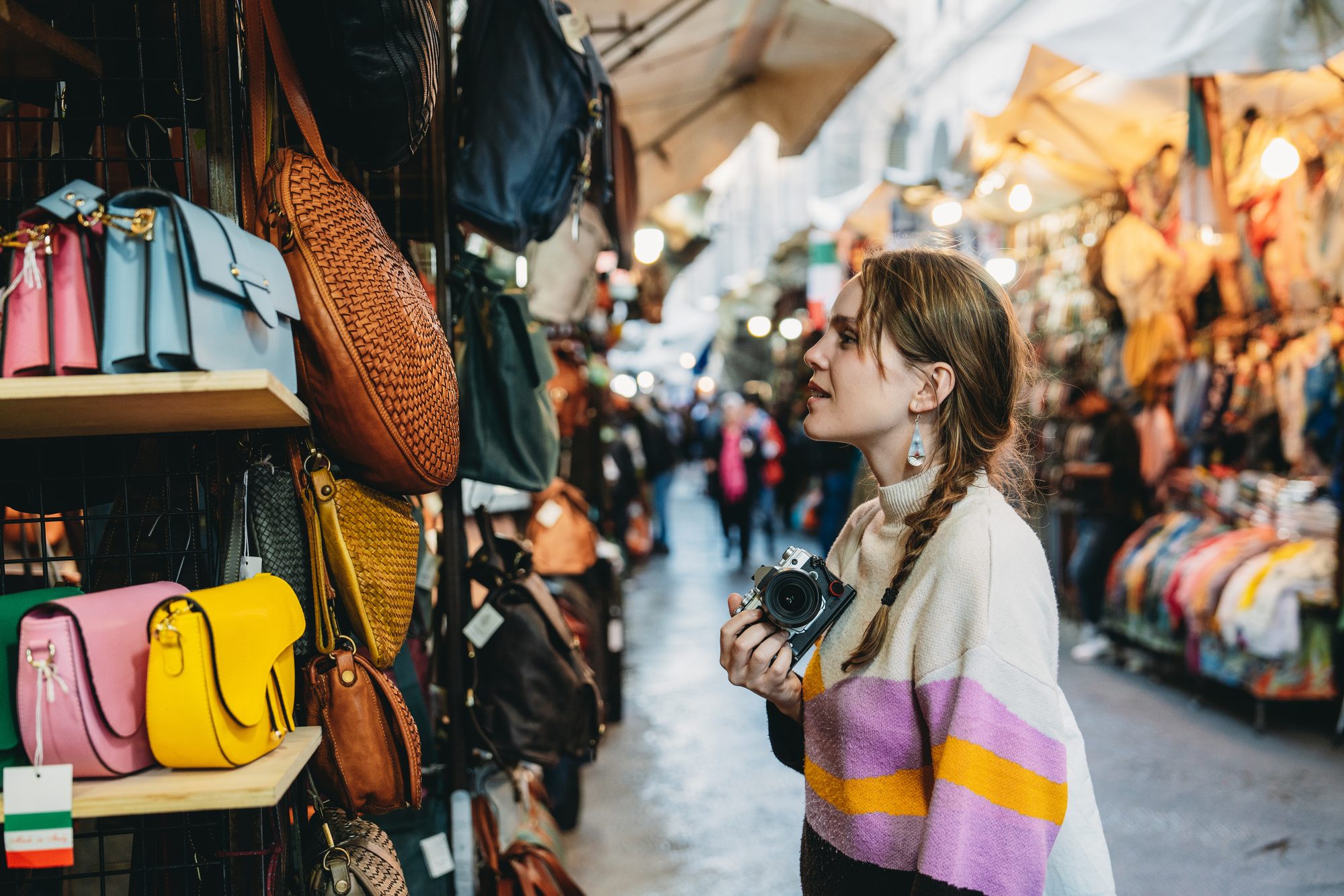
Long before Florence became synonymous with Renaissance painting and sculpture, its prosperity depended on a network of trades that supplied goods to local households and distant markets. Leatherworking was among the most important. Tanners and leather artisans belonged to guilds that established professional standards, and many of the city’s workshops developed near the Arno, where water was essential for cleaning and treating hides. The trade connected local makers with the merchants, nobles, and visitors who created demand for finely finished leather goods.
The craft developed alongside Florence’s wider commercial success. Banking, textiles, and international trade brought wealth into the city, while skilled workshops supplied objects that were practical as well as prestigious. Leather was used for everyday necessities, travel accessories, furnishings, and finely decorated pieces. The reputation of Florentine makers grew from the quality of their materials and the care invested in the finished product.
One of the defining methods associated with Tuscan leather is vegetable tanning. Rather than relying on modern chemical tanning agents, the process uses tannins extracted from bark and other plant sources, including chestnut. Hides are cleaned and treated in tannin baths over a period of weeks before being dried and finished. The process takes time, and each stage influences the leather’s texture, flexibility, and color. As the material ages, it can soften and develop a deeper tone, making its character change with use.
The skill does not end with the tanning process. A leatherworker must understand the grain of each hide, select suitable sections for a particular object, and cut patterns accurately. The pieces are assembled with carefully spaced stitches, while edges are burnished until smooth. Hardware must be fitted securely, and decorative details may be embossed or tooled by hand. In gold tooling, for example, a design is pressed into the leather surface, requiring both control and consistency. The quality of the final object depends on the relationship between all these stages.
The modern history of Florentine leatherworking also reflects the importance of teaching and transmission. In the years following World War II, initiatives were established to provide training to a new generation, including young people whose lives had been disrupted by the war. These efforts helped sustain practical skills at a time when traditional trades were changing, and they illustrate how craft knowledge can be preserved through both family businesses and organized instruction.
For visitors, Florence’s leatherworking heritage offers a different perspective on the city. Its story is not limited to religious and artistic monuments; it also reflects the work of tanners, cutters, merchants, and makers who contributed to its prosperity. When an opportunity arises to observe the craft, the scent of leather, the sound of a mallet against a tooling stamp, and the concentration required to stitch or finish an object bring the process into focus in a way that a finished product alone cannot.
Travelers interested in purchasing leather goods can also use a workshop visit to become more informed observers. Even stitching, carefully finished edges, and a maker who can explain the tanning and construction process offer useful indications of quality. Asking where the leather was treated, how an object was assembled, and which steps were completed by hand can lead to a more meaningful exchange. The aim is not simply to identify a souvenir, but to understand the work behind it. In Florence, that understanding adds another layer to a visit, connecting the city’s celebrated artistic heritage with the skilled trades that helped sustain it.
How Did Lombardy Become Italy's Silk Capital?

For centuries, silk was among the most coveted materials in Europe. Its sheen, softness, and relative rarity made it a marker of wealth, while the trade in silk connected distant regions through networks of merchants and makers. The material reached Europe through routes from Asia, and Italian cities including Lucca, Venice, and Florence developed important silk industries. Lombardy later became one of the regions most closely associated with its production, with Como emerging as a center of weaving, finishing, and textile design.
The foundations of the Lombard silk industry were strengthened in the fifteenth century, when the Sforza dukes encouraged the cultivation of mulberry trees. Their leaves provided food for silkworms, whose cocoons contain a continuous filament that can be unwound and spun into thread. The process requires careful handling. Workers loosen the natural gum that holds the filament together, draw out the thread, and combine strands to create yarn suitable for dyeing and weaving. The delicate nature of the fiber means that each stage demands attention.
The industry faced a major disruption in the 1850s, when disease devastated Europe’s silkworm stock. Como adapted by importing raw silk from Asia and focusing increasingly on the processes in which its workshops had developed particular expertise: weaving, finishing, and printing. This shift helped transform the city from a place associated with raw silk production into a center of textile design and manufacturing.
Printing became one of Como’s defining specializations. A design must be developed with the character of the fabric in mind, since weight, drape, and sheen influence how a pattern appears once applied. In traditional screen printing, color is pressed through a fine mesh, often with a separate screen for each shade. Every layer must align precisely with the previous one. A small miscalculation can blur the design or alter the intended effect. The result depends on the coordination of designers, technicians, and printers, each bringing a different form of expertise to the finished textile.
The development of textile education became an important part of Como’s industrial identity. Technical knowledge was essential to maintaining quality and adapting to new demands, and formal training helped ensure that specialized skills could be carried forward. Today, Como continues to supply fashion houses and luxury brands around the world, while its textile heritage remains an important part of the city’s identity.
Visitors who know Como primarily for its lake and historic villas may be surprised by the depth of this industrial and creative history. The city’s relationship with silk extends from the cultivation and processing of the raw material to weaving, finishing, and printing. Understanding these stages adds a cultural dimension to a stay in the area, particularly for travelers interested in design, fashion, or the relationship between local industry and international trade.
Seen in this context, a silk scarf is more than an attractive object in a shop. Its pattern, finish, and movement reflect a chain of decisions made by people with specialized knowledge. A visit to Como can therefore be shaped around more than its celebrated scenery. The city’s textile heritage offers a different route into Lombardy’s history, one that connects agriculture, commerce, education, and contemporary design.
What Makes Deruta Ceramics So Distinctive?
In the early sixteenth century, the potters of Deruta developed a form of lustreware that made ceramic surfaces shimmer with metallic reflections. Using metallic pigments and a further firing in a carefully controlled, smoky kiln, they produced golden and ruby tones that helped establish the town’s reputation across Italy. The effect was difficult to achieve consistently. The atmosphere inside the kiln had to be managed with precision, and a single mistake could dull the surface or spoil the finish. The success of Deruta’s workshops speaks to the technical knowledge that had accumulated among local potters.
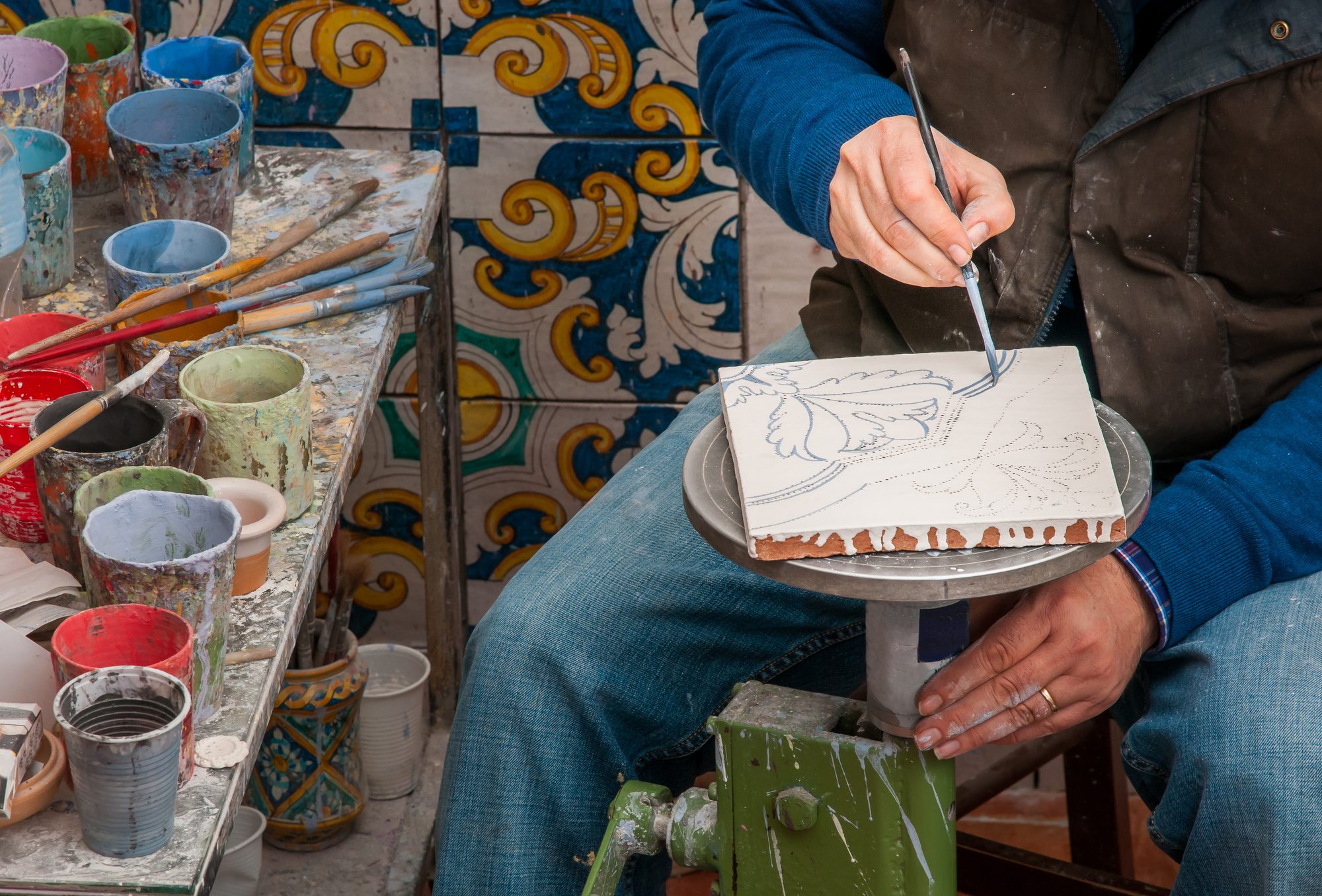
The town became especially known for maiolica, a tin-glazed earthenware whose smooth, opaque white surface provides a ground for painted decoration. The potter first shapes the clay by hand or on a wheel and fires the piece. It is then coated with a white glaze and decorated with mineral pigments before a second firing fixes the design beneath a glossy surface. The colors do not always look the same before and after firing, so the painter must anticipate how each pigment will develop. A blue that appears muted on the unfired glaze may emerge with greater depth, while other colors can shift or fade. This judgment is acquired through experience as much as instruction.
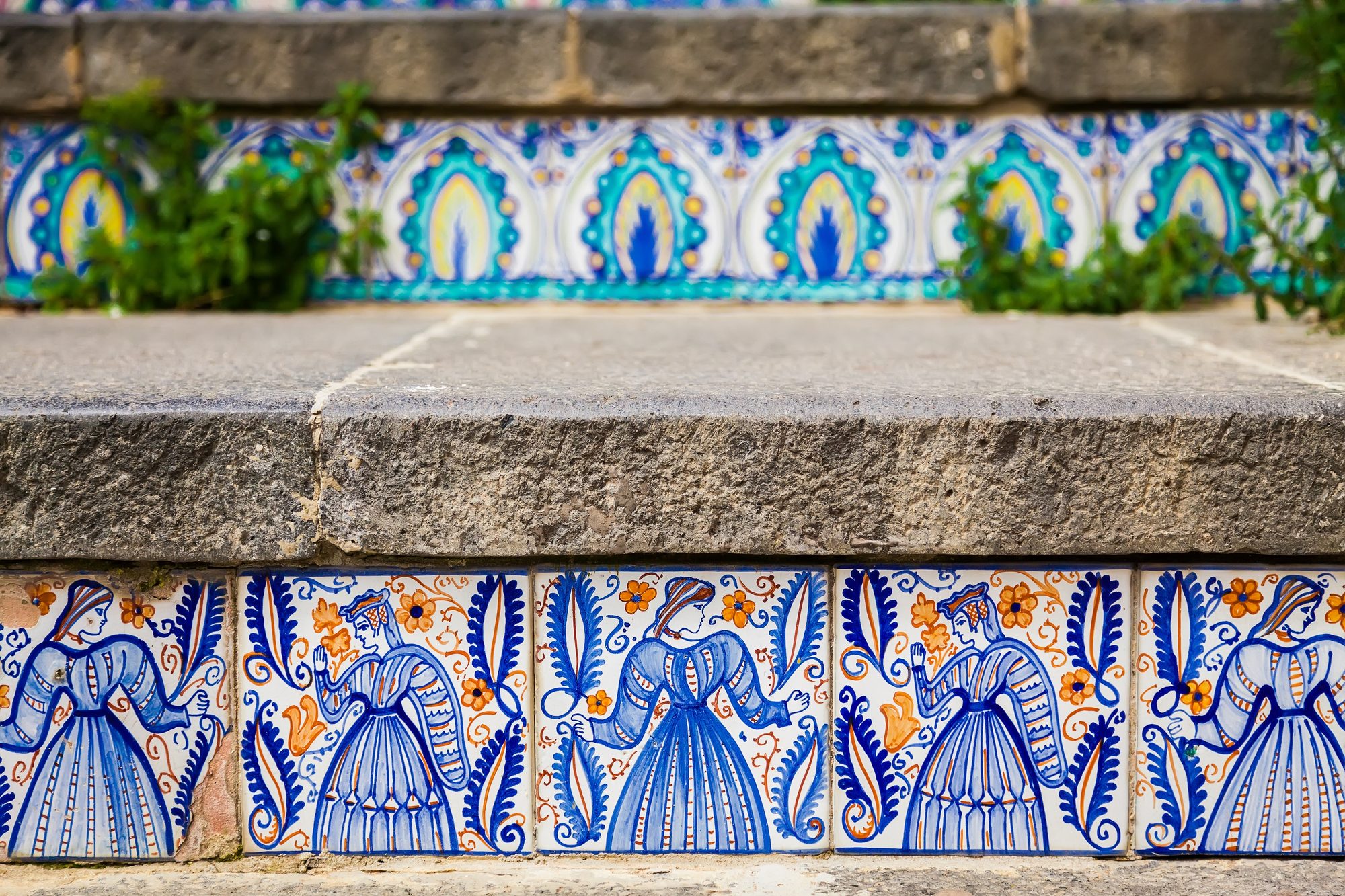
Deruta’s decorative vocabulary includes geometric borders, floral motifs, scrolling foliage, and stylized animals. Workshops also produced large display plates known as piatti da pompa, intended to be admired rather than used at the table. Some designs reflect broader Renaissance tastes, including ornamental grotesques inspired by Raphael’s Roman workshops, while others express a distinctly local style. The result is a body of work that connects the town to the wider artistic currents of the period without losing its own identity.
Like many traditional industries, Deruta’s production declined in later centuries. The workshops nevertheless endured, and historic patterns were revived alongside new designs. Today, ceramics remain visible throughout the town, from shop displays to decorative details on buildings. The craft is not preserved only in museum collections; it continues to shape the appearance and working life of the place.
For travelers exploring Umbria, Deruta offers an engaging complement to the region’s medieval hill towns, churches, and landscapes. It is a destination where the relationship between local identity and material culture can be seen at close range. Observing a painter apply a design by hand provides context for the ceramics encountered throughout the town and helps explain how historic decorative traditions continue to inform contemporary production.
A visit also helps explain why handmade ceramics vary from one piece to another. The painter’s hand, the behavior of the glaze, and the firing process all influence the result. Travelers may recognize familiar motifs in a shop window, but seeing a brush move across a plate reveals the discipline behind even a seemingly simple pattern. For those considering a purchase, learning to distinguish the stages of production can make the experience more thoughtful. Rather than choosing an object only for its color or shape, visitors can begin to appreciate the skill and regional history it represents.
Why Is Cremona the World Capital of Violin Making?
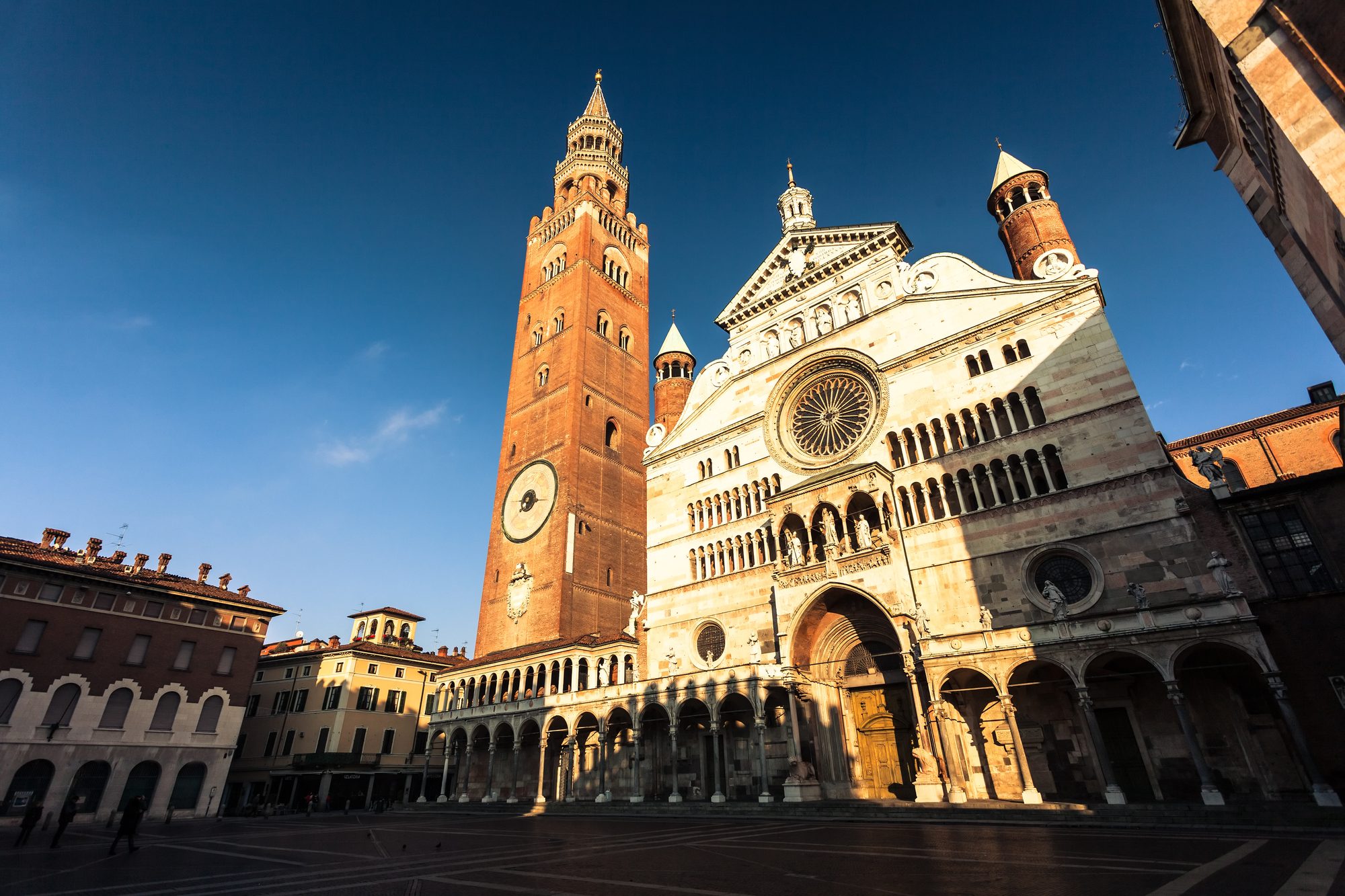
Cremona’s connection to violin making is among the most celebrated craft traditions in Italy. The city was home to Antonio Stradivari, who produced instruments over a career that extended into his nineties. Estimates suggest that he made approximately 1,100 instruments, of which around 600 are thought to survive. Their reputation is extraordinary, but Stradivari’s achievements grew from a tradition that had already taken shape in Cremona during the previous century.
Andrea Amati, working in the mid-sixteenth century, is credited with establishing the classic form of the violin. His workshop received important commissions, including instruments for the French court of Charles IX. Stradivari developed the tradition further, while Giuseppe Guarneri, known as del Gesù, created instruments that many soloists regard as equal in distinction. Together, these makers helped turn Cremona into an international reference point for violin craftsmanship.
The making of a violin begins with the selection of wood. Spruce is traditionally used for the front plate, while maple is chosen for the back, sides, and neck. The maker studies the grain, density, and flexibility of each piece, since even small differences can affect how the finished instrument responds. The wood is then shaped with careful attention to thickness and contour. Internal components support the body and influence its vibration, while the sides are bent with heat and moisture around a mold. The plates are joined to the ribs, and the neck, fingerboard, and bridge are fitted by hand. Varnish is applied near the end of the process, after which the instrument is adjusted until it produces the desired response.
The sound of historic Cremonese violins has long attracted scientific and musical interest. Researchers have examined the chemistry of varnishes, the density and structure of the wood, and other features that might explain their qualities. Some theories are grounded in measurable evidence, while others remain speculative. No single explanation has replaced the judgment of the maker. Patterns and measurements provide guidance, but each piece of wood is different, and the craft depends on the ability to interpret those differences.
Cremona has invested in preserving this knowledge. Its tradition of specialist training has helped new generations of makers learn the techniques associated with the city. In 2012, UNESCO inscribed traditional violin craftsmanship in Cremona on its Representative List of the Intangible Cultural Heritage of Humanity. The recognition honors not only the instruments, but also the knowledge, skills, and social practices that sustain their creation.
The history of violin making is visible in the methods still practiced by Cremonese luthiers. Makers continue to carve, shape, and fit components with the same concentration that has defined the craft for generations. The quiet of a working environment can be striking: the work is measured, deliberate, and attentive to details that may be difficult to notice in a finished instrument. Seeing how a maker evaluates a piece of wood or adjusts an instrument helps explain the judgment involved at every stage.
For travelers, Cremona offers a cultural experience that differs from the more familiar art and architecture itineraries of northern Italy. Its musical heritage connects visitors to the city’s identity through the materials and methods of its makers. Learning how a luthier evaluates a piece of wood or seeing the gradual shaping of an instrument helps explain why the violin is not simply assembled, but carefully brought into being.
Cremona also rewards a slower visit. Its musical heritage is not a single attraction to be checked off a list; it is a tradition that gives meaning to the city’s institutions, workshops, and cultural life. Including it in a wider journey through northern Italy can add a distinctive perspective, especially for travelers interested in the relationship between art, music, and the communities that preserve specialized knowledge.
How Is Burano Lace Made?
A local legend tells of a fisherman from Burano who resisted the song of a siren and was rewarded with a wedding veil made from sea foam. His bride, the story says, tried to reproduce its delicate pattern in thread. The tale is part of the island’s folklore rather than a documented account of the craft’s origins, but it captures the delicacy that made Burano lace famous. The historical record places the growth of Venetian lace in the sixteenth century, when finely worked textiles became marks of status among European courts and wealthy households.
Lace decorated collars, cuffs, linens, and religious textiles. Its value came partly from the time required to make it. Fine examples demanded patience and technical control, and Venice’s commercial networks carried the work to buyers across the continent. Burano became particularly celebrated for its needle lace, a tradition that connected the island to the wider textile economy of the Venetian Republic.
Unlike bobbin lace, which is made by crossing threads wound around small wooden bobbins, Burano lace is constructed with a needle and a single thread. The maker follows a pattern and builds the design stitch by stitch. The method is often described as punto in aria, or “stitch in the air,” because the lace takes shape without a woven foundation. The appearance may be light and almost weightless, but the structure depends on exact, repeated movements.
Traditionally, production could be divided among several specialists, each responsible for a particular stage. A finished piece might therefore pass through many hands before it was complete. Evenness of stitch, consistency of thread, and the ability to maintain the pattern across the work were essential. A small detail could require hours, while elaborate pieces demanded far longer. The time invested was part of the value, but it also made the craft vulnerable when fashions and markets changed.
Lace making was woven into the social and economic life of Burano. Women held an important role in the island’s working life through the craft, and techniques were passed among mothers, daughters, relatives, and neighbors. Young girls often spent years observing experienced lace makers before attempting more complex designs. Learning depended on close attention and repetition, not simply on memorizing a sequence of stitches.
As fashions changed and machine-made lace became widely available, demand for handmade work declined. The tradition came close to disappearing. After a harsh winter in 1872 brought hardship to fishing families on the island, local efforts were organized to revive the craft and teach its techniques to a new generation. Accounts from the period identify an elderly lace maker named Cencia Scarpariola as an important figure in passing on the old stitches. The revival illustrates how much a tradition can depend on the commitment of a small community.
The effort to preserve Burano lace helped document examples of the tradition and the techniques required to produce them. Such records are important because few artisans today can make the most elaborate pieces, which makes teaching and transmission especially important. The history of the craft is therefore not simply a story of beautiful objects; it is also a record of a skill that depends on people continuing to practice it.
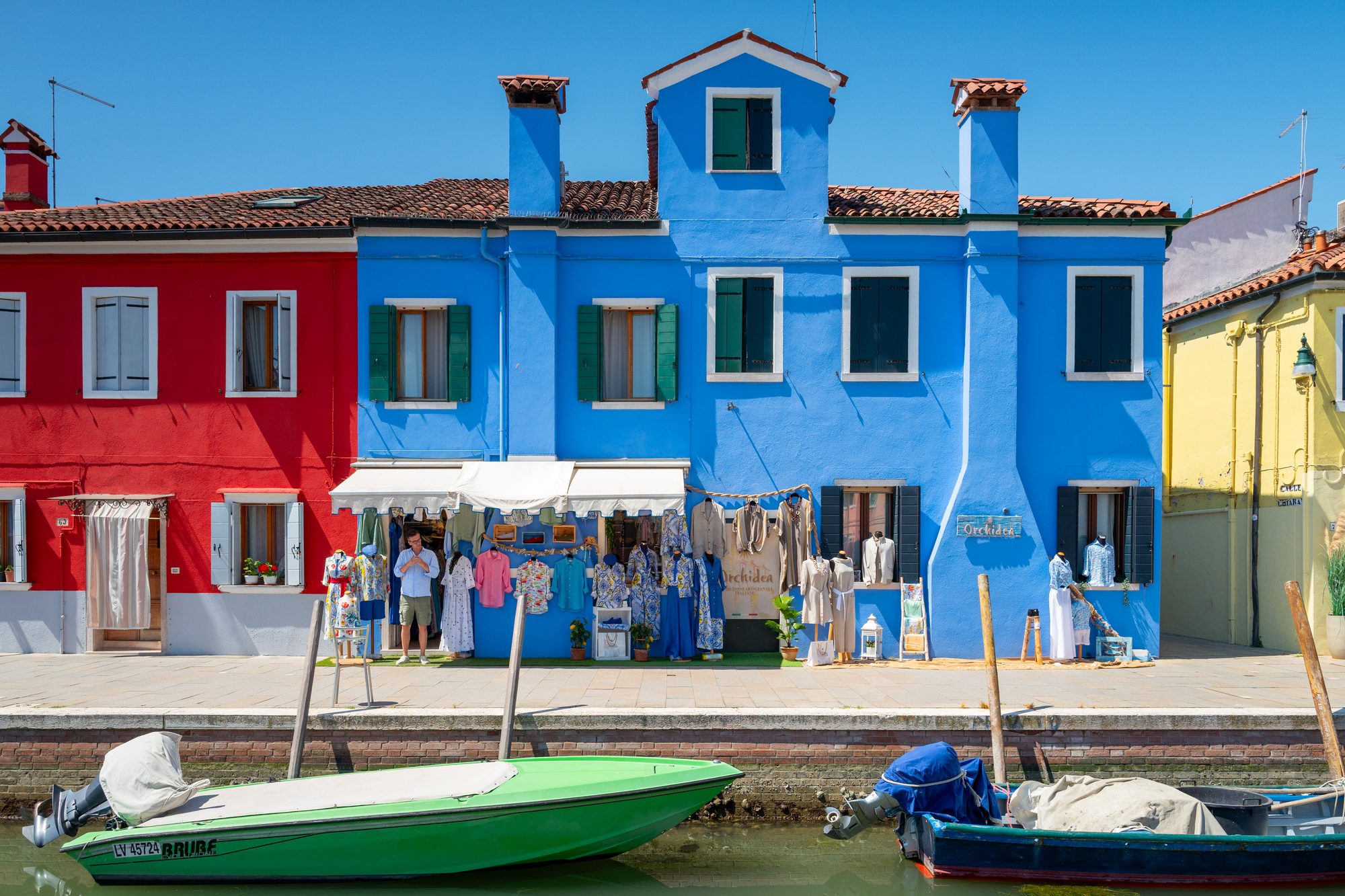
For visitors traveling through Venice, Burano is often remembered for its colorful houses and island atmosphere. Its lace heritage offers another way to understand the lagoon’s history and the working lives of its communities. When travelers have an opportunity to observe the work itself, it becomes easier to recognize the difference between handmade lace and machine production. Even a small piece becomes more meaningful once its hours of concentration and intricate construction are understood.
Burano also demonstrates how a craft can shape the identity of a small community. The island’s story is not separate from Venice’s wider history of trade and luxury, but it is distinctly local in the way the work was learned, practiced, and passed on. For travelers, this connection between place and skill makes the island more than a scenic excursion. It becomes an opportunity to understand one of the traditions that helped define the Venetian lagoon.
What Is the Story Behind Amalfi Paper Making?
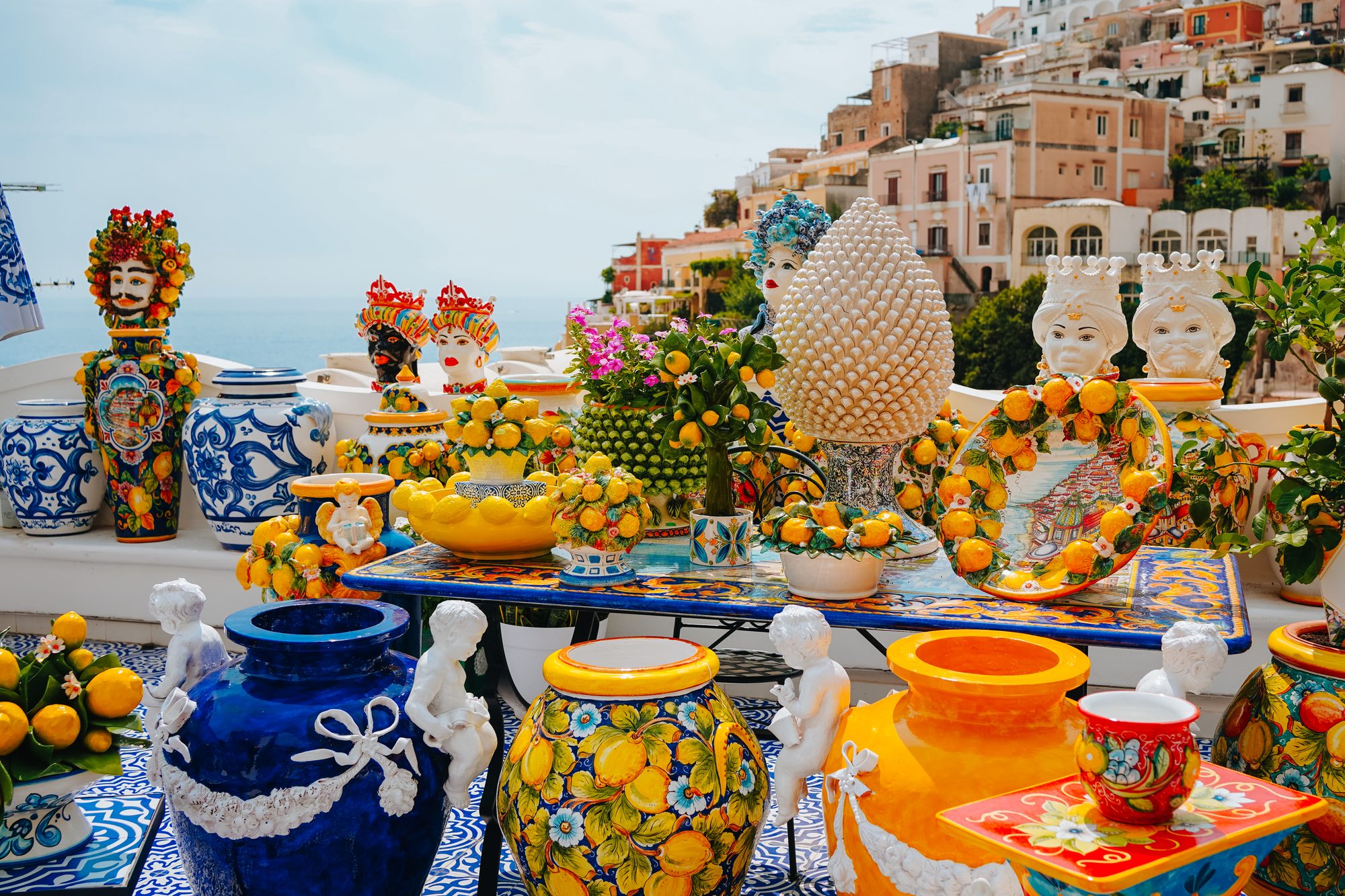
Amalfi is widely associated with maritime history and the dramatic coastline of southern Italy, but the town also has a long connection to paper making. In 1231, Emperor Frederick II issued a decree prohibiting the use of paper for official documents in the Kingdom of Sicily, reflecting doubts about the durability of a material that was still relatively new in parts of Europe. The decree offers a glimpse into the changing status of paper and the early presence of paper production in the Amalfi area.
Paper making originated in China and spread west through the Islamic world. The knowledge reached parts of the Mediterranean through networks of trade and exchange, and Amalfi’s commercial connections provided a route through which new materials and techniques could travel. As a maritime power, the town was accustomed to moving goods and ideas across the sea. Paper became one of the industries that took root in its surrounding valley.
The surrounding landscape provided an essential resource: water. Streams and channels in the area powered the machinery used in production. Workers collected cotton and linen rags, sorted and cleaned them, and broke the fibers down into pulp. A framed screen, or mold, was then lifted through the mixture, catching a thin layer of fibers. As the water drained away, the fibers settled together to form a sheet.
The newly formed sheet was transferred from the mold, pressed to remove excess moisture, and left to dry. It could then be sized and smoothed according to its intended use. The handmade paper known as carta bambagina is recognized for its soft texture and characteristic deckled edge. Each stage influenced the sheet’s thickness, finish, and durability, and the process required an understanding of how fibers behaved in water.
Amalfi paper served notaries, merchants, and religious institutions at a time when commerce and administration depended increasingly on written records. The industry was connected to the practical needs of a trading society. As industrial factories began producing paper on a much larger scale, most small mills could not compete and eventually closed. The tradition nevertheless survived in the valley, where the relationship between water, machinery, and handmade production remains part of the area’s heritage.
The history of paper making in Amalfi is preserved through the surviving evidence of its former mills, machinery, and documents. These traces help explain the transformation of raw fibers into finished sheets and the role water played in the process. Handmade paper continues to be valued for stationery, invitations, and artistic work, where texture and individuality are important qualities.
For travelers exploring the Amalfi Coast, the paper-making tradition offers a different perspective on a destination often associated with coastal views, historic architecture, and seaside towns. The story of handmade paper adds an inland cultural dimension to time spent in Amalfi, revealing an industry that depended on the area’s natural resources and the town’s commercial history. It is also a reminder that the region’s identity extends beyond its shoreline.
The appeal of handmade paper is easy to overlook because paper is so familiar. Watching a sheet take shape by hand makes the process visible again. The visitor begins to notice its surface, its edge, and the subtle variations that distinguish it from a mass-produced sheet. This is the value of encountering a traditional craft in the place where it developed: an everyday object becomes a point of entry into the history of a community and the landscape that supported it.
How Can Travelers Help Keep Italy's Crafts Alive?
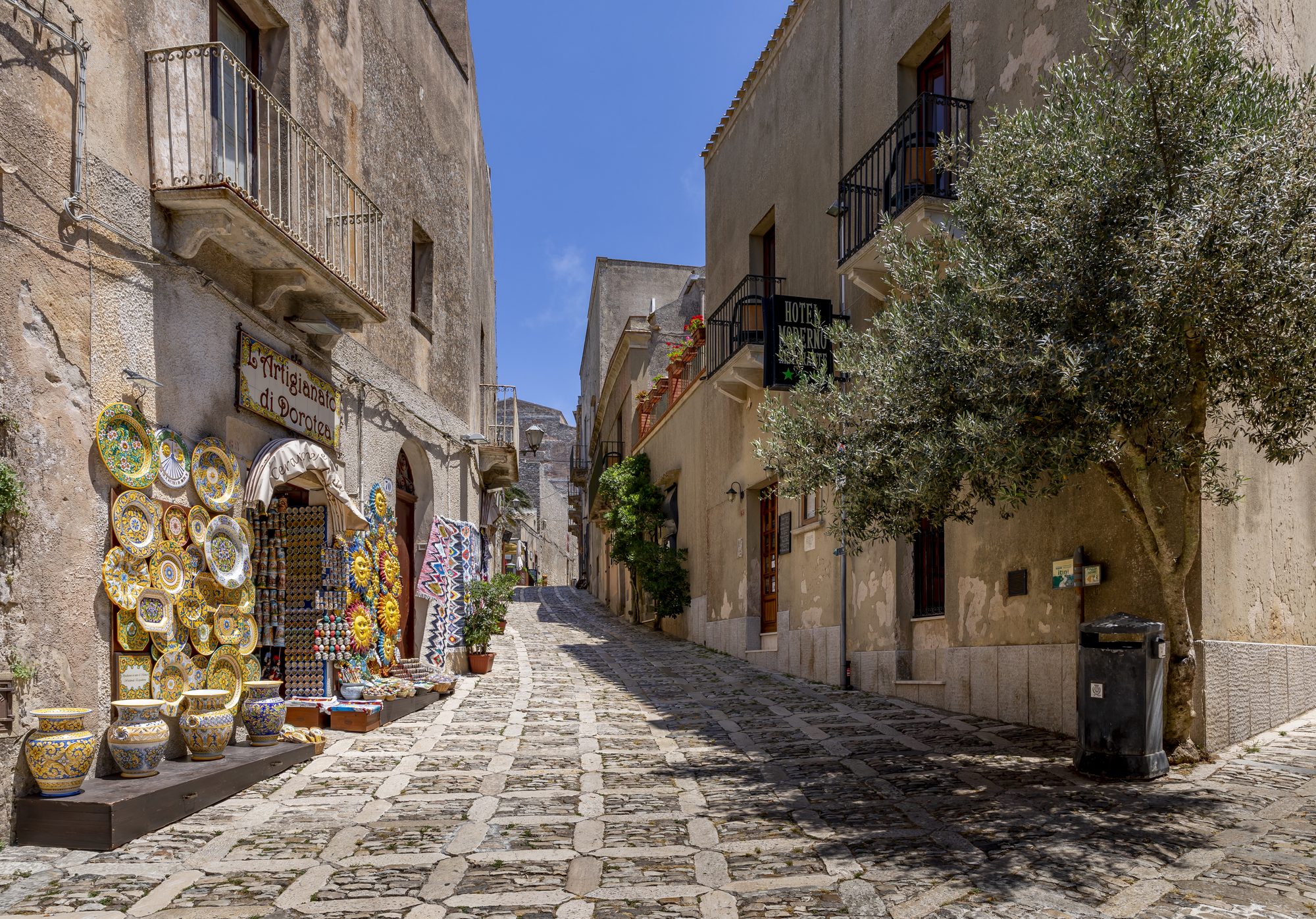
A craft tradition survives because knowledge is passed from one person to another. Ask a glassmaker how the work is learned, and the answer is likely to involve a teacher, years of observation, and repeated practice. The same is true of leatherworkers, lace makers, and violin makers. Written instructions can describe a technique, but they cannot fully convey the feel of a material, the timing of a movement, or the judgment developed through repetition. Much of the knowledge exists in the hands and in the conversations that take place while work is being done.
This makes traditional craftsmanship both resilient and vulnerable. It is resilient because makers have adapted to changing markets, materials, and tastes. Murano workshops collaborate with contemporary designers; Florentine leatherworkers create objects for modern use; Como’s textile printers combine established skills with newer methods; and Deruta’s painters reinterpret historic patterns for contemporary interiors. These changes are not necessarily a departure from tradition. They can be part of the way a craft remains relevant.
At the same time, handmade production faces pressures that cannot be solved by innovation alone. Industrial manufacturing offers speed and consistency, while traditional work requires time and specialized training. Apprenticeships demand commitment, and makers need customers who understand why a handmade object carries more value than a mass-produced alternative. When demand disappears, the opportunity to teach and practice a skill can disappear with it. Formal training, community initiatives, and international recognition can all help draw attention to the people and practices behind the work.
Travel can contribute to the continuity of these traditions, not through a single purchase or a brief demonstration, but through informed interest. A visitor who takes time to understand a process is more likely to recognize the value of the work. Asking thoughtful questions about materials, techniques, training, and the history of a workshop creates an exchange that goes beyond a transaction. Choosing to buy directly from a maker, when appropriate, can also help support the people who maintain the skill.
The quality of an encounter matters. An artisan’s workplace is a professional environment, not simply a setting for visitors. Travelers benefit from approaching these encounters with consideration and flexibility. When an opportunity to observe a craft is available, allowing time for the process and leaving room for conversation can make the experience more rewarding for both visitor and maker.
There is also value in placing craft experiences within the wider context of a destination. In Venice, Murano glass and Burano lace reveal different aspects of the lagoon’s commercial and social history. In Florence, leatherworking adds an economic and practical dimension to the city’s celebrated artistic legacy. Como’s silk heritage connects the lake district to international trade and modern design. Deruta introduces visitors to the material culture of Umbria, while Cremona’s violin makers offer a distinct way to explore the region’s musical identity. In Amalfi, handmade paper tells a story shaped by water, trade, and the valley beyond the coast.
These experiences can fit naturally into a broader itinerary, but they are most rewarding when they are not treated as interchangeable stops. Each tradition offers a different kind of encounter and reflects a distinct local history. In some circumstances, learning about a craft through its finished objects may be most appropriate; in others, observing a maker at work can be more revealing. The point is not to turn every journey into a craft tour, but to recognize where a local tradition can deepen a traveler’s understanding of a place.
The most meaningful souvenirs are often those that carry a story. A piece of Murano glass, a Florentine leather accessory, a silk textile from Como, a painted ceramic from Deruta, a handmade paper object from Amalfi, or a lace piece from Burano can serve as a lasting reminder of a destination. Their significance grows when the traveler knows something about the material, the method, and the people who made them. The object becomes connected to an experience rather than simply to a purchase.
What Is the Best Way to Discover Italy Through Its Artisans?
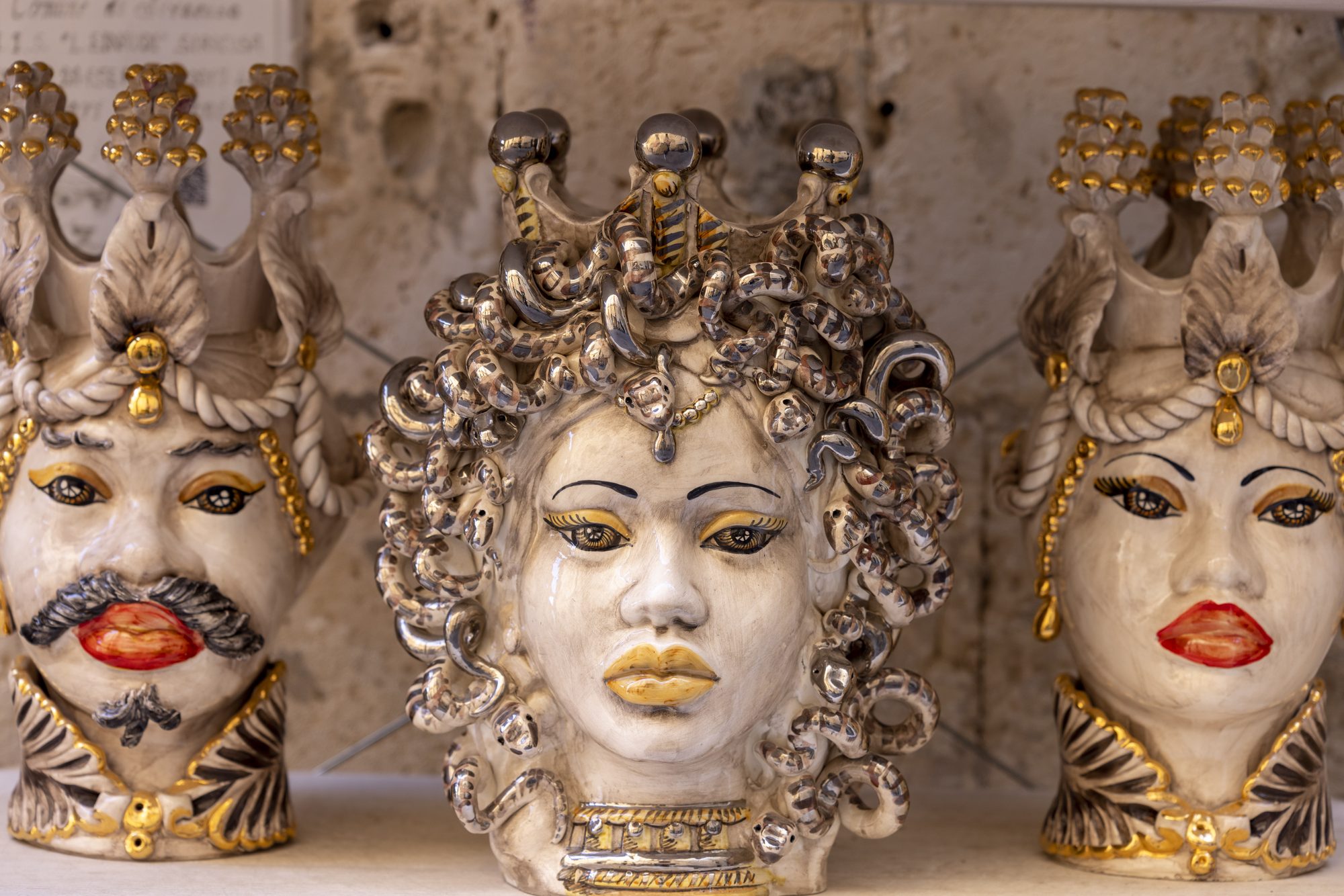
Some of the most revealing moments in Italy take place away from the grand piazzas and celebrated viewpoints. They happen wherever a maker concentrates on a task that may have been repeated thousands of times but still requires attention at every stage. The heat of a glass furnace, the measured movement of a leatherworker’s hand, the sound of a tool against wood, or the slow formation of lace can bring a destination into focus in a way that is both intimate and memorable.
Each tradition offers a different introduction to the place that shaped it. Glassmaking reveals the coordination and technical judgment behind a finished object. Leatherworking connects the history of a city to the guilds and trades that supported its prosperity. Silk tells a story of changing technology, international commerce, and design, while ceramics show how local makers absorbed and reinterpreted wider artistic influences.
Violin making offers an encounter with a craft in which even the smallest decisions influence the final sound. Lace reveals the patience and precision involved in transforming a single thread into an intricate pattern. Handmade paper, meanwhile, tells a story shaped by water, trade, and the practical ingenuity of the people who developed the process. Together, these traditions show how a region’s history can be understood through the materials it used and the skills its people cultivated.
For travelers, these destinations are not simply places to shop for traditional objects. They are places to understand how a community developed a skill, how that skill shaped local identity, and how it continues to evolve. A craft-focused visit can complement a day of sightseeing, introduce a lesser-known neighborhood, or provide a reason to explore beyond the most familiar route. It can also offer a welcome change of pace, allowing time to observe rather than move constantly from one landmark to another.
At Trips 2 Italy, we think of authenticity as proximity: being close enough to a craft to see how it is done and to speak with the people who do it. It is the difference between seeing Italy and understanding it, and it is the idea we keep in mind when we shape an itinerary, leaving room in the day to linger where something is being made.
The crafts Italy refuses to forget are not relics of another era. They are living expressions of the nation’s identity, carried forward by the hands of those who practice them.
Questions Travelers Ask About Italian Artisan Crafts
Which Italian artisan crafts are the most famous?
Seven of the best-known traditions are Murano glassmaking in Venice, Florentine leatherworking, Lombard silk from Como, Deruta ceramics in Umbria, Cremona violin making, Burano lace and Amalfi paper making. Each grew out of a particular place, its materials and the skills its makers passed down.
Why was Venetian glassmaking moved to Murano?
In 1291 the Republic of Venice ordered its glass furnaces moved to the island of Murano. The decree is usually explained by fire risk in a crowded city built largely of timber, and the move also kept a valuable industry and its techniques where they could be closely observed.
What is vegetable tanned leather from Florence?
Vegetable tanning uses tannins extracted from bark and other plant sources, such as chestnut, instead of modern chemical agents. Hides rest in tannin baths for weeks, and the finished leather softens and deepens in tone with age.
How is Burano lace different from other lace?
Burano lace is needle lace. Rather than crossing threads wound on bobbins, the maker builds the design stitch by stitch with a needle and a single thread, a method often called punto in aria, or stitch in the air.
Can you visit artisan workshops in Italy?
Yes. Glass furnaces on Murano, leather workshops in Florence, ceramic studios in Deruta and violin makers in Cremona all welcome respectful visitors in different ways. We arrange these visits as part of a custom itinerary so the encounter feels like a conversation with the maker rather than a sales stop.
How can I tell if an Italian craft is authentic?
Spend time with the maker. Watching the process, asking about materials and training, and buying directly from the workshop when appropriate is the most reliable way to understand what you are taking home and to support the people who keep the skill alive.
Related Pages
- Cultural Tours of Italy: Custom journeys built around Italy’s art, history and living traditions.
- Murano Island Glass Artisans: A closer look at the glass workshops of Murano.
- Murano and Burano Islands Tour: Glass furnaces and lace traditions on the Venetian lagoon.
- Cremona, a Musical City: The home of Stradivari, Amati and Guarneri.
- Italian Culture Guide: Traditions, customs and the everyday culture of Italy.
- Florence Culture: Art, craft and the Renaissance city’s living heritage.
Ready to Meet Italy's Master Artisans?
Tell us which crafts and regions you are drawn to, and we will build a journey that brings you into the workshops of Murano, Florence, Deruta, Cremona and beyond. Call us at 713-952-4055 or start planning online.